
Book Review ‘A Genius For War: The German Army and General Staff, 1807-1945’ by Trevor N. Dupuy.
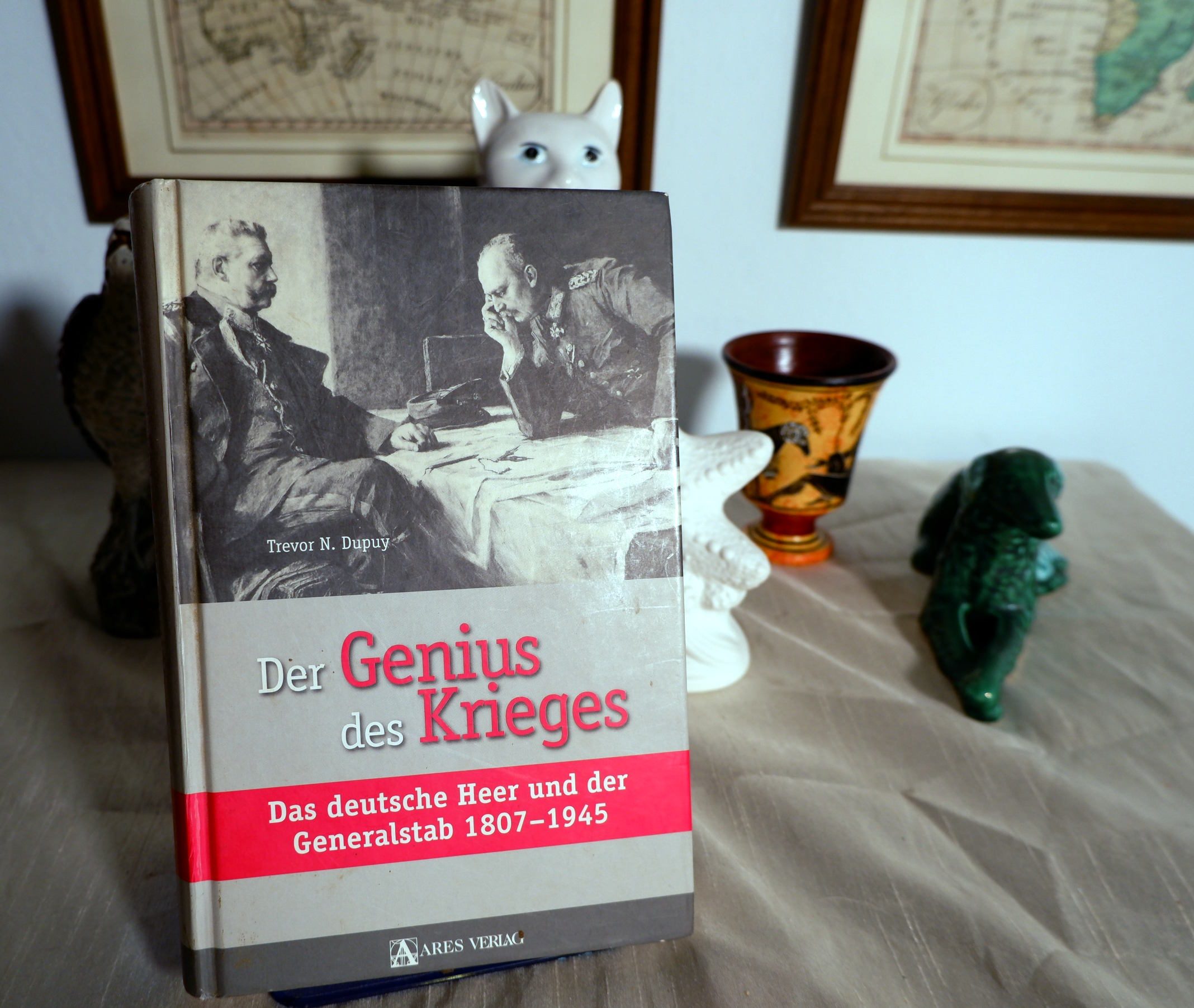
Just finished digging into this fascinating look at Prussian and German military thinking. “A Genius For War” takes you from the aftermath of Napoleon’s victories right up through both World Wars.
It’s wild seeing how one military institution could shape modern warfare. The book explores how the German General Staff developed their systematic approach to war after Napoleon crushed them.
What really caught my attention was how they turned military planning into almost a science. It’s not just about battles, but about thinking and adapting.

This isn’t a quick read at 483 pages, but Dupuy keeps things moving. He doesn’t get too bogged down in dry military jargon, which I appreciated.
The writing feels more like a conversation with someone who really knows their stuff. It’s not a textbook slog, thankfully.
Some readers say the book can get a bit statistical, and I saw that too. There are sections where data and analysis interrupt the flow, slowing things down a bit.
Still, the book explains military concepts without requiring a military background. I started out knowing almost nothing about the German General Staff and left with a much better understanding of how they influenced military thinking worldwide.
Click here to buy ‘The Genius of War’ and learn more about German military history!
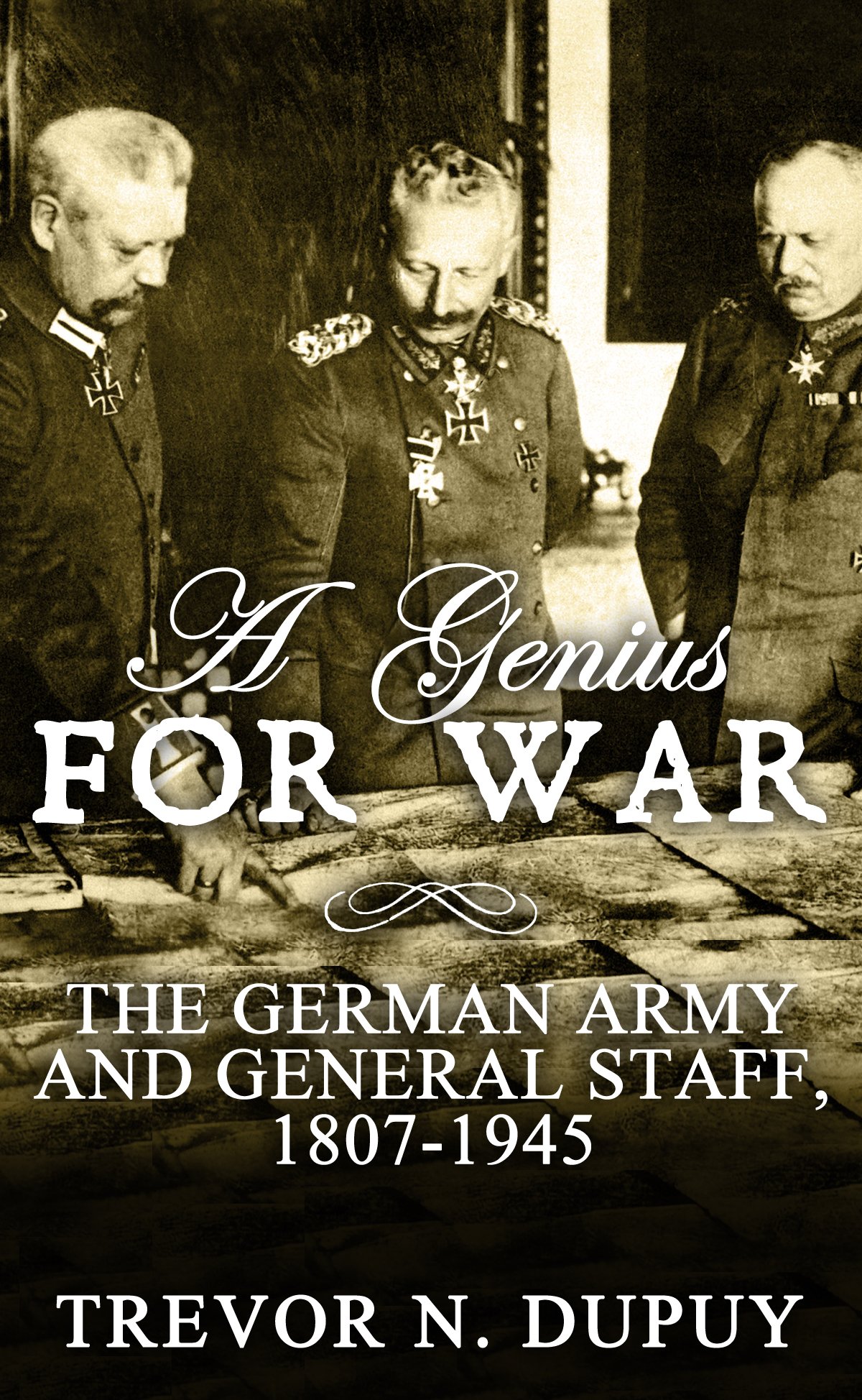
Overview of A Genius For War: The German Army and General Staff, 1807-1945
I picked up this book to learn more about German military history. It covers a huge time period, from the Napoleonic Wars all the way through World War II.
The author explains how the German General Staff system worked, and the chapters about the early 1800s reforms really pulled me in. The book shows how Germany built one of the most effective military organizations ever.
What I liked most was how it connects different eras. You see how ideas from the 1800s shaped tactics in both world wars, and the writing stays clear and easy to follow.
On the downside, it can feel a bit academic in places, especially when it gets bogged down in details about military structure. I also found myself wishing for more maps to help visualize the campaigns.
Historical Narrative
Reading through this military history book gave me a solid look at how German military thinking developed over more than a century. The author covers a massive time span, showing how the army changed and grew through different wars and leaders.
Engaging Storytelling
The book manages to make military history feel personal. The author tells stories about real generals and the decisions they made during big battles.
The writing flows especially well when covering events like the Franco-Prussian War and both World Wars. You can follow along as the German General Staff evolves from a handful of officers into a powerful military machine.
I loved seeing how the author connects time periods, letting you spot how ideas from Napoleon’s era influenced German thinking decades later. Military defeats taught lessons that shaped future victories.
Depth of Research
The research here is solid. The author uses primary sources and military documents to back up the main points.
The book covers technical details about military planning, but doesn’t get buried in jargon. I learned about staff procedures and command structures that most history books never mention.
Strong research areas:
- Original military documents
- Officer training methods
- Battle planning processes
- Command structure changes
The author clearly spent time digging through German military archives. I got real insights into how the General Staff worked day-to-day, not just during famous battles.
Some sections feel dense with facts, especially details about organizational changes. I found those chapters tougher to get through compared to the more story-driven parts.
Insight Into Military Strategy
After diving into this book, I got completely absorbed by how the author breaks down military thinking. The strategic concepts actually feel relevant, even now.
I was surprised by how clearly complex battlefield decisions are explained. It’s not just dry theory—the author lays out why things worked or failed.
Exploring Prussian Tactics
The early chapters really opened my eyes to how innovative Prussian military thinking was. After Napoleon crushed them, Prussian leaders didn’t just rebuild—they reimagined warfare entirely.
The book shows how they developed new ways to move troops fast and strike where enemies least expected. Their biggest defeat turned into their greatest learning opportunity.
I found the tactical examples easy to follow, even as a non-military reader. The author explains why certain moves worked, while others just fell flat.
Evolution of German Command
This part was fascinating, tracing how military leadership changed over more than a century. I didn’t realize how much the command structure evolved from the 1800s through both world wars.
German officers trained differently than other armies, focusing on independent thinking instead of just following orders. This created leaders who could adapt quickly when plans went sideways.
I was struck by how this system produced so many capable commanders. But the author doesn’t shy away from the dark side—this same system eventually served terrible purposes during World War II.
The writing gets a little heavy with statistics sometimes, but the overall narrative kept me engaged. I liked how the author balances praise for military innovation with an honest look at the tragic consequences.
Balanced Analysis of the General Staff
Diving deep into this book, I found myself wrestling with some complex ideas about one of history’s most studied military organizations. The author gives a thorough look that challenges a lot of assumptions I had going in.
Myth Versus Reality
I didn’t expect to find out how much the popular image of the German General Staff differs from reality. The book breaks down the “genius theory”—the idea that you can systematically educate military brilliance.
It was eye-opening to learn how the General Staff actually rose out of defeat and humiliation after Napoleon crushed the Prussian army. This wasn’t some ancient tradition—it was a response to getting thoroughly beaten.
The author tackles the myth of inherent German militarism head-on. His argument that the General Staff was more about professional military education than a warrior culture really made sense to me. The statistical analysis backs it up, though it does get a bit dry now and then.
Impact on Modern Warfare
Reading about how these 19th-century reforms shaped both world wars was fascinating. The book shows clear links between General Staff methods and strategies in WWI and WWII.
The author explains the professional attitude toward making war that developed in Prussia and later Germany. It’s not a simple good-versus-evil story—it’s about understanding how military institutions evolve and shape conflict.
The effectiveness of General Staff training comes through in the examples. I just wish the author had spent more time on tactical details instead of political background. Sometimes, the administrative history bogged things down when I wanted more insight into what made their way of waging war so different.
Accessible Writing Style
Getting through this book felt surprisingly doable compared to other military history texts I’ve tried. The author breaks down complex concepts without drowning you in jargon.
Easy to Follow for Beginners
I started “A Genius For War” with barely any knowledge about the German General Staff, but I never felt totally lost. The writing moves smoothly from topic to topic, not like a textbook that puts you to sleep.
The author explains military terms and ideas clearly enough for anyone to follow. I liked how he sets up the historical context before getting into the nitty gritty.
Still, the book jumps between storytelling and statistical analysis at times. That switching sometimes disrupted the flow and made certain parts feel choppy.
Appealing to History Buffs
If you love digging into military history, this book hits the sweet spot between informative and readable. I learned things about the Prussian system I’d never heard before.
It covers a massive timespan from 1807 to 1945, giving you a full picture of German military evolution. The author connects events in ways that make sense and keep you interested.
Some parts do get a bit dry when the focus shifts to politics rather than tactics. Honestly, I wanted more about the practical military aspects that made the General Staff so effective. The political analysis, while thorough, sometimes drowned out the operational details that drew me in.
Educational Value
After spending time with this detailed military history, I found several things that make it a solid learning resource for understanding German military development.
Learning From the Past
The book shows how major defeats can lead to smart reforms. I learned how the Prussian army rebuilt itself after Napoleon crushed them, creating new training and leadership ideas that lasted for over a century.
What really stuck with me was how one disaster in the early 1800s influenced thinking all the way through World War II. The book connects those dots without getting too heavy on jargon.
The writing sometimes jumps between stories and statistics, which made a few parts harder to follow. It’s not always easy to see the bigger picture when the narrative gets interrupted.
Broad Appeal to Readers
This book works for different types of readers, which honestly surprised me. Even without military training, I could follow most of the big ideas about how the German General Staff operated.
Good for:
- History students studying Germany or the World Wars
- Military history fans who want depth
- People curious about how armies organize and plan
The author keeps it from feeling like a dry textbook, though some sections get heavy with political details. Some readers might find parts slow, especially if they want more focus on actual battle tactics.
I found it most useful for understanding why German military thinking developed the way it did, not just what happened. The book explains the reasoning behind their methods, which helps make sense of later events.
Pros and Cons
After spending time with this military history book, I found several strong points along with a few areas that might not work for everyone.
Pros
The writing quality honestly impressed me. The author clearly knows the subject inside and out.
That expertise shows throughout the book. I never felt lost or confused by the military concepts, even the more complex ones.
The book covers a massive time span, from 1807 to 1945. You get a full picture of how German military thinking changed over more than a century.
Most books just focus on one war or period, but this one goes much broader. That bigger scope felt refreshing.
The research depth is excellent. I learned about an institution I barely knew anything about before picking this up.
The author explains how the general staff system actually worked. That part alone made it worth reading for me.
The book stays engaging and never really reads like a dry textbook. Even with all the serious military topics, I kept wanting to turn the page.
The balance between storytelling and facts mostly works. I appreciated that.
Cons
Some sections get a bit dry. I noticed this especially when the author dives into political details instead of focusing on military tactics and strategy.
The writing style jumps around between narrative history and statistical analysis. That switching back and forth sometimes threw me off as a reader.
It can feel choppy in places. That made it harder to settle in at times.
Some parts move too quickly over tactical details. If you want deep dives into specific battle strategies, you might walk away a little disappointed.
The focus leans more toward the organizational side. The book assumes you already know some basic military history.
Complete beginners might struggle with certain sections. Some background context just isn’t explained.
Customer Reviews
I noticed readers have mixed feelings about this military history book. Most people seem impressed with the author’s knowledge of the subject.
Several reviewers mention that Dupuy knows his stuff when it comes to the German General Staff. Many found the book easy to read and informative.
One person said it was excellent for students studying German history and both World Wars. Another reviewer liked learning about an institution they knew little about before.
However, some folks had issues with the writing style. A few mentioned the book jumps between storytelling and statistical analysis, which can be confusing.
One reader found parts of it dry and boring, saying Dupuy focused too much on politics instead of tactical details.
Common Praise:
- Well-researched content
- Easy to understand
- Good for history students
Common Complaints:
- Sometimes dry or tedious
- Inconsistent writing style
- More political than tactical focus
The 4.2-star rating with 159 reviews suggests most readers found value in it, even if it wasn’t perfect for everyone.
Who Should Read This Book?
After spending time with this book, I think it appeals to specific groups of readers who want deep insights into military organization and strategy.
Military Enthusiasts
This book really clicked with me as someone interested in military history and strategy. The author breaks down how the German military system worked from the early 1800s through World War II.
I appreciated how it explains the thinking behind famous military decisions. You get to see why certain strategies worked and others failed.
The book shows how military leaders developed their ideas over time. If you like reading about tactics and military organization, you’ll find plenty to dig into here.
The writing gets technical at times, but it’s worth it for the detailed explanations of how armies actually function. Sometimes I had to reread a section, but I didn’t mind.
Students of History
History students will get a lot out of this book’s approach to European military development. I found it helpful for understanding how Germany became such a military power in the first place.
The timeline spans over 130 years, so you see how military thinking changed through different wars and political situations. This gives good context for major events like both World Wars.
What worked well for me:
- Clear explanations of complex military concepts
- Good balance of big picture and specific details
- Covers a long time period thoroughly
What might be challenging:
- Dense writing in some sections
- Assumes some basic military knowledge
- Focus stays narrow on German military only
Click here to buy ‘The Genius of War’ and learn more about German military history!
Frequently Asked Questions
After spending time with this book, I noticed several questions kept coming up about what it actually covers and how the author approaches such a complex topic. Here are the main things people want to know before diving in.
What does ‘A Genius For War’ say about the evolution of German military strategy?
The book traces how German military thinking changed dramatically over nearly 140 years. I found it interesting how the author shows the shift from the early 1800s when Prussia was basically crushed by Napoleon to becoming a military powerhouse.
The evolution isn’t just about tactics. The book explains how German strategy moved from reactive defense to highly organized offensive planning.
What struck me was how the author connects each major conflict to show how lessons learned shaped the next approach. The strategic changes weren’t always smooth either.
The book doesn’t shy away from showing when German military thinking got stuck or made serious mistakes.
How does the book detail the role of the General Staff in shaping German military history?
This is really the heart of the whole book. The author spends significant time explaining how the General Staff system worked and why it was so different from other military organizations.
I learned that the General Staff wasn’t just about planning battles. It was a whole system for training officers, analyzing conflicts, and keeping detailed records of what worked and what didn’t.
The book shows how this institution basically became the brain of the German military. What’s clever about the author’s approach is how he connects specific General Staff decisions to major historical outcomes.
You can see how their influence went way beyond just military matters.
Are there controversial viewpoints presented in the book regarding World War II?
The author takes some positions that might surprise readers who only know the basic World War II story. He argues that the German military system was actually quite effective, even when serving terrible political leadership.
I found his analysis of German military competence versus Nazi political decisions pretty thought-provoking. He separates military skill from political ideology in ways that some readers might find uncomfortable.
The book doesn’t excuse anything, but it does challenge some common assumptions about German military failures. The author backs up his claims with detailed analysis rather than just making bold statements.
Does the author provide insights on the leadership qualities of key German generals?
The book focuses more on the system than individual personalities, but you definitely get insights into important figures. The author explains what made certain generals effective within the German military structure.
I appreciated how he shows the difference between flashy commanders and the ones who actually made the system work. The General Staff approach valued different qualities than other military traditions.
The leadership analysis isn’t just hero worship either. The book points out where even successful German generals made serious errors or had significant blind spots.
How comprehensive is the book’s coverage from the Napoleonic era through to the end of World War II?
The timeline coverage is solid, though some periods get more attention than others. The author spends considerable time on the formative years after 1807 when the modern German military system was born.
World War I gets thorough treatment, which makes sense since that’s when the General Staff system was really put to the test. The World War II section is substantial but feels a bit rushed compared to earlier periods.
I wish there was more detail on some of the smaller conflicts between the major wars. The author covers them but sometimes just touches on the important points.
What kind of sources does the author use to back up the assertions made in the book?
The research feels pretty solid, honestly. There’s a mix of German military documents and memoirs from key figures.
The author really dug into primary sources. You can tell he put in the work.
I noticed he uses statistical analysis alongside the historical narrative. Sometimes that gets a bit dry, but it does add credibility.
He’s not just telling stories—there’s actual data to back things up.
The source material feels balanced, too. He doesn’t lean too hard on any one type of document or perspective.
That helps keep obvious bias out of the picture, which I appreciate.