
A Comprehensive Analysis of Air Superiority: World War II was a turning point in aerial warfare. Fighter planes became vital for gaining control of the skies.
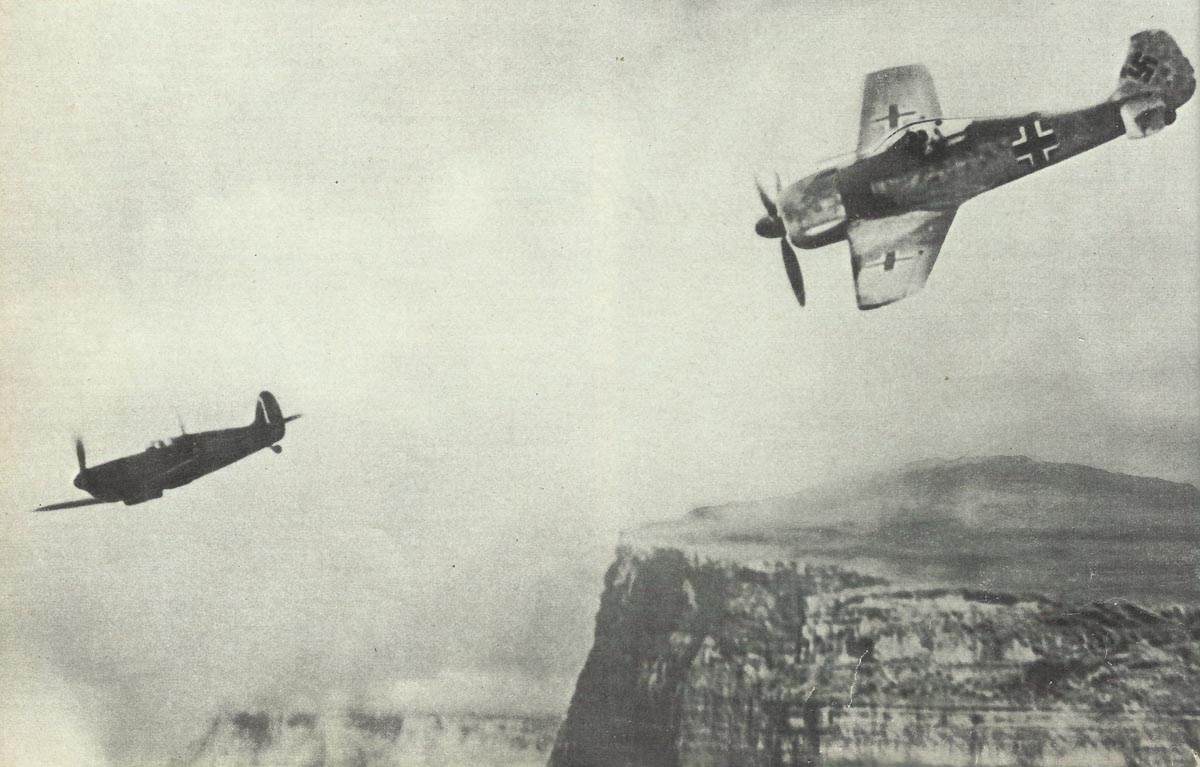
Aircraft from different nations clashed in dogfights, escort missions, and ground attacks across Europe and the Pacific. The effectiveness of these planes often came down to how many enemy aircraft they destroyed compared to how many they lost in combat.

Kill-to-loss ratios give us a pretty clear way to see which fighter planes were most effective during World War II. This metric shows how many enemy aircraft a plane shot down for every one it lost.
Pilot skill, tactics, and the battle environment all played a role in these numbers. Some fighters racked up incredible ratios that tipped the balance of air superiority for their countries.

This article digs into the top World War II fighter planes based on their kill-to-loss records. Aircraft from the United States, Germany, Britain, the Soviet Union, and Japan all make the list.
You’ll see both legendary names and a few lesser-known fighters that turned out to be surprisingly effective in combat.
Grumman F6F Hellcat – impressive 19:1 kill ratio
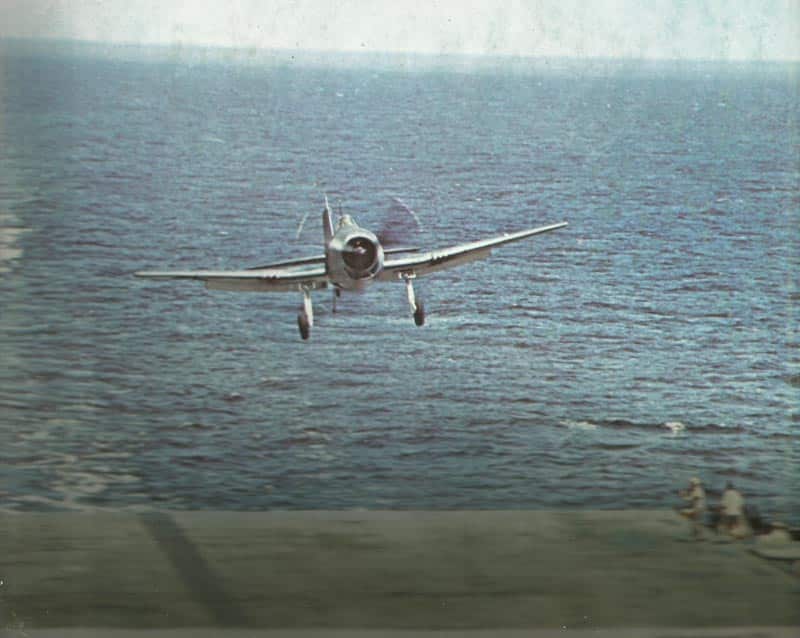
The Grumman F6F Hellcat became the U.S. Navy’s main carrier-based fighter for the second half of World War II. It replaced the F4F Wildcat and was built to counter the Japanese Mitsubishi A6M Zero.
Navy and Marine Corps pilots flew 66,530 combat sorties in the Hellcat. They claimed 5,163 aerial victories and lost 270 Hellcats in air-to-air combat, which gave the Hellcat a kill ratio of 19:1—the highest of any Navy fighter in the war.
The Hellcat was responsible for 56 percent of all U.S. Navy and Marine air victories during World War II. Most Japanese aircraft shot down by carrier-based fighters fell to F6F pilots.
The aircraft traded some agility for better speed, firepower, armor, and survivability. These features made it a great fit for American carrier operations.
It outperformed the Japanese Zero in almost every way except low-speed turning. Commander David McCampbell, the Navy’s top ace, scored all 34 of his victories in the F6F.
The Hellcat dominated Pacific air combat from 1943 through 1945. Its impact was huge.
North American P-51 Mustang – kill ratio around 11:1
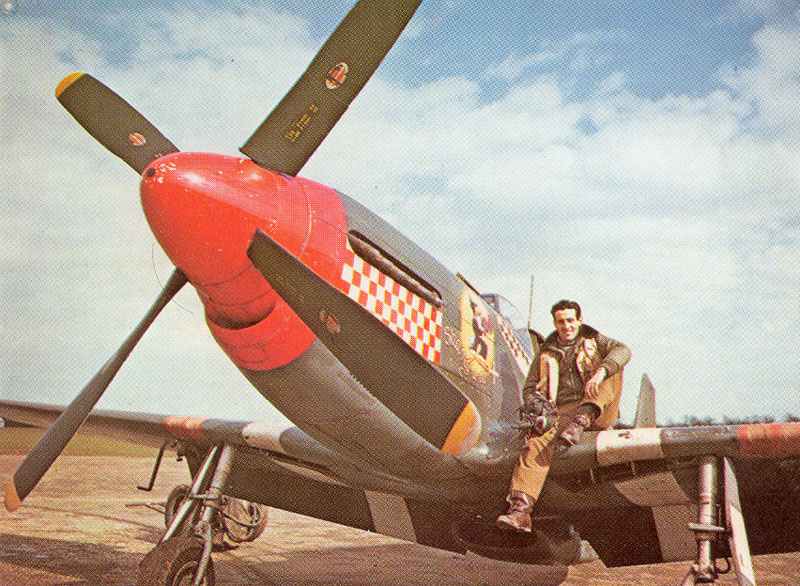
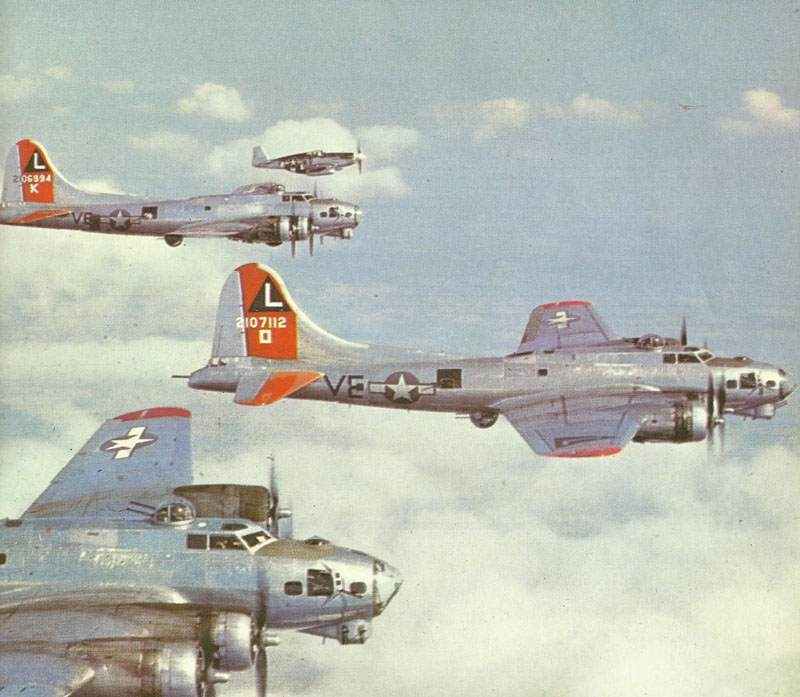
The North American P-51 Mustang stands out as one of the most effective American fighter planes of World War II. This single-seat, single-engine aircraft served as a long-range escort and a fighter-bomber.
P-51 pilots claimed 5,599 enemy aircraft destroyed in combat. The Mustang achieved a kill ratio of about 11:1 in the European theater.
Some sources put its air-to-air kills at over 4,950. The plane was originally designed for the British RAF before the U.S. Army Air Forces picked it up.
Its long range made it perfect for escorting bombers deep into enemy territory. The P-51’s speed, range, and maneuverability gave Allied pilots a real edge.
The Mustang’s high kill ratio helped establish Allied air superiority in Europe. It also saw action in the Pacific and even served in the Korean War.
Messerschmitt Bf 109 – highest kills among Axis fighters with 19:1
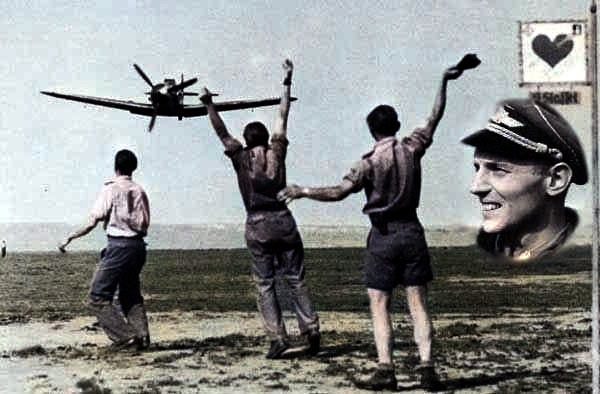
The Messerschmitt Bf 109 was the most successful Axis fighter of World War II in terms of total kills. This German aircraft claimed more aerial victories than any other fighter in history.
Bf 109 pilots destroyed nearly 15,000 enemy aircraft during the war. Over 100 pilots flying the Bf 109 reached at least 200 confirmed kills each, and two even surpassed 300.
Major Erich Hartmann, the highest-scoring ace ever, flew the Bf 109 exclusively and racked up 352 kills. The aircraft served as the backbone of the Luftwaffe’s fighter force, alongside the Fw 190.
Its kill-to-loss ratio reached around 19:1 before 1944, though some sources claim it was as high as 21:1. The Bf 109 saw action on multiple fronts and was produced in huge numbers.
The “Gustav” variant became the most-produced version of the fighter. Its adaptability and steady production made it a reliable workhorse for German pilots.
Vought F4U Corsair
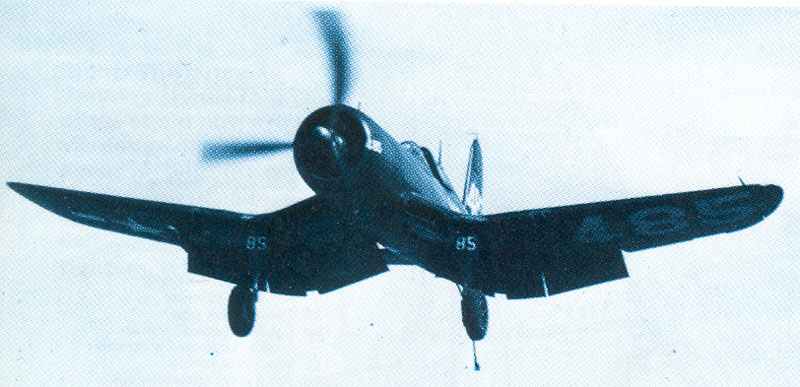
The Vought F4U Corsair was an American fighter that served in both World War II and the Korean War. Designed by Chance Vought, it became one of the Pacific theater’s most effective fighters.
The Corsair scored a kill-to-loss ratio of 11:1 during World War II. F4U pilots claimed 2,140 aerial victories, losing just 189 aircraft in air-to-air combat.
Its inverted gull-wing design allowed room for a big propeller and a powerful Pratt & Whitney R-2800 engine. Demand for the Corsair was so high that Goodyear and Brewster also built them to keep up.
By 1952, 12,521 Corsairs had rolled off the line in 18 different models. The plane kept proving its worth after WWII, flying more close air support missions in Korea than any other aircraft type.
Supermarine Spitfire – iconic British fighter with strong kill ratio
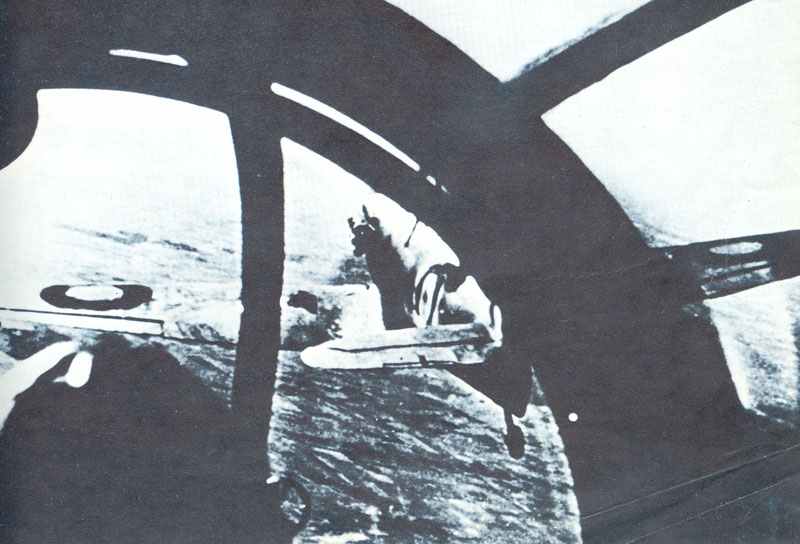
The Supermarine Spitfire was a British single-seat fighter flown by the Royal Air Force throughout World War II. Designed by Reginald Mitchell, it first flew in 1936 and quickly became a key player for Britain.
The Spitfire became famous during the Battle of Britain (1940–41), working alongside the Hawker Hurricane to defend against German air attacks. Pilots loved the Spitfire for its speed and quick-turning agility.
The plane’s design gave it an edge in dogfights. Its strong kill ratio came from both the aircraft itself and the skill of RAF pilots.
The Spitfire was made in more variants than any other British aircraft. It served everywhere—from Europe to the Pacific.
Spitfires racked up about 5,988 kills and kept an impressive combined kill ratio of 13:1. Production continued throughout the war, and the plane stayed in service even after the fighting stopped.
The Supermarine factory in Southampton started the manufacturing run. The Spitfire ended up as one of the most widely produced British planes of the conflict.
Mitsubishi A6M Zero – formidable Japanese fighter with high kills
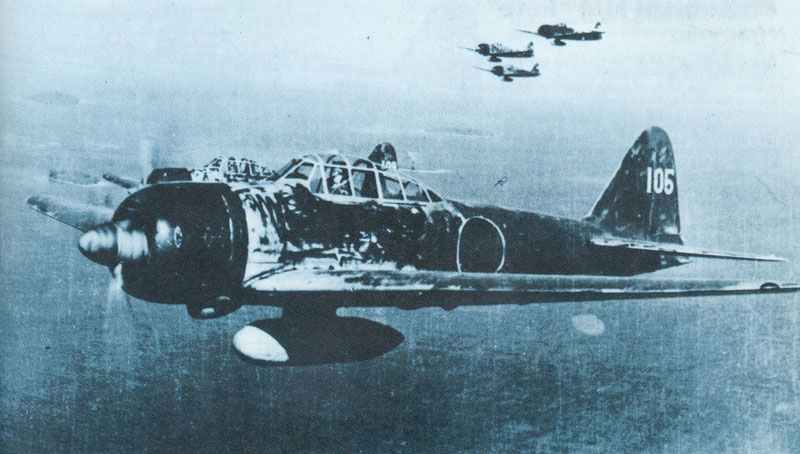
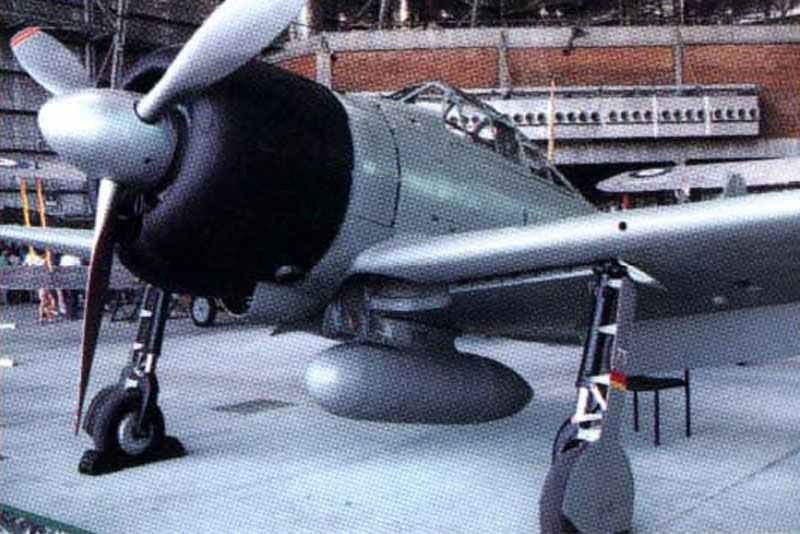
The Mitsubishi A6M Zero dominated the skies early in World War II. Designed by Jiro Horikoshi, it entered Japanese Navy service in 1940 and outperformed most Allied fighters at first.
The Zero’s real strength was its maneuverability and long range. It was the first carrier-based fighter that could beat land-based opponents in combat.
When Japanese forces attacked across the Pacific in December 1941, the Zero led the way. Allied pilots were stunned by how good it was—Western experts had underestimated Japan’s fighter technology.
The aircraft remained a deadly threat through 1942 and early 1943. Highly trained Japanese pilots scored impressive kill ratios against Allied planes.
Eventually, newer American fighters like the F6F Hellcat surpassed the Zero. The Japanese Navy kept using the aircraft until 1945, but by then it was really starting to show its age.
Republic P-47 Thunderbolt – durable US fighter-bomber
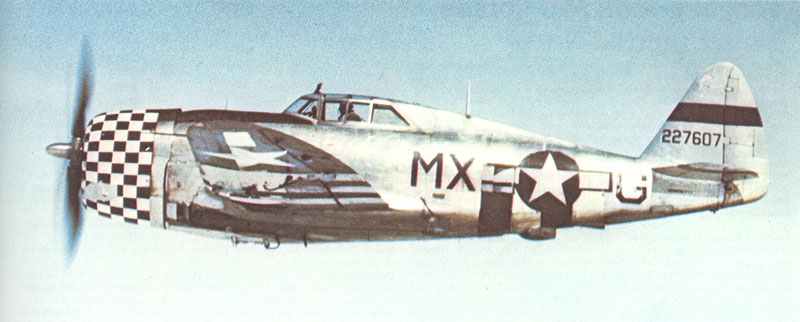
The Republic P-47 Thunderbolt entered service in 1941 as one of the biggest single-engine fighters of World War II. Republic Aviation built it around the powerful Pratt & Whitney R-2800 engine.
This beast weighed over 17,500 pounds fully loaded. Pilots called it the “Jug” because of its chunky, barrel-shaped fuselage.
The P-47 packed eight .50-caliber machine guns in its wings, giving it more firepower than most Allied fighters. It could also haul up to 3,000 pounds of bombs for ground attack missions.
The plane was extremely tough in combat. Its rugged build let it take heavy damage and still get pilots home safely.
America’s top ace in Europe, Francis Gabreski, flew the P-47 and shot down 28 enemy aircraft. The Thunderbolt served in both the European and Pacific theaters, and the RAF and other Allies flew it as well.
However, according to US Air Force calculations, 3,077 Thunderbolts were lost in Europe, whilst they achieved 3,082 aerial victories. This results in a kill ratio of only about 1:1. However, they destroyed a further 3,202 aircraft on the ground.
Yak-3 – Soviet fighter with impressive kill efficiency
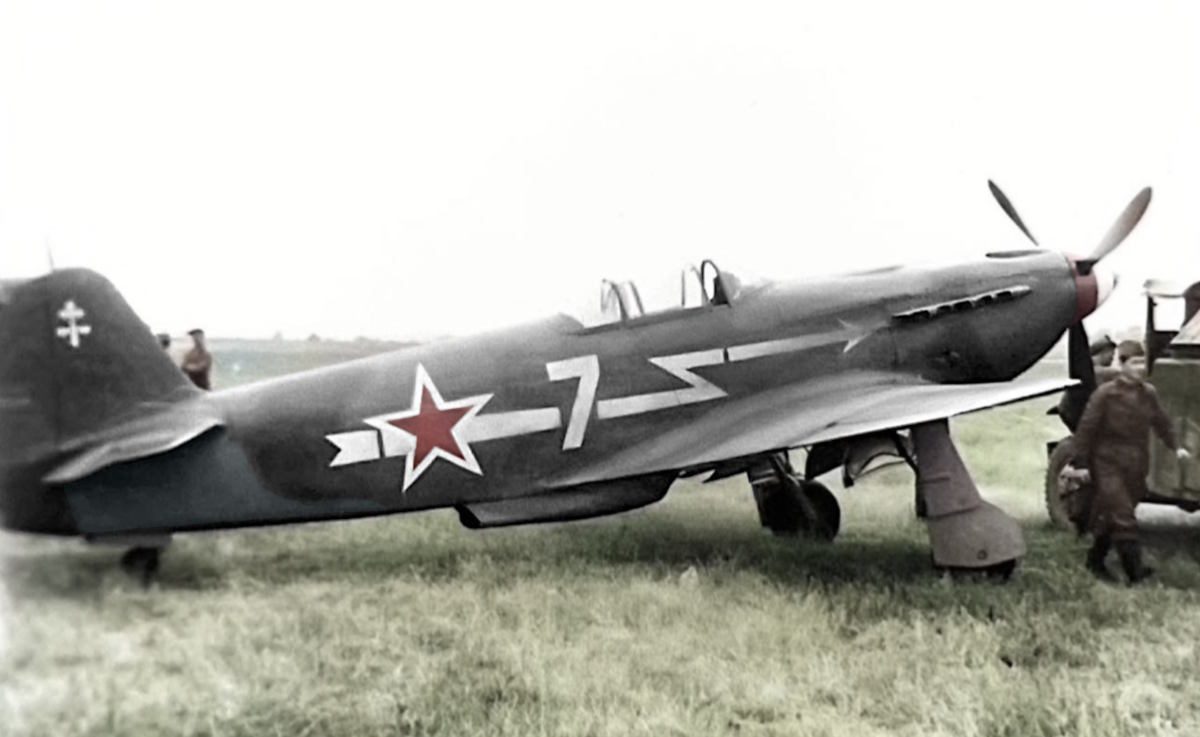
The Yak-3 performed best below 16,000 feet, where it could out-turn almost any opponent. Its lightweight build and strong engine gave it an excellent power-to-weight ratio.
On July 14, 1944, 18 Yak-3s ran into 30 Luftwaffe fighters. The Soviet pilots shot down 15 German aircraft and lost only one Yak-3 in the process.
This battle really showed what the Yak-3 could do. The Luftwaffe even ordered its pilots to avoid fighting Yakovlev fighters below 5,000 meters after that.
Pilots and ground crews liked the Yak-3 because it was easy to maintain. Some factories could assemble them in just nine days, so the Soviets got them into combat fast—definitely a big help on the Eastern Front.
Estimated kill ratio of ~5:1 (Late war).
Focke-Wulf Fw 190 – German workhorse with solid kill ratio
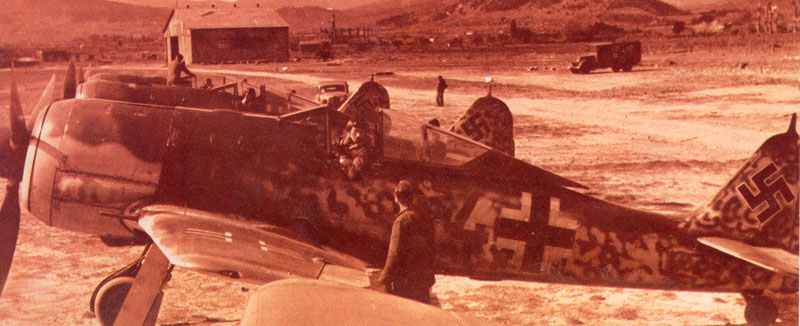
The Focke-Wulf Fw 190 joined the German Luftwaffe in 1941. Designer Kurt Tank built a fighter that balanced speed, power, and handling.
When it showed up over France in autumn 1941, Allied pilots were caught off guard by its performance. The aircraft ran on a radial engine, which was a bit unusual for European fighters then.
This single-seat, single-engine plane could hit 408 mph. Its rugged, reliable design held up well in combat.
The Fw 190 filled several roles during the war. It worked as a fighter, ground-attack aircraft, and fighter-bomber.
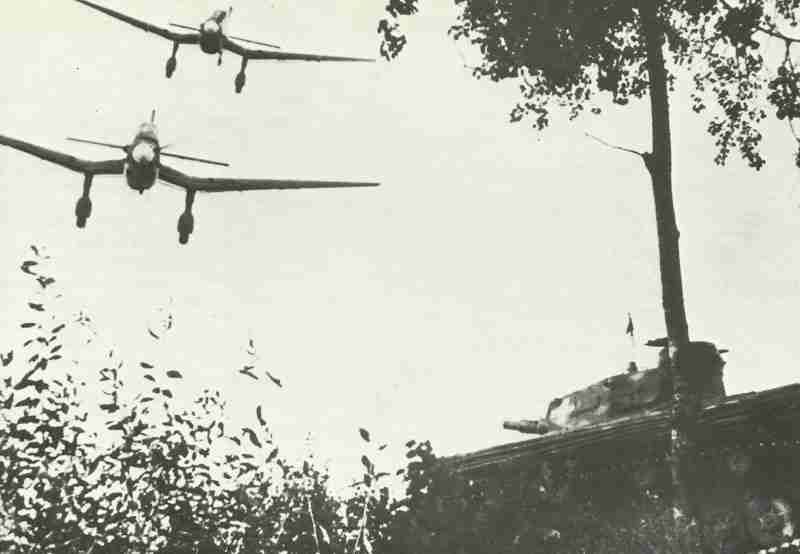
By 1943, it had replaced the Ju 87 in many ground attack units. Production topped 13,000 aircraft before the war ended.
The plane became a backbone of German tactical air operations. Its performance let German pilots go toe-to-toe with Allied fighters for much of the conflict.
The Fw 190’s mix of firepower, armor, and flight characteristics made it a tough opponent. It kept a competitive kill ratio against Allied aircraft throughout its service.
Estimated Kill Ratio 1.5:1 to 2:1.
Lavochkin La-5
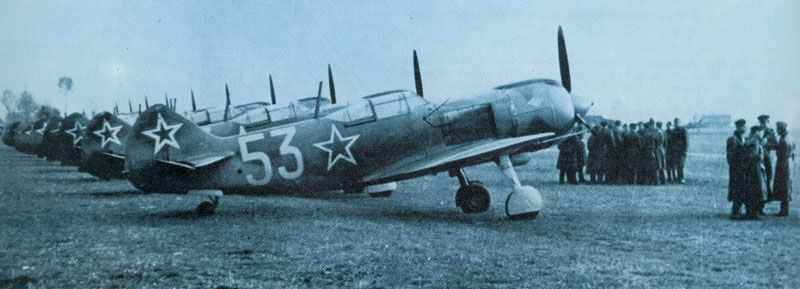
The Lavochkin La-5 became one of the Soviet Union’s top fighters in World War II. Developed in 1942, it improved on the LaGG-3 by swapping the weak inline engine for the powerful Shvetsov ASh-82 radial.
The La-5FN variant used a fuel-injected engine with 1,850 horsepower. That gave it a fighting chance against German Bf 109G and Fw 190A fighters below 20,000 feet.
The plane went into production in August 1942 and made an impact quickly. It carried much of the Soviet air campaign through 1943 and early 1944.
Nearly half of the Soviet Union’s highest-scoring pilots flew Lavochkin fighters during the war. The La-5 took heavy losses, but it managed a favorable kill-to-loss ratio against the Luftwaffe.
Soviet factories built 9,920 La-5s by the war’s end. The design’s success saved Lavochkin’s bureau from being shut down and led to the even better La-7.
- Overall Air-to-Air Kill Ratio: Estimated between 1.5:1 and 2.5:1 across the entire war.
- La-5FN Specific Ratio: Often cited as high as 3:1 or 4:1 in the hands of experienced pilots during 1943–1944.
Brewster F2A Buffalo – the surprising top-scorer with air-to-kill ratio of 26 to 1!
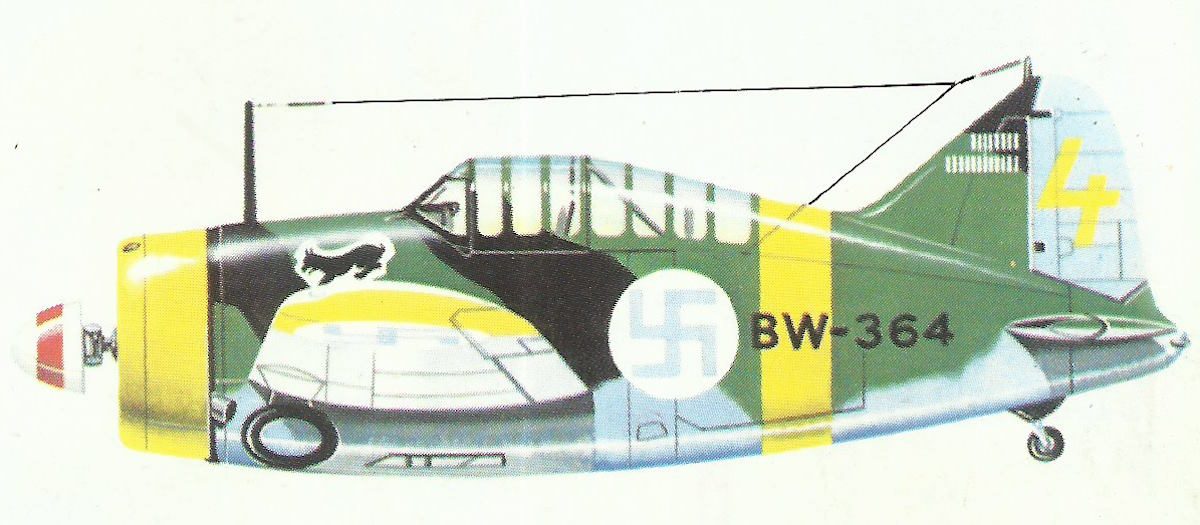
The Brewster F2A Buffalo was an early American fighter in World War II. It was one of the first U.S. monoplanes made for carriers and had an arrestor hook for naval use.
The Buffalo’s impressive 26:1 kill ratio came mostly from Finnish service. Between 1941 and 1945, Finnish pilots flying Buffalos claimed 477 Soviet planes destroyed, while losing only 19 of their own in combat.
This made it one of the most effective fighters in Finnish hands. Finnish pilots used the Buffalo’s long range and endurance to their advantage.
The plane fit Finland’s specific needs and flying conditions. In other places, though, the Buffalo struggled.
American and British pilots found it outclassed by Japanese planes in the Pacific. That contrast shows how much tactics, pilots, and local conditions matter for aircraft performance.
Curtiss P‑40 Warhawk – 18 kills for every loss in air combat
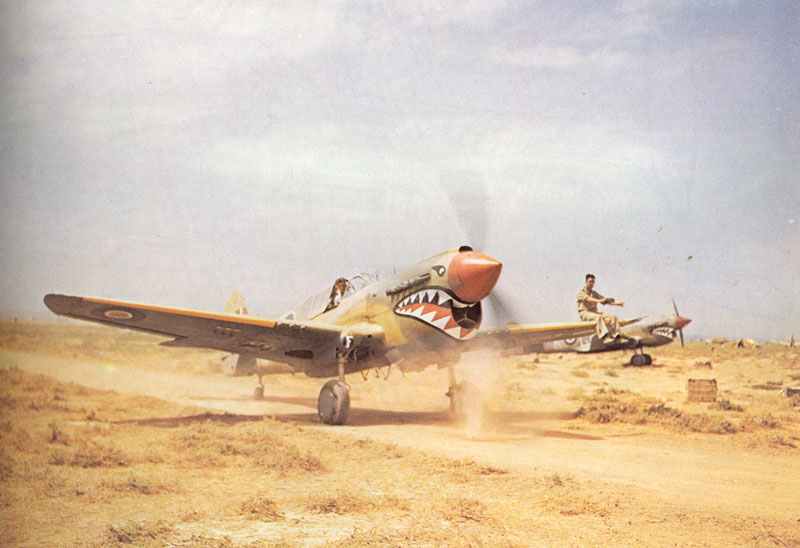
The Curtiss P-40 Warhawk first flew in 1938 and became a key American fighter during World War II. It wasn’t the fastest or most advanced, but it was there when the Allies needed it.
Pilots did well with the P-40 when they played to its strengths. It excelled at diving attacks and hit-and-run tactics.
In the Pacific, American pilots flying P-40s shot down 49 Japanese planes while losing 17 of their own. Chinese and American units in the China-Burma-India theater racked up hundreds of victories.
During a seven-month stretch in 1943, pilots claimed 133 enemy aircraft destroyed and lost just 17 Warhawks in air combat. The P-40 served with air forces from 28 countries during the war.
More than 13,700 were built between 1939 and 1944. Across all theaters, the P-40 achieved an 18 to 1 kill-to-loss ratio, making it one of the war’s most successful fighters.
P-38 Lightning – kill ratio is 7:1
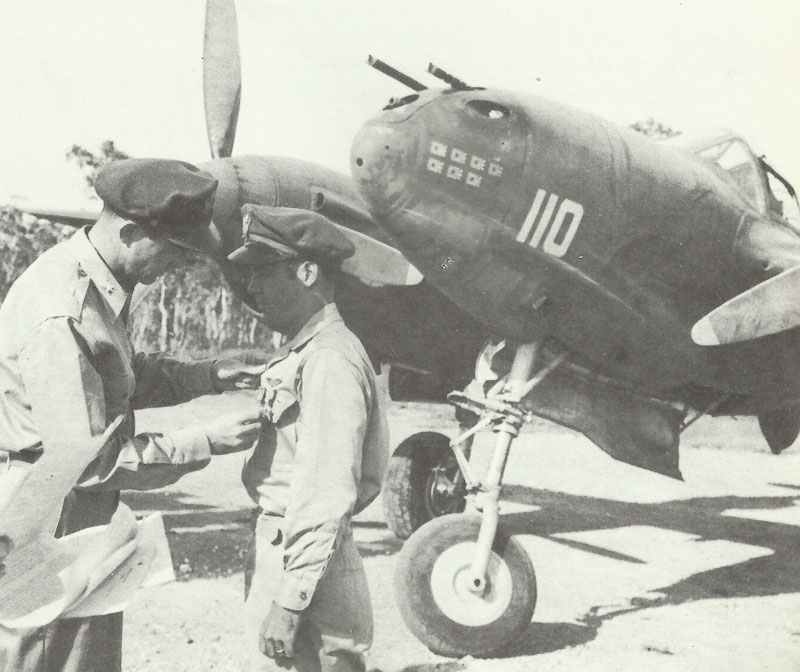
The Lockheed P-38 Lightning was an American fighter with a very distinctive twin-boom design. It had two engines on separate booms, with the cockpit and weapons in the center.
This fighter saw action in several theaters during the war. The plane’s looks made it easy to spot, but it packed a punch with its firepower.
The P-38 racked up about 3,785 enemy aircraft kills. It held a kill-to-loss ratio of 7:1—seven enemy aircraft downed for every Lightning lost.
Pilots liked its speed, range, and heavy armament. The twin engines gave extra safety, since you could limp home even if one failed.
Messerschmitt Me 262
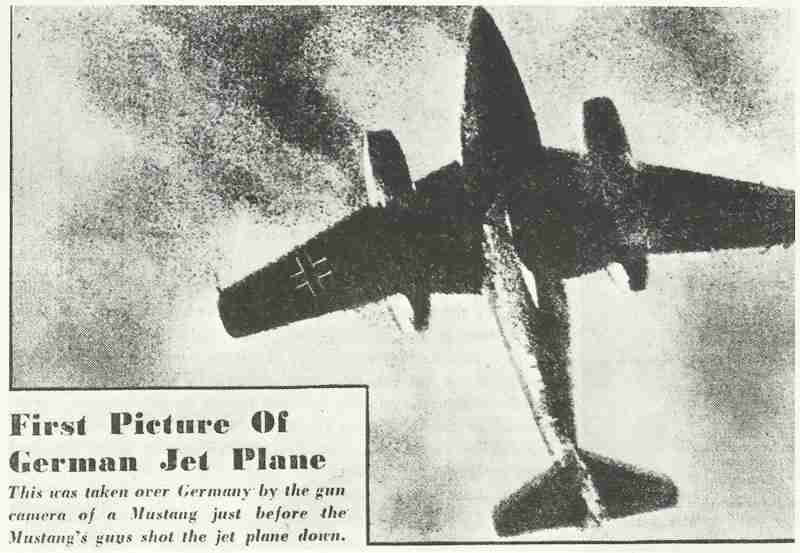
The Messerschmitt Me 262 was the first operational jet fighter in the world. It entered combat in 1944 and could fly much faster than any Allied plane at the time.
Despite its advanced technology, the Me 262 struggled with its kill-to-loss ratio. Allied fighters shot down around 125 German jets during the war, most of them Me 262s.
The American 8th Fighter Command alone claimed about 110 air-to-air victories against Me 262s. In return, the jets managed only limited success against Allied forces.
One jet unit, JG 7, claimed 450 Allied aircraft destroyed, but that number seems pretty inflated. Allied fighter losses to Me 262s were relatively small, with only 12-15 confirmed American fighter losses in air combat.
The Me 262 faced a lot of problems. Its engines were fragile and slow to reach full power.
Allied pilots figured out how to attack Me 262s during takeoff and landing, when they were most vulnerable. Heavy anti-aircraft guns protected German airfields, but that couldn’t make up for the jet’s operational weaknesses.
Understanding Kill-to-Loss Ratios in WW2 Aerial Combat
Kill-to-loss ratios show how many enemy aircraft a fighter destroyed compared to how many of its own side were lost. These numbers help us see which planes gave their pilots the best shot at surviving and winning air battles.
Definition and Calculation
A kill-to-loss ratio is simple math: divide the number of enemy planes destroyed by the number of your own lost. For example, if a fighter shot down 100 enemy planes and lost 20, that’s a 5:1 ratio.
Getting accurate ratios is tricky. Both sides often claimed more kills than actually happened in the chaos of battle.
Sometimes multiple pilots fired at the same plane and each called it their kill. Ground crews and intelligence officers tried to verify claims with gun camera footage, wreckage, and witness reports.
Many combat records went missing or got destroyed during the war. Some countries kept better records than others, so it’s tough to compare directly.
Factors Influencing Kill-to-Loss Ratios
Aircraft performance played a huge role in these ratios. Speed, climb rate, firepower, and maneuverability all mattered—a lot. Planes with better engines and weapons gave pilots a clear edge.
Mission type changed things too. Fighters escorting bombers had different risks than those on ground attack runs. Bombers drew more enemy fighters, while ground attack meant more anti-aircraft fire.
Key factors included:
- Aircraft technical capabilities
- Mission assignments
- Theater of operations
- Enemy opposition strength
- Maintenance and supply quality
When and where a plane served made a big difference. Early war aircraft sometimes faced less experienced enemies. The European theater saw some of the most intense air combat, especially compared to the Pacific after 1942.
Pilot Training and Tactical Doctrine
Pilot training programs varied a lot between countries and changed as the war dragged on. American pilots usually got 200-400 hours of flight time before combat.
By 1944, German training hours dropped to under 100 as resources ran out. Most victories came from a small group of experienced pilots.
Aces—those top pilots—scored the majority of kills in every air force. They just understood their planes, shooting, and tactics better than the average pilot.
Nations took different approaches to combat. Americans liked teamwork and mutual support. Germans leaned on individual skill and bold flying.
Japanese training early in the war mixed technical skills with spiritual determination, but quality dropped as they lost their best instructors.
Impact of Fighter-Plane Performance on Air Superiority
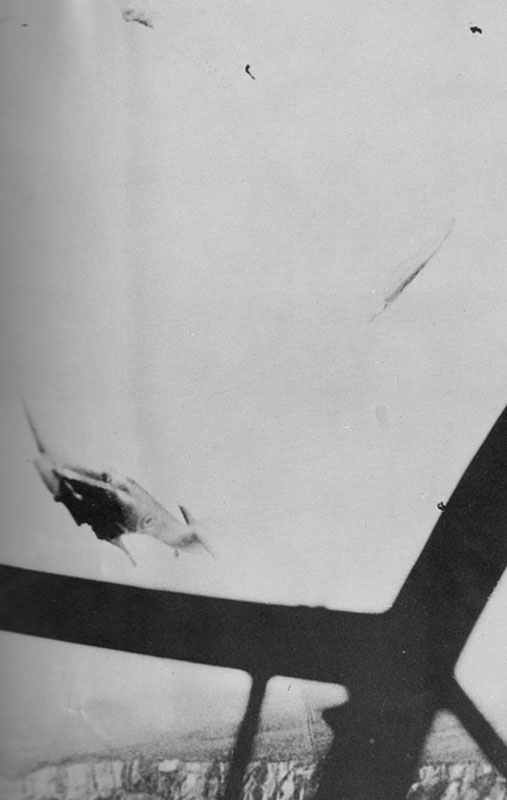
Fighter-plane performance was a huge factor in who controlled the skies during World War II. Speed, firepower, and maneuverability gave pilots the tools to dominate the enemy and protect key operations.
Technological Advancements
Engine power made the biggest leap in fighter performance. Planes with stronger engines could climb faster, fly higher, and run away from trouble.
Early war fighters had about 1,000 horsepower. By 1944, some had more than 2,000. That changed what air combat looked like.
Weapons improved fast too. Early fighters had rifle-caliber guns, but later ones packed heavy cannons and multiple .50 caliber machine guns.
The F4U Corsair’s six .50 caliber guns played a big part in its 2,140 kills against just 189 losses. Aerodynamics mattered as well—better wings meant less drag and tighter turns.
Some fighters added drop tanks for longer range or armor plating to protect pilots. All these changes kept pushing the limits.
Role in Shaping WW2 Air Battles
Air superiority meant bombers could hit their targets with fewer losses. Fighter escorts like the P-51 Mustang kept bombers safe deep in enemy territory.
When fighters couldn’t do that, bomber losses shot up. The Battle of Britain showed how fighter performance could change an entire campaign.
German Bf 109s started out faster and more agile than most RAF fighters. But British planes operating near home could land, refuel, and get back in the air quickly. That local edge helped balance out the German performance advantage.
In the Pacific, the F4U Corsair’s kill-to-loss ratio really shifted things. Japanese fighters that once ruled the skies suddenly faced a plane they couldn’t match.
With control of the air, Allied forces could launch bombing raids and amphibious assaults with less risk. That kind of edge just can’t be overstated.
Frequently Asked Questions
Understanding kill-to-loss ratios means digging into aircraft performance, technology, and tactics that shaped how effective fighters really were in World War II. The best fighters got their records through a mix of great engineering, skilled pilots, and smart deployment.
What were the kill-to-loss ratios of the top performing WWII fighter aircraft?
The Grumman F6F Hellcat posted the highest kill-to-loss ratio at about 19:1—topping the charts for World War II fighters. The North American P-51 Mustang came in around 11:1, especially in later models with better engines and guns.
The Vought F4U Corsair also had an impressive ratio, though numbers changed depending on where it fought. The Supermarine Spitfire stayed strong throughout the war, with ratios getting better as new versions arrived.
The Messerschmitt Bf 109 had the highest total kills among Axis fighters, but its ratio was lower due to heavy losses later in the war across different fronts. This was due to poorly trained pilots and a significant numerical disadvantage.
How does the F6F Hellcat’s kill-to-loss statistic compare to other WWII fighters?
The F6F Hellcat’s 19:1 ratio is the best of any major World War II fighter. That’s almost double the P-51 Mustang’s already strong 11:1 ratio.
The Hellcat set this record mostly in the Pacific against Japanese planes. Its tough build, powerful engine, and heavy guns gave it a real edge in dogfights.
It was also pretty forgiving to fly, which helped less experienced pilots survive and get results in combat.
Which factors contributed to the P-51 Mustang achieving its kill-to-loss ratio?
The P-51 Mustang’s long range let it escort bombers deep into enemy territory, where it could take on German fighters far from their bases. Its Rolls-Royce Merlin engine gave it great high-altitude performance.
The Mustang’s speed and agility let pilots fight on their own terms. Six .50 caliber machine guns packed serious punch.
American pilots usually had better training and tactical support than many Axis pilots, especially late in the war.
What technological advantages did the Me 262 have that affected its combat performance?
The Me 262 was the first operational jet fighter. That alone gave it a huge speed advantage over every propeller-driven plane in the sky.
It could reach about 540 mph, which made it nearly 100 mph faster than most Allied fighters. That kind of gap was a game-changer at the time.
The Me 262 packed four 30mm cannons that could tear apart bombers with just a short burst. Still, its engines were unreliable, fuel ran out fast, and pilots struggled with tricky handling.
Allied pilots caught on and started going after Me 262s when they were taking off or landing—honestly, that was when they stood a real chance.
Can WWII fighter kill-to-loss ratios be directly compared to those of modern aircraft like the F-15 or F-22?
Comparing WWII and modern fighter kill ratios doesn’t really work. The differences in technology and how wars are fought are just too big.
Modern jets like the F-15 and F-22 fight at much longer ranges, using radar and missiles. Back in WWII, pilots mostly fought up close, where you could actually see your opponent.
Modern air combat happens less often, and usually against opponents using outdated planes. Meanwhile, WWII kill ratios came from years of brutal, nonstop fighting.
How did different air combat tactics influence kill-to-loss ratios among WWII fighter planes?
Tactical doctrine shaped kill-to-loss ratios for every air force. American pilots leaned on the “boom and zoom” tactic, diving from altitude to attack and then climbing away fast.
This approach really played to the strengths of aircraft like the P-51 and F6F. German pilots, at least early on, used the finger-four formation, which gave them better mutual support than the old-school setups.
Japanese pilots started out flying in tight formations. That limited their maneuverability but let them focus their firepower.
Over time, as the Axis lost experienced pilots, their tactical edge faded. Fighters with the advantage of numbers or solid intelligence usually came out ahead.
Honestly, altitude management and keeping up your energy in a fight made a huge difference. If you were stuck fighting outnumbered or always on defense, your odds just weren’t as good.