
Messerschmitt P.1101, Junkers EF 130, Focke-Wulf Triebflügel, Blohm&Voss Ae 607 und P. 208, Lippisch DM.1 and Daimler-Benz A bis F.
Germany really broke new ground in jet-powered aviation during World War II, coming up with aircraft designs that would leave a mark on aviation for years. The Luftwaffe managed to get operational jets like the Messerschmitt Me 262 into the sky, but a whole bunch of experimental projects never made it past the prototype stage before the war ended.

These ambitious German jet aircraft projects—think the variable-sweep Messerschmitt P.1101, the wild Focke-Wulf Triebflügel, and plenty of others—were pushing the limits of what anyone thought possible in aerodynamics and engineering.
The Nazi aviation industry churned out dozens of experimental jet concepts between 1939 and 1945. Some were pretty standard fighters, but others went off in totally new directions—think the Junkers EF 130, Blohm & Voss Ae 607, and Lippisch DM 1.

These designs played with swept wings, oddball tail arrangements, and engines that would take years to show up in planes from other countries. The Germans were definitely ahead of the curve.
German Jet Aircraft Development in World War II
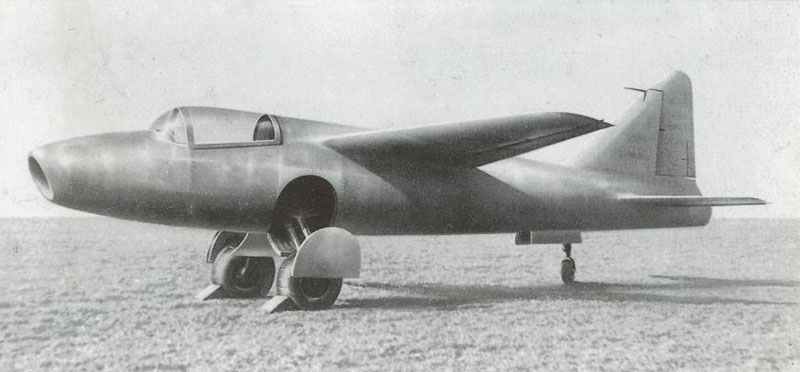
Germany’s jet aircraft development during the war came out of a mix of top-notch engineering and, let’s be honest, some pretty desperate military needs. The German Air Ministry kept things moving, while companies like Messerschmitt, Junkers, and Heinkel dove into jet engine tech that would change aviation for good.
Rise of Jet-Powered Aircraft in Nazi Germany
German engineers led the world in jet propulsion during the 1930s and 1940s. Hans von Ohain, working with Heinkel in Rostock, created the first operational jet engine.
The Heinkel He 178 actually flew in 1939, becoming the first jet-powered aircraft ever. That was a huge deal—it proved jets could work for military planes.
Even though the Treaty of Versailles banned Germany from having an air force, they kept building aircraft in secret. Early in the war, German manufacturers made real progress with jet engines.
Key Early Developments:
- First operational jet engine (von Ohain, 1939)
- He 178 first flight (August 27, 1939)
- Secret development programs in the 1930s
The Messerschmitt Me 262 hit combat in 1944 as the first operational jet fighter. It could reach 540 mph, leaving Allied piston-engine fighters in the dust.
Germany’s engineers gave them a real edge in jet tech. Their axial-flow engines basically set the standard for modern jet propulsion.
Role of the German Air Ministry in Jet Development
The German Air Ministry really drove the jet aircraft programs. They set the requirements, managed the competition between manufacturers, and kept everyone on their toes.
The Ministry pushed all the big engine makers—BMW, Junkers, Heinkel—to get into jet research. Government support kept their projects going.
In 1944, the Ministry kicked off the Emergency Fighter Program, aiming for fast production of jet fighters using whatever materials and workers they could find.
Ministry Priorities:

- Speed over conventional aircraft
- High-altitude performance
- Bomber interception
- Resource-efficient production
They set the “3×1000” challenge: build a plane that could carry 1000 kg bombs, fly 1000 km, and hit 1000 km/h. The Horten Ho 229 flying wing was their shot at this.
The Ministry also backed super-secret projects—vertical takeoff, forward-swept wings, pretty much anything that sounded futuristic.
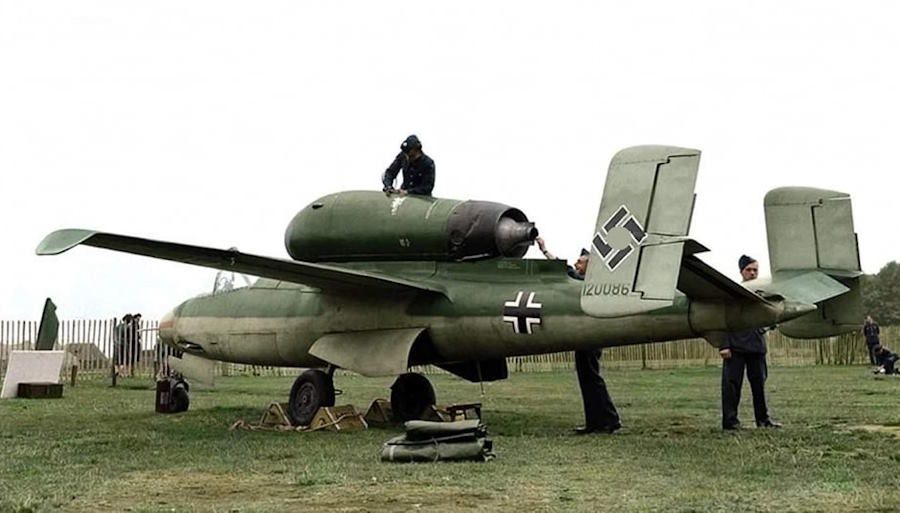
Key German Aircraft Manufacturers and Engineering Innovations
Messerschmitt led the way with the Me 262 and some wild prototypes. Their swept-wing designs turned out to be a big deal worldwide after the war.
Junkers built the Jumo 004 engine, which powered a lot of German jets. They also came up with the Ju 287 bomber, rocking forward-swept wings.
The Ju 287 had to use salvaged parts from damaged planes—wartime shortages and all. Its design later inspired business jets like the HFB 320.
Heinkel was an early mover on jet engines and built the He 162 “Volksjäger” (People’s Fighter), which had the first operational ejection seat in a jet fighter.
Manufacturing Innovations:
- Axial-flow jet engines
- Swept-wing designs
- Tricycle landing gear
- Ejection seats
- Drag chute parachutes
Focke-Wulf designed the Ta 183 with thin swept wings and a pressurized cockpit. It never made it into action, but its ideas showed up later in the Soviet MiG-15.
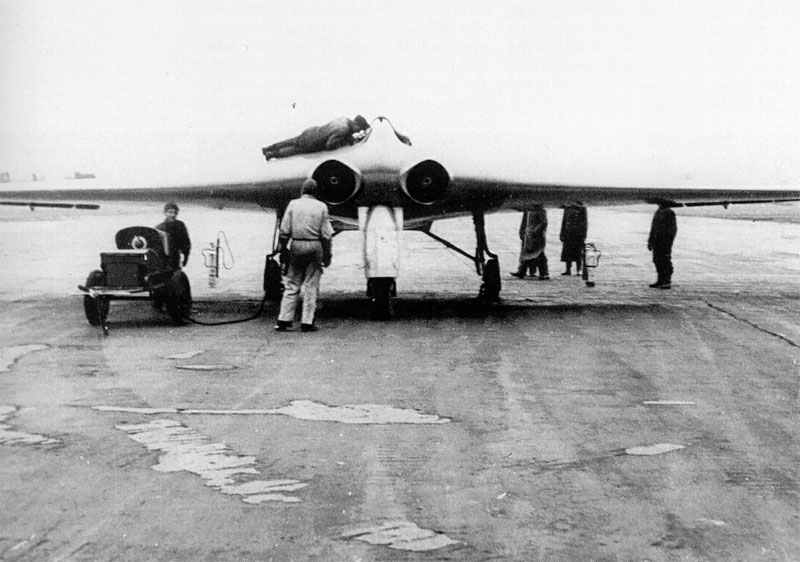
The Horten brothers built the Ho 229 flying wing, aiming for stealth before anyone else thought about it. They ditched vertical surfaces to cut drag and boost speed.
Messerschmitt P.1101: Design, Development, and Influence
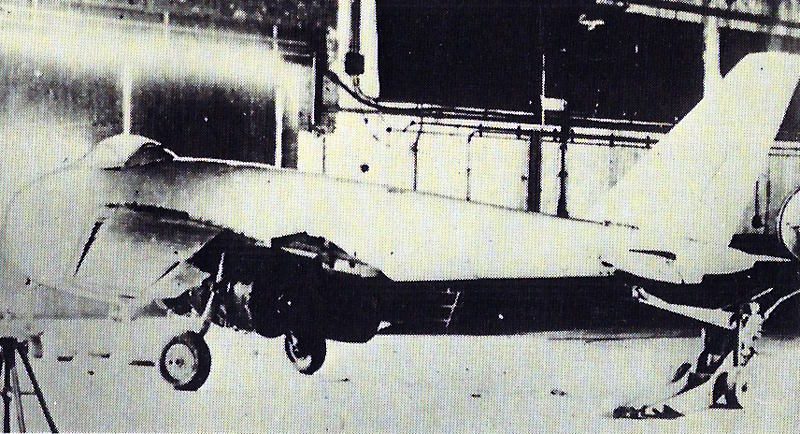
The Messerschmitt P.1101 was Germany’s answer to the Emergency Fighter Program—a swept-wing jet fighter that never got finished but ended up influencing aviation worldwide. It was the first to really pioneer variable sweep-wing tech, and the Americans ran with the idea after the war.
Origins and Objectives of the P.1101 Project
The Air Ministry kicked off the Emergency Fighter Program on July 15, 1944, looking for a next-gen jet fighter to top the Messerschmitt Me 262. They wanted something faster and better, plain and simple.
Messerschmitt put in their P.1101 proposal on July 24, 1944, up against designs from Focke-Wulf, Blohm & Voss, Heinkel, and Junkers. The specs: 590 to 620 mph top speed, pressurized cockpit, the works.
They focused on solving the problems of high-speed flight. Swept wings seemed to help at near-sonic speeds, so Messerschmitt started experimenting with different wing angles in early 1944.
The P.1101 was a single-seat, single-engine jet fighter—meant to use either a Junkers Jumo 004B or the beefier Heinkel HeS 011 turbojet. They wanted it for day fighting, night ops, and reconnaissance.
Technical Features and Armament
This plane was packed with advanced features for its day. It had a sleek duralumin fuselage and a bubble canopy. The wings could be set at 35, 40, or 45 degrees sweep—pretty wild for the time.
Early versions had a V-tail and side air intakes. Later, they switched to a more standard tail and a nose intake. The landing gear tucked into the fuselage.
Armament options changed between versions:
- Two or four 30mm MK 108 cannons
- Optional 55mm MK 112 cannon
- SC 500 bomb capability
- Hs 298 or X-4 air-to-air missiles
The finished version would’ve been 30 feet 1 inch long, wingspan of 27 feet 1 inch. With the HeS 011 engine, they hoped for 612 mph top speed, climbing at 4,370 feet per minute, and a 39,370-foot ceiling.
Prototyping and Project Termination
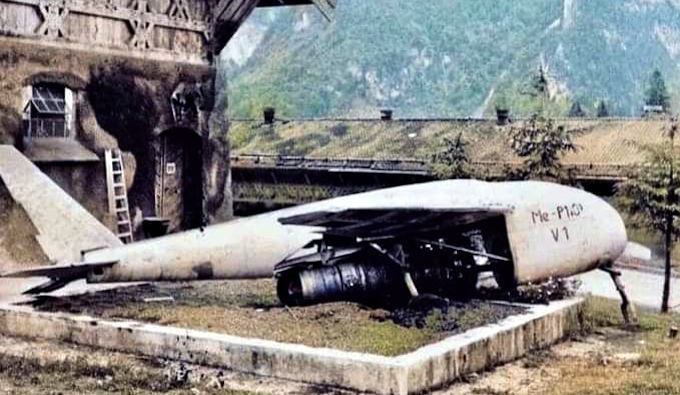
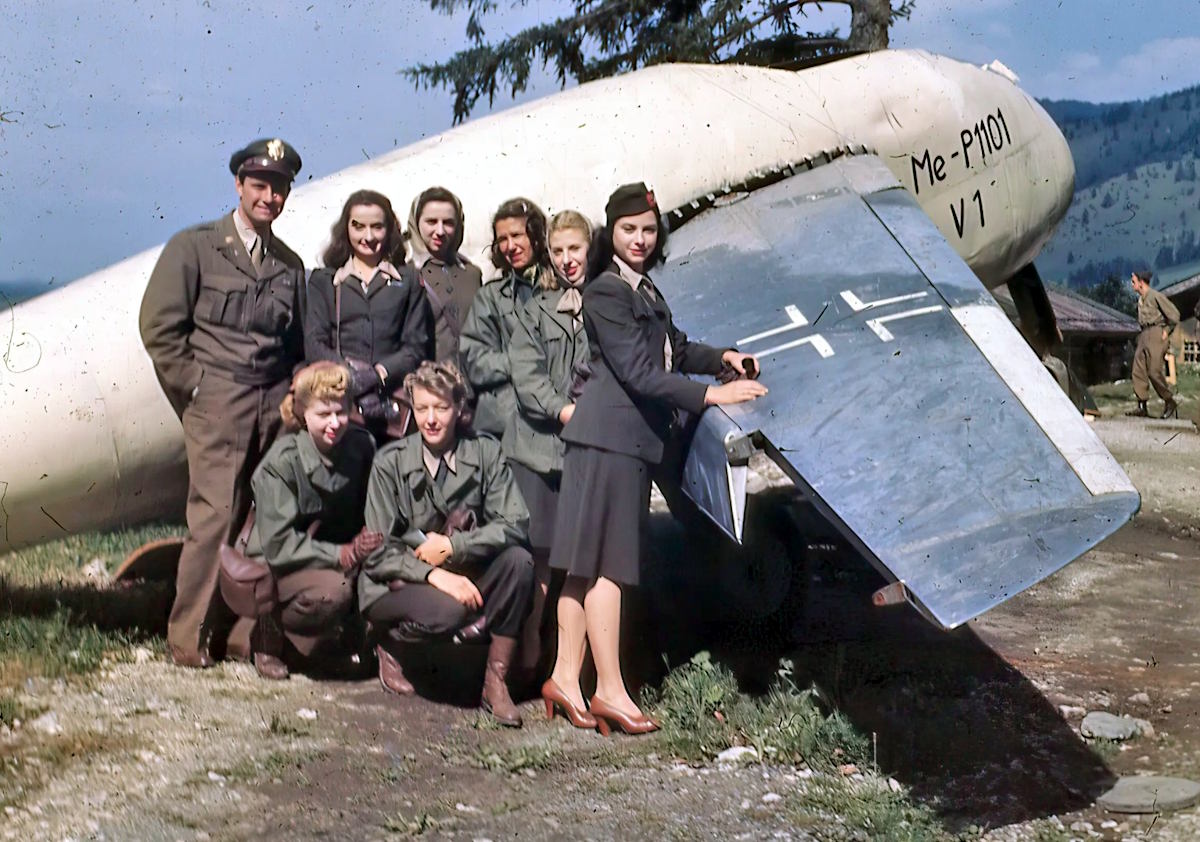
Messerschmitt started building the P.1101 V1 prototype in December 1944 at their underground factory in Oberammergau. They aimed for a first flight in June 1945, working in secret under tough conditions.
By April 1945, the prototype was about 80 percent done, but some key parts were still missing. The wings weren’t fully skinned, and the jet engine casing wasn’t installed yet.
American troops found the half-finished plane on April 29, 1945. The war ended before it could ever fly. The Air Ministry had already picked the Focke-Wulf Ta 183 as the winner back in February 1945.
They shipped the prototype to Wright-Patterson Air Force Base in Ohio, then on to Bell Aircraft’s Buffalo factory in 1948. But honestly, it was too beat up to ever fly or even repair.
Postwar Impact on Global Aviation
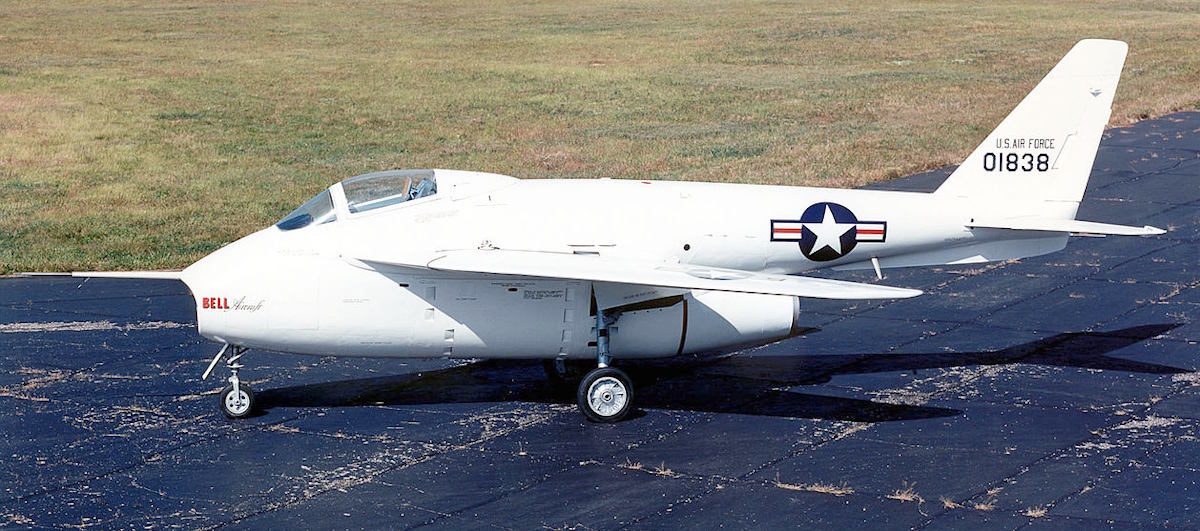
The P.1101 ended up shaping American aircraft after the war. Bell Aircraft used it as the inspiration for their Bell X-5 research jet, which first flew on June 20, 1951.
P.1101’s swept-wing ideas popped up in a bunch of postwar fighters. The F-86 Sabre and MiG-15 both used similar wing designs, and those jets ruled the skies in the Korean War.
Variable sweep-wing tech from the P.1101 made its way into later planes. The Bell X-5 proved you could change wing angles in flight, and that idea showed up in production aircraft like the F-111 and B-1 bomber.
Captured German aerodynamic research, including the P.1101, pushed aviation knowledge forward. Both American and Soviet engineers studied the data and used it to build better jet fighters in the 1950s.
Other Notable German Jet Aircraft Projects
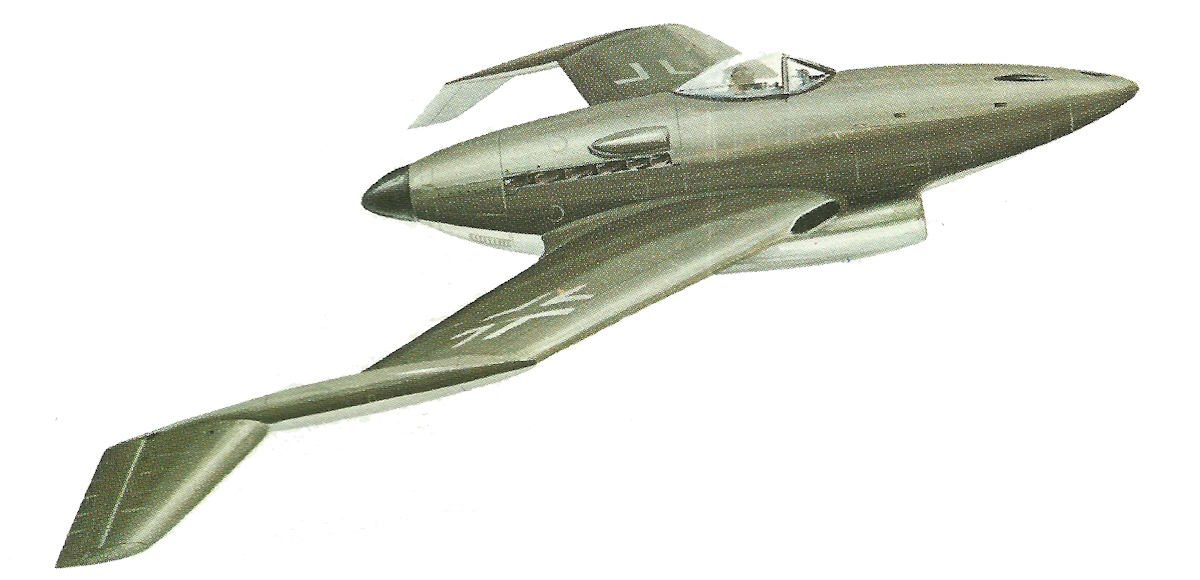
Besides the well-known planes, German engineers came up with some pretty wild ideas—vertical takeoff fighters, flying wings, and unusual engines that seemed straight out of science fiction.
Junkers EF 130: Concept and Design
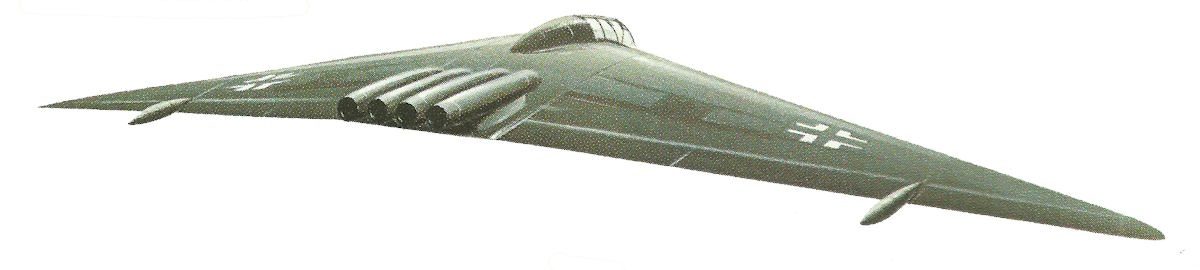
The Junkers EF 130 was one of the boldest jet concepts Germany tried in the last years of the war. They designed it as a high-speed reconnaissance plane with swept wings and a single turbojet in the fuselage.
It had a streamlined look and was supposed to hit over 600 mph at altitude. Pretty ambitious, honestly.
Key Design Features:
- Swept wing configuration
- Single-seat cockpit
- Tricycle landing gear
- All-metal construction
Junkers wanted to use it for photo reconnaissance over enemy territory, counting on speed to dodge interception.
They started development in 1944, but it never got past wind tunnel tests. Material shortages and the collapsing war effort meant the EF 130 never left the drawing board.
Blohm & Voss Ae 607 and P.208: Unconventional Approaches
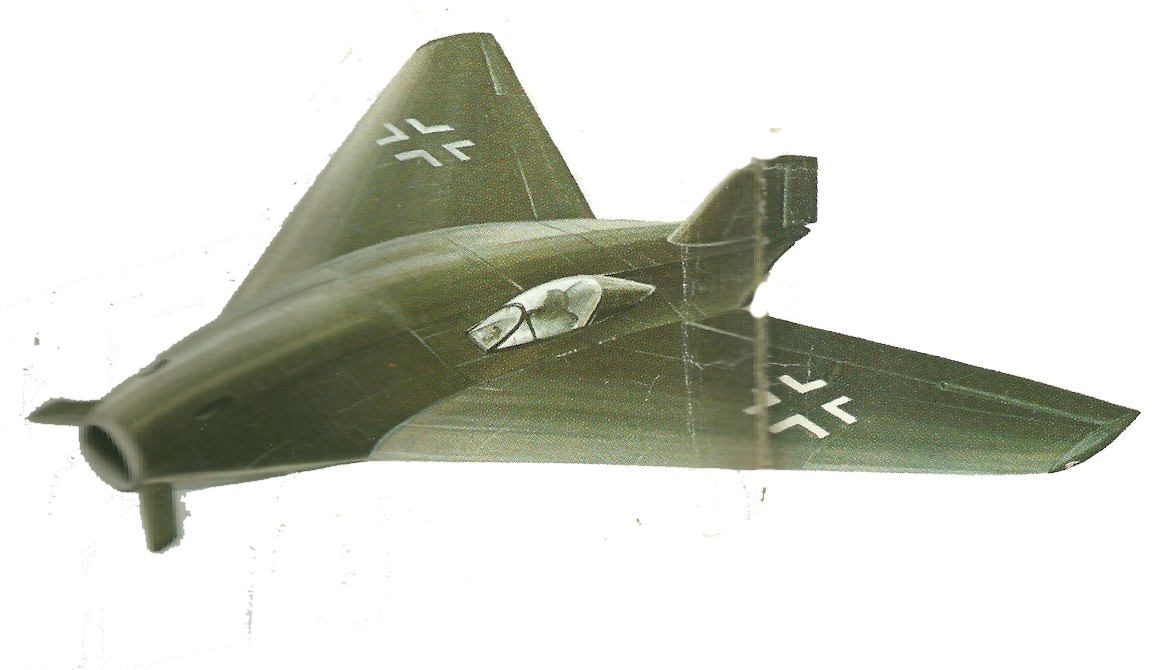
Blohm & Voss came up with two of the strangest jet aircraft concepts of the era. Both the Ae 607 and P.208 were radical attempts to rethink what a fighter could be.
The Ae 607 had a ramjet engine and a really odd fuselage shape. To make room for the propulsion system, engineers shoved the cockpit into a spot that just feels… off, honestly.
The P.208 was even wilder, with its asymmetric look. They put the single jet engine off to one side of the fuselage, which must have made pilots a bit uneasy.
Comparison of Designs:
Aircraft | Engine Type | Configuration | Status |
|---|---|---|---|
Ae 607 | Ramjet | Conventional layout | Paper study |
P.208 | Turbojet | Asymmetric design | Wind tunnel tested |
Neither design made it past the drawing board. The war ended before the engineers had a real shot at solving the wild technical issues.
Focke-Wulf Triebflügel: Vertical Takeoff Innovation
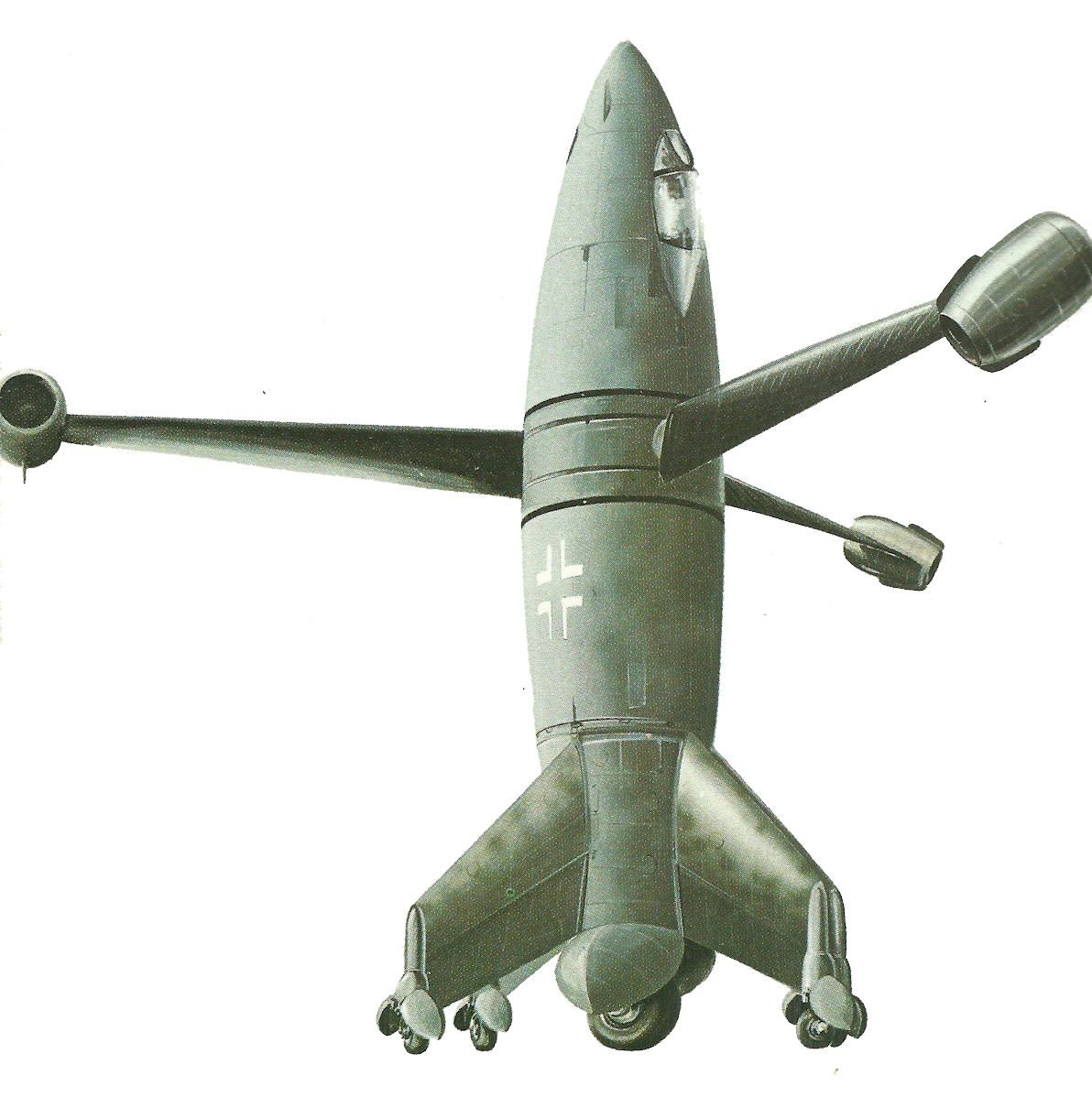
The Focke-Wulf Triebflügel just stands out. This vertical takeoff interceptor didn’t use a normal rotor—three wings spun around the fuselage instead.
Each of those wings had a little ramjet engine stuck on the tip. That setup gave the plane both lift and some serious forward push.
The pilot sat in a cockpit that, thankfully, didn’t spin with the wings. For takeoff, it would just shoot up like a helicopter—sounds terrifying, honestly.
Operating Concept:
- Vertical takeoff using rotating wings
- Transition to horizontal flight
- High-speed interception of enemy bombers
- Vertical landing at base
Engineers said the Triebflügel could hit 600 mph in level flight. It could supposedly operate from tiny clearings, no runway needed.
But the technical headaches were just too much. The control systems and structure were way beyond what they could build at the time. They never got past wind tunnel models before Germany surrendered.
Experimental Concepts and Aerodynamic Prototypes
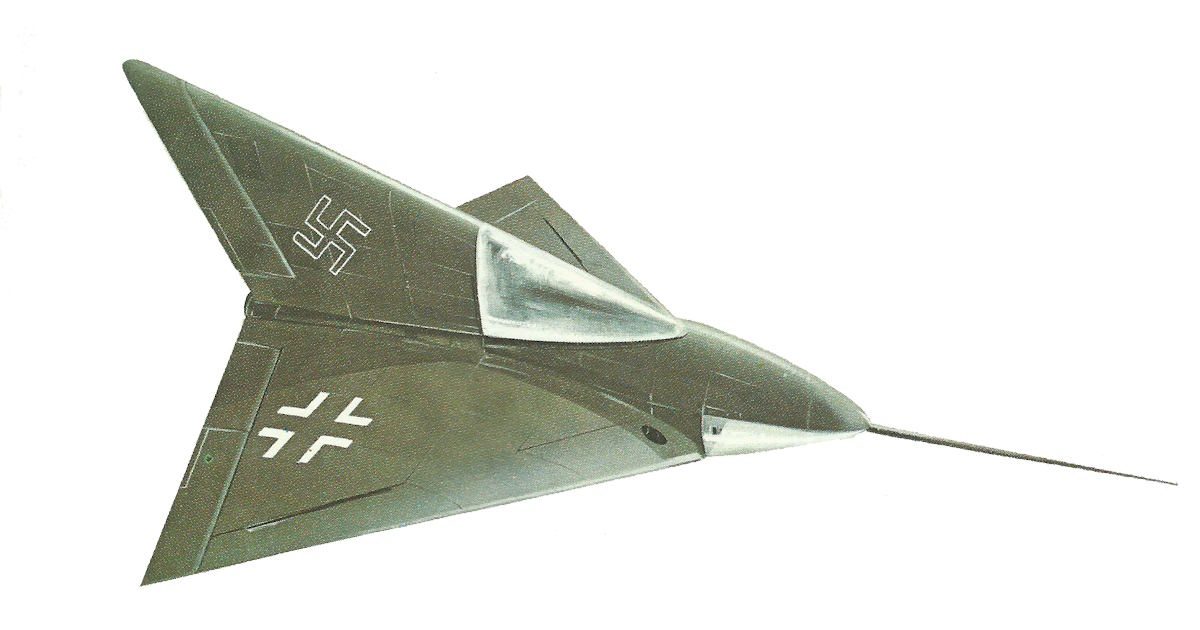
German engineers loved to push boundaries, testing out wild aerodynamic ideas with special aircraft and paper studies. The Lippisch DM 1 pushed delta wing design, and Daimler-Benz ran a bunch of aerodynamic experiments with their own projects.
Lippisch DM 1 and Delta Wing Progression
The Lippisch DM 1 was all about testing delta wings. Dr. Alexander Lippisch wanted to prove that this odd triangular wing could handle high speeds.
No tail, just a single triangle for lift and control. Pretty gutsy, honestly.
The DM 1 was basically a flying test bed. They built it to get real data on delta wings before risking them on combat planes.
Key specs:
- Wingspan: 20.5 feet
- Length: 21.3 feet
- Wing area: 236 square feet
- Construction: Wooden frame with fabric covering
It never flew for Germany. The Americans took it after the war and kept testing.
Daimler-Benz Project ‘A’ to ‘F’: Cutting-Edge Studies
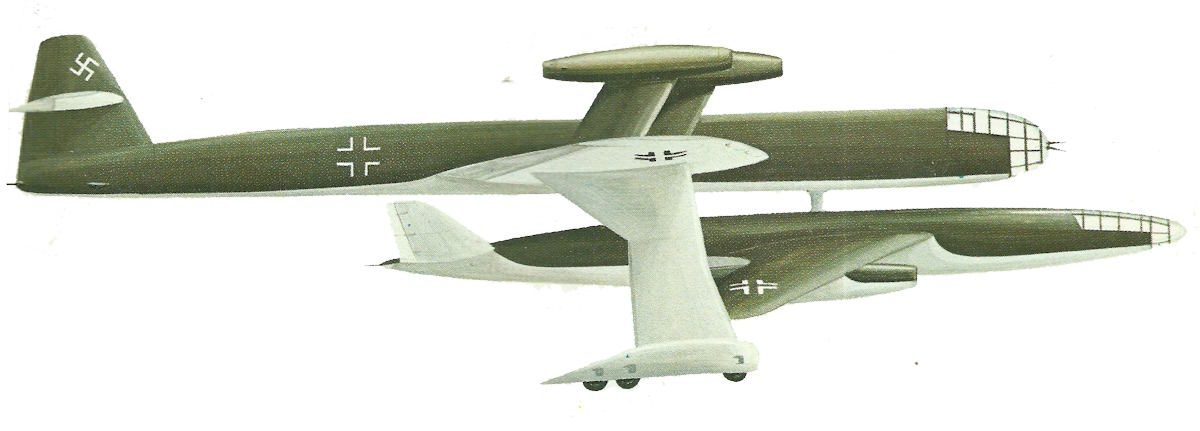
Daimler-Benz ran six big theoretical projects, labeled ‘A’ through ‘F’. Each one chased some new aerodynamic or propulsion idea.
Project ‘A’ looked at ramjet propulsion built right into the airframe. They wanted to figure out how to mount ramjets without ruining airflow.
Projects ‘B’ and ‘C’ played with swept wings and different engine placements. Engineers studied how air moved around the intakes at various sweep angles.
Project ‘D’ tried to mix vertical takeoff with rotating wing sections. Sort of a hybrid between a helicopter and a jet.
Projects ‘E’ and ‘F’ dove into supersonic flight. They crunched numbers on how planes might behave past the speed of sound.
None of these ever left the wind tunnel or drawing board. Still, the data shaped a lot of what came after the war.
Comparison With Operational German Jets
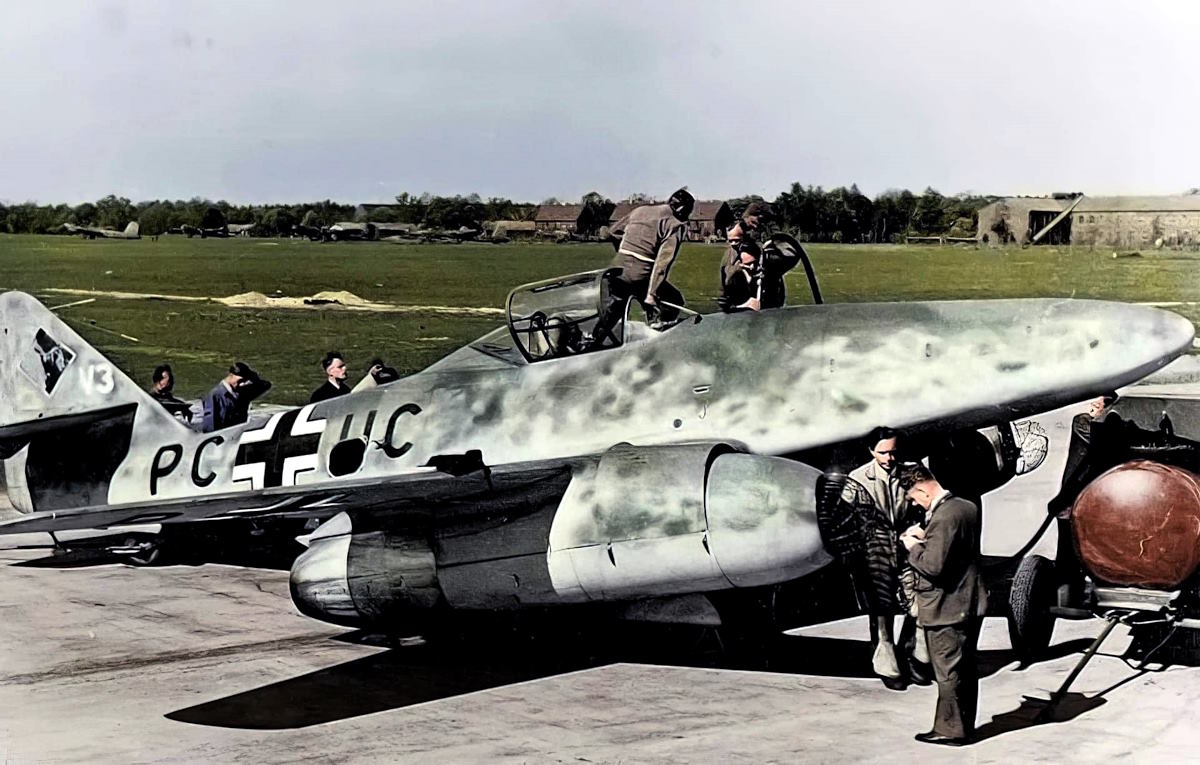
The wild experimental jets drew a lot from Germany’s actual combat aircraft, like the Me 262 and the Heinkel He 178. These working jets set the stage for later designs—think Focke-Wulf Ta 183, Horten Ho 229, and Junkers Ju 287.
Me 262: The First Operational Jet Fighter
The Messerschmitt Me 262 was the first jet fighter to see combat, debuting in 1944. It packed two Jumo 004 engines and could hit 540 mph.
With its twin-engine layout, the Me 262 was a different beast compared to single-engine ideas like the Messerschmitt P.1101. The P.1101 tried to fix the Me 262’s headaches—mainly cost and tricky manufacturing.
The Me 262 needed two pricey jet engines, while the P.1101 just called for one HeS 011. The Me 262’s straight wings also capped its top speed, unlike the P.1101’s swept wings.
Pilots learned fast that those early jet engines didn’t last long—only 25 hours before swapping them out. That kind of problem pushed wild ideas like the Focke-Wulf Triebflügel with its tip-mounted engines.
Landing gear was another mess. The Me 262’s setup struggled with jet speeds, which led to oddball experiments like the Blohm & Voss P.208 and its unusual landing gear.
Heinkel He 178 and Its Technological Legacy
The Heinkel He 178 first took off in August 1939, making it the first turbojet-powered plane ever. It didn’t go operational, but it proved jets were possible.
Its single HeS 3 engine only made 1,100 pounds of thrust—pretty weak, honestly. That showed German engineers they’d need way more power for a real fighter.
The basic layout of the He 178 shaped a lot of later jets. Projects like the Lippisch DM 1 and Daimler-Benz Project ‘A’ used similar nose intakes based on what they learned here.
Early test flights exposed all sorts of issues—flameouts, slow throttle, engine quirks. Later projects had to tackle those problems head-on.
And with just ten minutes of flight time, fuel was a huge issue. That forced new projects like the Junkers EF 130 to plan for bigger tanks.
Influence on Focke-Wulf Ta 183, Horten Ho 229, and Junkers Ju 287
The Focke-Wulf Ta 183 took a lot from the Me 262’s combat lessons. Its single HeS 011 engine was all about making things simpler to build, without losing speed.
The Ta 183’s swept wings came straight from wind tunnel tests done for the P.1101. Both planes used wing sweeps of about 40-45 degrees for better speed.
The Horten Ho 229 flying wing aimed to fix drag issues that haunted conventional jets. By ditching the fuselage, it cut down on drag that slowed the Me 262.
Instead of the Me 262’s troublesome landing gear, the Ho 229 had a tricycle setup. That design even popped up in experimental planes like the Blohm & Voss Ae 607.
The Junkers Ju 287 forward-swept wing bomber was a total departure from Me 262 thinking. With six engines, it sidestepped the power issues that single-engine jets faced.
All these jets—whether they flew or not—laid the groundwork for Germany’s wildest experimental programs. Each one tried to fix a specific problem they found in real flight.
Legacy of World War II German Jet Projects
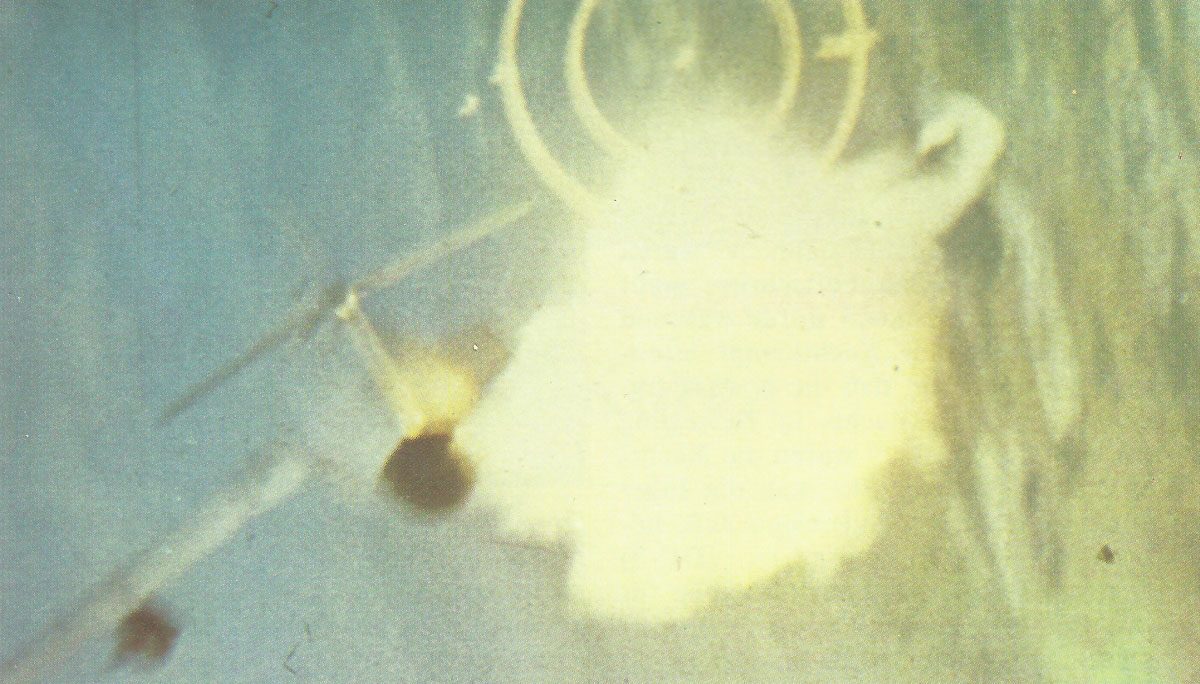
German jet projects during the war really shook up aviation. These experiments changed how engineers thought about propulsion and design, and their influence lasted long after 1945.
Impact on Postwar Aircraft Design
Plenty of famous planes borrowed straight from German research. The Bell X-5 used variable-sweep wings, a trick first tested on the Messerschmitt P.1101.
The F-86 Sabre got its swept wings from German engineers—no secret there. That design gave the Sabre a real edge in speed.
The Soviets weren’t shy about it, either. The MiG-15 drew from captured German jet and aerodynamic data.
Key design elements that stuck around:
- Swept wing configurations
- Variable wing geometry
- Jet engine innovations
- High-speed flight controls
The Focke-Wulf Triebflügel didn’t get copied, but it sure made people rethink what a plane could look like. Sometimes, just seeing a wild idea is enough to spark more innovation.
The Lippisch DM 1’s delta wing became a staple in supersonic jets. That triangle shape really caught on.
Lessons Learned and Unfinished Innovations
Most German jet projects never reached completion. They left behind both promising breakthroughs and some pretty glaring issues.
The secret weapons programs showed the dangers of rushing new tech. Plenty of projects fizzled out because of material shortages or design flaws.
Major takeaways from these projects:
- Reliability beat raw speed in the real world
- Simple manufacturing made mass production possible
- Pilot training had to change for jets
- Fuel consumption was a constant headache
Oddballs like the Junkers EF 130 and Blohm & Voss designs taught engineers a lot about control and stability. Sometimes, you learn more from what doesn’t work.
The Daimler-Benz studies showed just how tricky it is to mix new engines with new airframes. Later designers definitely took those lessons to heart, balancing wild ideas with what they could actually build.
Frequently Asked Questions
These German jet projects from World War II really pushed the envelope. Each one tried to solve a specific military challenge and, in the process, set the stage for the jets that came after.
What were the unique features of the Messerschmitt P.1101 jet project?
The Messerschmitt P.1101 had variable-sweep wings that you could set between 35 and 45 degrees on the ground before takeoff. Pilots could tweak the wings to suit different flight conditions, though not in the air.
Messerschmitt put a single Heinkel HeS 011 turbojet engine inside the fuselage. They built the air intakes right into the wing roots to feed the engine directly.
Instead of a standard vertical stabilizer, the P.1101 used a butterfly tail. This tail design aimed to improve stability and control at higher speeds.
The swept-wing setup felt pretty futuristic for 1944. Back then, most fighters still stuck with straight wings.
How did Junkers EF 130 contribute to the German jet aircraft development during WW2?
The Junkers EF 130 took a shot at forward-swept wing technology. Unlike most jets, these wings angled forward, not back.
Forward-swept wings let the plane handle better at low speeds and made stalls less dramatic. You also got a bit more maneuverability closer to the ground.
German engineers ran into real headaches with the wings twisting under stress. They had to reinforce the structure just to keep things safe.
The EF 130 carried a single jet engine tucked into the rear fuselage. That setup helped balance the odd wing shape.
In what capacity was the Focke-Wulf Triebflügel’s design innovative for its time?
The Triebflügel brought out a vertical takeoff and landing idea using spinning wings. Three wings rotated around the body, almost like a helicopter but not quite.
They stuck small ramjet engines at each wingtip. The spinning wings and ramjets worked together to lift and push the aircraft.
This thing could take off straight up from a tiny platform. No runway needed—which, honestly, made a lot of sense with all the bombing going on.
The pilot’s seat rotated to stay level during vertical phases. That way, the pilot didn’t lose orientation while taking off or landing.
What challenges did the Luftwaffe face with the implementation of the Blohm&Voss Ae 607 project?
The Ae 607’s wing system got complicated fast. The variable-geometry mechanism needed heavy hardware, and that meant extra weight.
Engineers put the engine inside the fuselage, but that caused cooling headaches. Mechanics had to use special panels just to reach the engine for repairs.
By 1944, Germany just didn’t have the high-end materials the project demanded. Steel shortages forced them to use weaker substitutes.
Building the Ae 607 called for precise tools and skilled hands. Both were getting hard to find as the war dragged on.
How did the Lippisch DM 1 influence post-war aircraft design?
The DM 1 showed off a delta wing layout that later became a classic for supersonic jets. That triangular wing shape really worked for high-speed flight.
After the war, American engineers got their hands on the DM 1 and studied it closely. Some of its ideas popped up in U.S. experimental aircraft later on.
The tailless delta design helped cut down on drag. That made it a big deal for breaking the sound barrier.
The DM 1’s wing design influenced planes like the Convair F-102 and F-106. Both ended up with similar delta wings.
What were the design goals and outcomes of the Daimler-Benz Project ‘A’ to ‘F’ series?
Daimler-Benz set out to build high-speed bombers that relied on ramjet propulsion. These engines really kicked in at speeds above Mach 2.
Projects A through F tinkered with all sorts of rocket and ramjet engine combinations. The idea was to get rapid acceleration, then maintain that crazy fast pace.
Engineers looked into vertical launch systems for quick-response defense. They hoped these interceptors could guard vital spots—think factories or airfields.
But none of these projects ever made it to flight testing. Material shortages and tough technical problems kept everything grounded as the war ended.
References and literature
Flugzeuge des 2. Weltkrieges (Andrew Kershaw)
German Aircraft of World War 2 in Colour (Kenneth Munson)
Die deutschen Geheimwaffen (Brian Ford)
Warplanes of the Luftwaffe (David Donald)