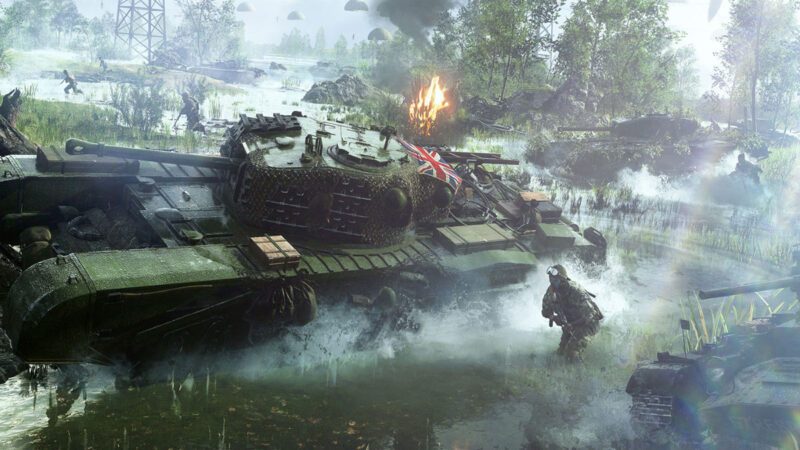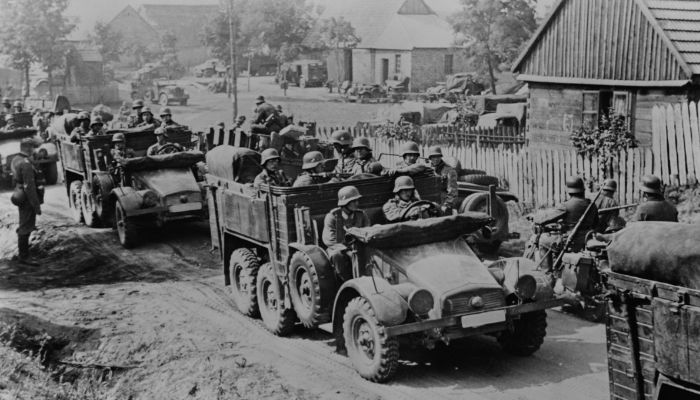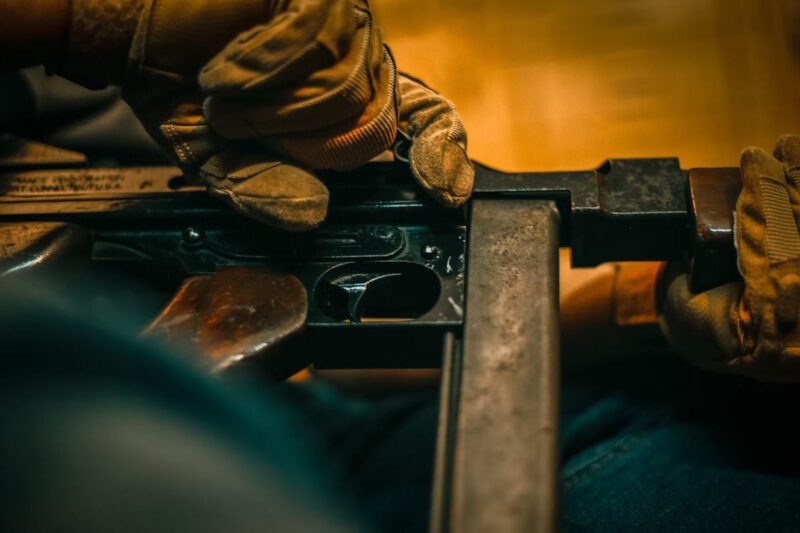

During the first half of the twentieth century, engineers across many fields worked with the same mechanical problems. They had to control motion, manage stored energy in springs, regulate timing and make sure a sequence of actions could repeat reliably under wear. Those concerns applied to small arms, training equipment, range instruments and industrial machinery. The same design constraints appear in many civilian machines, with the casino slot machine being a clear example of this approach.
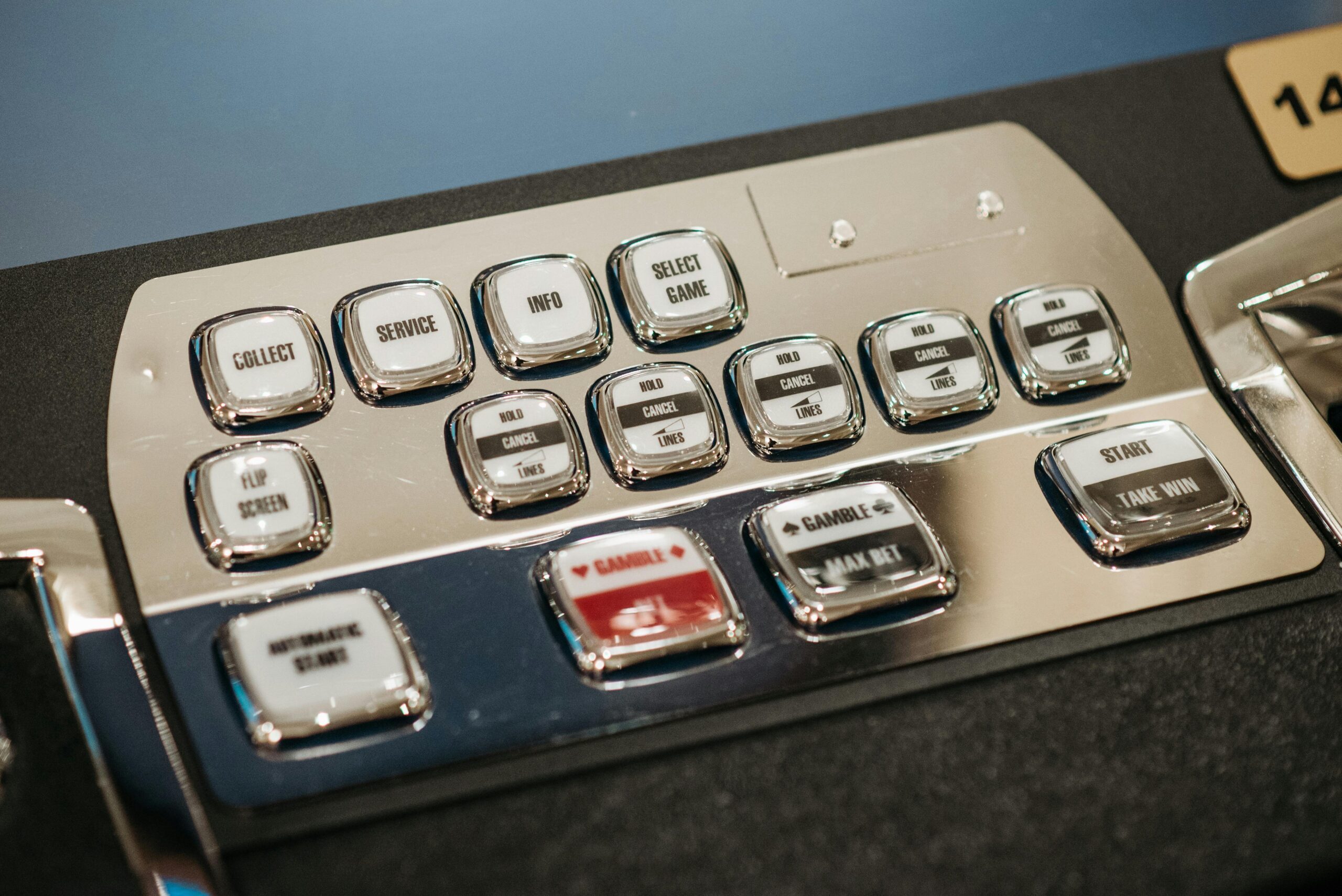
If you set aside the surface purpose and look at it as hardware, the slot machine fits the same design culture. Early versions were compact assemblies of shafts, gears, cams and stops. They were built to cycle thousands of times, to tolerate dirt and misalignment and to keep timing stable as parts wore. That is the same brief many wartime mechanisms were designed to meet.

Shared Mechanical Principles: Cycles, Timing and Stored Energy
A large share of WWII-era mechanism design focused on the action cycle. In weapons and support equipment, springs store energy, linkages carry it and shaped surfaces release it in a fixed order. If any step arrives early or late, the cycle breaks.
Early slot machines work the same way. A single input starts a chain of motion. Energy goes into springs and rotating shafts. Gears and linkages carry that motion to the reels. Cams and mechanical stops decide when each reel slows and where it stops. The machine only works if the sequence stays consistent from one cycle to the next.

A useful historical anchor is the Liberty Bell machine built by Charles Fey in the 1890s. It used three reels and a purely mechanical payout system. The importance is not the game itself but the system it proved: a compact mechanism can run a complete, repeatable cycle using only stored mechanical energy and timed stops. That basic arrangement remained recognizable in later designs even as details changed.
Materials, Tolerances and Wear
Wartime equipment had to work with real materials and real limits. Steel wears. Pins loosen. Springs lose force. Designers compensated with thick sections, simple load paths and assemblies that kept working even when clearances changed.
Slot machines from the same era show the same priorities. Frames are heavy. Shafts are thicker than strictly needed. Springs are sized with margin. Parts are arranged so small errors do not stop the cycle. Maintenance shaped the layout as well, with wear parts accessible and linkages adjustable. This mirrors service practice in many military and industrial mechanisms of the period, where field repairs and routine servicing were expected parts of operation.
Cams, Linkages and Mechanical Control
Cams were a common control tool in mid-20th-century machinery. A cam converts rotation into timed movement with a defined profile. You see this in feed timing, locking sequences and many types of industrial equipment.
Slot machines use the same method. Shaped surfaces and linked arms control braking, reel stopping and the order of operations. The main shaft turns. The cam shape decides what happens next. This is direct mechanical programming cut into metal, turning continuous motion into controlled steps with no need for external control logic.
The Shift From Mechanical to Electro-Mechanical Systems
After the war, many systems added electrical drive and control to existing mechanical layouts. Motors replaced hand or spring input. Solenoids replaced some linkages. Switches and relays took over parts of the timing job that cams once handled.
Slot machines followed the same path. Reels still needed bearings, alignment and braking. Frames still had to stay rigid. What changed was how motion started and stopped. Electrical parts reduced some mechanical complexity but added new failure points, as in other post-war equipment.
This change also came with scale. Market research places the global slot machine market at about USD 10.38 billion in 2024 and projects growth to around USD 16.13 billion by 2034. Growth at that level pushes designs toward standard parts, repeatable assembly and predictable service schedules, pressures familiar from mass-produced wartime hardware.
Mechanical Thinking in Modern Digital Machines
Modern machines use software for control, but the structure still looks mechanical. Reels are treated as discrete positions. Sequences have defined steps. Timing still matters, even if enforced by code rather than by a cam face.
The physical side remains important. Cabinets must resist vibration and repeated impact. Mounting points must hold alignment. Cooling paths, access panels and protective covers are still mechanical design problems, just as they were when the machine was all metal and no electronics. The materials and manufacturing methods have changed, but the underlying constraints are much the same.
A Civilian Example of Military-Era Engineering Culture
The slot machine seems out of place on a military history site only if you judge it by purpose. If you judge it by construction, it fits the period. It uses stored energy, timed sequences, shaped control surfaces and conservative structures designed for long service.
Those are the same principles that shaped much WWII-era hardware. The difference is application, not method. Seen that way, the casino slot machine is a civilian example of the same mechanical thinking that produced many reliable, cycle-driven machines of the mid-twentieth century.