
Nepal’s men’s cricket outlook for 2026: tournament context, form indicators, key players, and how fans use stats and cricket odds to set expectations.
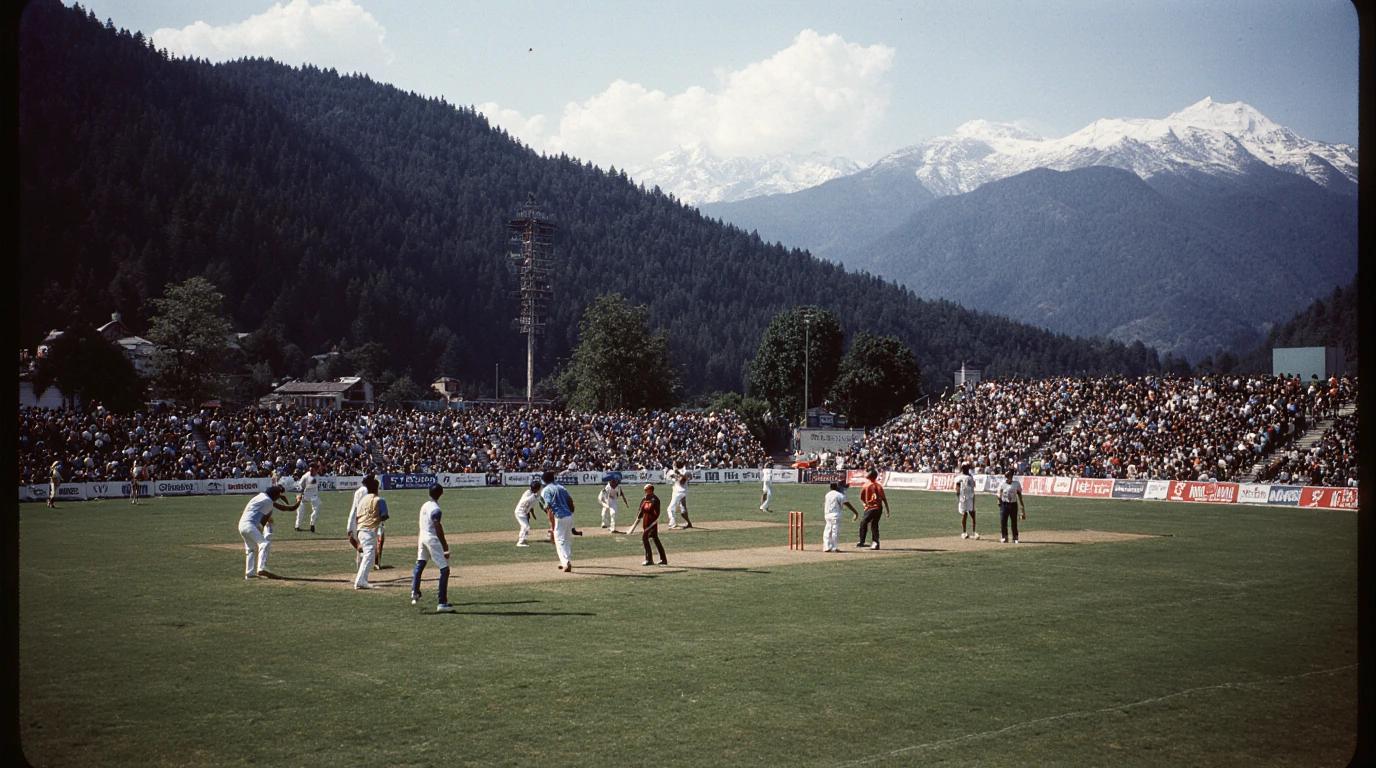
Nepal’s men’s cricket narrative in 2026 is defined by visibility and variance. The Men’s T20 World Cup runs from 7 February to 8 March 2026, placing Nepal’s performances into a global comparison set where every over is clipped, analyzed, and priced.

Fan attention is measurably higher than in previous cycles. The ICC reported that users from Nepal rose 442% across ICC digital channels during the opening weekend, a signal that the national team now drives large-scale digital engagement.
This growth changes expectations. Supporters follow squad choices, track matchups, and debate “cricket odds” with a sharper focus on roles, not only reputations. The phone remains the main delivery device, and mobile accounts for 66.61% of platform usage in Nepal, which favors quick dashboards over long-form recap.
The 2026 context: tournament pressure and opponent quality

The Men’s T20 World Cup is the central reference point early in 2026 because it compresses performance evaluation into a short window. Close contests and quick turnarounds reduce the margin for tactical drift.
The ICC’s engagement release links Nepal’s surge to early tournament fixtures, showing how one competitive match can translate into sustained browsing and repeat viewership.
Outside the World Cup, the structure of international cricket for associates remains tournament-led. That reality keeps regional events and qualification pathways relevant, even when bilateral series are limited.
Squad spine: the roles that stabilize T20 results
In 2026, evaluation starts with role clarity: powerplay intent, middle-over rotation, and death-over control. These roles are easier to track than raw averages, and they map cleanly onto match outcomes.
Reuters’ match report against West Indies provides a direct example of how early collapses shape the entire innings. Nepal’s powerplay score of 22-3 was cited as the lowest of the tournament, creating a chase-deficit that even late hitting could not erase.
At the same time, individual resistance remains a strength marker. Dipendra Singh Airee’s 58 and Sompal Kami’s late 26* in that match show the middle-to-late order can still generate recoveries under pressure.
Tactical markers to watch across 2026
Three tactical indicators explain most short-format swings, and they are also the metrics fans discuss most in online communities.
Indicator | What it reveals | Why fans track it |
Powerplay wickets | Risk management and top-order depth | Early wickets move win probability and totals quickly |
Middle-over rotation | Ability to avoid dot-ball pressure | Rotation drives totals and reduces chase volatility |
Death-over execution | Finishing skill and bowling control | Late overs decide most close T20 outcomes |
Preparation also matters. A Kathmandu Post analysis noted Nepal had fewer pre-tournament matches scheduled than some group opponents, affecting readiness benchmarks before the World Cup window.
Pre-Match Pricing Betting Analysis 2026
Reading markets before the toss
Pre-match prices often react to squad balance and venue conditions more than narrative. Bettors typically compare match-winner and totals lines, then adjust expectations based on batting depth and bowling matchups. Many users scan nepal casino app download ecosystems where sportsbook and match-center stats sit alongside other app sections, which keeps analysis in one place. Odds bands around 1.85 to 4.5 are common across tighter matchups, especially when associate teams face rotating full-member lineups. This approach rewards specific questions, such as whether Nepal can protect the first six overs from wicket clusters. It also aligns with how fans build cricket odds projections from recent phase-by-phase scoring.
Where bettors cross-check selections
Cross-checking is now part of routine fan behavior, not a specialist habit. Users compare team news, recent innings pace, and opponent profiles, then look for consistency across markets like handicap, top batter, and team totals. A typical workflow uses a nepal betting site match page to verify market depth, then returns to scorecards and video clips for confirmation. This pattern is similar to football predictions research, where lineup changes and tactical shapes move live prices quickly. The key shift in 2026 is speed: decisions are made in minutes because information spreads instantly. Mobile-first access makes that loop continuous rather than match-by-match.
How expectations are built: fan analytics in practice
In 2026, fan analysis tends to focus on “repeatable edges.” Supporters look for stable patterns that survive opponent changes, such as powerplay control or consistent middle-over strike rotation.
Reuters coverage also shows how match narratives are now framed in phase detail, not only in final scores. When a team is 22-3 early, expectations for recovery and final totals change immediately, and online discussions follow that logic.

This is why digital engagement and performance analysis now move together. Higher visibility produces more data, and more data raises the standard for how the national team is judged.
Key Takeaways
Ultimately, the Nepal men’s cricket team in 2026 is a focus of attention, with the Men’s T20 World Cup serving as the key reference point. The surge in digital attention from Nepali users, reported by the ICC (a 442% increase during the opening weekend), has shifted expectations. Phase performance, especially powerplay stability, is the clearest predictor of match outcomes. Furthermore, fan analysis has become mobile-first and centered on quick dashboards, aligning with Nepal’s 66.61% mobile traffic share. Betting discussions increasingly mirror tactical analysis, linking markets to player roles and match phases. Thus, increased visibility leads to a greater volume of data and, consequently, higher standards for judging the national team.