
The slot machine’s journey from a novelty mechanical device to the dominant format in online casino gaming runs directly through the military clubs and overseas bases of World War II. This is how wartime exposure introduced slot machines to an entire generation of players, and how that cultural moment shaped the casino industry.
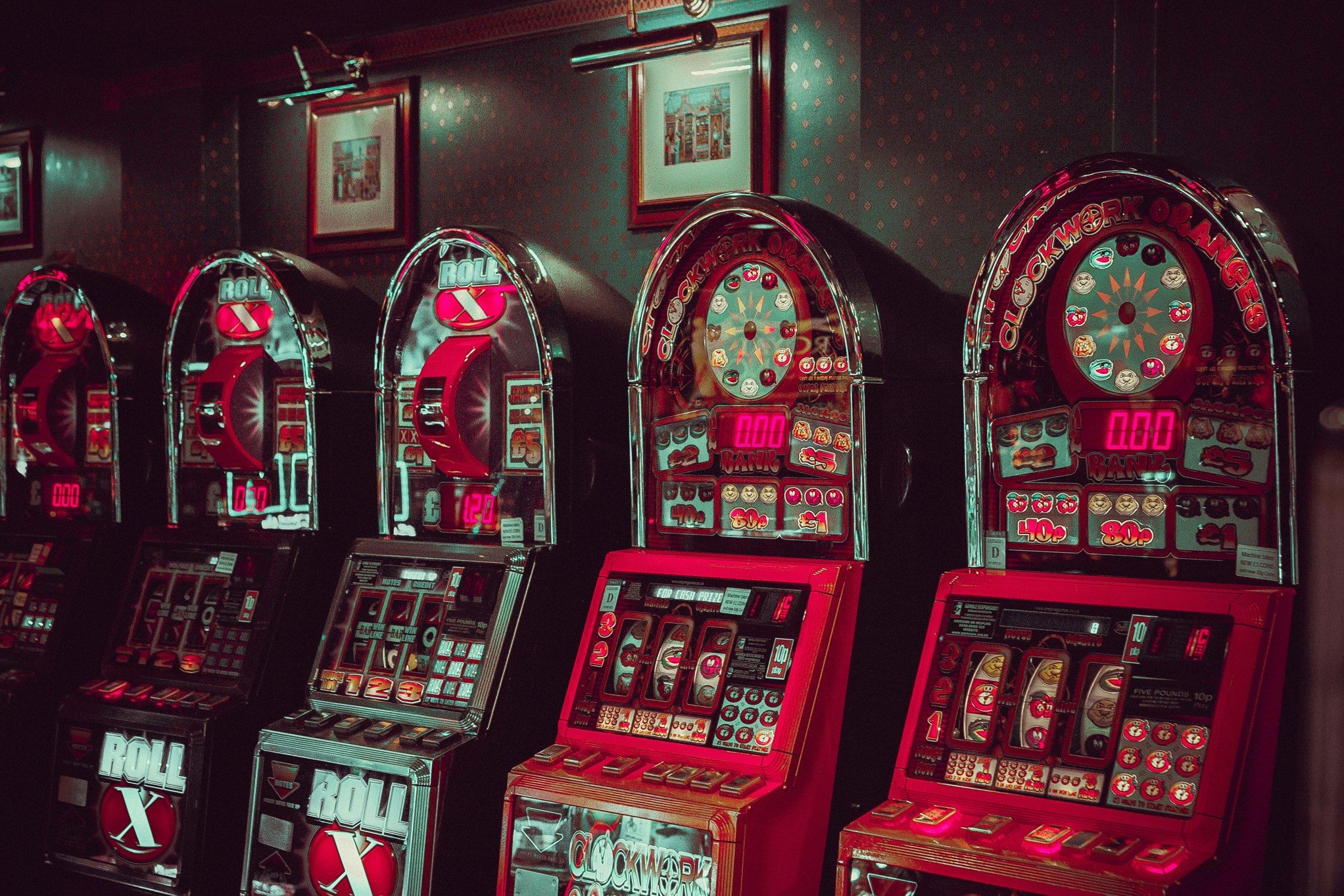
The mechanical slot machine predates World War II by several decades. Charles Fey’s Liberty Bell, widely considered the first true slot machine, appeared in San Francisco in the late 1890s. By the 1930s, the devices were established fixtures in American bars and social clubs, operating in a legal gray area that varied by state and municipality.
What the slot machine lacked before the war was scale. The player base was geographically constrained. You encountered a slot machine if you happened to be in a location that had one, and large portions of the American population had never seen one outside of a newspaper photograph. The devices were associated with specific urban environments and, in many places, with the fringes of legality. They had not yet crossed into mainstream entertainment culture.
World War II changed that through a mechanism nobody had planned for: the military club system.
The Wartime Club System and Mass Exposure

World War II helped popularize slot machines by stocking a large number of them in overseas military club. The recreational facilities that provided entertainment and a semblance of normal civilian life to soldiers stationed far from home. These clubs operated across bases in Europe, the Pacific and North Africa, and slot machines became one of their standard features.
The scale of that exposure was unprecedented. Millions of American soldiers who had grown up in states where slot machines were illegal or simply absent encountered them for the first time in a military club context. The machines were legal within the base environment, socially normalized by their institutional setting and provided entertainment during the extended periods of downtime that characterized military service between operations. The Jackpot City platform that exists today is the direct inheritor of a gaming culture whose mainstream acceptance was accelerated by exactly this kind of mass institutional exposure. The slot machine didn’t become the dominant casino format because of advertising or deliberate market development. No, it became dominant because an entire generation encountered it simultaneously in a context that made it feel like ordinary entertainment.
What Soldiers Brought Home
The demographic that returned from World War II carried familiarity with slot machines back into civilian life in a way that had no precedent. A soldier who had spent two years playing slots at a club in England or the Pacific returned to an American civilian environment that was simultaneously loosening its restrictions on gambling and expanding its entertainment infrastructure.
Nevada had legalized casino gambling in 1931, but the industry’s major expansion period came in the postwar years, precisely when the returning veteran population brought both disposable income and established familiarity with casino gaming formats. The Las Vegas that developed through the late 1940s and 1950s was built substantially on a customer base that had been introduced to slot machines on military bases.
The historical relationship between wartime military entertainment programs and postwar gambling industry expansion is documented in gaming history research as one of the most significant demand-side factors in the American casino industry’s development, a demand that was created not by the industry itself but by the institutional context of wartime service.
The Mechanical to Digital Transition
The slot machine that soldiers encountered in wartime military clubs was a purely mechanical device: physical reels, spring-loaded mechanisms and a payout tray. The transition from mechanical to electronic to digital happened across several decades, with each technological shift expanding what the format could deliver without changing the fundamental interaction model that players had come to understand.
Electromechanical slots appeared in the 1960s, allowing for larger jackpots and more reliable operation. Video slots emerged in the 1970s and 1980s, replacing physical reels with screen-based simulations and introducing the possibility of multiple paylines and bonus features that mechanical devices couldn’t accommodate. The migration to online platforms in the 1990s completed the transition from a physical device to a digital format accessible from any connected device.
Through each of these transitions, the core interaction remained consistent with what those wartime military club machines had established: insert a stake, initiate a spin, receive an outcome. The simplicity of that model (no rules to learn, no strategy required, immediate results) is precisely what made it transferable across every subsequent technological platform.
The Modern Platform as the End Point of That History
The online slot library that a player accesses through a platform like Jackpot City today is the technological endpoint of a development arc that runs from Fey’s Liberty Bell through the wartime military clubs and into the digital era. The thematic variety (thousands of titles covering every conceivable setting and visual style) represents the creative expansion that digital delivery made possible. The underlying format is recognizably continuous with what soldiers were playing in overseas clubs eight decades ago.
The US military continues to operate gaming machines outside the country to this day, generating $150 million in annual revenue. A figure that reflects the enduring institutional relationship between military service culture and slot machine entertainment that World War II established at scale. The civilian online casino industry that grew from the same cultural roots has expanded into a global market that the wartime military clubs inadvertently helped create.
The slot machine became the foundation of modern casino gaming, not because it was the most strategically complex format or the most socially prestigious. It became dominant because it was accessible, immediate and encountered by an entire generation in a context that normalized it permanently. That’s the wartime legacy that every online slot platform, including Jackpot City, continues to operate within.