

If you’ve ever played the Aviator game and you’re a history nut, an aviation fan or both, chances are you’ve wondered what sort of plane you’re meant to be playing with. Now it’s time to take that question to the next stage: which World War II aircraft would hypothetically best fit the bill?
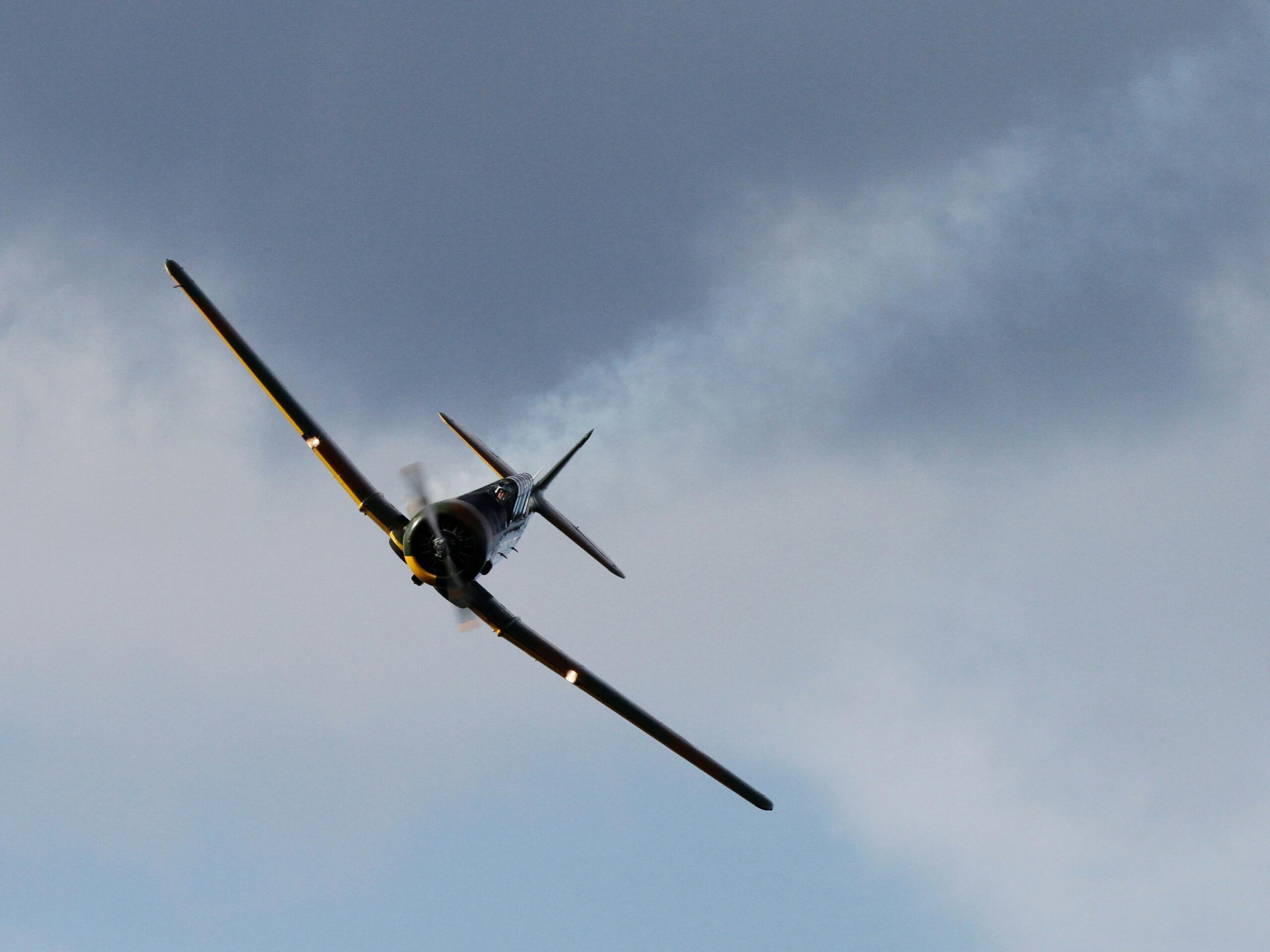
As a WWII enthusiast, we’re betting that not only is your eye caught by most things aviation related, but that it doesn’t take much to get you wondering about some hypothetical, WWII-related question. One good example would be the ever popular Aviator Crash game, which any aviation fan would surely head straight for when passing the jackpot city login. It’s a ‘crash’ game in which a stylised aircraft ascends and the potential reward rises until the round ends without warning.

Stripped of its casino entertainment context, the idea is simple: climb steadily, gain advantage and know when your limits are approaching. Those same ideas shaped World War II fighter aviation, where climb rate, altitude and restraint affected real operational outcomes. So with that in mind, it’s reasonable to ask a hypothetical question: if Aviator were represented by a real WWII aircraft, which one would best fit that model?
How the Aviator/WWII Plane Comparison Works
At its core, Aviator Crash shows a steady ascent paired with increasing reward. The higher the aircraft climbs, the greater the potential return, but as the limit varies in each game, it’s unpredictable: success depends on judgement rather than endurance. In aviation terms, this mirrors an aircraft operating within a defined performance envelope. Every plane has a service ceiling, reduced climb efficiency at altitude and mechanical constraints that make further ascent increasingly risky. While Aviator obviously isn’t a simulation, its basic structure reflects how limits emerge, as altitude increases.

To explore this analogy accurately, certain aircraft characteristics matter more than others. A suitable candidate would show a strong initial climb, a relatively narrow band of optimal performance, increasing mechanical strain beyond that band and a reliance on pilot decision-making. With that said, fighters built for interception and altitude advantage fit this model far better than aircraft designed around endurance or sustained manoeuvre.
Was the Messerschmitt Bf 109 the Strongest Candidate?
The Messerschmitt Bf 109 fits these criteria more closely than most of its contemporaries. From its earliest variants, it was designed to climb quickly and engage from above. The Bf 109E used during the Battle of Britain could achieve climb rates of over 3,200 feet per minute and had a service ceiling of approximately 37,500 feet, giving it a meaningful altitude advantage in interception roles.
Later variants extended this profile further. The Bf 109G, which was powered by the Daimler-Benz DB 605 engine, pushed the model’s service ceiling beyond 40,000 feet, while maintaining strong climb performance at altitude.
These figures made all the difference operationally, as the aircraft’s advantages diminished when pushed beyond its ideal envelope: engine stress, reduced handling margins and fuel limitations imposed practical limits that pilots had to respect. Viewed through the Aviator metaphor, this creates a familiar curve: early climb offers clear reward, but staying too long in pursuit of marginal gains increases risk.
Why Other Fighters Don’t Fit So Well
Other well-known fighters help illustrate why the Bf 109 stands out.
Supermarine Spitfire
The Spitfire, particularly early variants, had a lower climb rate of roughly 2,500 to 2,700 feet per minute and a service ceiling closer to 35,000 feet. Its design emphasised turning ability and forgiving handling, which effectively made it better in turns than it did climbs.
Focke-Wulf Fw 190
The Fw 190 followed a different design logic. It excelled in roll rate and firepower, particularly at mid-altitudes, but climb was not its defining performance advantage.
P-47 Thunderbolt
The legendary American plane relied on durability, range and dive performance rather than sharp climb efficiency.
Timing and Restraint in Fighter Operations
World War II air combat rewarded restraint as much as it did aggression. Pilots who climbed without regard for engine limits or tactical context could quickly lose energy and initiative and the Bf 109’s design reinforced this reality. Its sensitive handling characteristics and narrow landing gear meant pilot errors were costly, so effective combat techniques depended on knowing when altitude still provided advantage.
This reliance on timing also aligns with how Aviator functions. The climb itself is beneficial, but only up to a point. Beyond that, the risks increase faster than the rewards.
A Metaphor, Not a Strict Comparison
This comparison remains hypothetical. Aviator Crash reduces risk to a visual curve, while wartime aviation obviously involved complex variables and, crucially, irreversible consequences. The value of the analogy lies in using a familiar modern mechanic, to highlight how aircraft design imposed limits that pilots had to understand instinctively. It might sound glib, but thinking in terms of ascent, peak performance and restraint offers a different way to appreciate how engineering and judgement intersected in World War II aviation.
If Aviator Crash were represented by a real World War II aircraft, the Messerschmitt Bf 109 would provide the closest match. Its rapid climb, narrow optimal band of performance and unforgiving limits align with an ‘Aviator’ model built around escalation and timing. Again, this does not reduce history to a game, but it does offer a new way to think about how performance ceilings shaped real decisions in the air. Long before risk was abstracted into digital entertainment, pilots very much lived with the consequences of pushing just a little too far.