
History of Greenland and Why It Belongs to Denmark: Origins, Law & Modern Relations.
Greenland is the world’s largest island, sitting in the North Atlantic and mostly blanketed by ice. It’s thousands of miles from Europe, yet it’s part of Denmark—a small Scandinavian country.
This unusual political bond goes back over a thousand years and still affects global politics. The relationship between Denmark and Greenland shapes the modern Danish Realm in ways that might surprise you.
Greenland became part of Denmark through Norse exploration in the 10th century, formal colonization starting in 1721, and later legal agreements confirming Danish sovereignty in the 20th century. When Norway and Denmark split in 1814, Greenland stayed with Denmark. International recognition, including a 1933 court ruling, further cemented Denmark’s rights over the whole island.
Today, Greenland is a self-governing territory inside the Kingdom of Denmark. Denmark and Greenland stay closely linked, but Greenland runs most of its own domestic affairs. Denmark provides a lot of financial support and handles defense and foreign policy.
Early Population and Cultures
People have lived in Greenland for thousands of years, arriving in waves from North America. The Inuit built lasting communities across the island, while Norse Vikings set up settlements that eventually vanished after a few centuries.
Inuit Migration and Settlement
The first humans reached Greenland around 4,500 years ago, crossing from what’s now Canada. They hopped from Arctic island to island, finally landing in northwest Greenland.
Different cultures arrived over time, each with their own traditions and survival tricks. The ancestors of today’s Greenlandic Inuit came much later than the first settlers.
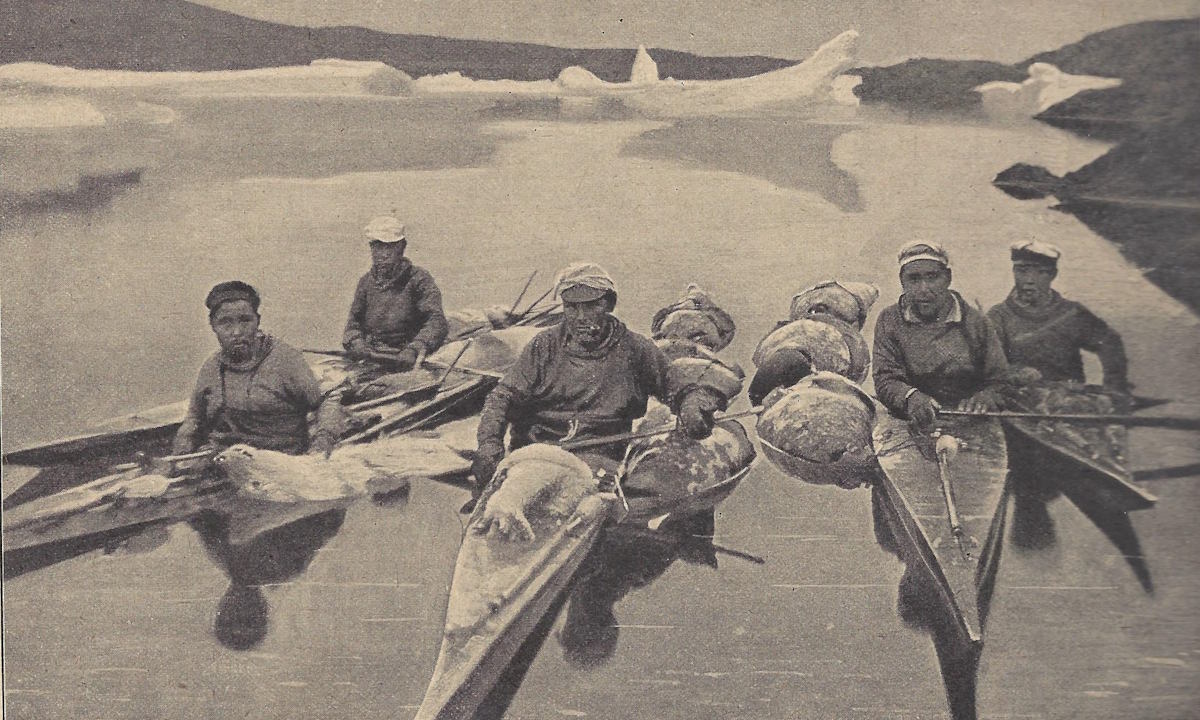
They adapted to brutally cold conditions—ice covers about eighty percent of the island, so people had to stick to the coasts where hunting and fishing were possible. The Kalaallit, as Greenlanders call themselves in their own language, developed skills for surviving the Arctic.
They hunted marine mammals, built coastal communities, and passed down knowledge through generations. By the time Europeans showed up, the Inuit were firmly established almost everywhere in Greenland.
Norse Exploration and Colonization
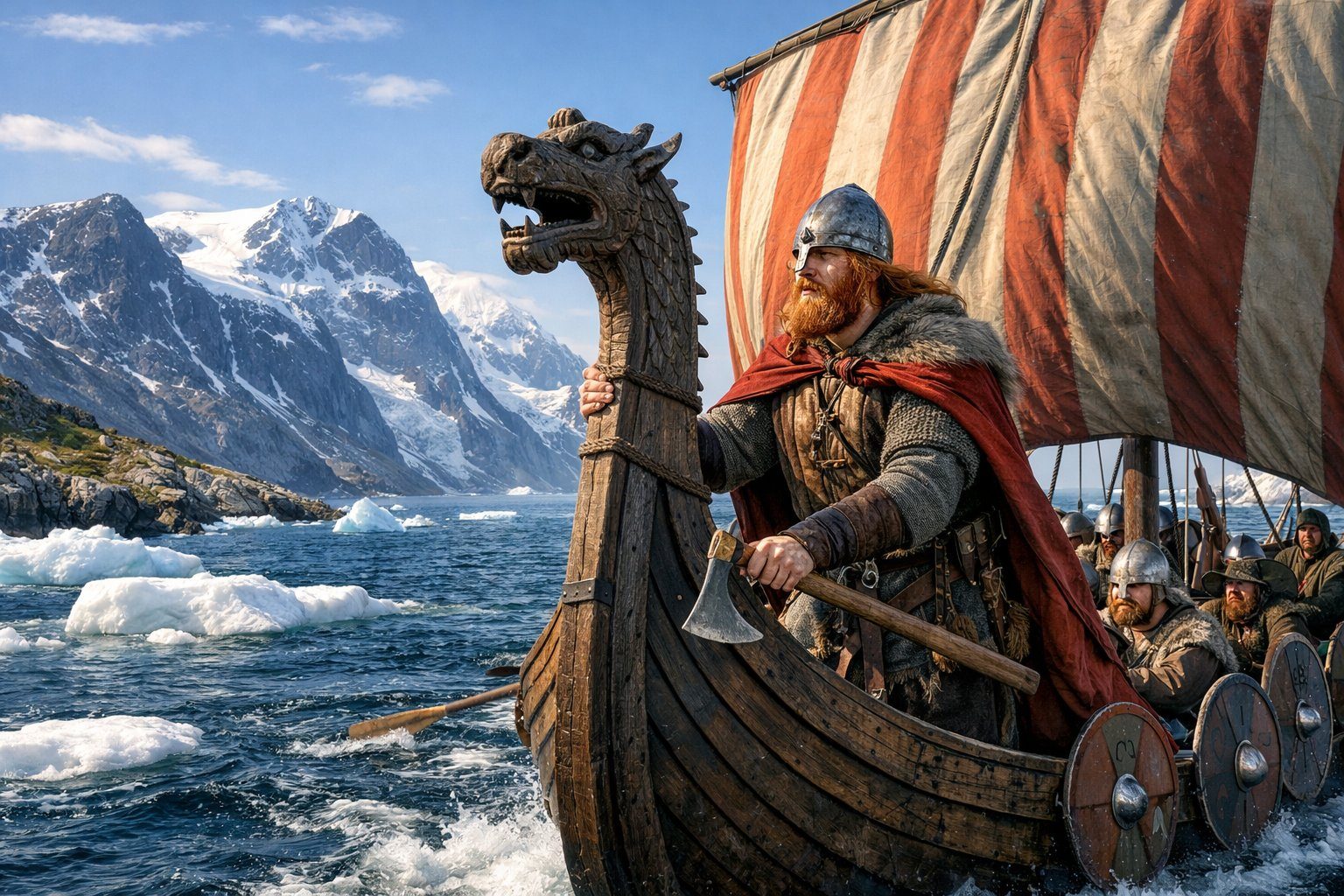
Erik the Red, a Viking exiled from Iceland for manslaughter, landed in Greenland near the end of the 10th century. His story is still central to Greenland’s history and its connection to Denmark.
He named the island “Greenland” after the vegetation he spotted around southern fjords—maybe a bit of marketing to attract more settlers, honestly. The Norse built farms and churches in southern and western Greenland, and these settlements became part of Norway’s North Atlantic empire.
Vikings traded with Iceland and Norway, and their communities survived for centuries. But the Norse vanished from Greenland at the start of the 15th century, leaving little behind.
Why did they disappear? The climate got colder, making farming nearly impossible, and there may have been conflicts with the Inuit moving into their territory.
Interactions Between Norse and Inuit
The Norse and Inuit probably met as Inuit groups moved into areas the Vikings had settled. It’s hard to say exactly what happened—records are sparse and the history’s murky.
Some experts think conflict played a role in the Norse disappearance. When Hans Egede arrived in 1721 hoping to find Norse descendants, he found only Inuit communities. By then, the Inuit had become the dominant group across Greenland.

From Norse Greenland to Danish Rule
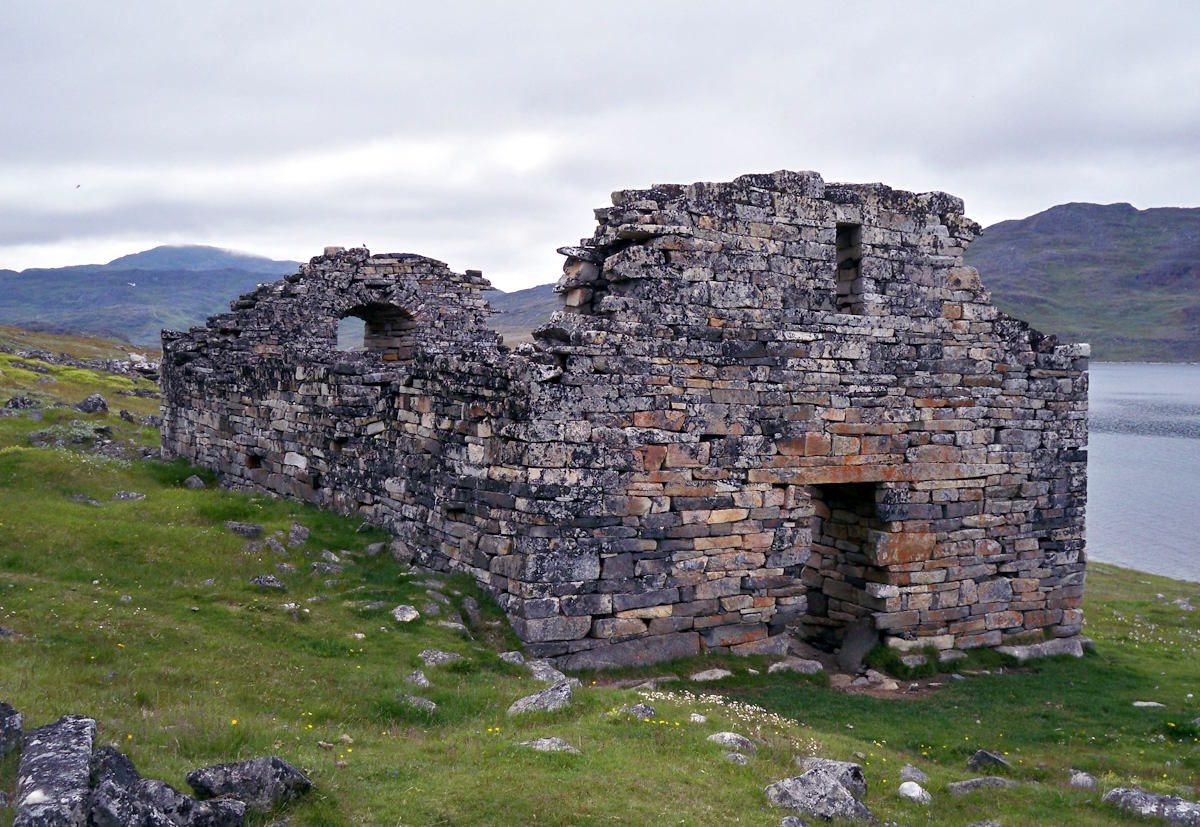
The Norse settlements that had lasted for centuries vanished by the early 1500s. After that, only Inuit peoples lived on the island.
Denmark’s connection to Greenland came through the Kalmar Union and later became stronger when a Norwegian missionary reestablished contact in 1721.
Decline of Norse Settlements
The Norse communities disappeared around the start of the 15th century, after nearly 500 years. Several factors made life harder and harder for them.
The Little Ice Age brought colder weather, which hit the Norse farming lifestyle hard. They didn’t adopt Inuit survival techniques, like seal-hunting, that could have helped them in the Arctic.
Contact with Norway and Iceland faded over time. Trade routes became unreliable, and the settlements grew isolated from outside support.
As the climate changed, Inuit groups moved into areas once used by Norse settlers. There may have been conflicts, but we don’t know for sure.
Kalmar Union and Dano-Norwegian Crown
Greenland’s road to Danish rule began with the Kalmar Union in 1397, which put Denmark, Norway, and Sweden under one monarch. Since the Norse settlements in Greenland belonged to Norway’s empire, the island came under this unified Scandinavian rule.
When the monarchy split in 1814, Denmark kept Greenland while Norway went its own way. Denmark had long claimed the territory, even though the Norse had vanished centuries earlier.
Denmark-Norway kept claiming Greenland, even without any real contact or news of the settlements. They just didn’t let go, which is kind of wild if you think about it.
The Arrival of Hans Egede
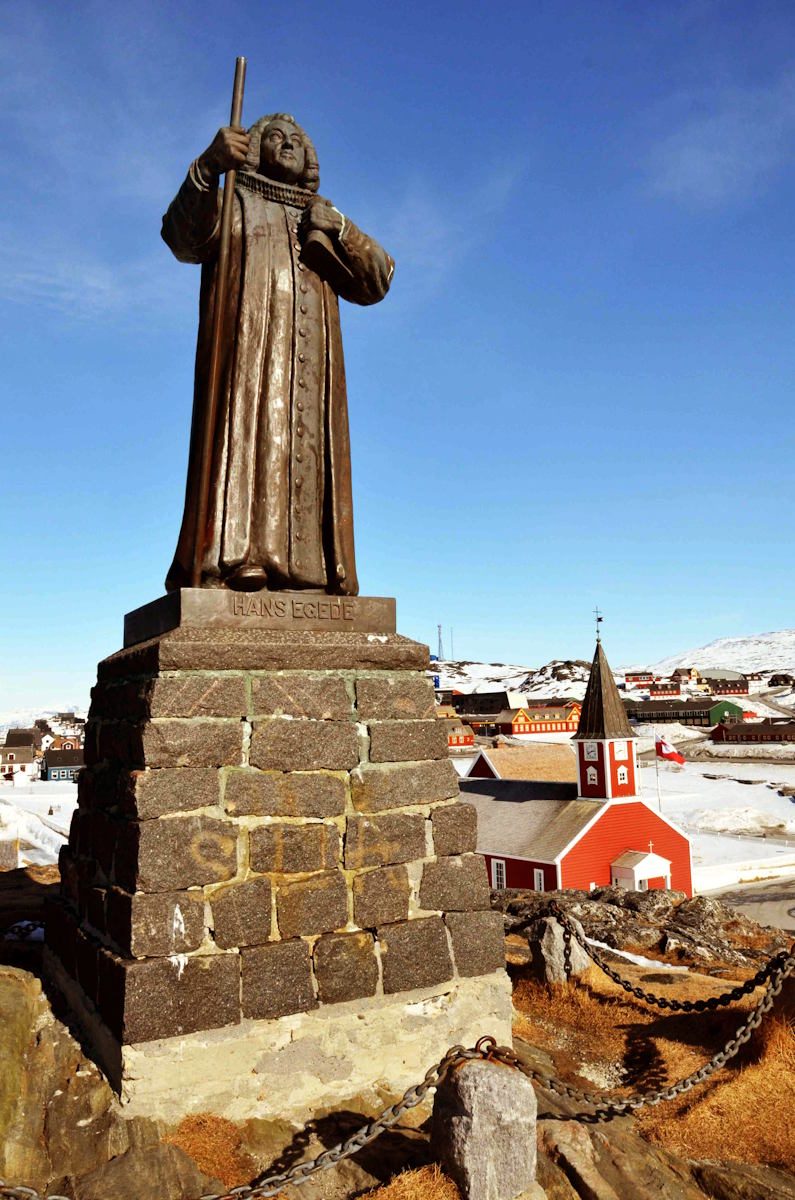
Hans Egede, a Norwegian priest, landed in Greenland in 1721 with backing from the united Dano-Norwegian crown. He thought Norse settlers were still there and needed spiritual guidance after missing the Protestant Reformation.
Instead, Egede found only Inuit communities. The Norse had completely disappeared. Egede switched gears and focused on converting the Inuit to Christianity.
This kicked off Denmark’s colonial period in Greenland. Egede’s mission set up the first permanent contact between Denmark-Norway and Greenland in centuries.
Over generations, the Inuit converted to Christianity and became tied to Denmark through colonial relationships. The Norwegian crown’s involvement through Egede laid the groundwork for Denmark’s modern claim to Greenland.
Colonial Era and Legal Foundations of Danish Sovereignty
Denmark started colonial rule over Greenland in 1721 and built its legal claim through trade monopolies, treaties, and court rulings. The Treaty of Kiel in 1814 and a 1933 international court decision made Danish sovereignty official.
Colonial Administration and Trade
Hans Egede’s arrival in 1721 kicked off formal Danish-Norwegian colonial administration. The Crown set up trading posts along the west coast and established a monopoly on all commercial activities.
Fishing, sealing, and resource extraction all fell under this system. The Royal Greenland Trading Company managed everything economic on the island.
Denmark kept foreign access limited to protect its commercial interests. The colonial government introduced policies that mixed Danish and Inuit cultures, though often at the cost of traditional Greenlandic ways.
Cryolite mining became a big deal in the 19th century, especially near Ivittuut. It was used for aluminum production and brought in significant revenue for Denmark.
Treaty of Kiel and U.S. Recognition
The 1814 Treaty of Kiel ended the Denmark-Norway union after the Napoleonic Wars. Norway went to Sweden, but the treaty said Greenland, Iceland, and the Faroe Islands would stay with Denmark.
This was the first modern international recognition of Denmark’s claim. The United States also played a part.
Denmark sold the Danish West Indies (now the U.S. Virgin Islands) to the U.S. in 1917. As part of that deal, the U.S. agreed not to challenge Denmark’s claim over Greenland, which became important when disputes cropped up in the 1920s.
Permanent Court of International Justice Ruling
Norway occupied parts of eastern Greenland in 1931, claiming it was unclaimed land. Denmark pushed back and took the dispute to the Permanent Court of International Justice in The Hague.
The court ruled on April 5, 1933, in the Eastern Greenland Case. Judges sided with Denmark for a few reasons:
- Denmark had kept an administrative presence since 1721.
- Treaty obligations were recognized by other countries.
- Danish law had been extended to the territory.
- No one else had competing claims.
The court found that Denmark showed enough authority to claim sovereignty. Norway withdrew its claims and accepted the ruling.
Integration Into the Kingdom of Denmark
After World War II, global pressure and changing attitudes about colonialism pushed Denmark to end Greenland’s colonial status. In 1953, Denmark changed its constitution to make Greenland an official part of the kingdom.
This gave Greenlanders citizenship rights and political representation they’d never had before. The Danish constitution was amended in 1953, turning Greenland from a colony into an integral county within Denmark.
Greenland was no longer under colonial law. It became subject to the same constitutional framework as Denmark itself.
Greenland got two seats in the Folketing, the Danish Parliament. These representatives could vote on laws affecting both Greenland and Denmark.
Danish laws applied to Greenland unless there were exceptions. The Royal Greenland Trading Company’s monopoly ended in 1951, just before these changes kicked in.
Impact on Citizenship and Representation
Greenlanders became full Danish citizens under the 1953 reforms. People could move freely to Denmark, access the same legal protections, and participate in national elections.
The two seats in parliament gave Greenland a voice in Danish politics. Danish authorities also started modernizing Greenland’s infrastructure and public services.
The public budget for Greenland grew as Denmark invested in transportation, housing, and schools. Many Greenlandic kids went to Denmark for education during this modernization push.
But with only two seats and a small population, Greenland didn’t have much influence over policies that affected it. That reality fueled later demands for more self-governance.
Danish Influence on Greenlandic Society
Integration brought rapid social and economic changes to Greenland. Danish became mandatory in schools, and Danish administrators filled government positions.
Danish cultural practices and institutions started to replace traditional ways of life in many communities. The Danish government invested heavily in developing Greenland’s economy and infrastructure.
New hospitals, schools, and modern housing replaced older settlements. These improvements raised living standards, but also created dependency on Danish financial support.
The Greenlandic language faced pressure as Danish took over in government, education, and business. This cultural shift sparked tensions that still linger today, even with Greenland’s increased autonomy.
Autonomy, Self-Government, and Path to Independence
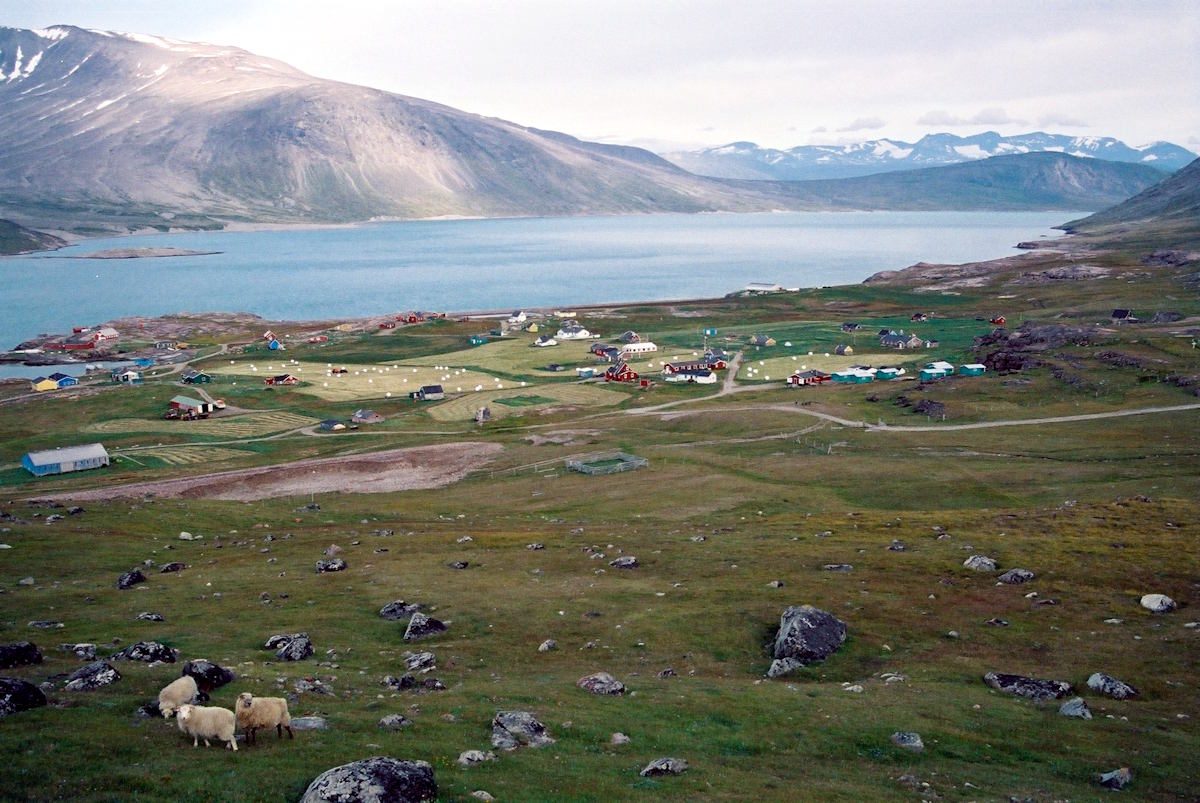
Greenland’s journey from colony to autonomous territory happened through two major legislative acts. The 1979 Home Rule Act and 2009 Self-Government Act gradually shifted more power to Greenland, though Denmark kept control over some key areas and continued financial support.
Greenland Home Rule Act of 1979
The Lov om Grønlands Hjemmestyre took effect on May 1, 1979. This law marked Greenland’s transition from colonial status to home rule.
The act established the Inatsisartut, Greenland’s parliament, which took charge of internal affairs like education, health care, and fisheries. Greenland could gradually take over more policy areas, while Denmark still handled constitutional matters, foreign affairs, defense, and monetary policy.
Home rule gave Greenland self-governance in local matters. Denmark managed external relations and security.
The act also recognized Greenlandic as the official language. It gave Greenlanders the ability to make decisions about natural resources and cultural affairs.
2009 Self-Government Act and Referendum
The Lov om Grønlands Selvstyre passed on June 21, 2009, after a referendum on November 25, 2008. About 75% of voters supported the self-government act, with turnout at 72%.
This act gave Greenland much more autonomy. It recognized Greenlanders as a distinct people under international law and affirmed the right to self-determination.
The law clearly states Greenland can choose independence if it wants. The 2009 act transferred control of justice, policing, and natural resource management to Greenland’s government.
Greenland gained authority over 32 areas of governance. Revenue from mineral extraction and oil drilling would go to Greenland, though Denmark’s annual block grant would shrink in response.
Distribution of Powers and Remaining Dependencies
Greenland now controls most domestic policy areas, including taxation, education, health services, and resource management. The Inatsisartut makes laws in these areas without needing Danish approval.
Denmark still handles foreign affairs, defense, monetary policy, and the Supreme Court. The Danish government provides an annual block grant of about $600 million, which is roughly one-third of Greenland’s budget.
Powers Under Greenlandic Control:
- Education and culture
- Health care services
- Fisheries management
- Mineral resource extraction
- Police and justice system
- Social services
- Taxation
Powers Retained by Denmark:
- Foreign policy
- Defense and security
- Currency and monetary policy
- Constitutional matters
- Final judicial appeals
This financial dependency limits Greenland’s practical ability to pursue full independence. With a population of about 56,000 spread across a massive territory, maintaining welfare services without Danish support looks tough.
Debate on Greenlandic Independence
Most political parties in Greenland support eventual independence, including Siumut, Inuit Ataqatigiit, Naleraq, and Nunatta Qitornai. Political figures like Jens-Frederik Nielsen have helped shape the conversation about how Greenland might achieve economic self-reliance.
Polls show broad support for independence in principle. People favor the idea, but most hesitate if it means losing the welfare state or seeing living standards drop.
Independence depends heavily on economic viability. The government hasn’t secured Danish agreement to keep financial assistance after independence.
Developing mineral resources, rare earth elements, and oil reserves could bring in revenue, but extraction faces environmental concerns and needs big foreign investment.
The 2009 Self-Government Act put the decision about independence entirely in Greenland’s hands. Greenland can start the process through a referendum at any time, but the economic obstacles are still significant.
Contemporary Relations, Geopolitics, and the Future
Greenland’s status within the Kingdom of Denmark keeps evolving as the island deals with global powers, economic dependencies, and its own cultural identity. The melting ice sheet and rich mineral deposits have turned this Arctic island into a hotspot for international competition.
Foreign Affairs, Defense, and International Law
Denmark handles Greenland’s foreign affairs and defense under their constitutional arrangement. National defense is a shared responsibility within the broader kingdom.
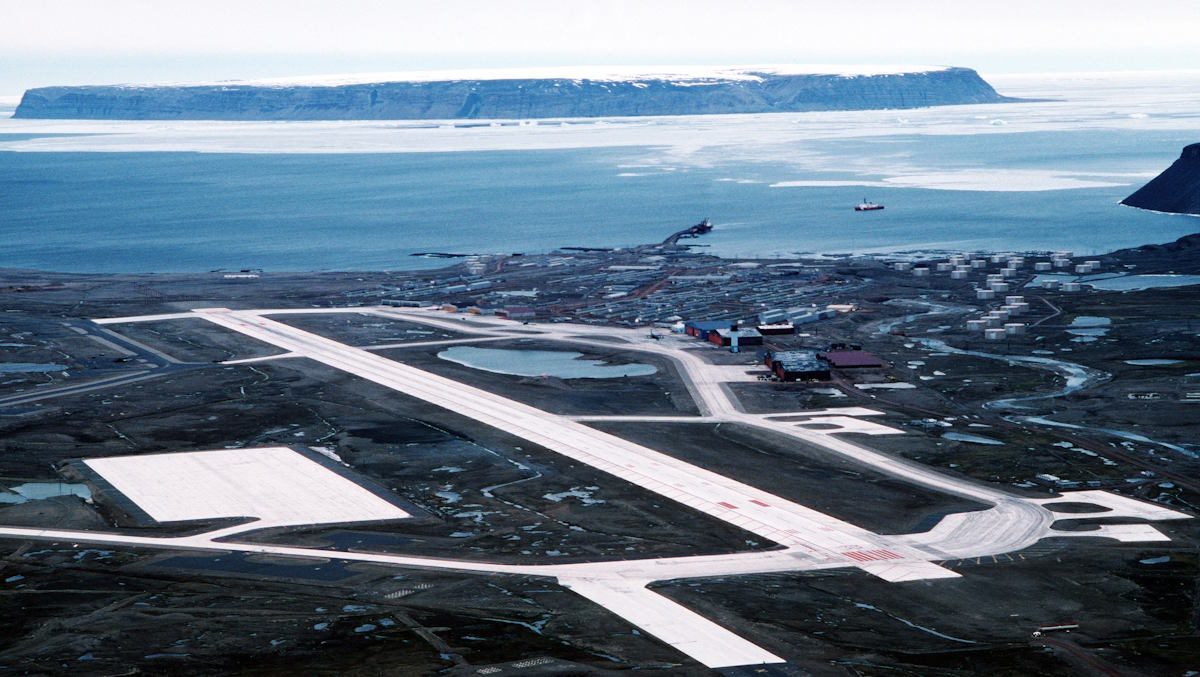
The United States runs Thule Air Base in northern Greenland, hosting a ballistic missile early-warning system that’s key for North American defense. This Cold War-era base still matters a lot for NATO operations in the Arctic.
Greenland takes part in some international discussions on its own, especially about Arctic and environmental issues. The island runs most domestic affairs but relies on Denmark for diplomatic representation and military protection.
Denmark announced plans to increase military presence around Greenland in 2025 as global tensions rose. International law protects Greenland’s status as Danish territory. Any change requires consent from both Denmark and Greenland’s government.
The principle of self-determination applies to Greenland’s future. Residents hold the final say over their political status.
Economic Dependencies and the Public Budget
Denmark provides about 3.4 billion Danish kroner each year as a block grant to Greenland’s public budget. Since Greenland uses the Danish krone, its monetary policy is tied to Copenhagen.
This subsidy covers roughly half of government spending. Fisheries bring in most of Greenland’s independent revenue, with shrimp and halibut exports going mainly to Europe and Asia.
Greenland struggles to achieve full economic self-sufficiency. Limited infrastructure, a tiny population, and tough Arctic conditions make development hard.
Mining for rare earth elements and other minerals could help, but costs are high and environmental worries remain. Tourism has grown as the ice sheet becomes more accessible, and many see sustainable tourism as key for Greenland’s future and financial independence.
Nuuk and Qaqortoq attract visitors interested in Arctic landscapes and Inuit culture. Still, climate change threatens traditional hunting and makes long-term economic sustainability uncertain.
Global Interest: United States, Russia, and China
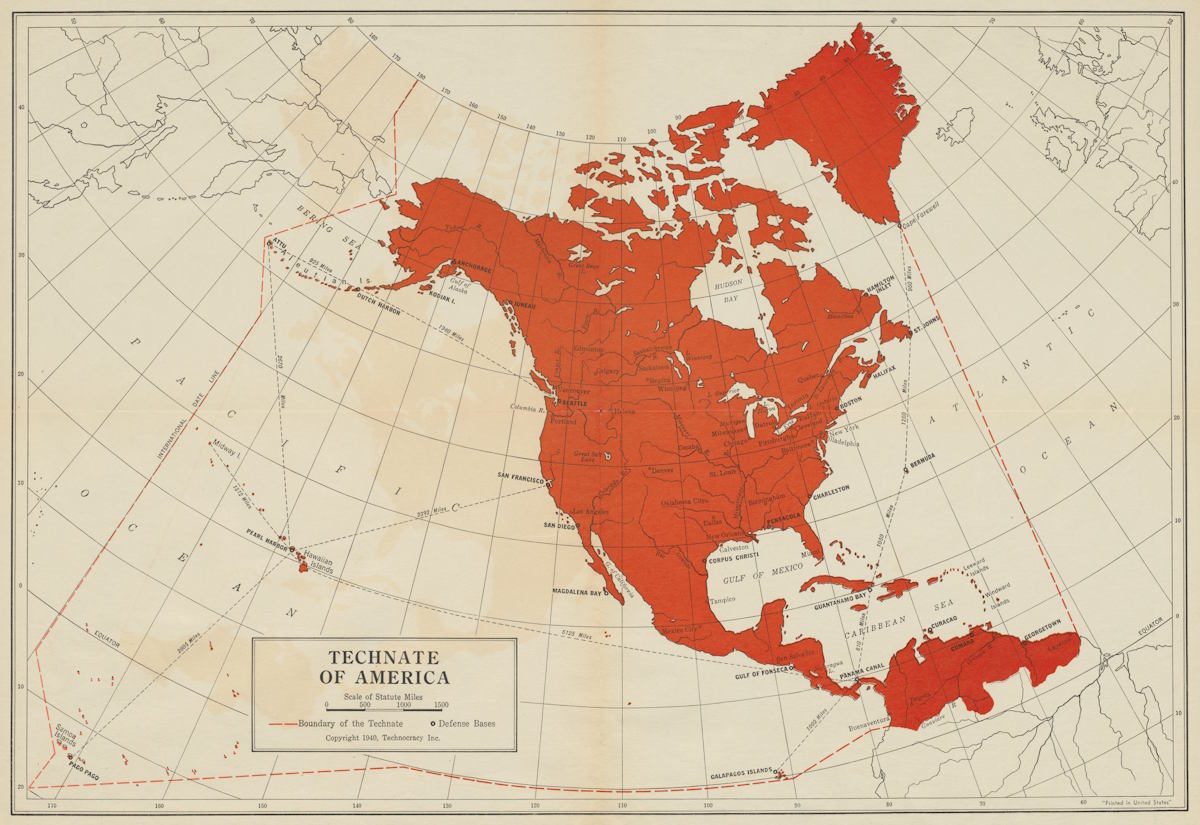
President Donald Trump repeatedly showed interest in buying Greenland, saying in March 2025 that “one way or the other, we’re going to get it” for national security reasons. These remarks strained U.S.-Denmark relations, and Danish Prime Minister Mette Frederiksen firmly rejected any transfer.
Russia has ramped up military activity in the Arctic since its 2022 invasion of Ukraine, ending years of scientific and diplomatic cooperation. China calls itself a “near-Arctic state” and has invested in mining infrastructure, but results have been limited so far.
The Arctic Council once fostered regional cooperation among the United States, Russia, Denmark, Canada, Norway, Sweden, Finland, and Iceland. Now, great power competition has fractured that approach.
Experts estimate that 22% of the world’s undiscovered oil and gas reserves could lie north of the Arctic Circle, ramping up international interest. Climate change might open new shipping routes by 2050, benefiting Russia and China by linking major ports directly.
The race for Arctic resources and trade has created three geopolitical poles: a Russia-dominated Eurasian Arctic, a European Arctic led by Nordic countries, and a North American Arctic with increasingly strained relationships. Honestly, it’s a bit of a mess up there.
Greenlandic Culture and Identity Today
Greenlandic culture centers on Inuit traditions, now woven into modern life. The Greenlandic language stays widely spoken, alongside Danish.
Traditional practices like hunting and fishing still shape daily life, especially in smaller settlements outside Nuuk. Young Greenlanders try to balance Indigenous heritage with global connections.
Social media and the internet have expanded cultural exchange, but some worry about preserving traditional knowledge. Elders keep passing down stories, hunting techniques, and spiritual practices to younger generations.
The melting ice sheet affects cultural practices tied to sea ice and permafrost. Changes in animal migration patterns disrupt traditional hunting seasons, challenging communities that have adapted to Arctic conditions for thousands of years.
Greenland’s path toward more autonomy—or maybe independence—reflects growing confidence in its identity. Political leaders talk up self-determination but admit the economic realities are tough. The debate over Greenland’s future is really for Greenlanders and Danes to sort out, even with all the outside pressure.
Frequently Asked Questions
Greenland’s connection to Denmark stretches back centuries, from Viking settlements to colonial rule, and now a path toward independence. The island has also drawn American interest because of its strategic spot on the map.
How did Greenland come under Danish control?
Greenland became part of Denmark through a series of historical events. In 1721, Hans Egede, a Norwegian priest, reestablished contact with Greenland for the Dano-Norwegian crown.
This started the colonial period. When Denmark and Norway split in 1814, Denmark kept Greenland as its territory.
The United States confirmed Denmark’s rights to Greenland in 1916 as part of a deal for the Danish West Indies. In 1933, the Permanent Court of International Justice ruled against Norway’s claim to parts of Greenland, locking in Danish control.
What is the historical timeline of Greenland’s political status?
Greenland was a Danish colony from 1721 through the mid-20th century. In 1953, Denmark incorporated Greenland into its kingdom and granted the island two seats in the Danish Parliament.
Home Rule arrived in 1979, including the formation of a Greenlandic Parliament. In 2009, Greenland gained self-rule through a new law that set up a framework for seeking independence.
This law confirmed that the decision to pursue independence would rest with the Greenlandic people.
Why did Norse settlements in Greenland cease, and how did it affect the island’s ownership?
The Norse first reached Greenland around 985 AD when Erik the Red set up settlements. These became part of a North Atlantic empire ruled from Norway.
The Norse lived in Greenland for several centuries. By the early 1400s, they disappeared with little trace.
Possible reasons include a colder climate making the island less livable and conflict with the Inuit, who were moving into Norse areas. When Hans Egede arrived in 1721, he found only Inuit people living there.
The Norse disappearance left a gap in European presence, letting Denmark-Norway create a new colonial relationship with Greenland in the 18th century.
What has been the relationship between Greenland and the United States?
American interest in Greenland goes back to the 19th century. Things really picked up during World War II after Germany invaded Denmark in 1940.
The Danish ambassador to the U.S., Henrik Kauffmann, offered the U.S. base rights in Greenland for the duration of the war. Afterward, Denmark stuck to these commitments.
From 1949, the U.S. and Denmark became NATO allies. The U.S. kept a presence in Greenland.
During the Cold War, the U.S. used Greenland to track Russian missiles, bomber planes, and nuclear-armed submarines. The island played a key role in American defense strategy.
What are the strategic interests that have led to the United States expressing a desire to acquire Greenland?
President Donald Trump showed interest in buying Greenland during his first term. He said it would help secure access to rare earth minerals and expand U.S. territory.
Trump also claimed Denmark wasn’t doing enough for U.S. security interests in Greenland. Some of his arguments sounded a bit far-fetched, but the idea got a lot of attention.
Greenland’s location is a big deal for tracking military threats in the Arctic. The island sits between North America and Europe, which makes it important for monitoring activities in the region.
But a January 2025 poll showed only 6% of Greenlanders wanted to join the U.S., with 85% against it. That’s a pretty clear message, isn’t it?
A February 2025 poll found that just 11% of Americans supported using military force to take control of Greenland. Most—69%—didn’t want that at all.
Greenlandic politicians have turned down American annexation proposals again and again. It’s not likely to change anytime soon.
What steps has Greenland taken towards greater autonomy or independence from Denmark?
Greenland has gradually taken control of more of its own affairs. In 1979, Home Rule gave Greenland its own parliament and authority over many domestic issues.
The 2009 Self-Rule Act expanded these powers. It also set out a clearer path to possible independence down the line.
Most Greenlanders would like independence someday. But polls show they hesitate if it means losing their welfare state.
Greenland has only about 56,000 people. They’re spread across a massive area—over 800,000 square miles.
The Greenlandic government relies on an annual block grant of around $600 million from Denmark. Denmark also helps with defense, the coast guard, and police.
Greenland would still need a lot of Danish support after independence. That’s a tough hurdle.