
When Germany invaded Poland in September 1939, Canada made a decision that would transform its military from a small, poorly equipped force into one of the world’s most significant fighting forces.
Over 1.1 million Canadians served in the army, navy, and air force during the Second World War, with the country ultimately fielding the world’s fourth-largest air force and third-largest navy by war’s end.
This massive mobilization came from a nation of just over 11 million people. That’s a pretty wild commitment to the Allied cause, honestly.
The transformation of Canada’s armed forces during the war years stands out as one of the most remarkable military expansions in history.
From a peacetime army of fewer than 5,000 regular soldiers and a navy with just six ocean-going ships, Canada built a formidable military machine that played crucial roles across multiple theaters of war.
The Royal Canadian Navy became the backbone of Atlantic convoy operations. Meanwhile, the Royal Canadian Air Force trained over 130,000 Allied aircrew and operated squadrons from Britain to the Pacific.
Canada’s military contribution wasn’t just about numbers. They brought innovative organizational structures, new equipment development, and took part in every major Allied campaign from the Battle of the Atlantic to D-Day.
The financial cost reached $21.8 billion. But the strategic impact? You just can’t put a number on it—Canada really did help secure Allied victory and cemented itself as a major military power.
Structure and Organisation of the Canadian Armed Forces
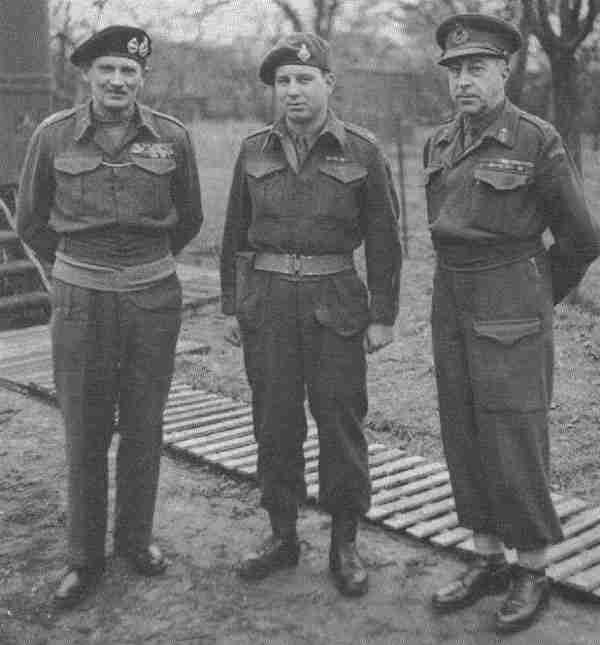
During World War 2, Canada organized its military into three distinct services: the Canadian Army, the Royal Canadian Navy, and the Royal Canadian Air Force.
Each had its own structure—divisions for the Army, coastal commands and fleets for the Navy, operational groups and squadrons for the Air Force.
Canadian Army Command and Divisions
The Canadian Army set itself up around numbered divisions that would serve in different theaters of war.
The 1st Canadian Division formed the backbone of Canada’s early overseas commitment in 1939.
By 1943, the army had grown to five full divisions. The 1st, 2nd, and 3rd Canadian Infantry Divisions fought in both the Mediterranean and Northwest Europe campaigns.
The 4th and 5th Canadian Armoured Divisions brought in mobile striking power. These armoured units included tank regiments, motorized infantry, and self-propelled artillery.
First Canadian Army took command of all Canadian divisions in Northwest Europe from 1944. Lieutenant-General H.D.G. Crerar led this formation during the liberation of the Netherlands.
The Canadian Corps allowed for flexible command of multiple divisions. Each division held three brigades, each brigade with three battalions plus supporting units.
Army headquarters in Ottawa handled training, equipment, and reinforcements. The militia system gave them a way to ramp up fast, going from a peacetime force of 4,000 to over 730,000 personnel.
Royal Canadian Navy Structure
The Royal Canadian Navy started tiny but grew into a major Allied naval power. They organized around two coastal commands and operational fleets.
Atlantic Command in Halifax ran convoy escort operations. This command quickly swelled to hundreds of corvettes, destroyers, and frigates protecting merchant shipping.
Pacific Command operated from Esquimalt on the west coast. This smaller force focused on coastal defense and anti-submarine patrols in Pacific waters.
The navy set up specialized flotillas for different jobs. Escort groups guarded convoys across the Atlantic. Tribal-class destroyers made up elite fighting squadrons.
Naval organization included shore establishments for training and support. HMCS Stadacona in Halifax and HMCS Naden in Esquimalt became major training centers.
The service grew from 3,500 personnel in 1939 to over 106,000 by 1945. That kind of growth needed new organizational structures and training programs all over Canada.
Royal Canadian Air Force Organisation
The RCAF built itself around numbered groups and squadrons for different operational roles. No. 6 Group was Canada’s big contribution to RAF Bomber Command.
Eastern Air Command defended Canada’s Atlantic approaches, operating from bases in the Maritimes and Newfoundland with patrol aircraft and fighters.
Western Air Command looked after the Pacific coast and Alaska approaches. Fighter squadrons and patrol planes worked out of British Columbia bases.
The British Commonwealth Air Training Plan forced a huge expansion. The RCAF set up training commands all over the country, with dozens of flying schools.
Overseas squadrons served under RAF command but kept a Canadian identity. Fighter, bomber, and coastal squadrons flew from Britain and other theaters.
The air force organized by aircraft type and mission. Heavy bomber squadrons flew Lancasters and Halifaxes. Fighter squadrons got Hurricanes, Spitfires, and whatever else suited their role.
Major Campaigns and Theatres
Canadian forces fought in multiple theaters from 1939 to 1945. The Royal Canadian Navy dominated Atlantic convoy operations, while the Canadian Army led ground campaigns in Italy and Northwest Europe.
The Royal Canadian Air Force played a big part in bombing campaigns and pilot training worldwide.
Battle of the Atlantic and Northwest Atlantic Operations
The Royal Canadian Navy played a huge role in protecting Allied shipping lanes across the Atlantic Ocean. German U-boats constantly threatened merchant vessels carrying vital supplies between North America and Britain.
The RCN grew from a handful of ships to over 400 by the end of the war. Destroyers, corvettes, and escort vessels focused on anti-submarine warfare.
Canadian naval forces escorted thousands of convoys through dangerous Atlantic waters. The first convoy, HX 1, left Halifax just six days after Canada entered the war in September 1939.
German U-boats brought the war right to Canadian waters during the Battle of the St. Lawrence. Enemy submarines sank 28 ships in Canadian waters, killing 360 people, including civilians on the SS Caribou in October 1942.
The Canadian Navy completed more than 25,000 Atlantic crossings during the war. By 1945, Canada ran the world’s third-largest navy—a huge leap from where they started.
Sicily, Italy, and Western Europe
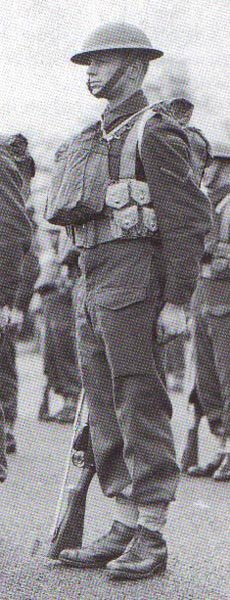
The Canadian Army saw its first major European combat during the invasion of Sicily in summer 1943. Before that, ground forces had been mostly inactive, except for the costly Dieppe Raid in August 1942.
Canadian troops fought through Sicily and into Italy, facing tough mountain terrain and determined German defenders. The 1st Canadian Infantry Division and, later, the entire I Canadian Corps pushed through these battles.
D-Day, June 6, 1944, became the most famous Canadian operation. The 3rd Canadian Infantry Division landed on Juno Beach in Normandy, joining the Allies in the liberation of Western Europe.
Canadian troops then advanced through France, Belgium, and the Netherlands. They helped close the Falaise Gap, liberated Dutch cities, and captured German positions along the Atlantic coast.
Pacific and Asian Theatres
Canada’s role in the Pacific Theatre was limited compared to the Atlantic and Europe. The Royal Canadian Air Force and Royal Canadian Navy Volunteer Reserve still sent personnel to various Pacific campaigns.
Canadian airmen flew with Royal Air Force squadrons in Burma, India, and other Asian areas. They did combat missions, transport runs, and reconnaissance flights all over the massive Pacific region.
Some naval personnel operated in Pacific waters, but most Canadian ships stuck with Atlantic convoy duty. A few Canadian vessels and crews did support Allied operations against Japanese forces.
The atomic bombings of Japan in August 1945 ended the war before Canadian ground forces could deploy to the Pacific. Canada had prepared for a possible invasion of Japan, but never got the call.
Home Front and Domestic Defence
Canada actually faced enemy action on its own soil during the war. German U-boats operated in the Gulf of St. Lawrence and attacked shipping along the east coast.
The Battle of the St. Lawrence brought submarine warfare to Canadian waters. German forces even shelled a lighthouse at Estevan Point on Vancouver Island—the only enemy attack on Canada’s Pacific coast.
Canadian forces built up coastal defenses and anti-aircraft positions across the country. The Pacific coast got special attention after Pearl Harbor, with real fears of Japanese invasion.
Home defense units trained throughout Canada while regular forces shipped out overseas. These domestic troops protected ports, industrial sites, and strategic transport links.
Equipment and Technological Contributions
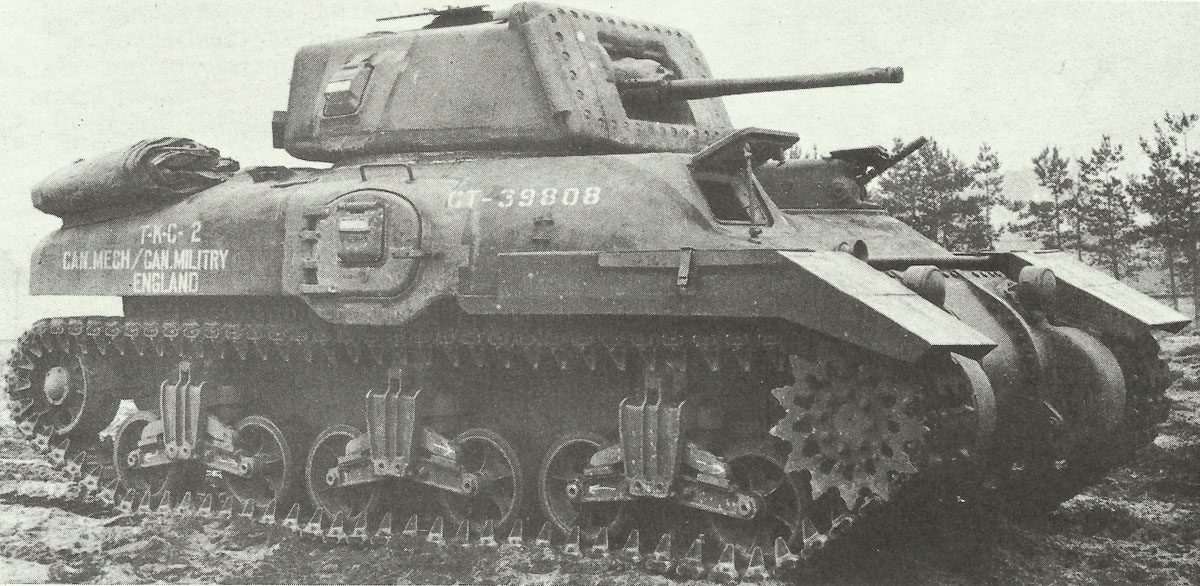
Canada made some pretty big technological leaps during World War 2. They produced corvettes that changed the game for convoy protection, built British aircraft designs at home, and came up with new weapons systems.
The country’s industrial capacity flipped from peacetime production to become a major supplier of military equipment for the Allies.
Navy Ships and Weaponry
The Royal Canadian Navy’s top contribution was the Flower-class corvette. These small warships became the backbone of convoy escort duties in the Battle of the Atlantic.
Canada built 111 corvettes during the war. Each ship was about 63 meters long and weighed barely 1,000 tonnes. Not huge, but absolutely essential for anti-submarine work.
The corvettes used simple, effective technology:
- ASDIC sonar systems to spot submarines
- Depth charge launchers and throwers
- 4-inch naval guns for surface fights
- Hedgehog anti-submarine mortars on later models
Canadian shipyards also turned out frigates, minesweepers, and landing craft. The navy operated destroyers from Britain and the United States, which carried more advanced radar and sonar gear.
By 1945, Canada had the world’s third-largest navy. That kind of rapid expansion forced them to adopt mass production techniques, making Canadian shipbuilding impressively efficient.
Army Vehicles and Armaments
The Canadian Army leaned hard on British and American equipment. Still, Canada cranked out a surprising amount of small arms and ammo at home.
Key Canadian-made equipment included:
- Bren light machine guns, built under license
- Lee-Enfield rifles from Canadian arsenals
- Artillery shells and small arms ammunition
- Universal Carriers (those little armored personnel vehicles)
The Dominion Arsenal in Quebec turned into the country’s main ammo hub. It shipped millions of rounds to Canadian and Allied troops throughout the war.
Canadian factories turned out vehicle parts and components, too. The auto industry ditched civilian cars and switched to assembling military vehicles—trucks, jeeps, and armored bits included.
The army mostly used British tank designs like the Sherman and Churchill. Canadian crews drove these tanks in Italy, Northwest Europe, and even for training back home.
Air Force Aircraft and Innovations
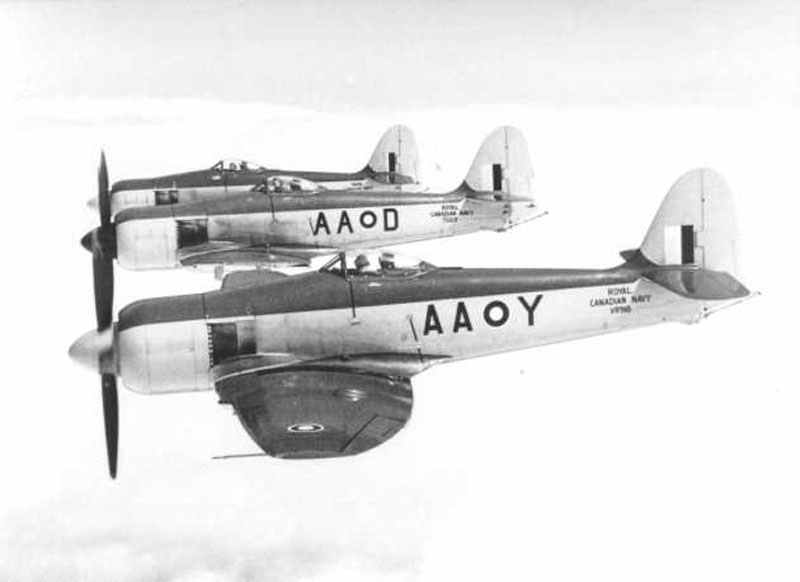
The Royal Canadian Air Force mostly flew British aircraft designs. But Canada set up its own aircraft production, and that really mattered for the war effort.
Major aircraft types used by the RCAF:
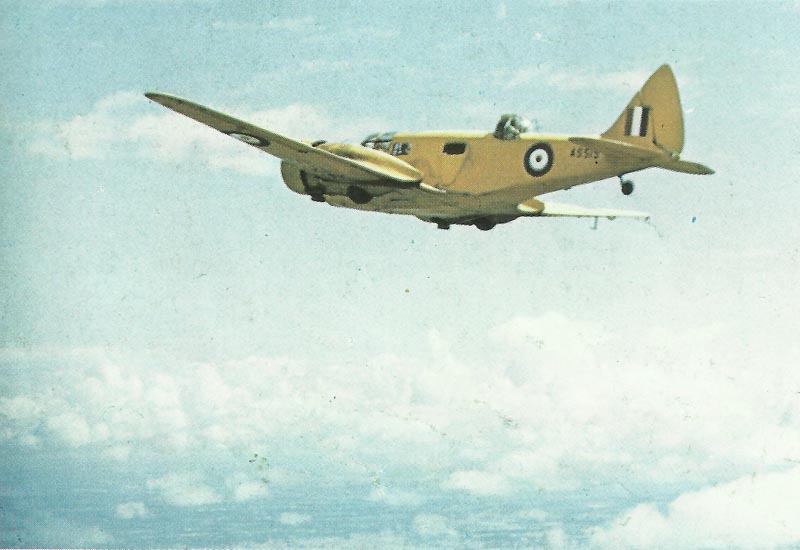
- Avro Anson trainers for teaching pilots
- Hawker Hurricane fighters for home defense
- Consolidated Canso flying boats for coastal patrol
- Handley Page Halifax and Avro Lancaster bombers
Canadian Car & Foundry in Fort William, Ontario, built 1,451 Hawker Hurricanes. Elsie MacGill oversaw the operation—people called her “Queen of the Hurricanes.” At their busiest, the plant turned out about 15 planes a week.
The British Commonwealth Air Training Plan was probably Canada’s biggest aviation legacy. Canadian facilities trained more than 131,000 aircrew from all over the Allies. That meant hundreds of training planes and a whole new aviation infrastructure popped up across the country.
Canadian companies also made aircraft parts, engines, and navigation gear. Those skills ended up laying the groundwork for Canada’s postwar aerospace industry.
Personnel, Strength, and Training
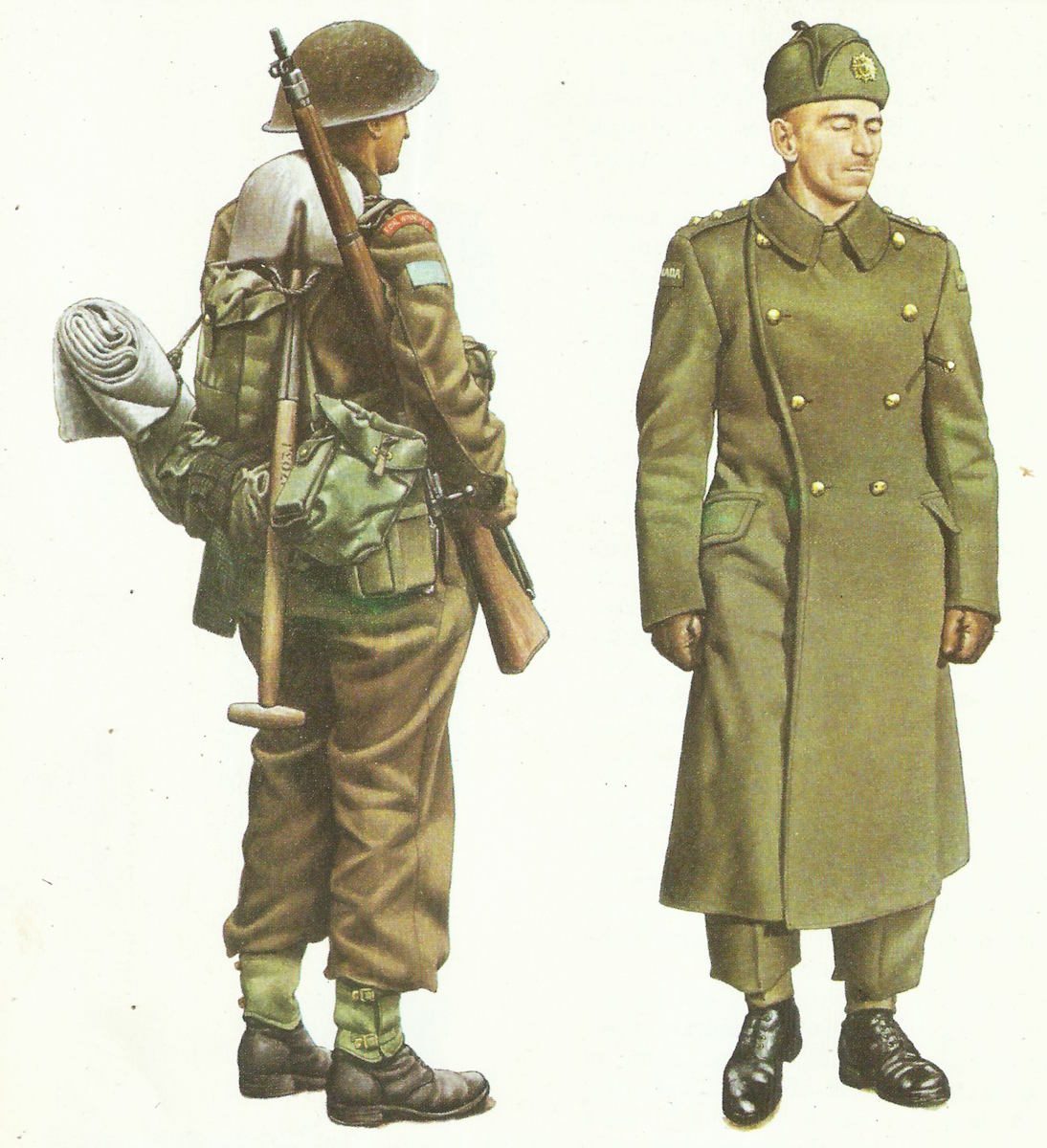
Canada went from a country with barely any military to a major Allied power by 1945, fielding over a million people in uniform. They rolled out huge recruitment drives, built massive training camps, and basically became the main spot for Commonwealth aircrew training.
Recruitment and Mobilisation
At the start of World War II, Canada had a tiny military. The Canadian Army counted just 4,500 regulars and 51,000 militia in 1939. The Royal Canadian Navy had fewer than 3,500 people and only six destroyers.
The government called for partial mobilization on August 25, 1939. Full mobilization came after Canada declared war on September 10. Unlike in World War I, Canada leaned mostly on volunteers instead of conscription for most of the conflict.
Recruitment campaigns aimed at different regions and groups. French-Canadian turnout stayed lower than among English Canadians. Women joined the auxiliary services and nursing corps in big numbers.
The National Resources Mobilization Act of 1940 made military service mandatory for home defense only. The government put off sending conscripts overseas until late 1944, which probably helped keep the country together while growing the armed forces.
Recruitment centers popped up all over Canada. The military took men between 18 and 45. Over time, they eased up on physical and mental requirements to meet the growing need for troops.
Strength Growth and Service Numbers
Canadian military numbers shot up as the war went on. By 1945, about 1.1 million Canadians had served—roughly 10% of the whole population.
The Canadian Army became the biggest branch:
- 730,000 served in the army during the war
- 495,000 went overseas to fight
- Peak army strength hit 494,000 in early 1945
The Royal Canadian Navy saw the wildest growth:
- Started with 3,500 and ballooned to over 100,000
- Ranked as the world’s third-largest navy by 1945
- Ran 471 combat vessels at the end of the war
Royal Canadian Air Force numbers:
- Jumped from 4,000 to 249,000 members
- Included 17,000 women in the Canadian Women’s Auxiliary Air Force
- Operated from bases all over Canada and abroad
British Commonwealth Air Training Plan
The British Commonwealth Air Training Plan was probably Canada’s biggest wartime gift to the Allies. The program trained aircrew from all over the Empire and Commonwealth.
Canada hosted the world’s largest air training set-up. The plan opened 107 schools and training centers countrywide, with most in the Prairies—probably because of the good weather and wide-open skies.
Some numbers show just how big it got:
- 131,553 aircrew graduated from Canadian schools
- 72,835 were Canadian
- 42,110 came from Britain, Australia, and New Zealand
The program cost Canada over $1.6 billion, or about 20% of the total war bill. Britain sent the planes; Canada provided the space, teachers, and mechanics.
Canadian instructors trained pilots, navigators, bombardiers, and gunners. The program turned out more aircrew than any other Commonwealth country. Plenty of grads ended up flying with Royal Canadian Air Force squadrons in Europe and the Pacific.
Casualties, Losses, and Lasting Impact
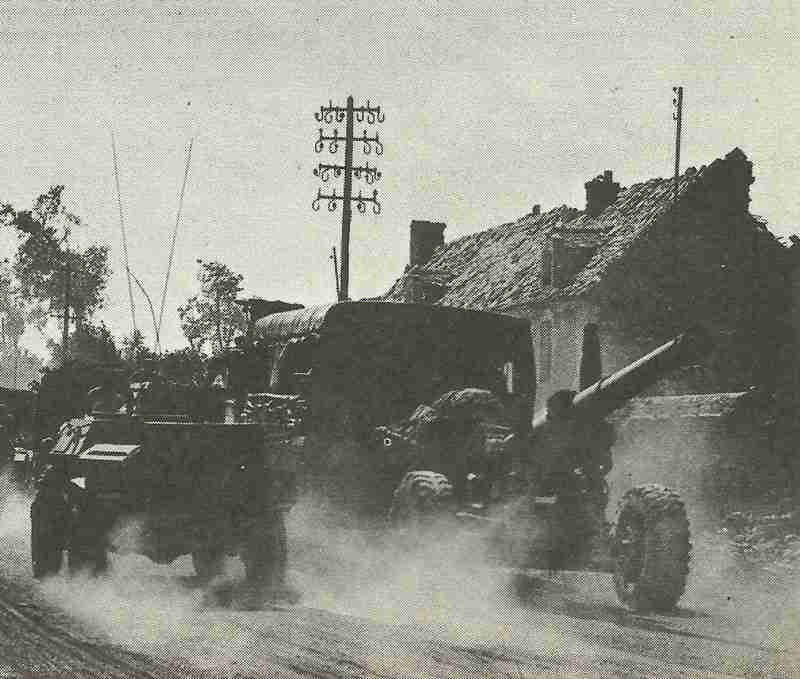
World War II cost Canada dearly in both lives and gear. The three branches lost over 44,000 people and took heavy hits to ships, planes, and vehicles in every theater.
Military and Civilian Losses
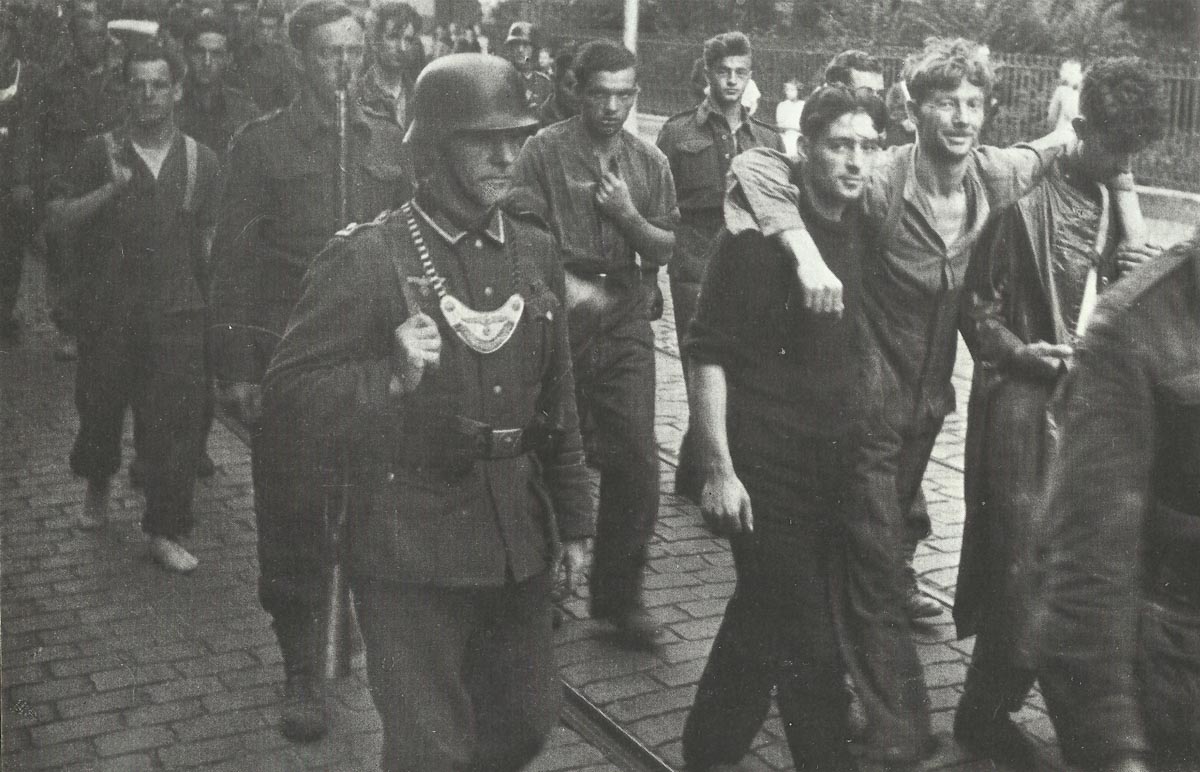
Canada lost about 44,090 military personnel during World War II. It was the biggest military loss in Canadian history.
The Canadian Army took the hardest hit, with 24,525 deaths out of 709,000 who served. Most of these happened in Italy, Northwest Europe, or at Dieppe.
The Royal Canadian Air Force lost 17,397 airmen from 250,000. A lot died on bombing runs over Europe, whether as part of the air training plan or in operational squadrons.
The Royal Canadian Navy recorded 2,168 deaths among 200,000 sailors. Most of these came from U-boat attacks during the Battle of the Atlantic.
Civilian casualties stayed pretty low compared to other Allies. German U-boats did sink a few merchant ships off Canada’s coast, killing some crew and passengers.
The Merchant Navy lost hundreds of sailors running cargo across the Atlantic. These civilian mariners braved constant U-boat danger to get supplies to Britain.
Naval and Air Force Ship and Aircraft Losses
The Royal Canadian Navy lost a good number of ships during Atlantic convoy duty. 24 warships went down, including destroyers, corvettes, and frigates—mostly to U-boat torpedoes.
Some notable ships lost:
- HMCS Athabaskan – destroyer sunk in the English Channel
- HMCS Ottawa – destroyer torpedoed in the Atlantic
- HMCS Spikenard – corvette lost with most of its crew
The Royal Canadian Air Force took heavy aircraft losses in Europe. More than 2,000 planes were lost to enemy action, breakdowns, or training crashes.
Bomber Command operations chewed up the most aircraft. Canadian squadrons flying Halifax and Lancaster bombers faced brutal German fighters and flak.
Fighter squadrons flying Spitfires and Hurricanes lost plenty of planes during the Battle of Britain and other European campaigns. Training accidents in Canada also cost lives and aircraft.
Recognitions and Decorations
Canada handed out thousands of medals for bravery and service during the war. The government set up new honors just for Canadian forces.
Victoria Crosses went to 16 Canadians—the highest military honor there is. Winners came from all three services for acts of serious courage in combat.
The Distinguished Service Order and Distinguished Flying Cross recognized outstanding leadership and flying skill. Hundreds of Canadian officers received these.
Campaign medals went to everyone who served in specific theaters. The Canadian Volunteer Service Medal honored all who served, with extra clasps for overseas duty.
Canada created the Memorial Cross for mothers and widows of the fallen. This silver cross became a lasting symbol of sacrifice and remembrance for Canadian families.
Legacy of Canada’s Military in World War 2
World War II really changed Canada, turning it from a small military player into a force with global reach. The war made Canada a “middle power” and shaped its armed forces for decades.
Postwar Military Developments
The war completely reshaped Canada’s military. By 1945, Canada had the fourth largest air force and third largest navy in the world. That’s a huge leap from under 10,000 personnel before the war to over 1.1 million by the end.
The Royal Canadian Navy stood out as a major Atlantic force. It grew from 6 ships in 1939 to over 400 by 1945, including three aircraft carriers and two cruisers. Canada had become a real maritime power.
The Royal Canadian Air Force became central to postwar defense. The British Commonwealth Air Training Plan had trained over 130,000 Allied pilots in Canada, setting the country up as a leader in aviation training and operations.
Canada’s wartime manufacturing stuck around after 1945. The country had built up advanced production for planes, ships, and munitions, which helped with military modernization later on.
The war cemented Canada’s commitment to international military cooperation. Canadian forces worked closely with British and American units from Italy to Northwest Europe. That legacy stuck around long after the shooting stopped.
Commemoration and Memory
Canada’s military sacrifice in World War 2 really shaped national identity. Around 42,000 Canadians died and another 55,000 were wounded during the war.
These losses hit hard, especially considering Canada’s population was just 11.5 million at the time.
Major battles like D-Day at Juno Beach stand out in Canadian military history. The 3rd Canadian Infantry Division landed successfully on June 6, 1944, and really showed what Canadians could do on the world stage.
The Canadian Battlefields Foundation and similar groups keep these memories alive. They run educational tours and commemorative events to honor Canada’s wartime efforts.
Veterans’ organizations have always played a big part in keeping wartime memories front and center. They made sure Canada’s military contributions didn’t get overshadowed by those of bigger Allied countries.
The war’s legacy shaped Canadian military doctrine and training for decades. Lessons from combined operations, logistics, and working with other nations changed how Canada developed its military after the war.
Frequently Asked Questions
Canadian forces took part in major European campaigns and naval battles in several theaters. The military grew from a small peacetime force to over a million people serving in the army, navy, and air force, with heavy combat losses along the way.
What were the key military campaigns involving Canadian Armed Forces during World War 2?
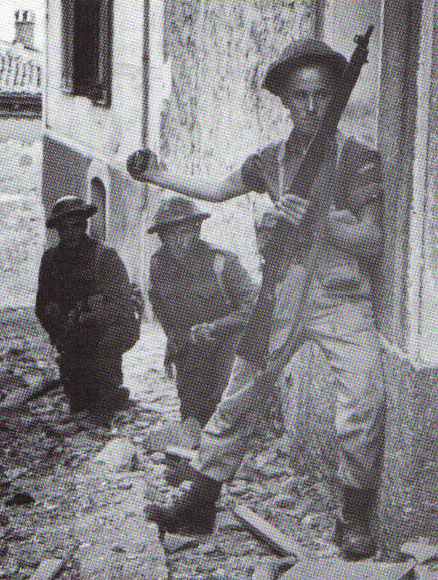
The Canadian Army played big roles in the Allied invasion of Sicily and Italy, starting in 1943. Canadians were also heavily involved in the D-Day landings at Normandy in June 1944.
The First Canadian Army fought in the liberation of the Netherlands and other operations across Northwest Europe. Canadian units stayed in combat until Germany surrendered on May 5, 1945.
The Royal Canadian Navy guarded vital Atlantic convoys that brought supplies to Britain. Canadian ships hunted German U-boats throughout the Battle of the Atlantic from 1939 to 1945.
The Royal Canadian Air Force flew bombing missions over Germany and protected North American airspace. Canadian pilots joined fighter squadrons during the Battle of Britain in 1940.
How was the Canadian Armed Forces structured and organized during World War 2?
In November 1940, the Canadian Militia changed its name to the Canadian Army. The force split into Canadian Army (Active) and Canadian Army (Reserve) components.
The Canadian Army built the First Canadian Army under General Henry Crerar. It became the largest Canadian field army ever, with over 450,000 people.
This time, most mobilized units came from existing militia battalions, not freshly created formations. The army stuck with its regimental system throughout the war.
Canadian forces usually operated under British higher command during major operations. Each branch kept its own identity and command structure, which seems important in hindsight.
What types of equipment and weaponry did the Canadian Armed Forces utilize in World War 2?
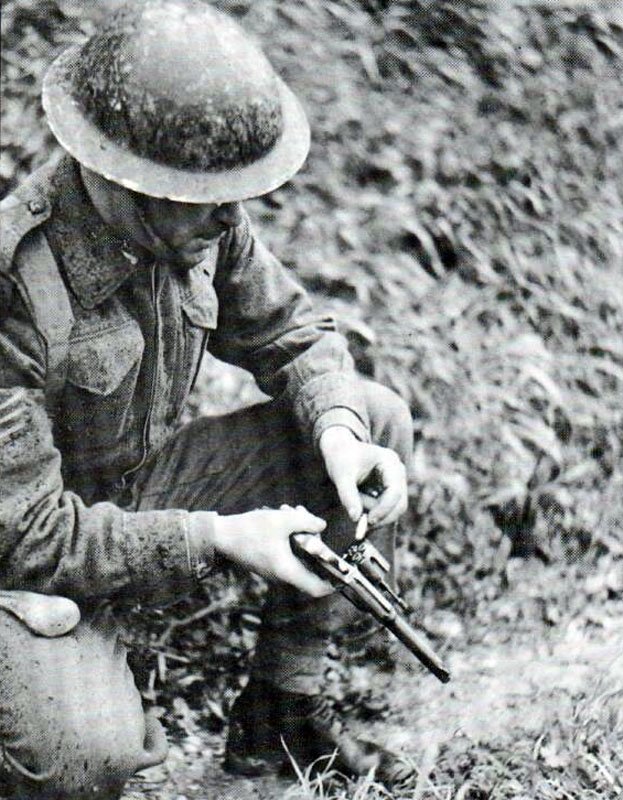
The Canadian Army used British weapons like the Lee-Enfield rifle and Bren light machine gun. They also operated Sherman tanks and different types of artillery.
The Royal Canadian Navy sailed destroyers, corvettes, and frigates built in Canadian shipyards. Many of these ships were designed specifically for escorting convoys in the Atlantic.
The Royal Canadian Air Force flew British aircraft such as Hurricane and Spitfire fighters. Canadian pilots also took heavy bombers like the Lancaster and Halifax into combat.
Canadian factories produced a lot of military equipment at home. They built aircraft, ships, vehicles, and ammunition for the Allies all over the world.
What was the total strength of the Canadian Armed Forces throughout World War 2?
About 730,000 people served in the Canadian Army during World War 2. That’s a huge leap from the small force Canada had in 1939.
The Royal Canadian Navy grew from almost nothing to become the world’s fourth-largest navy by 1945. More than 100,000 people served in the navy during the war.
The Royal Canadian Air Force expanded quickly to support combat and the British Commonwealth Air Training Plan. Over 200,000 people served in the air force.
Altogether, more than one million Canadians served in the armed forces during the war years. That includes both active service and those in training roles.
How many casualties did the Canadian Armed Forces suffer during World War 2?
The Canadian Army lost about 24,500 people during World War 2. That was the highest casualty count among the three branches.
Total Canadian military deaths reached around 45,000 across all services. The Royal Canadian Air Force, especially bomber crews, suffered particularly high losses.
The Royal Canadian Navy lost thousands of sailors in Atlantic convoy battles and other naval actions. Many died when ships were torpedoed by German submarines.
Canadian casualty rates were lower than in World War 1, even though the war lasted longer. Improved medical care and better tactics helped reduce the number of deaths compared to the earlier conflict.
What were the contributions of Canadian soldiers to the Allied effort in World War 2?
Canadian forces liberated much of the Netherlands in 1945. They also freed parts of northwestern Germany.
People in the Netherlands still celebrate Canadian liberation efforts. It’s honestly pretty moving to see that gratitude last for generations.
The Canadian Army captured key strategic positions during the Italian campaign. Ortona stands out as a tough win.
Canadian units fought through difficult mountain terrain. They really proved themselves in those brutal conditions.
Canadian naval forces escorted thousands of merchant ships across the Atlantic Ocean. These convoys delivered crucial supplies that kept Britain in the fight against Germany.
The British Commonwealth Air Training Plan trained over 130,000 Allied aircrew in Canada. President Roosevelt even called it “the aerodrome of democracy.”
References and literature
The Armed Forces of World War II (Andrew Mollo)
Krieg der Panzer (Piekalkiewicz)
Luftkrieg (Piekalkiewicz)
World War II – A Statistical Survey (John Ellis)
Der Grosse Atlas zum II. Weltkrieg (Peter Young)
The Canadian Army at War (Mike Chappell)
Canadia Forces in World War II (Rene Chartrand)