
On February 24, 2022, Russia launched a full-scale invasion of Ukraine. This became the deadliest conflict in Europe since World War II.
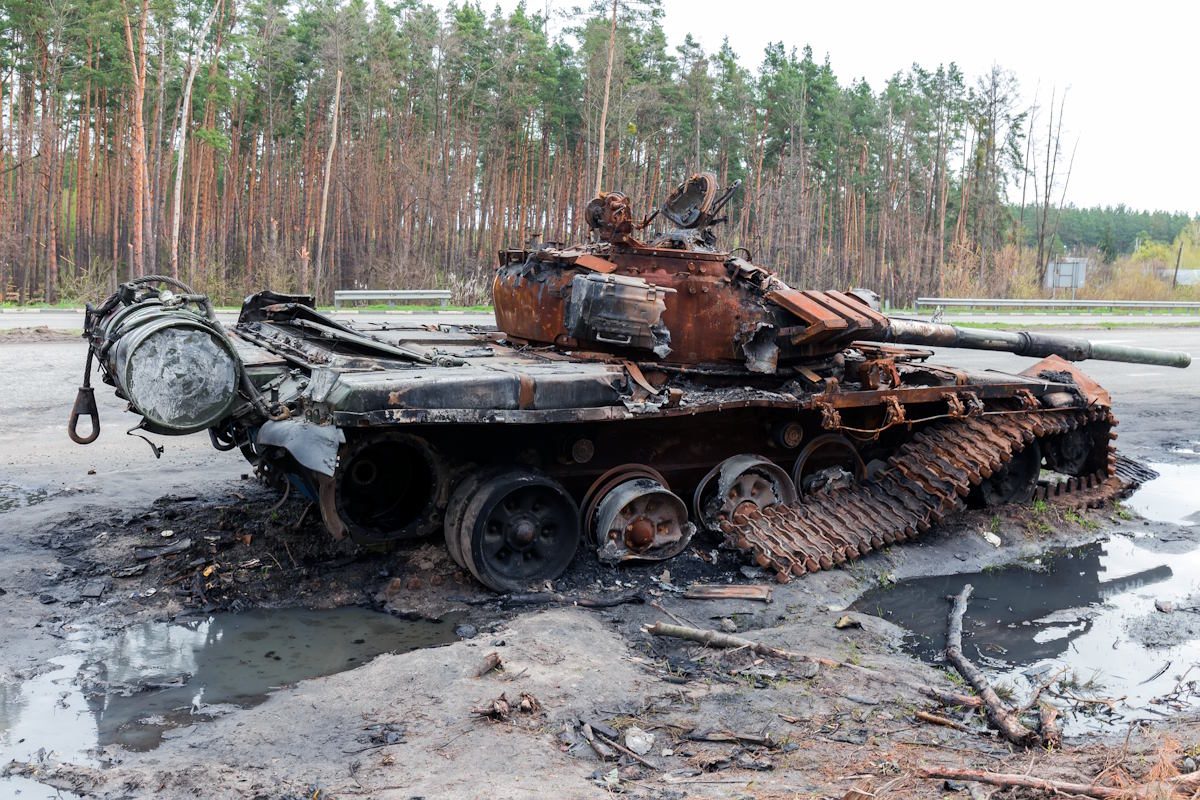
What began as a massive air, land, and sea assault quickly turned into a grinding war. Four years later, the fighting has reshaped global politics, displaced millions, and led to over 1.2 million Russian casualties along with tens of thousands of Ukrainian civilian deaths.
The Russia-Ukraine war shifted from rapid territorial battles in 2022 to a drawn-out struggle marked by trench warfare, international sanctions, and steady Western military support. The fighting stretches from the eastern Donbas to the south, with neither side able to claim clear victory.
Russia pays dearly for small territorial gains. Ukraine holds out with significant help from its allies.
This article digs into the war’s evolution from its explosive start through four years of combat. It explores the political decisions, the human toll, and how the world has responded.
You’ll also find details on key battle zones, economic fallout, and a glance at what might be next as the war heads into its fifth year.
From Invasion to Prolonged Conflict: 2022–2026
The 2022 Russian invasion kicked off Europe’s deadliest conflict since World War II. On February 24, Russian forces launched a full-scale assault that quickly escalated into a high-intensity war.
This conflict soon shifted from Russia’s attempt at a quick victory to a drawn-out fight marked by strategic counteroffensives and heavy losses on both sides.
Initial Invasion and Russian Military Buildup
Russian troops entered Ukraine from several directions on February 24, 2022, calling it a “special military operation.” They attacked from Belarus in the north, Russia in the east, and Crimea in the south, hitting major cities with missile strikes and armored columns.
For months before the invasion, Russia built up its military along Ukraine’s borders. The attack marked a sharp escalation of a conflict already simmering since the Euromaidan protests and Crimea’s annexation in 2014.
In eastern Ukraine, Russian-backed separatists held parts of the Donbas. The initial Russian strategy seemed aimed at capturing key cities quickly, including Kyiv.
Russian forces pushed toward several urban centers at once. But Ukrainian resistance was much tougher than Moscow expected, and Russian troops suffered major early setbacks.
Major Frontlines and Territorial Changes
The map of the war changed a lot between 2022 and 2026. By early 2026, Russian troops controlled about 20 percent of Ukrainian territory, gaining more than 4,000 square kilometers in 2024 alone.
Key territorial developments included:
- Russian forces seized Siversk in December 2025
- Russian troops likely captured Hulyaipole (pre-war population of 13,000) in early 2026 after three months of fighting
- Fighting stayed intense near Slovyansk and Kramatorsk, with Russians only about 23 kilometers from Slovyansk
- Russian advances toward Zaporizhzhia City moved slowly, with troops still roughly 35 kilometers from Orikhiv in the Hulyaipole direction
As time went on, the frontlines grew more static. Russian troops made slow, costly gains instead of sweeping advances.
Ukrainian forces launched counteroffensives in places like the Kupyansk direction, pulling Russian reserves away from other hot spots.
Key Military Campaigns and Counteroffensives
Ukrainian troops carried out major counteroffensives to retake lost ground. In late 2025 and early 2026, their push in the Kupyansk direction forced Russian commanders to shift reserves from Lyman to hold the line.
Russian forces ran sustained air campaigns to hit Ukrainian supply lines before ground attacks. In the Hulyaipole area, they spent months bombing logistics in fall 2025, then advanced in November.
Both sides kept changing tactics. Russian troops leaned on small-group infiltration missions in places like Kostyantynivka and Lyman after larger attacks stalled.
Ukrainian troops showed they could counterattack and retake positions, as in Mala Tokmachka. By February 2026, Russian commanders were gearing up for a planned summer offensive toward Slovyansk-Kramatorsk and Orikhiv-Zaporizhzhia City, but struggled to gather enough reserves.
Evolution of Russian and Ukrainian Strategies
Russia shifted from trying to grab territory fast to a war of attrition. This cost them nearly 1.2 million casualties since 2022—more than any major power in any war since World War II.
Despite these losses, Russian forces gained little land. Ukraine leaned on technology and Western support, launching long-range strikes deep into Russian territory.
SpaceX blocked unregistered Starlink terminals in February 2026, which threw a wrench into Russian operations and forced them to scale back assaults and drone strikes.
Both armies struggled with personnel and equipment shortages. Russia found it hard to replace losses and often had to use up reserves just to keep fighting, making it tough to plan for bigger operations.
The Russian military command faced tough choices—use limited reserves for current battles or save them for future offensives. Diplomacy went nowhere. The Kremlin refused Western security guarantees for Ukraine and kept pointing to the April 2022 Istanbul talks, which would’ve left Ukraine vulnerable.
Political Leadership and Decision-Making
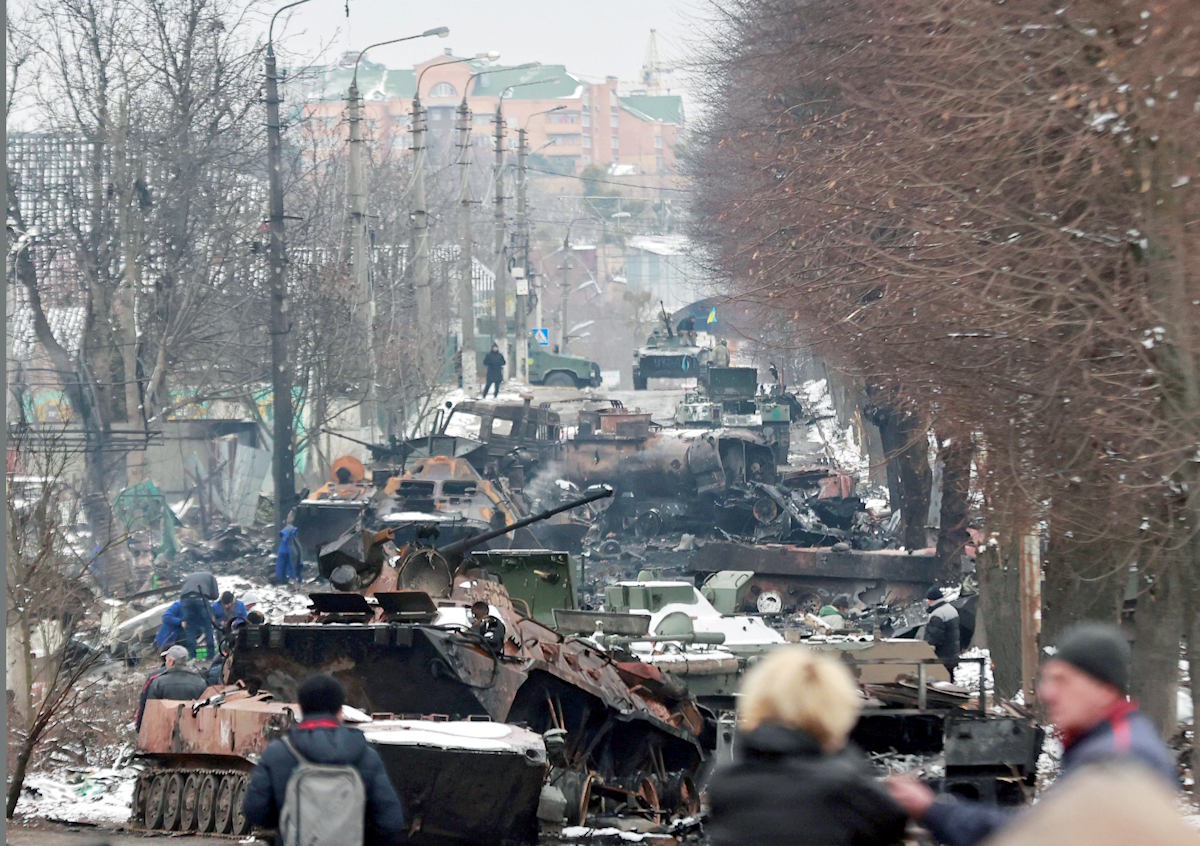
Belarus played a key role as a staging ground for Russian troops. Diplomatic efforts, meanwhile, just didn’t stick.
Russian Command Under Vladimir Putin
President Vladimir Putin decided to launch the full-scale invasion on February 24, 2022, barely consulting his closest advisors. The Kremlin put all major military and strategic decisions under Putin’s direct control.
This top-down approach left little room for military professionals, slowing down responses to changing conditions on the ground. Putin described the war as vital for Russia’s security and survival, claiming NATO expansion threatened Russian interests and Ukraine needed “denazification.”
Those justifications kept shifting as the war dragged on and initial goals failed. Putin swapped out several military commanders in the first two years, including briefly putting General Sergei Surovikin in charge before replacing him again.
These shakeups showed Moscow’s frustration over battlefield failures, even with more troops and resources. Putin kept public opinion on his side through tight media control and cracking down on dissent. Opposition voices faced arrest or exile, and the Kremlin insisted the war was defensive, not aggressive.
Ukraine’s Response Under President Volodymyr Zelenskyy
President Zelenskyy refused to leave Kyiv in the early days of the war. His choice to stay became a rallying point for Ukrainian morale and shaped international views of the conflict.
Zelenskyy’s background in media helped him connect with global audiences. Between 2022 and 2026, he addressed parliaments and international bodies dozens of times, securing billions in military aid from the West.
His direct appeals kept Ukraine’s defense needs in the spotlight. Zelenskyy kept civilian control over the military but let commanders make tactical calls, which proved more adaptable than Russia’s rigid system.
He picked and kept military leaders based on results, not politics. The president balanced the goal of reclaiming territory with what Ukraine could realistically achieve, insisting on recovering all occupied land but adjusting timelines as the war dragged into attrition.
Role of Belarus and Proxy Forces
Belarus let Russian troops use its territory to launch the initial attack on Kyiv in February 2022. President Alexander Lukashenko gave this support but kept Belarusian troops out of the fighting.
Russian units attacked from Belarusian soil, shortening the route to Ukraine’s capital. Throughout the war, Belarus hosted Russian equipment and soldiers, with its airbases and railways helping Russian logistics.
Lukashenko’s government didn’t face much more than existing sanctions from 2020. Russian proxy forces, mostly in the Donbas, operated as the Luhansk and Donetsk People’s Republics, using local fighters and Russian personnel.
The Kremlin leaned on these proxies to keep some distance from direct involvement in certain operations. Wagner Group mercenaries played a big role until mid-2023, when their leader openly challenged Russian military authority.
After that, the Kremlin absorbed many Wagner fighters into the official military or sent them to Africa. The whole episode felt chaotic and revealed cracks in Russia’s command structure.
International Negotiations and Attempts at Settlement
Early talks in Belarus in March 2022 went nowhere. Russian and Ukrainian delegations met several times in the first months, but negotiations fell apart over territorial demands and security guarantees.
Turkey brokered grain export deals that got Ukrainian farm products to world markets. Russia kept suspending its participation, then pulled out for good in 2023.
China floated peace plans in 2023 and 2024, but they didn’t catch on. Western countries saw Beijing’s proposals as slanted toward Russia, and Ukraine rejected any deal requiring permanent territorial loss.
Multiple ceasefire proposals fizzled between 2022 and 2026. Russia wanted recognition of occupied territories and limits on Ukraine’s alliances. Ukraine insisted on full Russian withdrawal and restoration of 1991 borders. No one found a middle ground.
Humanitarian Impact and War Crimes
Civilian Casualties and Displacement
Thousands of civilians have died or suffered injuries across Ukraine. July 2025 saw the highest civilian casualties since April 2022.
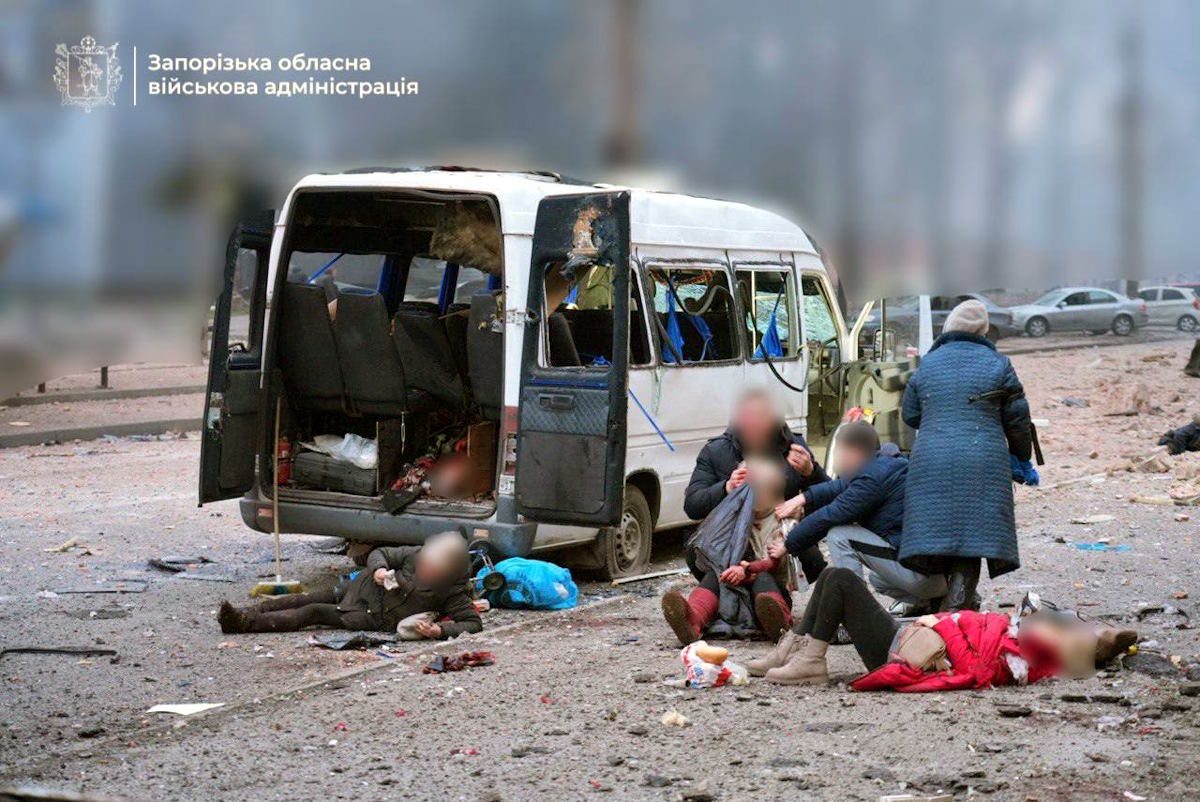
On November 19, 2025, a drone and missile strike killed at least 36 civilians in Ternopil—the deadliest attack in western Ukraine since the start of the war.
Frontline regions endure especially harsh conditions. Drones and aerial bombs have wrecked homes and vital infrastructure.
Many hospitals and clinics shut down or got destroyed, leaving people without basic healthcare. Water, heating, and electricity disruptions made some areas impossible to live in.
Russian troops launched eight major attacks on Ukraine’s energy grid in October and November 2025. These strikes caused widespread power outages and daily blackouts lasting up to 18 hours in several regions.
Some communities went days without water or heat. The war has triggered a refugee crisis, forcing millions of Ukrainians to flee their homes.
Evidence of War Crimes and Mass Graves
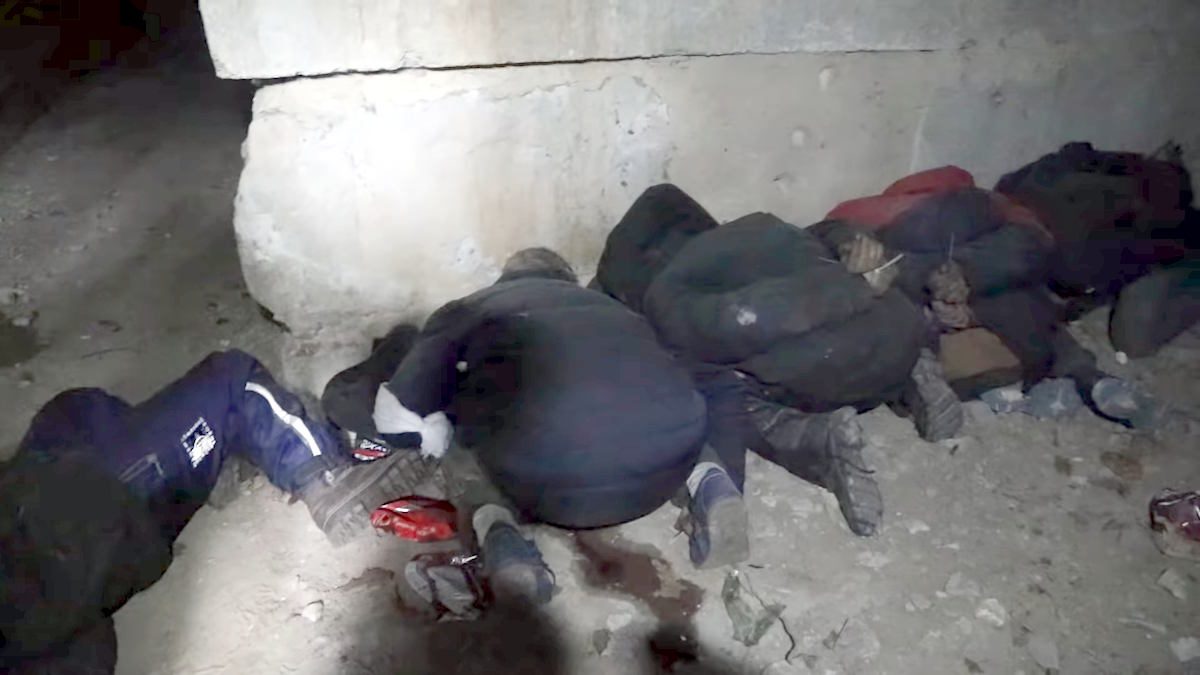
Several international organizations have documented war crimes by Russian forces. Bucha became a symbol of atrocities after Ukrainian troops retook the town and found mass graves filled with civilian bodies.
Investigators uncovered evidence of deliberate killings, torture, and sexual violence against Ukrainian civilians. Russian forces have targeted civilian sites, including hospitals and medical facilities.
The UN Human Rights Monitoring Mission reported systematic torture and abuse of prisoners. Of 187 recently freed Ukrainian prisoners of war, 185 described severe beatings, electric shocks, suffocation, and dog attacks.
141 prisoners reported sexual violence. The conflict has also brought a rise in extrajudicial executions.
At least four incidents involved Russian forces killing 10 captured Ukrainian soldiers. Investigators also recorded four executions of Russian prisoners by Ukrainian armed forces.
Human Rights Violations and Legal Responses
International legal bodies have moved to address these violations. The International Criminal Court launched investigations into alleged war crimes.
The International Court of Justice is reviewing Ukraine’s case against Russia. The European Court of Human Rights has issued rulings related to the conflict.
In occupied territories, Russian authorities have imposed measures that violate international humanitarian law. Civilians face restrictions on movement, expression, and religion.
Many are pressured to take Russian citizenship, with daily life nearly impossible without a Russian passport. Russian authorities have seized at least 5,557 homes labeled “abandoned” in Donetsk and Luhansk as of November 2025.
The UN Human Rights Office documented violations affecting children throughout the war. Access to water deteriorated in parts of occupied Donetsk, with households getting running water only once every few days.
Military Aid, Sanctions, and Global Responses
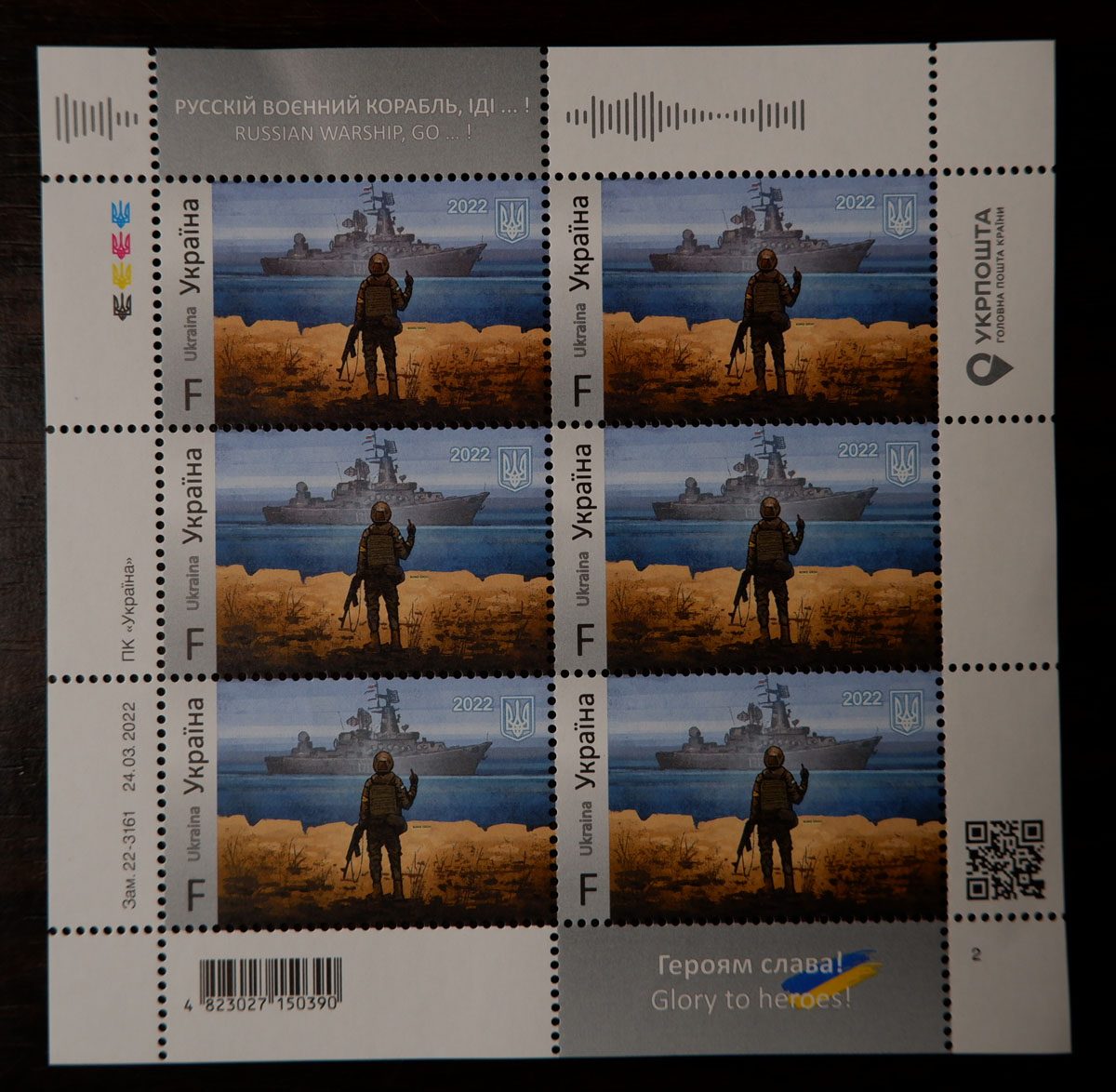
The international community responded to Russia’s invasion with massive military aid for Ukraine and sweeping sanctions against Russia. NATO countries sent billions in weapons and training while imposing coordinated restrictions on Russia’s economy.
Western Military Assistance and Security Guarantees
The United States gave about $66.9 billion in military aid to Ukraine between February 2022 and early 2026. This included missiles, ammunition, combat vehicles, and advanced defense systems.
NATO allies and partners worked closely with the United States to coordinate security assistance. EU member states and other G7 countries joined efforts to supply Ukraine with equipment and training.
When you add aid since Russia’s 2014 invasion, total U.S. military assistance reached $69.7 billion. Military aid focused on helping Ukraine defend its territory against Russian attacks.
This support made a real difference in Ukraine’s ability to resist and prepare for ongoing operations.
Key military aid categories:
- Air defense systems and missiles
- Artillery ammunition and weapons
- Armored combat vehicles
- Training programs for Ukrainian forces
International Sanctions Against Russia
The European Union rolled out 14 packages of sanctions between February 2022 and early 2026. These targeted Russia’s ability to fund the war, hit Russian elites, and weaken the country’s economic base.
The United States sanctioned more than 150 people and organizations that helped Russia get military equipment. These restrictions went after entities helping Russia dodge export controls and get weapons tech.
Sanctions cut Russia off from key technologies and financial systems. The U.S., EU, and G7 coordinated to keep economic pressure high.
Russia’s economy took a hit—slow growth, weak productivity, and declining manufacturing. Sanctions raised the cost of war for Russia and gave Ukraine some strategic leverage.
NATO Expansion and European Security Concerns
NATO condemned Russia’s war and beefed up its eastern flank. The alliance sent more troops to member states bordering Russia and Belarus.
After the invasion, European security priorities shifted fast. Countries boosted defense budgets and reconsidered their security ties with Russia.
Ukraine had worked closely with NATO for more than 30 years before the war. The invasion sparked debates about long-term security guarantees for Ukraine and the future of European defense.
NATO members offered both immediate military help and longer-term security commitments. The alliance aimed to help Ukraine defend itself while deterring more Russian aggression.
Information Warfare and Russian Propaganda
Russia ran large-scale information warfare campaigns alongside its military actions. These aimed to justify the invasion, erode support for Ukraine, and spread disinformation.
The war showed just how central propaganda is in modern conflicts. Russia used state media and online platforms to push false narratives about the war’s causes and events.
Western countries and international groups worked to counter Russian disinformation. Fact-checking and media literacy programs became key tools in this battle.
The fight over information shaped public opinion and political choices in countries backing Ukraine. Sorting truth from propaganda stayed tough throughout the conflict.
Key Territorial Hotspots and Regional Dynamics
The war has focused on several regions where fighting has been most intense and control keeps shifting. As of early 2026, Russia holds about 20 percent of Ukrainian territory, with the eastern Donbas region, Crimea, and the south as the main conflict zones.
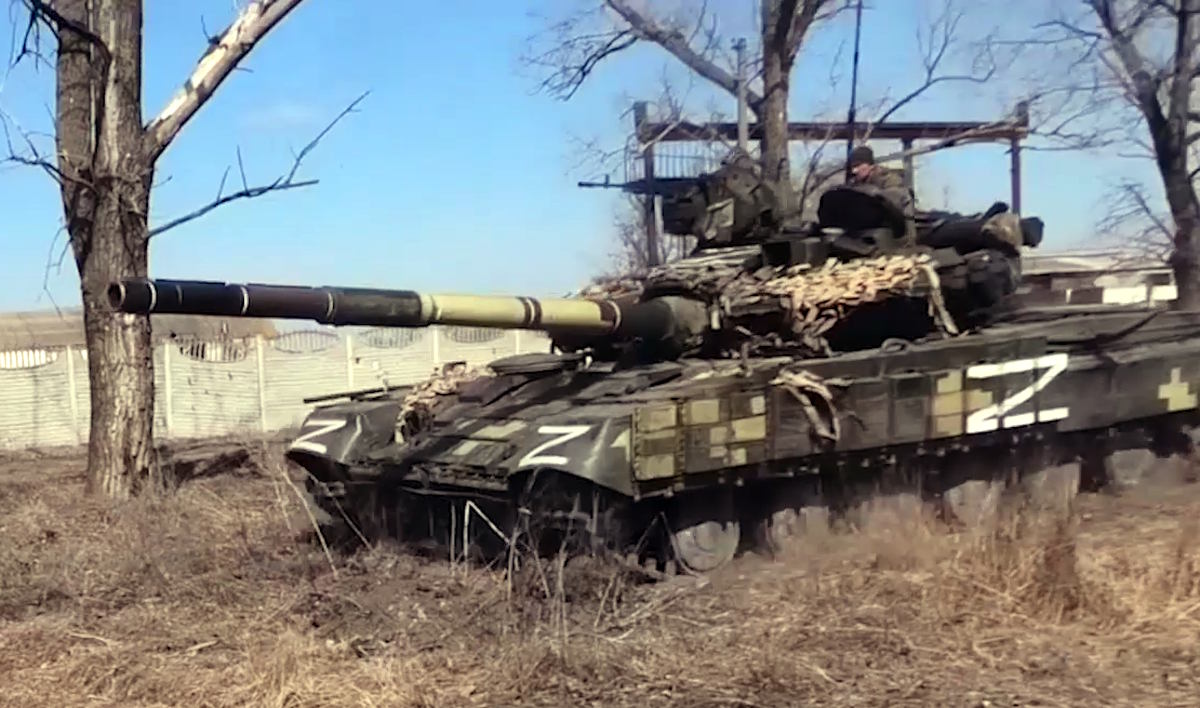
Battles for Donbas, Donetsk, and Luhansk
Donbas has seen some of the war’s most brutal fighting. Russian forces took Avdiivka in February 2024, opening the way for more advances in Donetsk Oblast.
By late 2024, Russia had grabbed more territory in central and southern Donetsk, capturing new ground each month since June. Russia has tried to seize Pokrovsk for almost two years.
By mid-December 2025, Russian troops were just a couple miles from this key hub. Pokrovsk serves as a vital logistics center, and its capture would help Russia’s goal of taking all of Donetsk.
In Luhansk Oblast, Russian forces pushed to and over the Zherebets River. They reached the Oskil River along the Luhansk-Kharkiv border.
Russian defense minister Andrei Belousov claimed in December 2024 that the four annexed regions, including Donetsk and Luhansk, would be fully under Russian control in 2025. The fighting has turned into a war of attrition, with Russian airstrikes flattening areas before ground troops move in.
Fallen cities are left in ruins, not taken by maneuver warfare. It’s a grim pattern—whole neighborhoods destroyed before infantry arrive.
Russian Occupation and Resistance in Crimea
Russia has held Crimea since its 2014 annexation. The peninsula is home to Russia’s Black Sea Fleet.
From 2022 to 2026, Crimea stayed firmly under Russian control, with little Ukrainian resistance on the ground. The peninsula’s strategic value makes it non-negotiable for Russia in peace talks.
Putin’s June 2024 ceasefire terms demanded Ukraine recognize Crimea and Sevastopol as Russian territory. Ukraine rejected this and insists Crimea is still part of Ukraine.
Strategic Importance of the Black Sea and Border Regions
The Black Sea has played a central role in the conflict. Russia’s hold on parts of Kherson and Zaporizhzhia Oblasts since 2022 gives it major sway over southern Ukraine and key access points.
The Kursk region became a new front when Ukraine launched an incursion into Russian territory on August 6, 2024. Ukrainian forces captured over 1,200 square kilometers quickly.
But Russia, with help from North Korean troops, has since retaken more than half that territory. Russian forces are focused on reclaiming Kursk before any talks happen.
Other Notable Regions: Kharkiv and Zaporizhzhia
Russian troops opened a new attack north of Kharkiv city in 2024. They launched a summer offensive in Kharkiv, but this didn’t shift the overall war as much as fighting in Donetsk.
Clashes in Kharkiv and Luhansk oblasts have stayed secondary to the main battles further south. In Zaporizhzhia, Russian advances have been minor compared to other regions.
Russian control has grown only slightly, while Ukrainian counteroffensives have shrunk, especially south of Mala Tokmachka and north of Marfopil. The Zaporizhzhia nuclear plant remains under Russian control, raising ongoing nuclear safety concerns.
Russia kept up assaults in Zaporizhzhia through 2024 and into 2025. The frontlines here have stayed more static than in Donetsk, with neither side making big breakthroughs.
Economic, Social, and Strategic Consequences
Impact on the Ukrainian Economy and Society
The war wrecked Ukraine’s economy starting in February 2022. Millions fled their homes as fighting destroyed cities, infrastructure, and industry.
The economy shrank sharply in 2022 as factories closed and farms struggled in occupied areas. Ukraine now relies on Western financial aid to keep basic government services running.
International partners have sent billions in loans and grants to cover budget gaps and humanitarian needs. The war has disrupted trade and damaged critical infrastructure—power plants, bridges, transport networks.
Socially, the country faces population displacement and demographic decline. Many who left haven’t come back.
The education system took a hit, with schools destroyed or used for other purposes. Hospitals struggle to meet both civilian and military needs.
Strain on the Russian Economy
Russia’s economy held up through 2025 despite heavy Western sanctions. The government kept fiscal control by borrowing more at home and tweaking taxes.
Inflation stayed above the Bank of Russia’s targets. War spending fueled growth in 2023-2024, but it’s created long-term structural headaches.
By 2025, the economy hit capacity limits as resources shifted to military production. Russia’s fiscal costs soared after four years of war.
Sanctions targeted oligarchs, key sectors, and officials. Russia hit back with counter-sanctions and tried to shift trade toward non-Western partners.
Dependence on China grew as ties with Europe and the U.S. soured. It’s a big shift, and not one without risks for Russia’s future.
Military Losses
The Centre for Strategic and International Studies (CSIS) estimates nearly two million casualties among Russian and Ukrainian forces. This includes dead, wounded, and missing, and numbers could hit two million by spring 2026.
Moscow has taken the worst losses, with 1.2 million casualties and 325,000 deaths. CSIS says no major military has suffered such losses since World War II, and Russian troops are advancing with “remarkable slowness.”
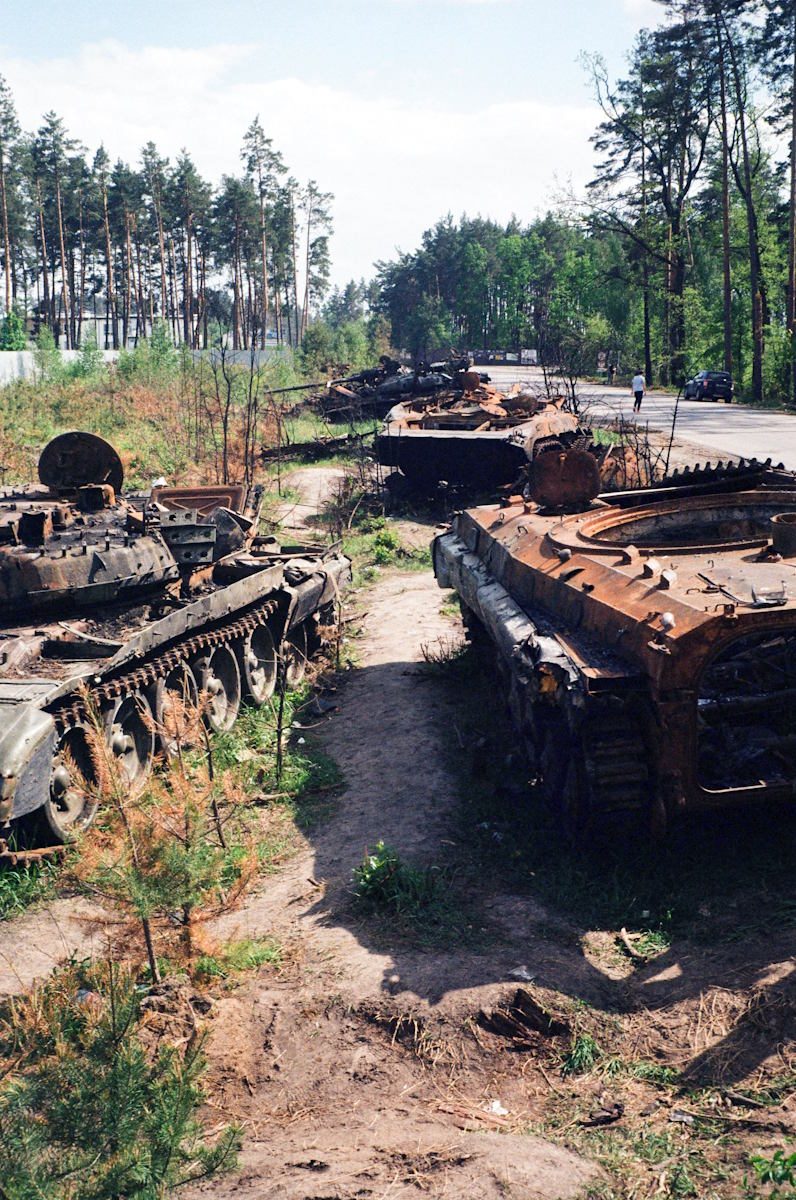
Ukrainian losses total around 600,000, including between 100,000 and 140,000 deaths confirmed by December 2025. Both sides have lost thousands of tanks, aircraft, and armored vehicles.
Attrition and Hybrid Warfare Lessons Learned
The conflict showed how attrition warfare works with modern weapons and tech. Artillery duels and trench warfare echoed earlier 20th-century battles.
Defensive lines were tough to break without big advantages in resources. Hybrid tactics included cyber attacks, disinformation, and economic pressure.
Russia used energy supplies as leverage against Europe. Both sides ran information operations to shape international views.
Drones became more important for reconnaissance and attacks. Small unmanned systems turned into essential tools for both militaries.
Electronic warfare and counter-drone tech evolved quickly as the war dragged on. It’s a brutal, high-tech struggle that’s reshaping how future wars might look.
Broader Foreign Policy Implications
The war shattered the post-Cold War European security order. NATO expanded, with Finland and Sweden joining after Russia’s aggression.
European countries boosted defense budgets. Many started to rethink their energy dependencies, sometimes reluctantly.
Russia grew more isolated from Western institutions. Moscow shifted economic and diplomatic ties toward non-Western partners, especially China.
China’s importance to Russia increased as European connections faded. The balance of power across Eurasia felt noticeably different.
The conflict sparked heated debates about military readiness and collective security. European nations hustled to cut reliance on Russian energy imports.
The war pushed transatlantic cooperation to new heights. Still, it stirred up fresh arguments about burden-sharing and strategy.
Frequently Asked Questions
The war brought up tough questions about military strategy, international relations, and humanitarian fallout. Peace talks started in 2026 as both sides struggled with mounting casualties and pressure to negotiate.
What were the major turning points in the Russia-Ukraine conflict between 2022 and 2026?
The full-scale invasion on February 24, 2022, kicked off Europe’s deadliest conflict since World War II. Russia attacked from several directions, including Belarus, Russia, and Crimea.
Ukraine’s defense of Kyiv in those early months stopped Russia from taking the capital. Russian forces had to shift focus to eastern and southern Ukraine.
The war turned into a grinding battle of attrition. Russian troops held onto some occupied areas, while Ukraine launched counteroffensives here and there.
By 2026, formal peace negotiations had begun. Both sides had lost hundreds of thousands of soldiers by then.
How has the international community’s response to the war evolved over the four-year period?
Western countries sent military aid, financial support, and hit Russia with sanctions starting in 2022. The EU and United States led efforts to isolate Russia on the world stage.
Support stayed fairly steady through 2024. But as the war dragged on, people started asking if this level of aid could last.
By 2026, diplomatic efforts ramped up, with negotiations happening in places like the United Arab Emirates. The Trump administration even got involved in facilitating talks between Russia and Ukraine.
Russia stayed cut off from Western nations the entire time. The invasion broke international law and shook up global security principles—no way around that.
What were the most significant humanitarian impacts observed during the conflict?
At least 12,456 Ukrainian civilians had died by early 2026. Tens of thousands more suffered injuries from military operations.
Millions of Ukrainians were forced from their homes. Many fled to other European countries, while others moved within Ukraine to escape the fighting.
Russian attacks on civilian infrastructure made daily life incredibly hard. Energy facilities took repeated hits, especially during the harsh winters.
Ukrainian cities and communities suffered widespread devastation. Homes, schools, hospitals, and other crucial buildings were damaged or destroyed.
How did the Russian-Ukraine war affect global energy markets?
The conflict triggered economic uncertainty worldwide. Russia’s role as a major energy supplier made the war especially disruptive for global markets.
Energy prices shot up in 2022 as countries scrambled to cut their reliance on Russian oil and gas. European nations, in particular, felt the squeeze.
Governments rushed to secure alternative energy sources. Some transitions to renewables sped up, but demand for other fossil fuels rose too.
The energy crisis drove up inflation everywhere. Higher fuel costs meant steeper prices for goods and transportation.
What role did cyber warfare and information operations play in the conflict dynamics?
Digital warfare became a key part of the conflict. Both sides launched cyber attacks to hit infrastructure and gather intel.
Information operations tried to sway public opinion at home and abroad. Social media turned into a battleground for competing stories about the war.
Russia got accused of spreading disinformation. Western nations pushed back, trying to counter false claims and offer accurate updates.
Ukraine got help from allies to defend against cyber attacks. The digital side of the war really showed how modern conflict keeps evolving.
What peace negotiation efforts or ceasefire attempts have been made throughout the duration of the conflict?
Early negotiation attempts in 2022 didn’t lead to any actual agreements. The gap between Russian demands and Ukrainian positions just felt too wide to bridge at that point.
By February 2026, more serious peace talks finally got underway. American, Russian, and Ukrainian negotiators met in the United Arab Emirates to hash out possible solutions.
Initial talks didn’t go far beyond agreeing to prisoner exchanges. Russia kept attacking Ukraine even while the negotiations were happening.
Polls showed that more Ukrainians, tired and frustrated by the war, started accepting the idea of territorial concessions if they could get solid security guarantees. Russia, on the other hand, hadn’t budged on its demands, which Ukraine still called unacceptable.
The talks faced major challenges. Some rounds got delayed, and others barely produced any real results.