German Orders of Battle Balkans Campaign
German Orders of Battle on 5 April 1941 at the attack on Yugoslavia and Greece. German Army, Airborne Forces and Luftwaffe, Divisions, Corps, Armies and Army Groups. Balkans Campaign The
German Orders of Battle on 5 April 1941 at the attack on Yugoslavia and Greece. German Army, Airborne Forces and Luftwaffe, Divisions, Corps, Armies and Army Groups. Balkans Campaign The
German Orders of Battle at the time of the tank battle of Kursk and the Allied invasion of Sicily from July 7, 1943. The German Orders of Battle and distribution
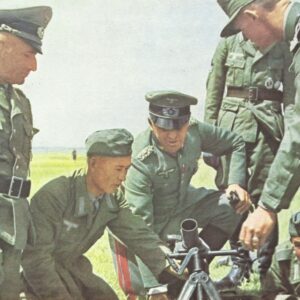
Strength and Organization of the Wehrmacht volunteers (Hiwis, legionnaires), Cossack and Liberation Army (ROA) Russia. Soviet citizens in the German armed forces That’s a fascinating and often overlooked topic: Yes,
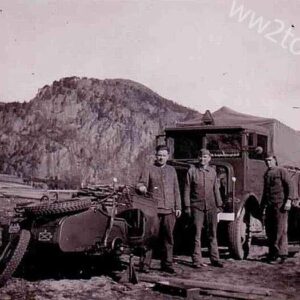
WW2 pictures from Norway 1942 to 1944. German occupation of Norway 1942-1944 The German occupation of Norway during the Second World War began on 9 April 1940 and lasted until
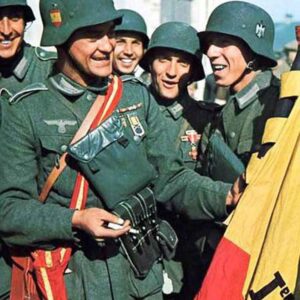
Axis Eastern Front allies: Spanish ‘Blue’ division and Volunteer Air Force, Croatian Army and Air Force, pro-Axis Serbian troops. Spain Spanish Volunteer Units In return for German help in the
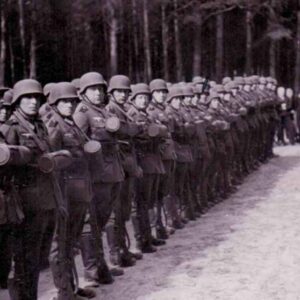
Fighting power of the Wehrmacht, Part II. Training of soldiers, casualties, awards and death sentences of German and US Army during the Second World War. back to Fighting power Wehrmacht
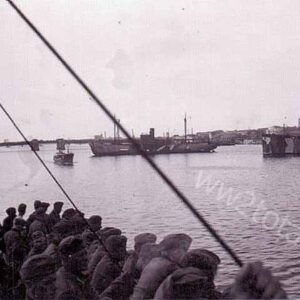
Sea transport to Norway. Transport of Troops and Supplies Between Germany and Norway (1940–1945) After Germany invaded Norway on 9 April 1940 (Operation Weserübung), maintaining control of the country required
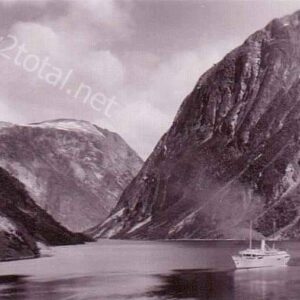
WW2 pictures from landscapes in Norway. Pictures from landscapes in Norway taken by a soldier of the 214th Infantry Division of the Wehrmacht. Unfortunately, for most of them there are
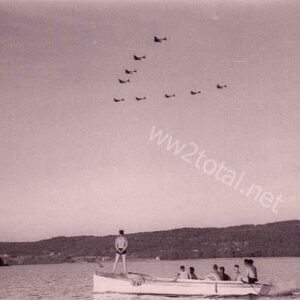
Kristiansand in 1940. These pictures were taken from a soldier of the German 214th Infantry Division in Kristiansand, Norway, in 1940. Please click to enlarge or to watch a slide
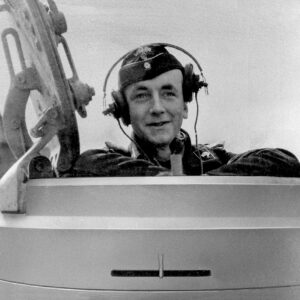
Oberleutnant Otto Carius: Youngest Panzer Forces Oak Leaves Recipient’s Heroic Deeds. Oberleutnant Otto Carius: Youngest Panzer Forces Oak Leaves Recipient’s Heroic Deeds Oberleutnant Otto Carius distinguished himself as one of
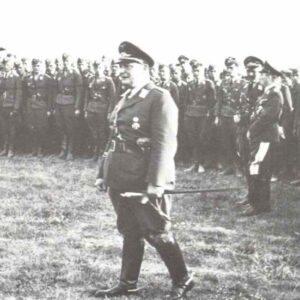
The German Air Force ‘Luftwaffe’ of the Second World War. The victorious years until 1942 (Part I): Blitzkrieg in Poland and the West, Battle of Britain, Operation Barbarossa. German Luftwaffe
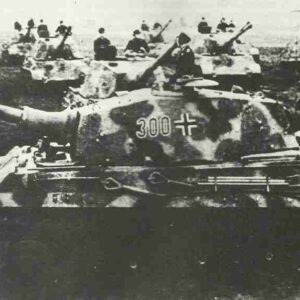
German Orders of Battle on 26 November 1944 after the German withdrawal from the Southeast Balkans following the coup d’état in Romania. German Orders of Battle November 1944 The German
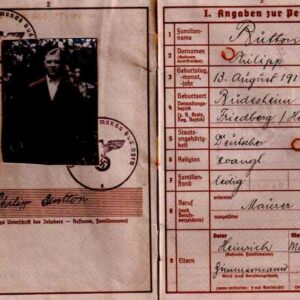
German military passport of the Wehrmacht from WW2 Extracts from the German army passport the uncle of the author. In a Wehrmacht Wehrpass there are some interesting information about the
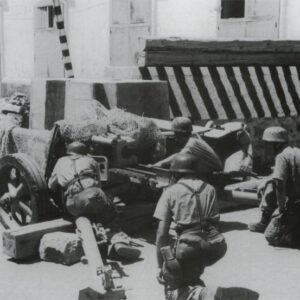
The German military performance during World War Two. Part III of the assessment of the fighting power of the Wehrmacht in WW2. back to Part II: Wehrmacht vs US Army
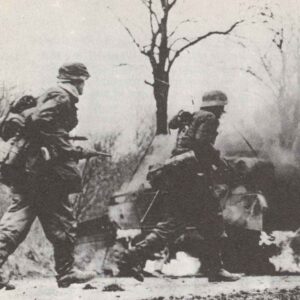
Order of Battle Waffen-SS divisions 1 – 3 (LAH, Reich, Totenkopf). Waffen-SS divisions LSSAH, Reich and Totenkopf The Waffen-SS was the armed wing of the SS organization of the NSDAP
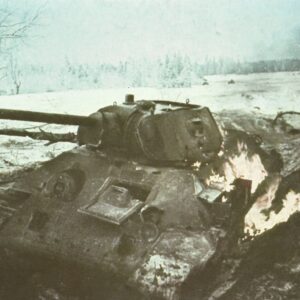
Soviet and German production and losses of tanks on the Russian Front from 1941 to 1945 and could the Red Army have won the war alone ? back to Part
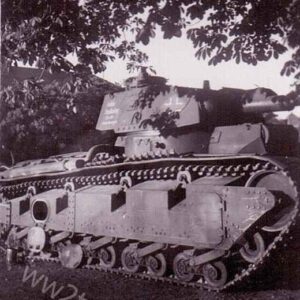
Oslo and on the drive in 1940. These pictures were taken at Oslo and on the drive of the German 214th infantry division to Kristiansand in 1940. Please click to
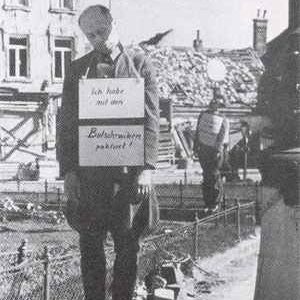
The final battles, as PoW and documents. Pictures from the final battle as well as documents from the time as POW and Nazi era. Final battles, captivity and documents The
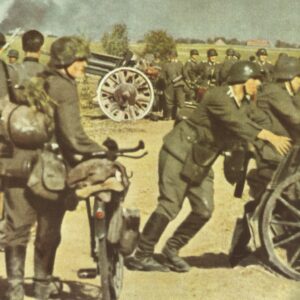
Organization of the formations and units of the German Army after the start of the Russian campaign until 1945. Here to Germany Army Unit Organisation 1939-41. Organization of the Wehrmacht
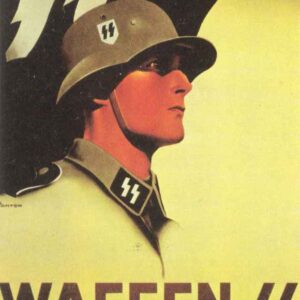
Waffen-SS at War – Hitler’s Elite soldiers in combat (Part II). From the first campaigns in Poland, in the West and Balkans with hand-picked men to the 38 divisions strong