Luftwaffe in the second half of war
German Air Force of World War II. Part II: The German Air Force in the second half of the war. here to Part I Luftwaffe Jeschonnek’s successor, General Günther Korten, […]
German Air Force of World War II. Part II: The German Air Force in the second half of the war. here to Part I Luftwaffe Jeschonnek’s successor, General Günther Korten, […]
Strength and Organization of the USAAF in North America, Great Britain and Mediterranean theater in 1942. In the 1930s there were dramatic strides in civil and commercial aviation, and by
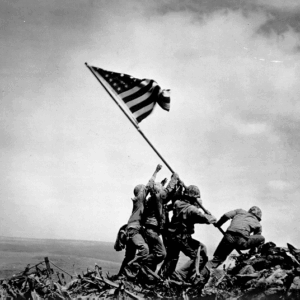
The US forces in the Pacific War. The US Army and the US Marine Corps in the Pacific from December 1941 to September 1945. US forces in the Pacific theatre
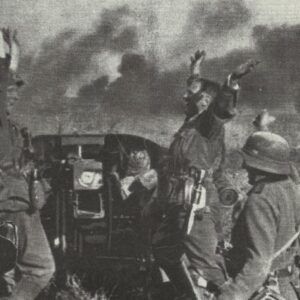
The German military performance on the Russian Front during the Second World War. Part IV of the analysis of fighting power on the Eastern Front, during the Battle of Kursk
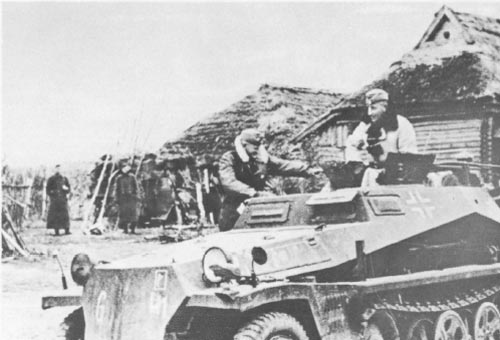
Creation and Campaigns of the SS-Verfuegungsdivision (later Reich) from 1939 to 1942 (Part I). SS Division ‘Das Reich’ Designations, Commanders, Western and Balkans campaigns and in Russia. The SS division
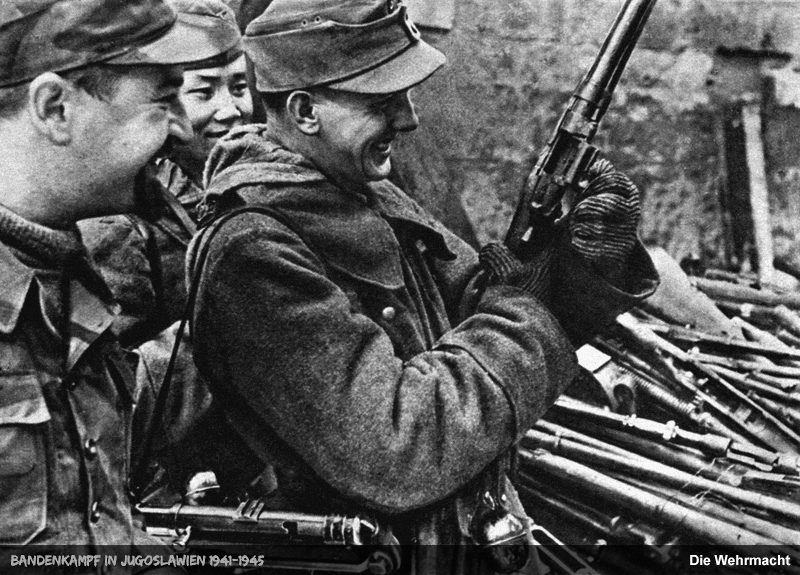
German Brandenburgers Special Forces and Panzergrenadier-Division Brandenburg: Elite WW2 Unit Analysis. The Brandenburgers During World War II, the Brandenburgers emerged as a notable special forces unit within Nazi Germany’s military,
German Brandenburgers Special Forces and Panzergrenadier-Division Brandenburg read more »
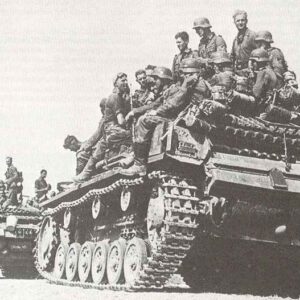
German Orders of Battle of 11 May 1942 and the Planning of the Summer Offensive (Operation Blue). Here to the previous part: German Orders of Battle April 1942 and Soviet
German Orders of Battle May 1942 and Operation Blue read more »
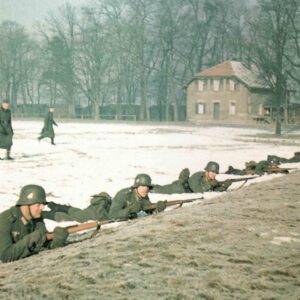
Wehrmacht – the German Armed Forces of the Third Reich. The origins and creation of the Wehrmacht in March 1935 and the evolution until the beginning of WW2 in September
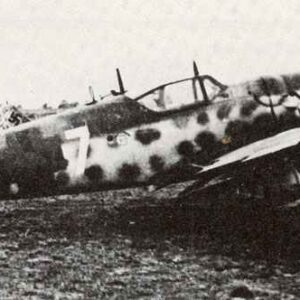
Orders of Battle of the Luftwaffe from 10 January 1945: strength and aircraft of the Luftflotten for the last phase of Second World War. Air War over Europe 1945 The
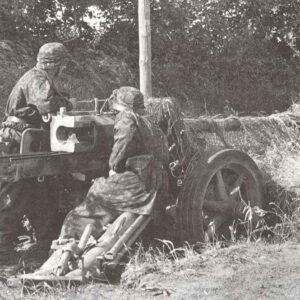
Order of Battle Waffen-SS divisions 7 (Prinz Eugen) – 12 (Hitlerjugend). The Waffen-SS divisions from this and the previous page were Germany’s most effective troops of WW2. Waffen-SS divisions 4-6.
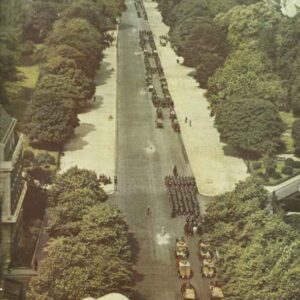
German Orders of Battle for the Battle of France of June 8, 1940. The offensive started after Dunkirk Evacuation on June 5 with the attack of Army Group B. Battle
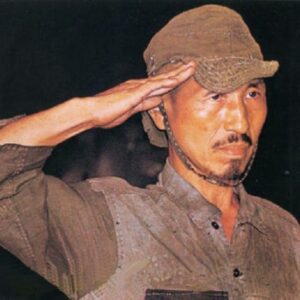
The Last Japanese Soldiers to Surrender After the Second World War: A Historical Overview. The Japanese soldiers who continued to fight for years after Japan’s surrender After World War II
The Last Japanese Soldiers to Surrender After the Second World War read more »
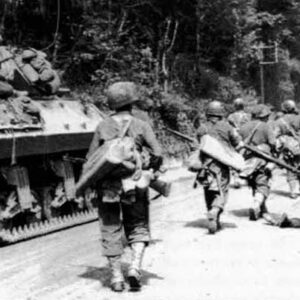
German military performance against the Western Allies in France and on the German frontier in 1944. back to Part III: Military performance in Italy 1943-44 Military performance on the Western
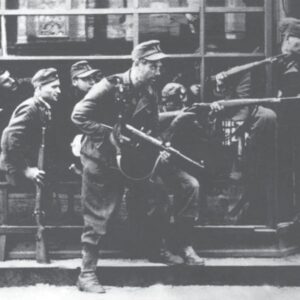
Order of Battle Waffen-SS divisions 33 (3rd Hungarian) – 38 (Nibelungen). Many of these late divisions (Nos. 33–38) were formed in 1944/45 amid severe personnel shortages. They were often poorly
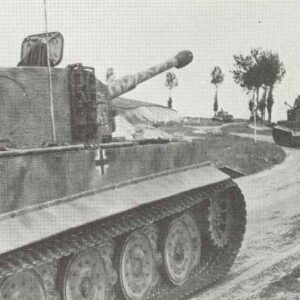
1. SS-Panzer-Division Leibstandarte-SS-Adolf Hitler (Part II) The campaigns of the LSSAH: ‘Anschluss’ of Rhineland and Austria, Polish and Balkans campaign 1938-1941, in Russia 1941-1943, Italy 1943, Russia 1943-1944, Western Front
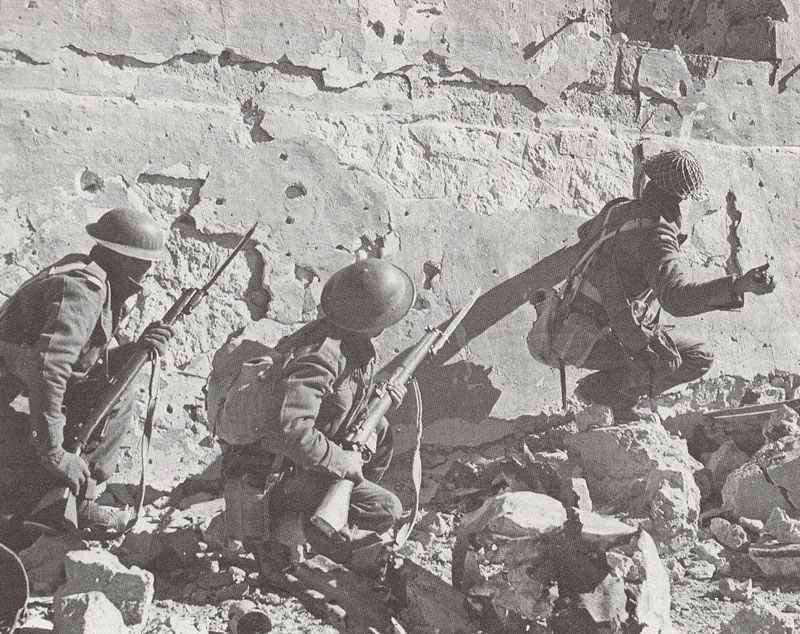
The Union of South Africa entered World War II as a divided nation. The military it fielded mirrored that tension at every level. In September 1939, the South African Army
Strength, organization, divisions and equipment of the Army, Colonial Troops and Fascist Milita as Italy entered the Second World War in June 1940. Italian Army in WW2 The Italian Army
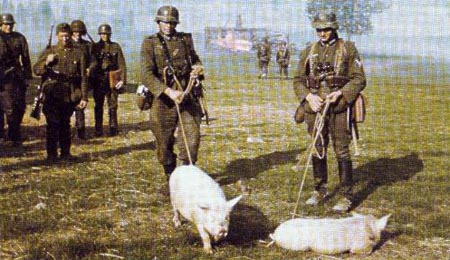
The German Orders of Battle from October 4, 1943, after the surrender and occupation of Italy. Orders of Battle from 4 October 1943 The German Orders of Battle and distribution
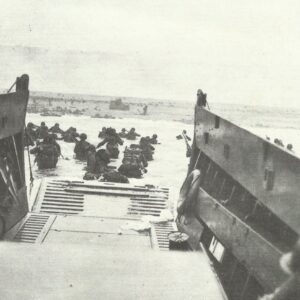
Strength and Organization of the US Army in Northwest Europe 1944 to 1945. Divisions, battalions and units with their TOE equipment. Here to Part I: US Army at the beginning
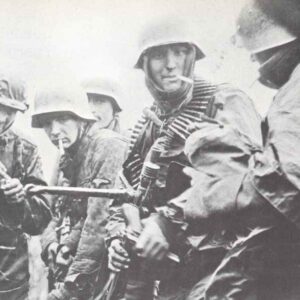
Fighting power of the German Wehrmacht (Part I) in the West (1944-45), on the Russian front, in the Polish campaign 1939, impact of tactics and weapons and the main causes