
The Siege of Kut stands out as one of the most serious British defeats of World War I. It ended with the surrender of a British Indian Army garrison at Kut Al Amara on 29 April 1916, after nearly five months of encirclement by the Ottoman Army.
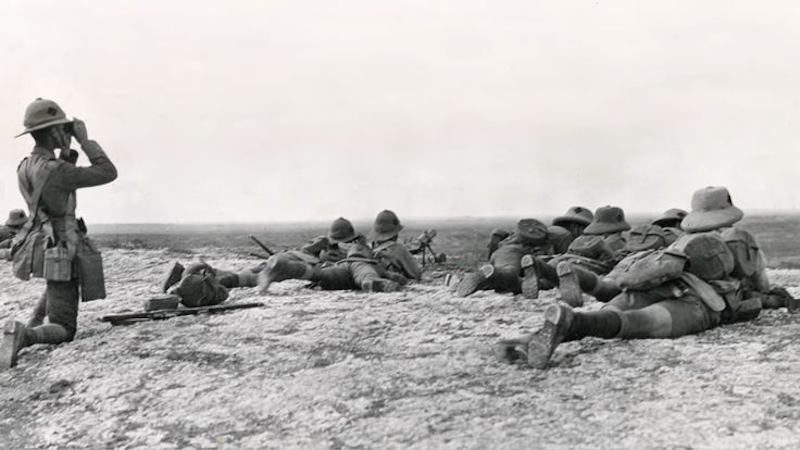
If you want the clearest way to see why it mattered, start with three facts. The town sat on a tight bend of the Tigris River, the British advance toward Baghdad had outrun its supply system, and the retreat from Ctesiphon left Major General Charles Townshend trapped in a spot that looked easier to hold than to escape.
Kut’s surrender wasn’t just about defeat. Poor planning, tough river logistics, failed relief attacks, and the suffering of prisoners turned a local setback into a mess that rippled through the whole Mesopotamian campaign.
When you look closely, decisions made far from the front shaped what happened on the ground. This story isn’t just British—it belongs to the British Indian Army, Ottoman troops, local civilians, and the prisoners forced into captivity after the town fell.
Why Kut Al Amara Became a Crisis Point
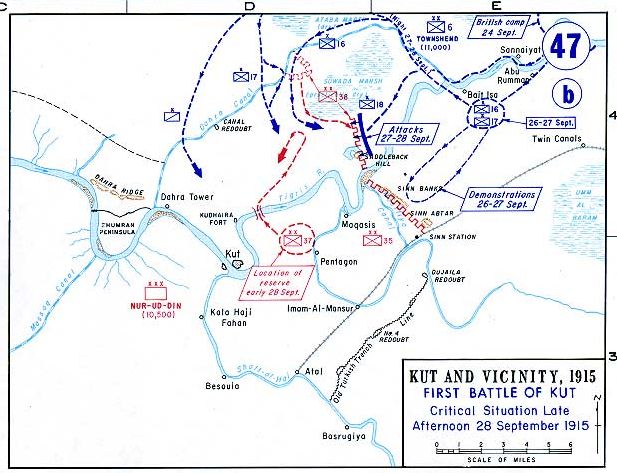

Kut Al Amara became a crisis point because it sat on the Tigris River between Basra and Baghdad. It was a spot where movement, supply, and defense all collided.
Once British forces pushed too far north in the Mesopotamia Campaign, Kut turned into both a shield and a trap.
Kut’s Position on the Tigris River
Kut sat inside a loop of the Tigris, which gave it natural defensive value. If you look at a map, you can see why commanders thought the town could hold out against attack for a while.
But that river position created dependence. Food, ammunition, medical stores—all of it leaned heavily on river transport, making any garrison there vulnerable if the Ottomans blocked the route.
From Basra to the Advance North
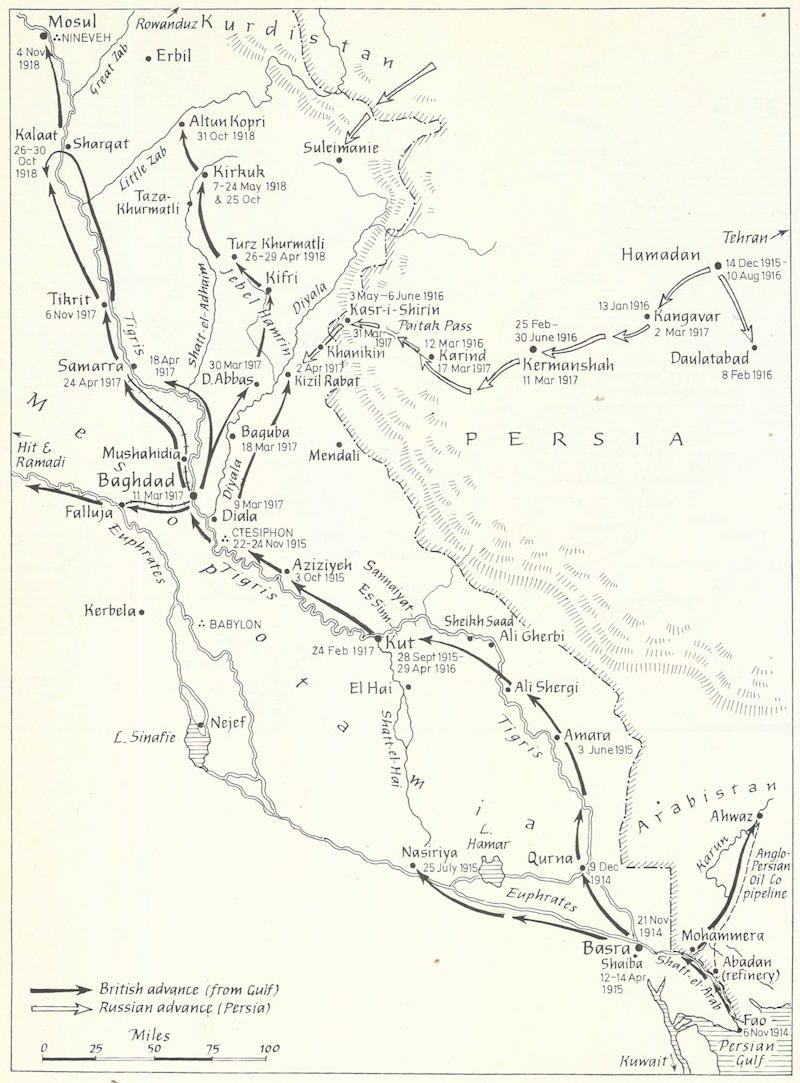
The British campaign in Mesopotamia began with the seizure of Basra, mainly to protect imperial and oil interests in the Gulf. From there, British forces and large numbers from the British Indian Army advanced northward along the river lines.
At first, the advance worked. Kut Al Amara was taken in 1915, but the farther the army moved from Basra, the longer and shakier its supply line became, especially with rough climate and poor transport.
Why Baghdad Became the Strategic Goal
Baghdad carried political and symbolic weight beyond its military value. Capturing Baghdad promised prestige and seemed like a way to strike a major blow against the Ottoman Empire.
That goal pushed the advance faster than the support system could handle. Enver Pasha and the Ottoman leadership saw this weakness and got ready to exploit the overstretched British lines. In reality, the rush to capture Baghdad exposed the limits of British command.
The Road From Ctesiphon to Encirclement

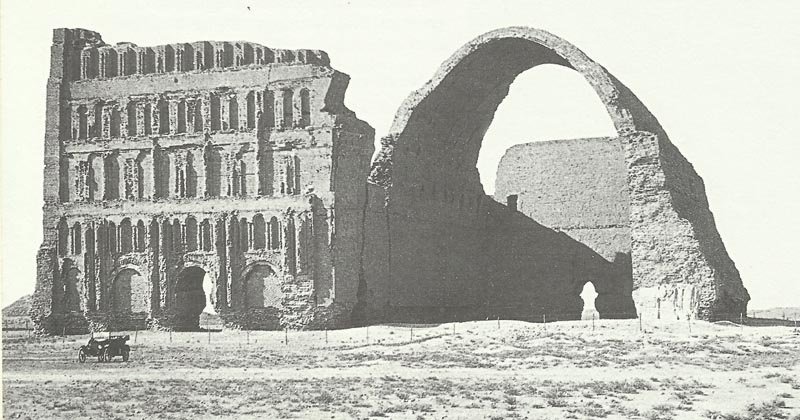
The road to the siege began at Ctesiphon. The 6th (Poona) Division fought hard and lost the ability to keep pushing toward Baghdad.
What followed was a retreat under pressure, led by Charles Townshend and shaped by decisions from higher command, including General Sir John Nixon.
The Battle at Ctesiphon
At Ctesiphon in late November 1915, the Sixth Indian Division met strong Ottoman troops in a costly battle. Both sides suffered, but the Ottoman Army could replace losses and press harder than the British force in front of Baghdad.
Townshend’s men were worn down, short on strength, and too weak to continue north. Ctesiphon was where the drive for Baghdad stalled.
Townshend’s Retreat Into Kut
Charles Townshend pulled his battered force south to Kut. He believed the town could be defended long enough for relief to arrive, and it offered shelter because of the river loop.
From a distance, that decision looks reasonable. But up close, it’s clear the risk was huge—a tired force, stretched communications, and a single river line that could be cut.
Ottoman Pursuit and the Closing Ring
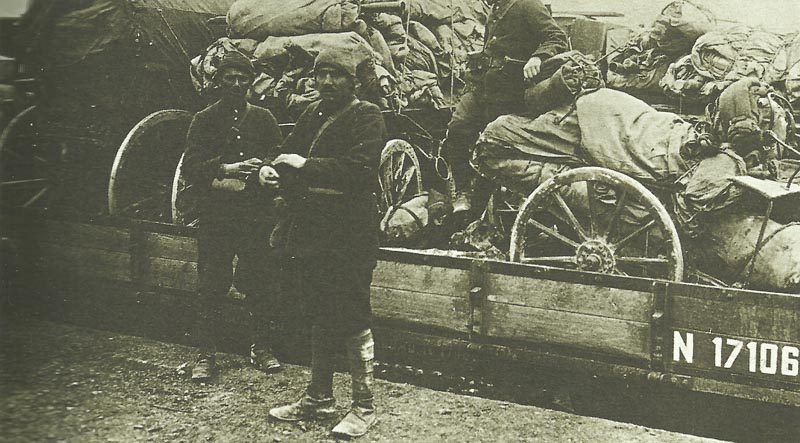
The Ottoman pursuit came quickly and with discipline. Nurettin Pasha pressed after the retreating British forces, closing around Kut before Townshend could break clear toward Basra.
General Sir John Nixon didn’t order a clean withdrawal soon enough. Once Ottoman troops sealed the approaches, the garrison inside Kut turned from a retreating army into a besieged force.
Life Inside the Besieged Garrison
Life inside Kut Al Amara got worse month by month. The siege wasn’t only a military problem—it was a daily fight with hunger, sickness, shrinking choices, and the pressure on Townshend and the British Indian Army to hold out as relief forces failed.
Defenses, Supplies, and River Dependence
The garrison, built around the 6th (Poona) Division and other British forces, dug in and used the river bend for defense. On paper, the position looked strong enough to resist direct attack.
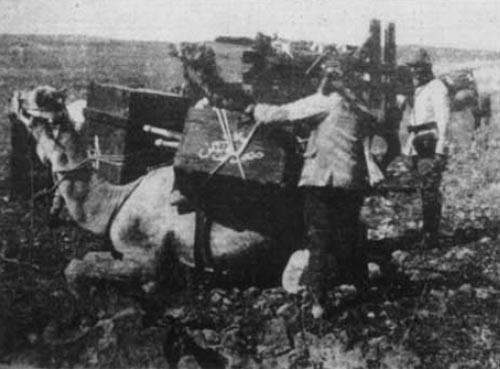
But supply was the real problem. Everything depended on the Tigris, and once Ottoman fire and fieldworks threatened that route, the defenders had little room to recover.
Hunger, Disease, and Falling Morale
Food shortages grew severe. Rations kept shrinking, animals were slaughtered for meat, and men weakened from hunger became easy targets for disease.
From soldiers’ accounts, you see the warning signs—long hospital lines, burial parties, and the slow drop in energy. By spring 1916, morale inside Kut had collapsed.
Command Choices Under Pressure
Townshend faced few options. He could wait for relief, try breakout plans, or seek terms—each with a heavy price.
One thing that jumps out when you look at Kut is how command choices narrowed over time. By the end, the decisions weren’t about victory—just whether the garrison could hang on a little longer.
Ottoman Command and the Failed Relief Attempts
Ottoman command around Kut proved steadier than many British planners expected. The relief attempts cost dearly and came in bits and pieces.
What happened was a series of British attacks that bled men without breaking the Ottoman grip on the town.
Nurettin Pasha, Halil Pasha, and von der Goltz
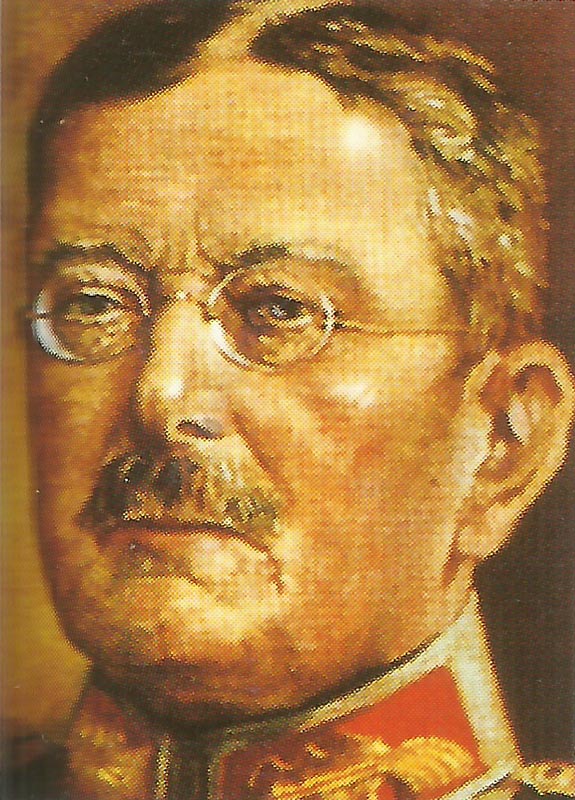
Nurettin Pasha first directed the siege. Later, Halil Pasha took the lead as the Ottoman commander, while German field marshal von der Goltz played an important advisory and command role.
Enver Pasha, from the top Ottoman leadership, cared deeply about the campaign’s bigger picture. He saw the defense of Mesopotamia as a vital ideological and strategic fight. The Ottoman Army used trenches, river defenses, and time well.
Relief Operations Under General Gorringe
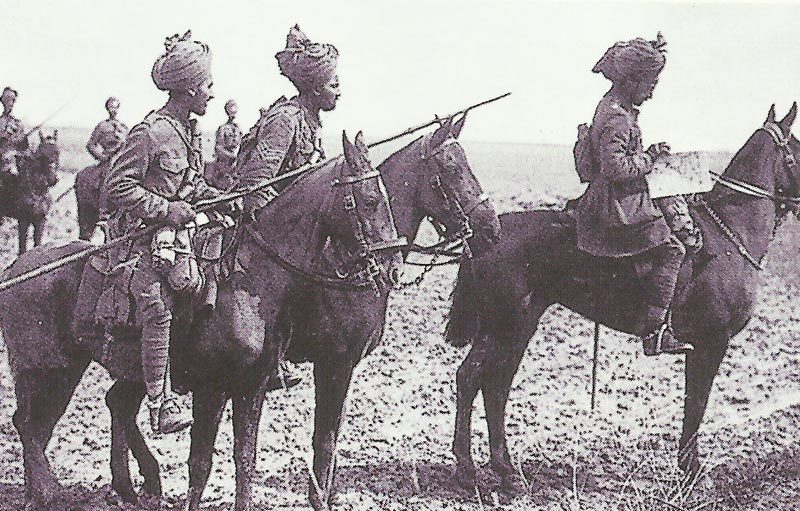
Several relief operations tried to reach Kut from the south. Fighting at places like Sheikh Sa’ad, the Wadi, Hanna, Dujaila, and later efforts under General Gorringe cost British forces dearly.
If you trace these attempts on a map, a pattern jumps out. The attackers had to move up narrow approaches, often along the river, against Ottoman troops who knew exactly where relief had to come from.
Why the Second Battle of Kut Failed
The final relief effort, often called the second Battle of Kut, failed. The attackers were exhausted, coordination was weak, and Ottoman defenses ran deep.
British forces struggled with bad timing, muddy ground, little surprise, and stretched logistics. By the time the last attacks failed, the men inside Kut had almost nothing left.
Surrender on 29 April 1916 and Its Human Cost
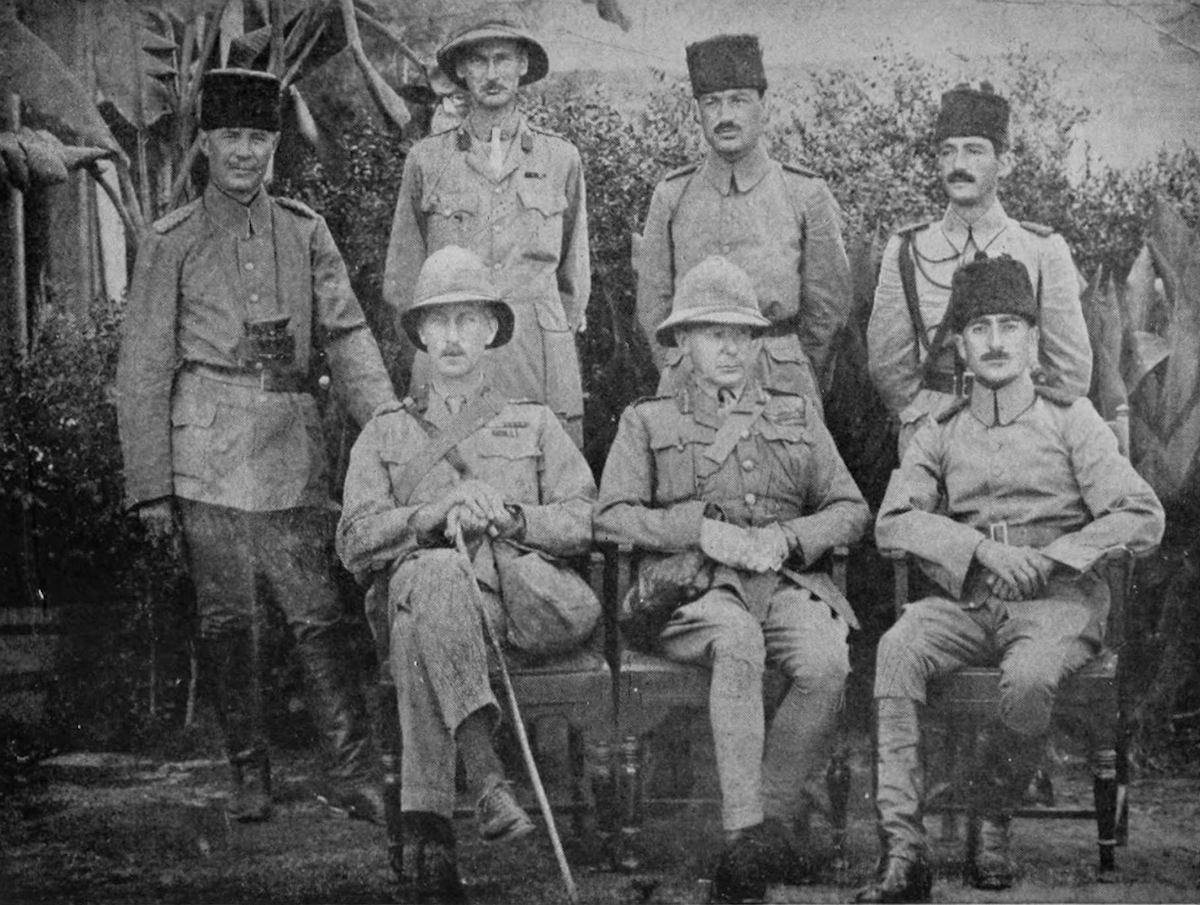
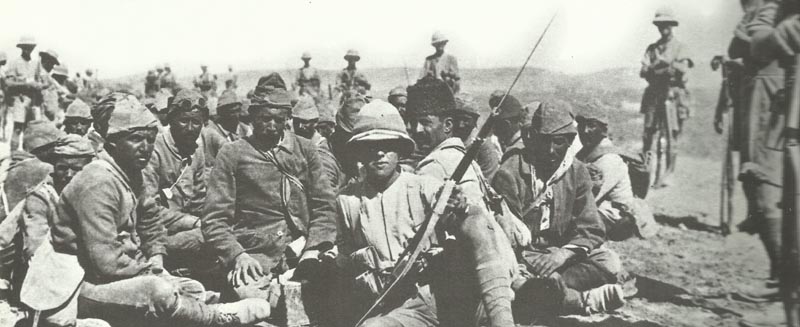
The surrender on 29 April 1916 ended the siege, but not the suffering. The fall of Kut opened a grim chapter for prisoners, especially the soldiers of the 6th (Poona) Division who had already survived the fighting at Ctesiphon.
Their journey into captivity exposed the human cost of a campaign already battered by poor planning and hard conditions.
The Fall of Kut
On 29 April 1916, Charles Townshend surrendered Kut Al Amara to Halil Pasha and the Ottoman Army. Roughly 13,000 people, including soldiers and camp followers, were taken after the long encirclement.
For the British Empire, the fall of Kut was a major shock in World War I. It stood as one of the largest British surrenders up to that point.
Captivity, Forced Marches, and Ras al-Ayn
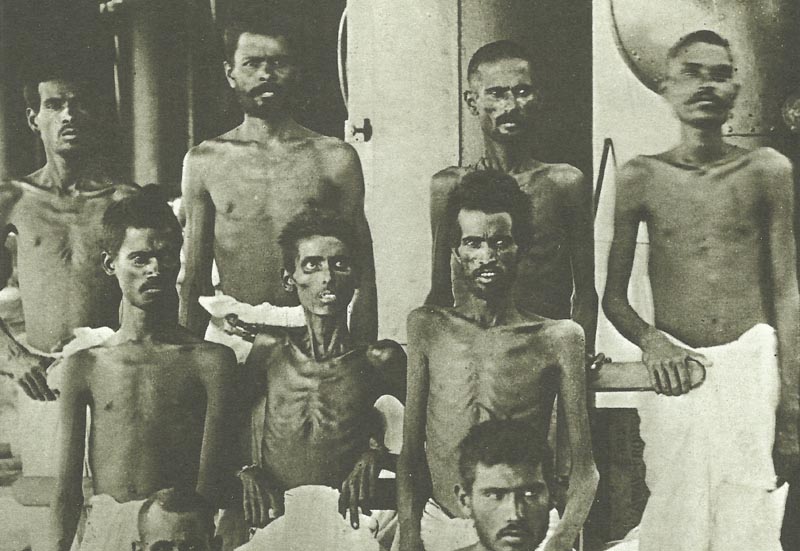
Captivity was brutal for many prisoners, especially Indian soldiers and other ranks forced onto long marches north. Many moved under harsh guard, with too little food, poor shelter, and limited medical care.
Ras Al-Ayn became one of the places tied to this prisoner ordeal. A large number of captives died during marches or in captivity before reaching prison camps farther north.
Links to Wartime Atrocities and Armenian Deportations
The wider wartime setting matters here. Routes used by prisoners crossed areas tied to mass violence in the Ottoman Empire, including the Armenian deportations.
You should treat this link with care. The Kut prisoners weren’t part of the Armenian deportations, but their forced movement passed through a landscape already shaped by atrocity, disease, hunger, and state violence.
Why the Defeat Still Matters
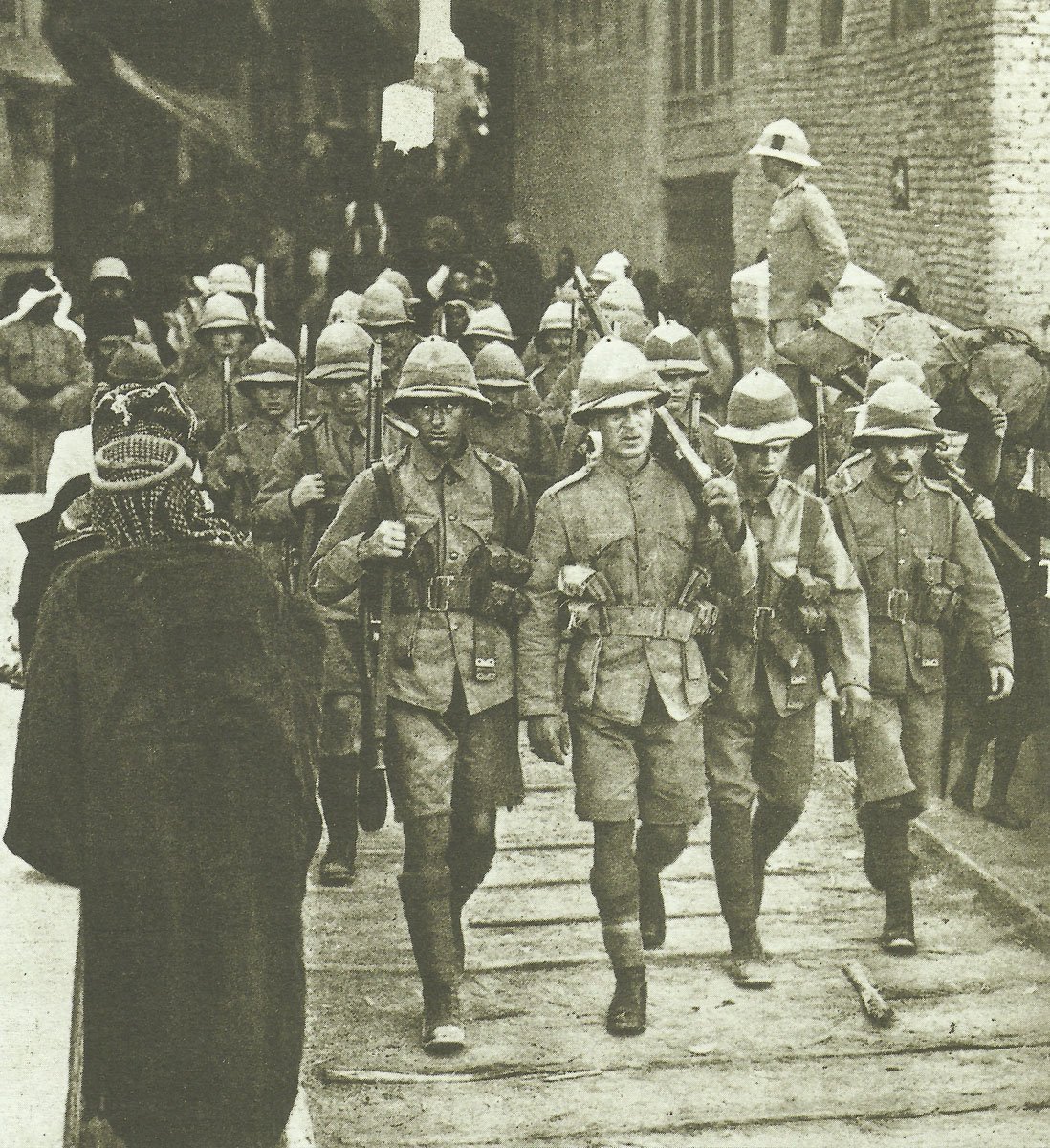
The defeat at Kut still matters because it changed how the Mesopotamian Campaign was run. It also pushed British forces to rethink later operations.
It’s a useful case study in what happens when ambition outruns transport, medical support, and command coordination.
Impact on the Mesopotamian Campaign
Kut forced a hard reassessment of the Mesopotamia Campaign. British authorities had to face failures in planning, river transport, intelligence, and medical care.
For students of World War I, this is one of the clearest examples of logistics deciding a campaign. A force can win ground quickly and still be trapped if its supply system can’t keep up.
From Disaster to the Capture of Baghdad
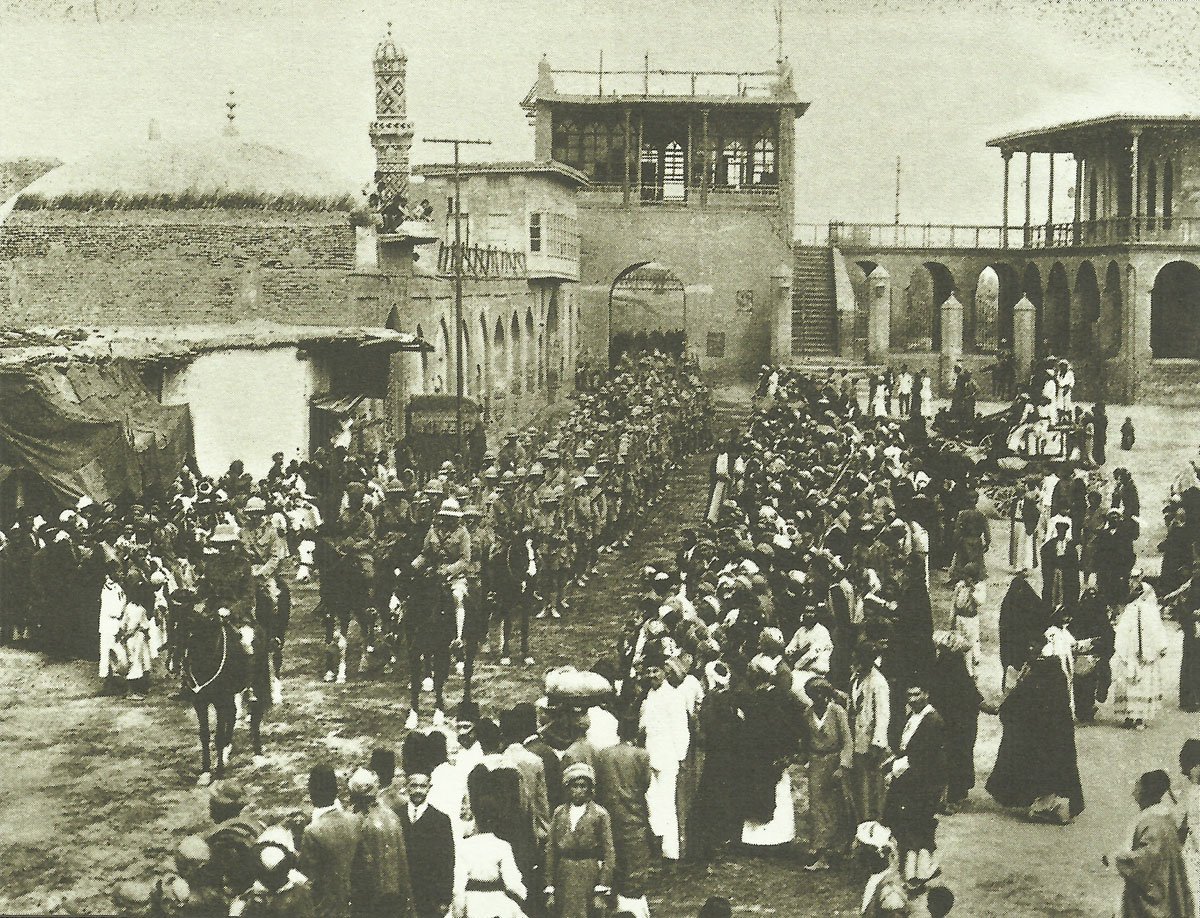
The story didn’t just stop in April 1916. After regrouping, improving their logistics, and bringing in new troops, the British tried again and finally took Baghdad in March 1917.
But Kut still casts a long shadow. That disaster made it clear—something big had to change before another push north could even stand a chance.
How the Siege Is Remembered Today
These days, the Siege of Kut pops up mostly in military history circles, museum collections, and those deep-dive studies you find at places like the Army Museum or National Army Museum. It doesn’t get much attention in the U.S. compared to Western Front battles, even though its lessons are pretty hard to ignore.
Flip through campaign diaries or wander through military exhibits, and you’ll notice something. People don’t really remember Kut as a glorious last stand—it’s more of a cautionary tale about command decisions, supply failures, and what regular soldiers ended up paying.
Frequently Asked Questions
Who won the battle, and what did that outcome mean for the wider campaign?
The Ottoman Army won the Siege of Kut, forcing the British-led garrison to surrender on 29 April 1916. That victory stalled British plans in Mesopotamia and exposed major problems with leadership and supply.
How did the British garrison end up trapped, and what were the main causes of the siege?
The garrison got trapped after pulling back from the Battle of Ctesiphon into Kut Al Amara, where Townshend decided to hold the town instead of retreating farther south. Overstretched supply lines, an ambitious push toward Baghdad, tough Ottoman pursuit, and slow relief all played their part.
What were the living conditions like for soldiers and civilians during the encirclement?
Life inside Kut turned grim as food and medicine ran out. Hunger, disease, and exhaustion hit everyone—soldiers and civilians—especially once the Tigris River couldn’t bring in enough help.
How did relief attempts unfold, and why did they fail to break through?
British relief forces kept attacking from the south along the Tigris, running into fierce Ottoman defenses. They just couldn’t break through—bad coordination, tough terrain, strong enemy positions, and shaky logistics all got in the way.
Where can I find a clear map showing the town, river routes, and key battle positions?
A solid campaign atlas of World War I in Mesopotamia or a focused military history of Kut usually has the best maps. Try to find one that shows Basra, Ctesiphon, Kut Al Amara, the Tigris River, and the relief battle sites like Sheikh Sa’ad and Hanna.
How did this event influence later operations in Mesopotamia, including the push toward Baghdad?
Kut forced British command to rethink everything. They had to rebuild the campaign with stronger planning, better transport, and improved medical support.
These changes really paved the way for the later advance. Without them, capturing Baghdad in 1917 might’ve been a pipe dream.