
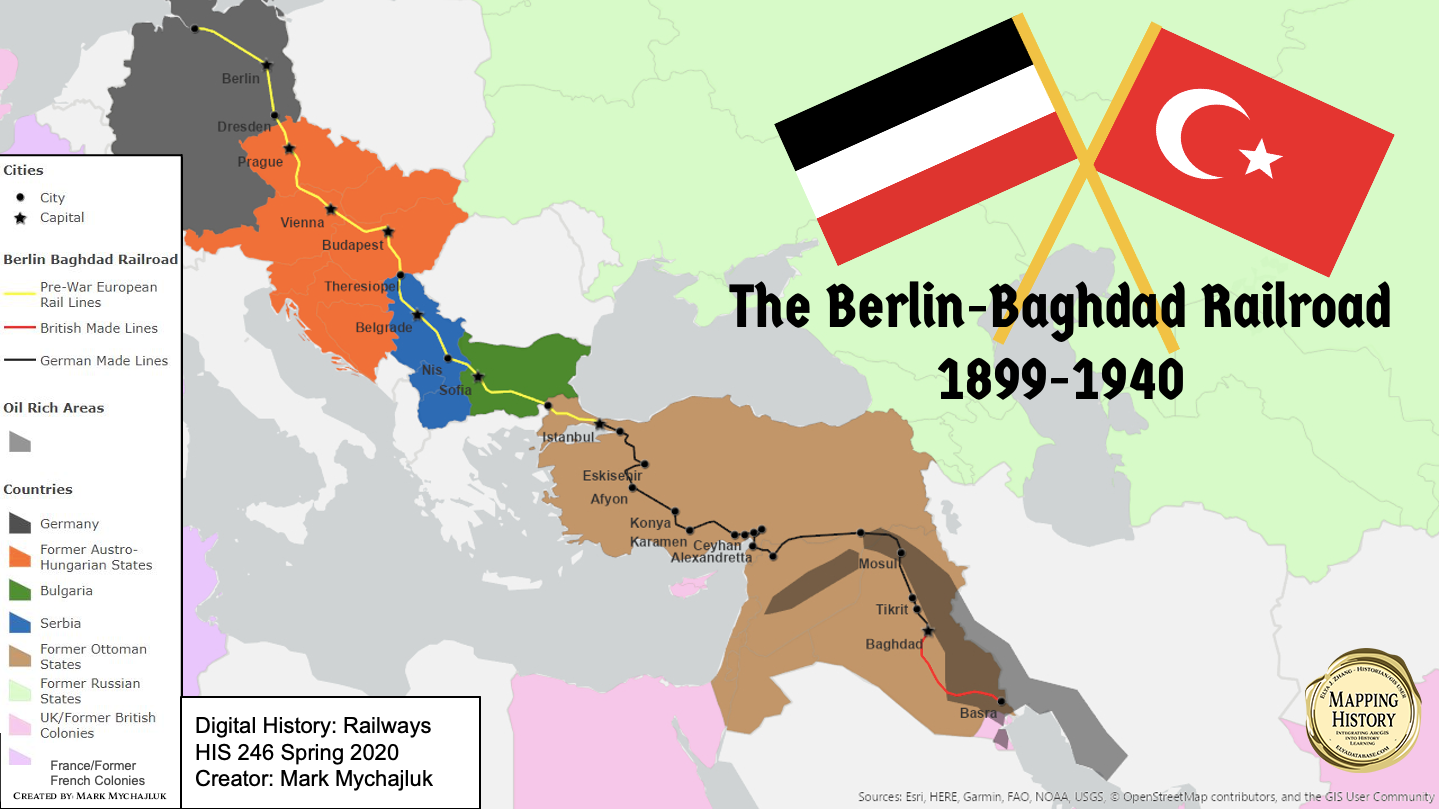
The Baghdad railway—sometimes called the Berlin-Baghdad railway or Bağdat Demiryolu—started in 1903. It aimed to connect Berlin with the Ottoman city of Baghdad, stretching 1,600 kilometers across what’s now Turkey, Syria, and Iraq.
Germany wanted a direct line to the Persian Gulf, hoping to set up a port and carve out trade routes to its far-off colonies. Construction dragged on for almost forty years, with the first uninterrupted train from Istanbul to Baghdad finally rolling out in 1940—well after the project had already stirred up international drama that helped set the stage for World War I.
This wasn’t just some marvel of engineering. The railway became a bold symbol of German economic ambition and a real headache for British and Russian interests in the region.
German banks like Deutsche Bank and companies such as Philipp Holzmann put up most of the money and expertise. The Ottoman Empire, meanwhile, saw the line as a way to tighten its grip over its Arabian territories.

But the project hit roadblocks from day one. The Taurus and Amanus mountains demanded expensive tunnels and tricky engineering. European power plays and diplomatic squabbles constantly put the brakes on progress.
Planners had to chart a course that stayed out of reach of British naval guns hugging the coast. And with everyone hungry for oil and new trade routes, the railway became a spark for conflict before and during World War I.
Origins and Strategic Purpose
The Baghdad Railway grew out of a collision of German industrial dreams and Ottoman imperial needs in the late 1800s. The plan was to join Berlin and Baghdad—and eventually the Persian Gulf—by rail, slicing through Ottoman lands and shaking up trade and politics across three continents.
Geopolitical Motivations
This all happened while European powers clawed for influence in the crumbling Ottoman Empire. Russia, France, and Britain all wanted a piece of the action.
The Ottoman Public Debt Administration—run by these same powers after the disastrous Russo-Turkish War of 1877-78—handled the empire’s finances. The railway spooked Britain for a bunch of reasons.
For one, it would offer a shortcut to the East that dodged the Suez Canal, which Britain controlled. German tracks would also creep dangerously close to British oil fields in Persia and the Anglo-Persian Oil Company’s turf.
Britain saw the railway as “a 42-centimeter gun pointed at India.” Russia wasn’t thrilled either. The line pushed German economic reach toward the Caucasus and northern Persia, areas where Russia called the shots.
Everyone understood that economic activity usually brought political muscle, so the railway was a direct slap at Russian power.
Role of the Ottoman Empire
The Ottomans wanted to hold onto the Arabian Peninsula and maybe even push across the Red Sea. Sultan Hamid II ordered the railway as part of a bigger modernization push, which also included the Hejaz Railway.
But the empire needed European money and know-how to get things moving. They hired German railway engineer Wilhelm von Pressel back in 1872 to sketch out plans for Turkey’s railways.
To pay for it, the Ottomans had to earmark chunks of their own revenue, which only deepened their debts to European creditors. They also decided to run the line inland, keeping it out of range of British naval guns.
This meant boring through the Amanus Mountains—most notably, an 8-kilometer tunnel between Ayran station and Fevzipaşa—which wasn’t cheap or easy.
German Empire’s Interests
On the German side, Deutsche Bank and Georg von Siemens led the financial charge. In 1888, they set up a syndicate that scored a concession to stretch the Haydarpaşa-İzmit railway out to Ankara, forming the Anatolian Railway Company.
This became the backbone for the Baghdad Railway. Germany wanted direct access to Persian Gulf ports and the oil fields of Mesopotamia. German reports from 1901 called the region a “lake of petroleum” with seemingly endless supply.
The railway would give German industry its own oil pipeline and open trade with its colonies in East and South-West Africa—no need to ask Britain’s permission. Philipp Holzmann handled a lot of the building work.
The Baghdad Railway Company, a German bank-controlled outfit, got the Ottoman concession in 1903 to build from Konya to Baghdad. For Germany, this was a shot at becoming a global heavyweight and breaking British trade dominance.
Planning and Engineering Challenges
Initial Concessions and Financial Backing
The Ottomans handed out the Baghdad Concessions in 1898 and 1899, giving German companies the sole right to build and run the railway. Deutsche Bank fronted most of the cash, working closely with the new Baghdad Railway Company that officially operated the line.
The railway extended the Anatolian Railway—which already linked Constantinople, Ankara, and Konya—and used that as a jumping-off point for the bigger Berlin-Baghdad dream. These deals gave Germany a foot in the door to Ottoman resources and markets, even if the technical headaches were daunting.
Route Selection and Key Obstacles
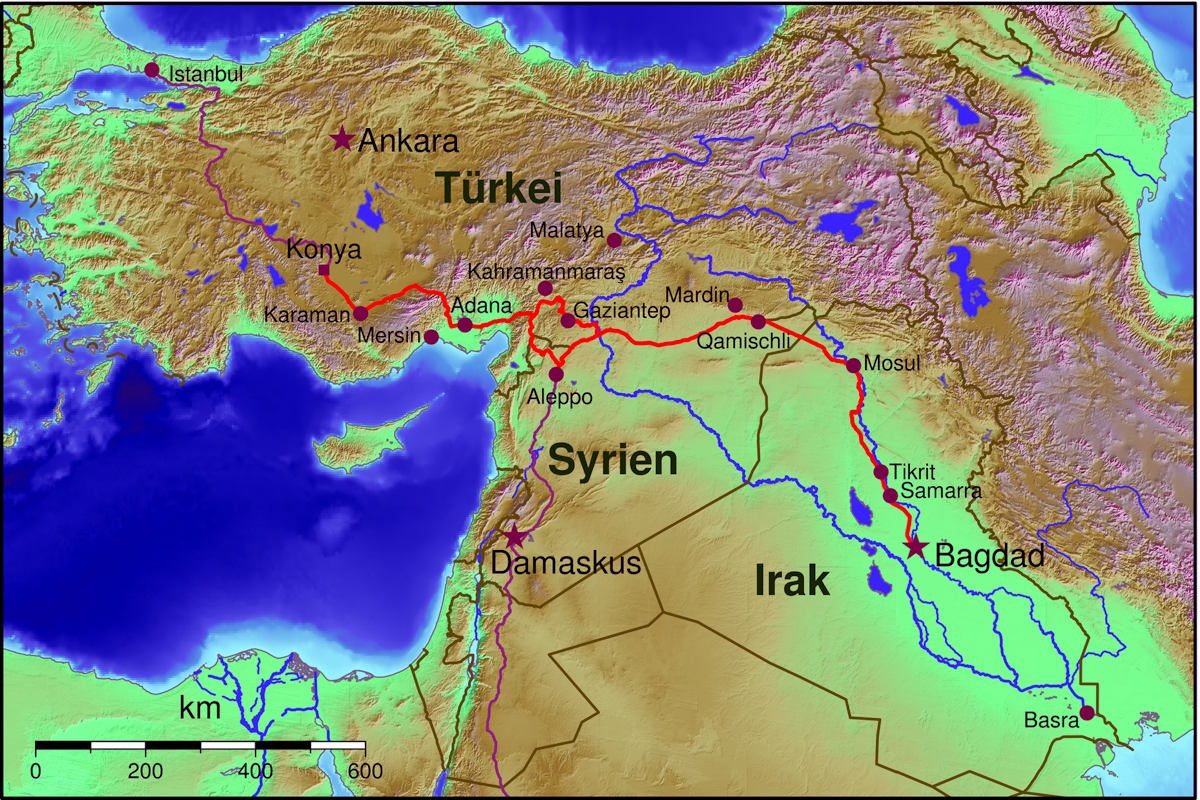
The line started at Haydarpaşa station on the Asian side of Constantinople, building off the old Haydarpaşa-İzmit Railway. From there, it snaked about 1,600 miles southeast across Anatolia toward Baghdad.
Engineers had to wrestle with the Taurus and Amanus mountain ranges, which meant lots of tunnels. The landscape flipped from coastal plains to high passes and deserts, and water shortages in some spots made life tough for workers.
The route passed through what would later be called the Aleppo Railway and Nusaybin Railway stretches.
Technical Innovations and Construction Firms
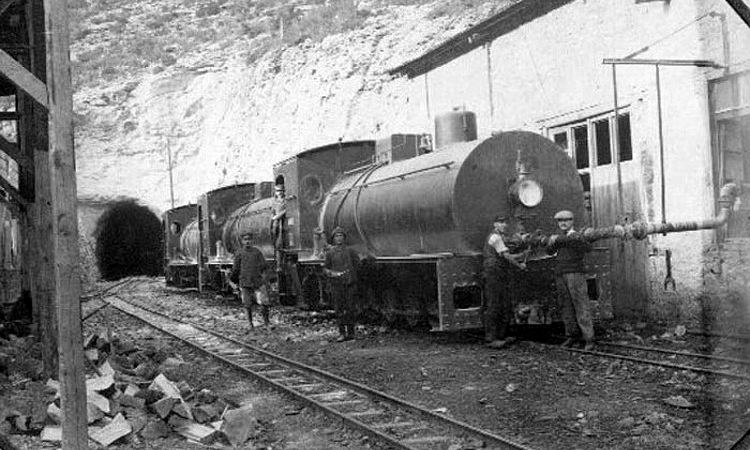
Philipp Holzmann, a heavyweight German builder, took on big chunks of the work. Their crews used modern engineering tricks—like drilling long tunnels through solid rock—to tackle the mountains.
Major construction really took off after 1903, with the biggest push starting around 1910. German engineers designed bridges and viaducts to leap over rivers and gorges.
Work hummed along—until World War I slammed everything to a halt in 1914, leaving about 600 miles unfinished. After the war and the fall of the Ottoman Empire, the last sections finally got finished by 1940, this time under the new Iraqi State Railways and others in the region.
Construction Progress and Route Overview
Key Sections and Major Cities
The tracks started in Istanbul, then headed southeast through Konya—the main junction for the Baghdad line. From Konya, the railway rolled on through Karaman and Ereğli, closing in on the Taurus Mountains.
After the mountains, the line dropped down to the Çukurova plain and passed through Adana, a major hub. Past Adana, the railway had to cross the Amanus range before reaching Aleppo in Syria.
From Aleppo, it continued through Tell Abyad and Nusaybin, then slipped into Mesopotamia. Eventually, it reached Mosul and Baghdad, with ambitions to stretch all the way to Basra on the Persian Gulf.
Different sections finished at wildly different times. The Konya stretch wrapped up by 1896, but in 1914 the railway was still 960 kilometers short of Baghdad. It wasn’t until the late 1930s that the line finally made it to Baghdad, and the first direct train from Istanbul pulled in by 1940.
Taurus Mountains and Cilician Gates
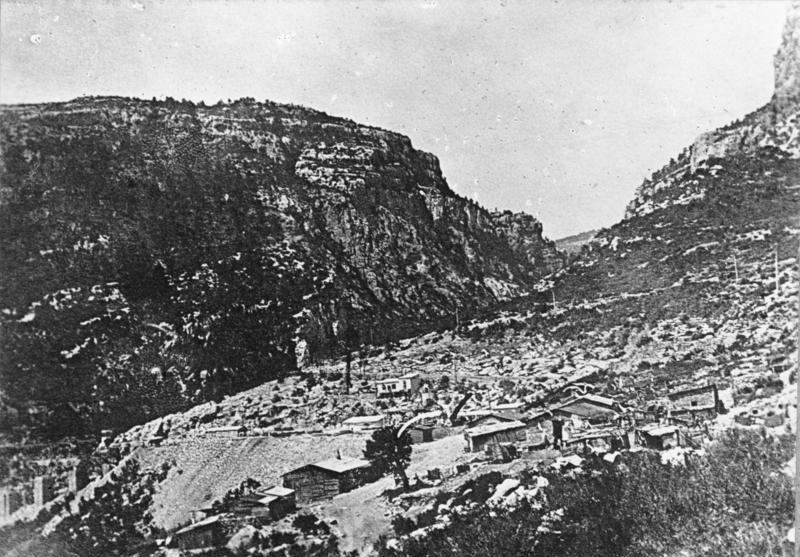
The Taurus Mountains were the biggest engineering nightmare of the whole project. To get through, the railway had to cross the Cilician Gates, demanding massive tunnels and bridges.
An 8-kilometer tunnel between Ayran station and Fevzipaşa became one of the boldest parts of the build. The Ottomans sent the line inland, away from the coast, to dodge British naval guns.
That detour avoided the coastal route from Alexandretta to Aleppo, but it cranked up the costs and delays. The tough mountain terrain meant that by 1915, the railway was still 480 kilometers from being done.
Impact on Anatolia, Syria, and Mesopotamia
The railway shook up the regions it crossed, connecting places that had felt pretty cut off before. Workshops built in Eskişehir in the 1890s sparked some real industrial growth in Anatolia.
The line tied the rich farmlands of the Çukurova plain to big trading cities. In Syria and Mesopotamia, the railway promised to flip trade and transportation on its head.
The region was packed with resources—chromium, antimony, lead, and zinc. German reports in 1901 even called Mesopotamia a “lake of petroleum” with nearly endless oil.
Branch lines shot off from the main track, including routes to İskenderun and Mardin, helping stitch Syria and Mesopotamia closer to Constantinople. All this made it easier to move people and goods across the empire.
International Rivalries and Political Impact
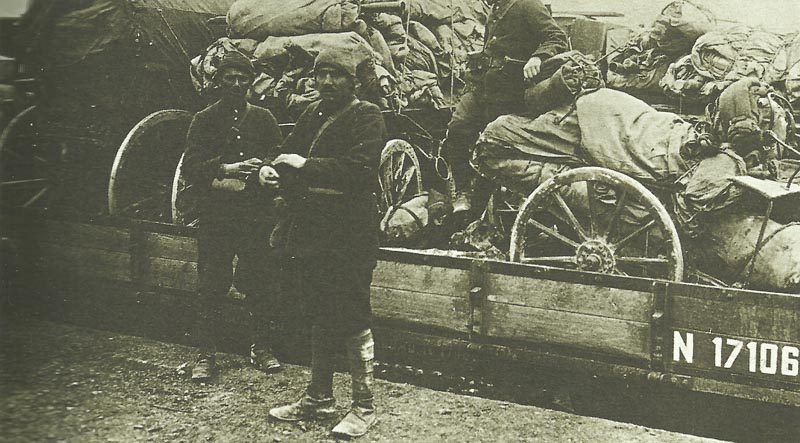
The Baghdad Railway quickly became a magnet for international tension as Europe’s powers jostled for control in the Middle East. Germany’s grand project threatened British and French interests, especially when it came to trade routes and oil.
British and French Reactions
The British Empire saw the railway as a direct shot at its grip on the Middle East and India. Britain held the Suez Canal and had a strong hand in Egypt and Mesopotamia.
The railway threatened to offer a new trade route that sidestepped British-controlled territory. Britain even got involved early on, but pulled out in 1903 after public pushback and growing worries about German expansion toward the Persian Gulf.
British officials feared the railway would hand Germany strategic access to India and chip away at British naval power. France didn’t like the idea either, since it threatened French business in Syria and Lebanon.
French companies had poured money into Ottoman railway projects in the west, so the Berlin-Baghdad line was direct competition in the east.
The Suez Canal and Colonial Competition
The Suez Canal was Britain’s lifeline to India and the rest of its eastern empire. Germany’s railway offered a workaround that could make the canal less vital.
This rivalry only got hotter as oil became more important for navies and factories. The Baghdad Railway aimed for the Persian Gulf, where Germany wanted to set up port facilities.
That brought them nose-to-nose with British control in the gulf, since Britain had treaties with local rulers that locked up influence there. Germany also chased oil rights along the railway, with the Ottomans handing out concessions to German-backed companies.
That move put German interests in direct conflict with British oil claims in Persia and elsewhere in the region.
Baghdad Railway and World War I
The railway stirred up diplomatic tensions before World War I. Germany grew closer to the Ottoman Empire through this ambitious project.
This partnership made Russia, France, and Britain uneasy. They saw it as a real threat to their own interests in the region.
When World War I broke out, the railway became a military asset for the Ottomans and Germans. They moved troops and supplies along the line to different Middle Eastern fronts.
But the line was never finished during the war. That really limited what they could do with it.
After the fighting ended, the victors carved up Ottoman lands in deals like the San Remo Oil Agreement of 1920. Britain and France ended up controlling Mesopotamian oil.
Germany lost its railway rights and pretty much all influence in the area.
Aftermath, Legacy, and Modern Developments
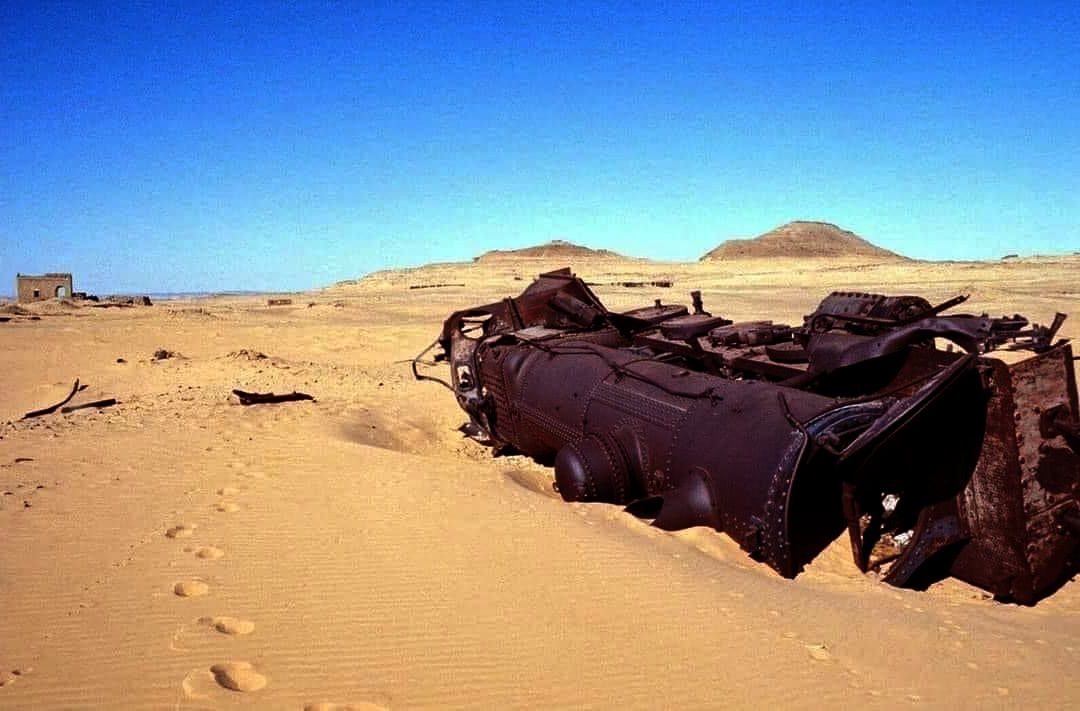
The Baghdad railway finally wrapped up construction in 1940, ending decades of work and rivalry. Its legacy kept shaping how people traveled and did business across the Middle East.
Afterward, successor states split up the railway. It became the backbone for new regional rail systems.
Postwar Outcomes and Successors
The Baghdad railway officially dissolved in 1934. Its assets went to Turkish State Railways (TCDD) and Chemins de Fer Syriens (CNS).
Turkey got the biggest chunk, keeping the line from Konya through the Taurus Mountains to the Syrian border at Fevzipaşa.
Syria took over the middle stretch from Aleppo to the Iraqi border. After Iraq became independent in 1932, Iraqi Republic Railways started running the Baghdad terminus and nearby tracks.
These new organizations immediately struggled with old infrastructure. The stuff built decades earlier just didn’t hold up easily.
The railway never did link Berlin straight to the Persian Gulf like planners hoped. The British kept the Baghdad-Basra section under their mandate and didn’t finish it until 2014. Only then did modern Iraqi authorities finally open the connection.
Influence on Regional Rail Networks
The Baghdad railway set technical standards that shaped later railroads in Turkey, Syria, and Iraq. Standard gauge (1,435 mm) tracks laid the groundwork for future links between national networks.
Ottoman engineers trained during construction passed on their skills to the next generation. Workshops in Eskişehir and Adana turned out engineers and mechanics who later ran these national systems.
The railway’s route, especially through the Cilician Gates and Amanus Mountains, offered clever solutions for tough terrain. The 8-kilometer tunnel between Ayran and Fevzipaşa stood out as a real feat, inspiring later mountain rail projects in the region.
Cultural and Economic Legacy
The railway shook up regional trade by giving Anatolia and Mesopotamia their first reliable overland link. Cities along the route—Adana, Aleppo, Mosul—started to grow as commercial hubs connected to bigger markets.
German investment, mostly from Deutsche Bank and the Philipp Holzmann company, kicked off a pattern of European involvement in Middle Eastern infrastructure. That dynamic stuck around well into the 20th century.
The railway never actually reached the Persian Gulf as planned, so it couldn’t link European markets directly to Indian Ocean trade. Since it couldn’t get around British-controlled waterways like the Suez Canal, Germany never got that independent route to its colonies and Asian markets.
The Baghdad Railway as the real cause of World War I
Germany jumped into the Middle Eastern scene as a new challenger to Britain in 1888. They started out chasing trade deals but quickly realized oil in Ottoman Iraq was the real prize.
German bankers and industrialists eyed the Ottoman Empire as a goldmine for expansion. At first, their business moves seemed pretty harmless, but after oil was found between Mosul and the Persian Gulf, things escalated fast.
Before 1900, only a handful of countries actually produced oil in any real quantity. The United States, Mexico, and Russia led the way. Oil changed everything; ships powered by oil, not coal, started appearing around 1870.
These new ships could travel much farther than the old coal-powered ones—four times as far, actually. With the invention of the gasoline engine in 1883 and the diesel engine in 1893, oil became essential for both economic growth and military power.
Britain ruled the seas but didn’t have its own oil supplies around 1900. British leaders scrambled to secure control in Ottoman Iraq and Persia, where oil had just been discovered.
In 1899, Britain struck a deal with Kuwait’s ruler, keeping out other nations. By 1901, British warships showed up in Kuwait, and London pressured the Ottomans to accept British protection—even though Kuwait was technically part of the Ottoman Empire.
Key British Actions in the Gulf Region:
- Secured exclusive rights with Kuwait’s ruler in 1899
- Sent warships to enforce control in 1901
- Obtained oil concessions through payments in 1913
- Bought majority shares in the Persian oil company in 1913
German business interests actually got moving in the region before Britain did. The railway from Istanbul to Ankara broke ground in 1889, a full decade before Britain started paying attention to Kuwait.
German companies and the Ottoman government worked together and made real progress. Georg von Siemens, head of Deutsche Bank, drove these efforts—his bank became the main financial backer for Ottoman railway projects.
Germany and the Ottomans signed a friendship, trade, and shipping agreement in 1890. This led Sultan Abdul Hamid II to offer Deutsche Bank a contract in 1893 to build a railway from Eskischehir to Konya.
By 1896, trains were running all the way to Konya. The railway pointed toward areas where oil would soon be found, though nobody realized it yet.
In 1898, Sultan Abdul Hamid II offered Kaiser Wilhelm II the chance to extend the railway from Konya through Baghdad to Basra and the Persian Gulf. Construction on the Bagdadbahn began in 1903.
But by then, British military and oil experts had already set up shop in Kuwait, just 100 kilometers south of where the German railway aimed to reach.
The German government knew early on that building the Bagdadbahn without London’s and Paris’s blessing would cause problems. Deutsche Bank needed British and French investors for this massive project.
Wilhelm II even visited London in 1899 to ask Queen Victoria—his grandmother—for help from British banks. Deutsche Bank also chased capital in Paris and London.
French interest was lukewarm, and the British basically ignored the idea. Prime Minister Lord Balfour initially said yes to British involvement but had to backtrack after the House of Commons and the press pushed back hard.
London and Paris offered little financial help. Instead, British newspapers went on the attack in 1903, bashing the German-Ottoman railway plan in the press.
The planned Bagdadbahn route ran through Mosul, where oil was discovered around 1900. In 1912, the Ottomans granted Deutsche Bank concessions for all oil and minerals within 20 kilometers of the railway up to Mosul.
This deal compensated the bank for building the railway. What the Bagdadbahn Offered Germany:
- Access to new markets in the Ottoman Empire
- Rights to oil fields along the route
- Resources for industrial and economic growth
- A modern transport system to replace old caravan trails
The railway linked Anatolia and Iraq to Europe. It turned ancient trade routes into efficient rail lines. On the surface, it looked like a win for the region’s economy, but it created two huge headaches for Britain.
First, the railway threatened the value of British sea routes to the Persian Gulf. Britain and the Dutch had dominated maritime trade here, but the Bagdadbahn offered a direct land alternative, cutting out British shipping.
Second, if the railway reached Basra and the Shatt al-Arab, Germany would sit right on Britain’s crucial sea route from Europe to India. Suddenly, German influence was uncomfortably close to the heart of the British Empire.
Professor Laffan, a British historian, spelled out these worries in 1917 to British officers in Serbia. He described Germany’s ambitions to become a world power, building a chain of allied states from the North Sea to the Persian Gulf.
This idea became known as the Berlin-Baghdad concept. The railway’s route crossed the Taurus Mountains, which made construction a nightmare.
German companies like Philipp Holzmann tackled the toughest sections. The Anatolische Eisenbahn, which came before the Bagdadbahn, had already shown German know-how in Ottoman railway construction.
The Anatolische Eisenbahngesellschaft ran those earlier lines. British Foreign Secretary Edward Grey kept a close eye on German moves in the region.
The discovery of oil fields—later run by the Anglo-Persian Oil Company—made British concerns even more urgent. The Dardanelles strait was another flashpoint where British and German interests collided.
German industry cashed in on contracts tied to railway construction and regional development. Karl Helfferich, working with Deutsche Bank, handled the financial side. The Wiener Bankverein chipped in funds from Austria-Hungary, showing the growing support from what would become the Central Powers.
The Young Turks, who took power in the Ottoman Empire, initially backed modernization projects like the Bagdadbahn. Cities along the route, like Adana and Constantinople, looked forward to better transportation.
The railway also tied into the Hedschasbahn, heading toward Mecca. British naval power, symbolized by the mighty Dreadnought battleships, now relied more and more on oil fuel.
Common Questions About This Topic
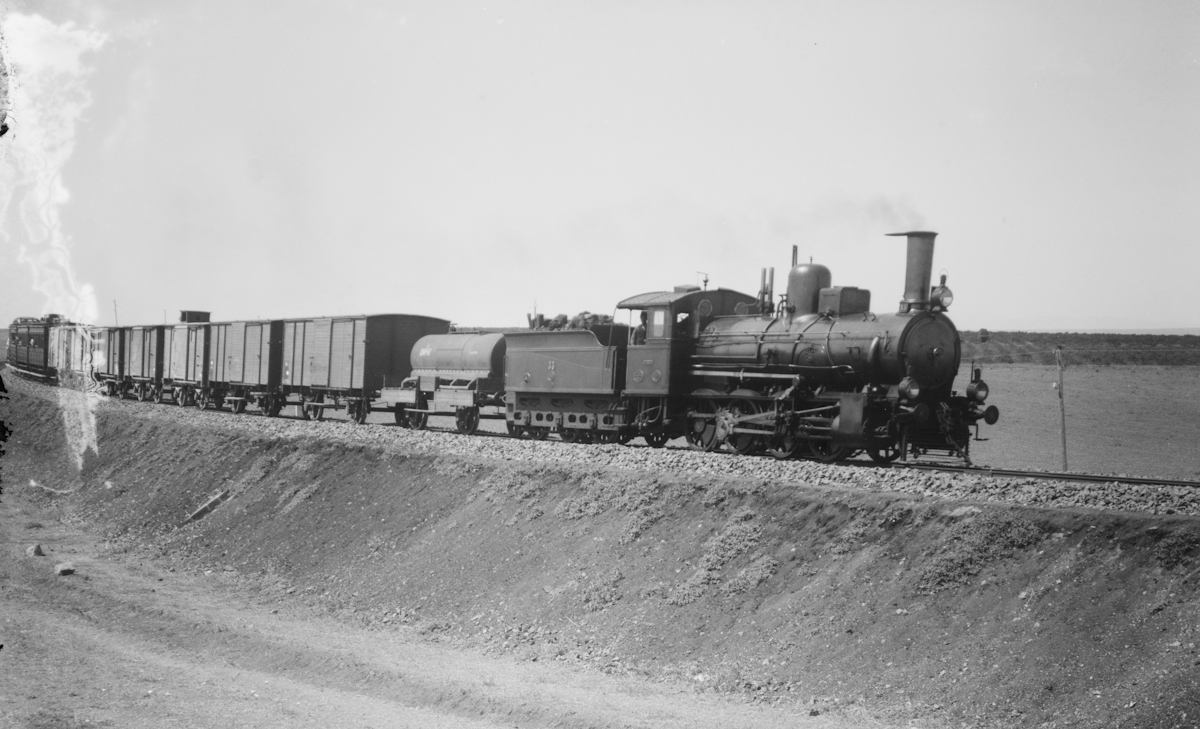
Did the Berlin-Baghdad Railway Project Increase Tensions Before World War I?
The railway project definitely ramped up friction among European powers before 1914. Germany’s push to build the line through Ottoman territory alarmed both Britain and Russia.
These countries saw the railway as a direct threat to their interests in the Middle East and Asia. Britain worried that a German-controlled railway would jeopardize its trade routes to India.
The railway meant Germany could reach the Persian Gulf faster and possibly challenge British naval dominance. Russia, meanwhile, feared the railway would boost Ottoman military strength along its southern border.
France had its own worries. French investors had money tied up in Ottoman railways and wanted to protect their slice of the pie. The scramble between German, British, and French banks for railway concessions only made diplomatic headaches worse.
The railway became a symbol of German ambition. Other European powers saw it as proof that Germany wanted to muscle in at their expense. That perception made diplomacy trickier and trust scarcer.
Why Did Competition for Control in the Middle East Matter Before World War I?
European powers were locked in a fierce contest for influence in the Middle East in the early 1900s. The region held valuable resources and key trade routes.
Whoever controlled these areas got economic perks and strategic military positions. Key areas of competition included:
- Railway construction rights
- Oil exploration permits
- Port access in the Persian Gulf
- Military advisory roles to the Ottoman government
- Banking and financial concessions
Germany’s growing partnership with the Ottoman Empire shook up the old order. Britain had always been the top European power here, but now German involvement threatened that dominance.
The discovery of oil made the stakes even higher. All the big players knew oil would become crucial for modern armies and economies. Control over oil fields became a prize everyone wanted.
Russia wanted warm water ports and influence over Ottoman lands near its borders. That clashed with British and German goals, fueling a messy three-way rivalry that made the region volatile.
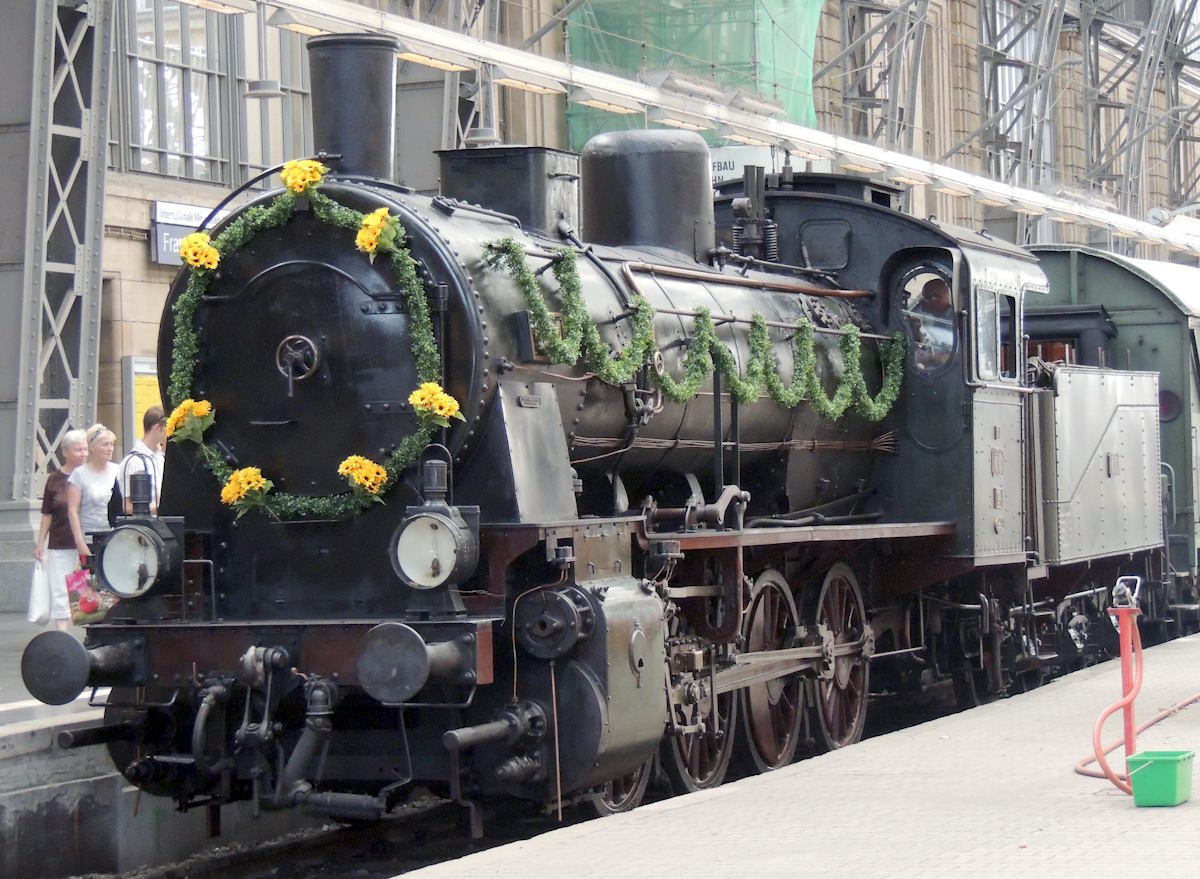
How Did the Railway Affect Relationships Between European Nations?
The railway project changed the way European powers interacted. It forced new alliances and deepened old rivalries.
Germany’s partnership with the Ottoman Empire pushed other nations to work together against German interests. Britain and Russia, longtime rivals, suddenly found common ground.
In 1907, Britain and Russia signed a deal that smoothed over some of their Central Asian disputes. Shared fears about Germany helped bring them together.
France found itself in a bind. French banks had invested heavily in Ottoman projects, but France was allied with Russia and increasingly wary of Germany.
French diplomats tried to juggle financial and political interests, but in the end, they stuck with their allies. The Ottoman Empire played these powers off each other, negotiating with all sides for better railway deals.
This tactic worked for a while, but it also left the empire tangled up with European interests. The railway affected alliances in these ways:
Country | Primary Concern | Response |
|---|---|---|
Britain | Trade route security | Strengthened ties with France and Russia |
Russia | Border security | Improved relations with Britain |
France | Financial interests vs. alliance obligations | Supported allies over investors |
Austria-Hungary | Access to Middle East markets | Supported German project |
Were Economic Factors Related to the Railway Important Causes of the War?
Economic motives tied to the railway definitely played a role in raising tensions, but they weren’t the whole story. The railway stood for the bigger economic rivalry between industrial powers.
German businesses saw the railway as a ticket to new markets and resources. The Ottoman Empire offered millions of potential customers and a trove of raw materials.
German industrialists pushed their government to support the project. British companies, on the other hand, feared losing their grip on Middle Eastern trade.
They’d built strong trading relationships and investments in the region. The German railway threatened to reroute business away from British-controlled channels.
Banks also fought for a piece of the action. Three major bond issues funded the railway between 1904 and 1912, with German, French, and British banks all competing for those profits.
The railway would have made it easier to move troops and supplies. That strategic edge made the project even more valuable. Whoever controlled the railway controlled military logistics in any future conflict.
What Did Britain and Russia Think About the Railway?
Britain saw the railway as a real threat to its empire. British officials worried Germany could use it to challenge their hold on India and the Middle East.
The idea of German troops near the Persian Gulf? That was especially alarming to them.
British concerns included:
- German access to the Persian Gulf
- Competition for oil resources
- Alternative trade routes bypassing British-controlled territories
- Ottoman Empire becoming a German client state
Russia, on the other hand, had its own reasons for opposing the railway. Russian strategists feared the Ottomans would boost their military strength.
The railway meant the Ottomans could move troops quickly up north. That would make any Russian attack on them a much tougher job.
Russia also cared about its economic interests. Russian exports needed to pass through Ottoman lands to reach the Mediterranean.
If Germany controlled the railway, Russian trade could get disrupted. Russia wanted to keep its own grip on Ottoman infrastructure.
Britain tried to talk things out first. In 1913 and 1914, they negotiated with Germany over where the railway would end and how it would run.
These talks eased some nerves, but the rivalry never really went away.
Russia aimed its diplomacy at stopping German influence in Constantinople. They wanted to make sure they could still reach the Mediterranean through the Ottoman straits.
The railway project just made Russia more determined to protect this key interest.
How Did the Ottoman Empire Use the Railway in Its Strategy?
The Ottoman Empire saw the railway as a tool for modernization. Ottoman leaders figured better infrastructure could strengthen their state and economy.
The railway promised to connect distant provinces. It also seemed like a way to tighten government control over far-off regions.
Military needs drove a lot of Ottoman planning. The empire faced threats on several borders.
With a railway network, they could move troops faster and defend territory better. During World War I, the railway actually carried soldiers and weapons for both Ottoman and German forces.
Ottoman officials used the railway project to play European powers against each other. By handing out concessions to different nations, they gained some diplomatic leverage.
This approach brought in foreign investment and technical know-how. It was a bit of a balancing act, but it worked for a while.
Economic growth was another big hope. The railway could boost agriculture and trade.
Ottoman planners wanted it to revive the economy and bring in more tax revenue. Not everything worked out as planned, but they pushed for it anyway.
The partnership with Germany got stronger through the railway. German military advisors trained Ottoman forces, and German banks handed out loans for projects.
This relationship eventually pulled the Ottoman Empire into World War I on Germany’s side. History doesn’t always go where you expect, does it?
References and literature
Der I. Weltkrieg – Eine Chronik (Ian Westwell)
Chronicle of the First World War, 2 Bände (Randal Gray)
Illustrierte Geschichte des Ersten Weltkriegs (Christian Zentner)
History of World War I (AJP Taylos, S.L. Mayer)
Unser Jahrhundert im Bild (Bertelsmann Lesering)
Der Krieg, der viele Väter hatte (Gerd Schultze-Rhonhof)