
The campaigns in Iraq, Syria and Lebanon in 1941.
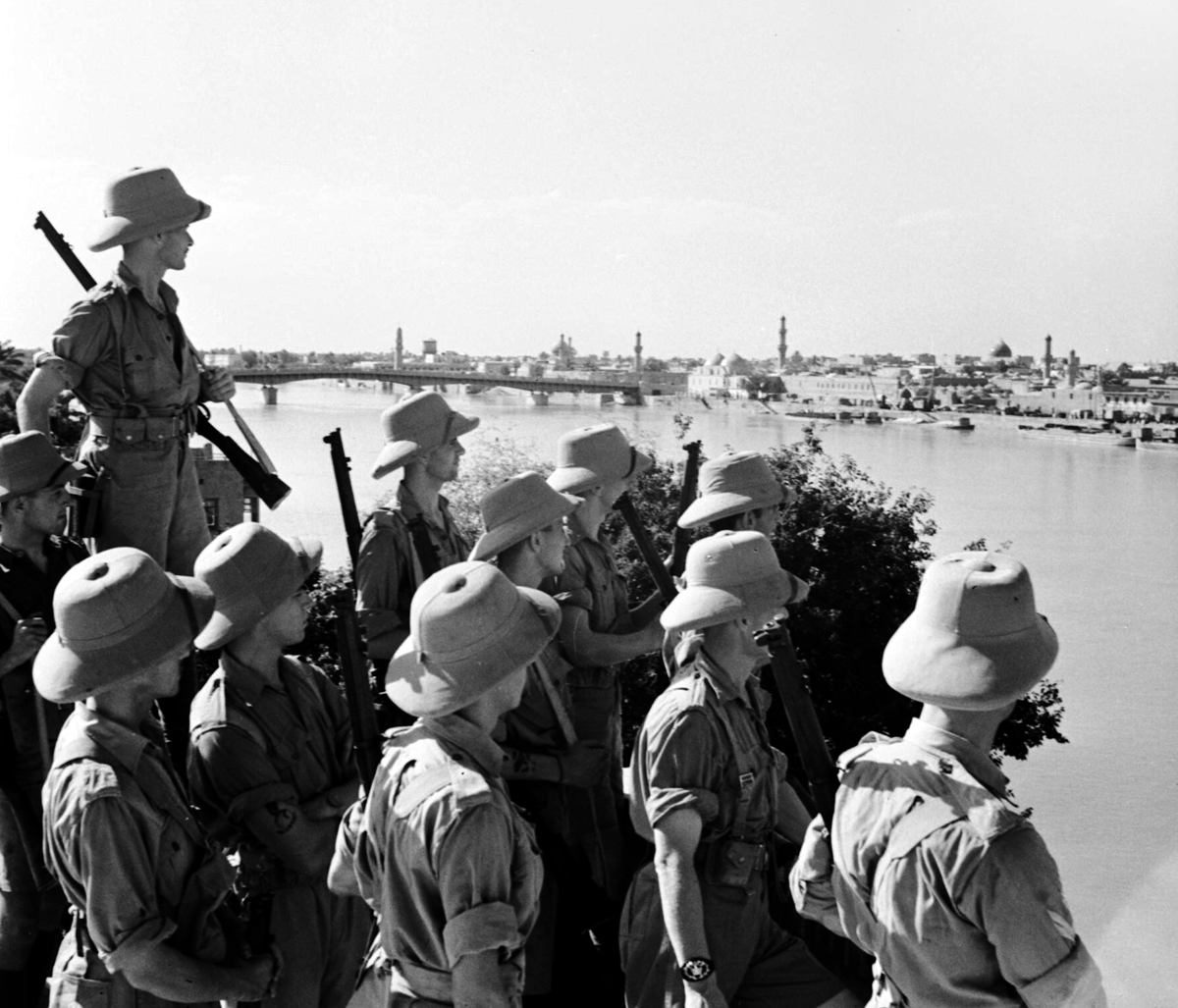
In the spring of 1941, Britain found itself facing a sudden storm of threats across the Middle East. A nationalist coup in Baghdad, German aircraft popping up over Mosul, and Vichy French control of Syria and Lebanon all collided into one big regional emergency.
The British conquest of Iraq, Syria and Lebanon in 1941 stands out as one of the most consequential and, honestly, least talked-about operational sequences of the Second World War.
The crisis forced Britain to fight on three axes at almost the same time. They had to coordinate troops from India, Palestine, Transjordan, and East Africa.
Generals in Cairo juggled these new emergencies while still dealing with the siege at Tobruk and worsening news from the western desert. The result? A whirlwind of land, air, and naval operations during the Syrian campaign that ended up redrawing the Middle East’s strategic map for the rest of the war.
If you want to understand how it all happened, you’ve got to follow the thread from Rashid Ali’s coup in April 1941, through the Anglo-Iraqi War in May, and finally into Operation Exporter across Syria and Lebanon in June and July. Each phase set up the next, like dominoes falling.
How The 1941 Middle East Crisis Unfolded
It all kicked off with a political meltdown in Baghdad. Then Axis forces exploited Vichy French territory, forcing Britain to stretch its military north before Germany could dig in across the Levant.
The Iraqi coup, German planes showing up, and the mess in Syria weren’t just separate headaches. They were all links in the same chain.
The Iraqi Coup And The Rise Of Rashid Ali
In April 1941, a group of Iraqi army officers called the Golden Square moved against the pro-British government in Baghdad. They put Rashid Ali al-Gaylani back in as prime minister after Taha al-Hashimi tried to shuffle two key colonels out of the capital.
Rashid Ali had already been ousted once because of his pro-Axis leanings. His return set off alarm bells in London and Cairo.
He reached out to Germany and Italy for support, and Germany agreed to send military supplies through Vichy-controlled Syria. That was a big deal.
The coup set off the Anglo-Iraqi War on 2 May 1941. Iraqi forces surrounded RAF Habbaniya and told the British garrison to stand down. Britain flatly refused, and the shooting started that very day.
Why Britain Saw Iraq And The Levant As One Strategic Problem
German aircraft started arriving in Iraq via Syria just days after the fighting broke out. This made it clear Vichy France wasn’t really neutral in the Levant. Instead, their territory turned into a busy Axis supply corridor.
Winston Churchill pushed for fast action, even though General Archibald Wavell had his doubts. Wavell realized that even if Britain knocked out Rashid Ali, Syria could still be a door for the Germans.
The two regions shared airspace, supply lines, and were both politically fragile. If Syria fell into Axis hands, it could threaten Palestine, Iraq, and Egypt all at once.
From Baghdad To Operation Exporter
By late May 1941, the defeat of Rashid Ali’s government ended the immediate Iraqi crisis. But it also made it obvious that Britain had to deal with Syria next.
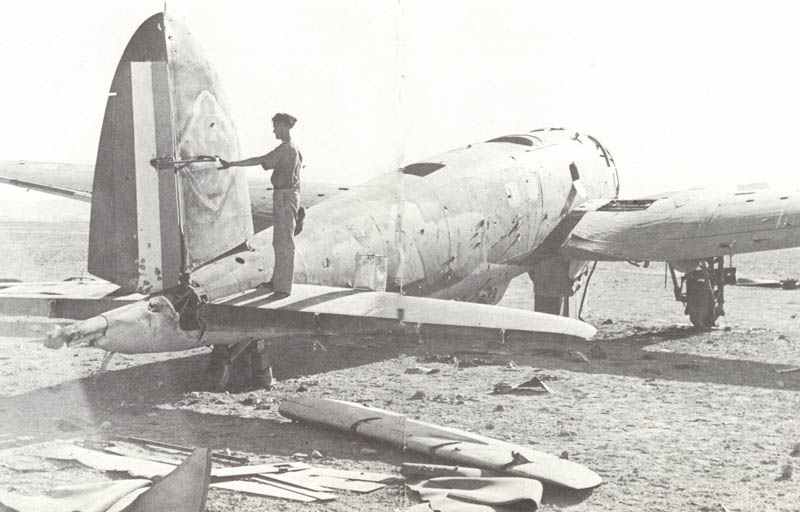
German planes had used Syrian airfields, Vichy authorities had let weapons pass through, and an Italian armistice commission was already in the Levant, keeping an eye on Vichy military moves.
Britain decided it couldn’t leave Syria and Lebanon under a Vichy regime that worked with the Axis. Operation Exporter—the Allied invasion of Syria and Lebanon—got the green light and kicked off on 8 June 1941, just after Rashid Ali’s fall in Baghdad.
Why Iraq, Syria, And Lebanon Mattered Strategically
The Levant and Iraq weren’t just out-of-the-way colonies for Britain in 1941. They formed the backbone linking Egypt, the Persian Gulf, and India.
If Britain lost any piece of this arc, the whole position in the Middle East could unravel fast.
Oil Routes, Air Links, And Imperial Communications
The oil pipeline from Mosul to the Mediterranean coast cut through Syria, ending near Tripoli. It fed fuel straight into British supply lines.
Control over that pipeline and its pumping stations was a military priority, not just about money. RAF Habbaniya and airfields around Mosul, Beirut, and Damascus made up vital links in Britain’s air bridge between Egypt and India.
If the Luftwaffe or Vichy forces grabbed these airfields, Britain would lose its air routes and Germany would get bases right in the middle of the region.
The Threat To Palestine, Egypt, And Tobruk
With a hostile Iraq or Axis-friendly Syria, Palestine was suddenly exposed from the northeast. British forces weren’t really set up to defend that direction.
The garrison at Tobruk was already cut off and had to rely on supplies coming by sea—along a coast where German and Italian forces were making trouble. Any Axis foothold in Syria or Lebanon would have made Royal Navy operations in the eastern Mediterranean a nightmare, not to mention threatening supply lines to Tobruk from behind.
The strategic situation was already tough without adding a hostile northern front.
Axis Access Through Vichy-Controlled Territory
The Fliegerführer Irak, a German air unit sent to help Rashid Ali, got to Iraq by flying through Syrian airspace and landing at Syrian airfields. This wasn’t just a hypothetical risk—it had already happened.
Vichy authorities allowed German and Italian inspectors and liaison teams to work in Syria under the 1940 armistice. Britain saw, pretty reasonably, that this cooperation would only get worse if left unchecked.
With Italian armistice officers in Beirut and Vichy commanders letting Axis forces pass through, Operation Exporter became more urgent every week.
The Anglo-Iraqi War In May 1941
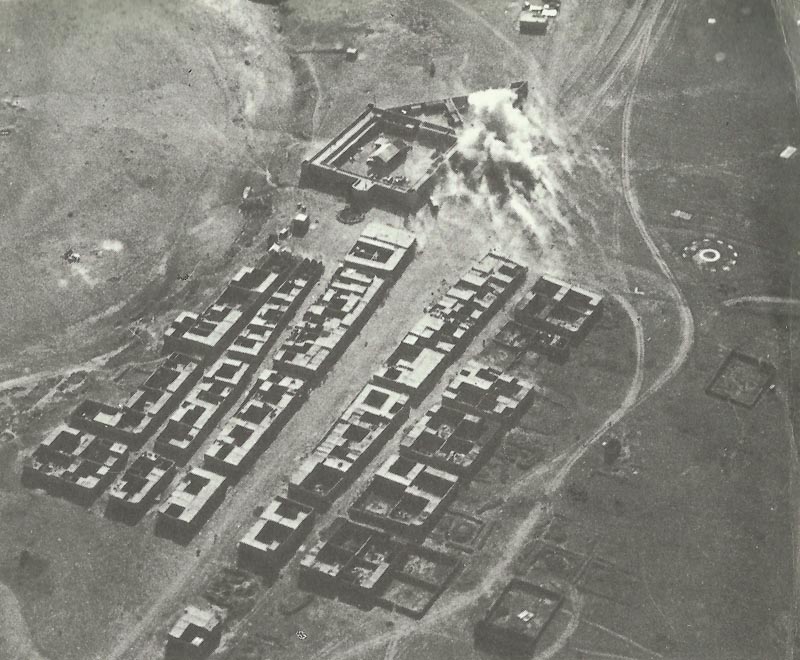
The Anglo-Iraqi War lasted less than a month, but the fighting was sharp. There were battles at Habbaniya, a relief column racing across the desert from Transjordan, and another force pushing north from Basra.
The speed and coordination of British moves caught Rashid Ali’s regime before it could really lock in German support.
The Fighting Around Habbaniya And Fall Of The Coup Regime
On 2 May 1941, Iraqi troops took the plateau above RAF Habbaniya and set up artillery to target the base. But instead of waiting for an attack, the British commander ordered RAF planes to strike first.
They used old training aircraft—Audaxes and Oxfords rigged to carry bombs—and flew repeated sorties against Iraqi guns and infantry. The Iraqi forces, about 9,000 strong with artillery, didn’t push their advantage.
After days of RAF attacks and dogged defense on the ground, Iraqi troops started to pull back. The sight of a surrounded garrison going on the offensive made a real impact.
By late May 1941, Rashid Ali’s regime collapsed as British troops entered Baghdad. Rashid Ali himself escaped to Iran and then Germany.
Axis Intervention
Fliegerführer Irak and Vichy Support As the conflict intensified, Germany and Italy provided limited but significant support to Rashid Ali’s government.
The Luftwaffe established Fliegerführer Irak , a special air detachment under Colonel Werner Junck, which operated out of Mosul. German aircraft, including Heinkel He 111 bombers and Messerschmitt Bf 110 fighters, arrived via Vichy-controlled Syrian airfields.
The Italian Regia Aeronautica also contributed a squadron of Fiat CR.42 fighters to bolster the Iraqi air effort.
Meanwhile, the Vichy French authorities in Syria facilitated the transfer of arms and ammunition from their own stocks to the Iraqi rebels, transporting these supplies by rail through northern Syria to the Iraqi border.
Despite these reinforcements, the Axis intervention remained too small and disjointed to turn the tide. The logistical challenge of maintaining advanced air units so far from major hubs, combined with the rapid British advance, prevented the Axis from establishing a permanent foothold in Mesopotamia.
British Reinforcements From India And Basra
The 10th Indian Division played a key role in securing Basra and moving north along the Euphrates. They landed at Basra from India under treaty rights, setting up a southern base for operations deeper into Iraq.
Meanwhile, a separate relief column called Habforce formed in Transjordan and pushed across the Syrian desert to reach Habbaniya. They covered hundreds of miles of tough terrain and managed to arrive in time to support the final push on Baghdad, moving through Haditha along the Euphrates.
How The Iraq Campaign Opened The Road Into Eastern Syria
With Rashid Ali defeated, British forces ended up stretched along the Syrian frontier from several directions. Habforce, after its desert trek, stood right at the Iraqi-Syrian border.
The 10th Indian Infantry Division held central Iraq, making a move toward Mosul and the Syrian border possible. General William Slim’s troops in the north advanced toward Mosul and then Deir ez-Zor in eastern Syria.
This gave Operation Exporter a third axis of advance from the east, adding to the main push from Palestine and a secondary one from Transjordan.
Operation Exporter And The Invasion Plan
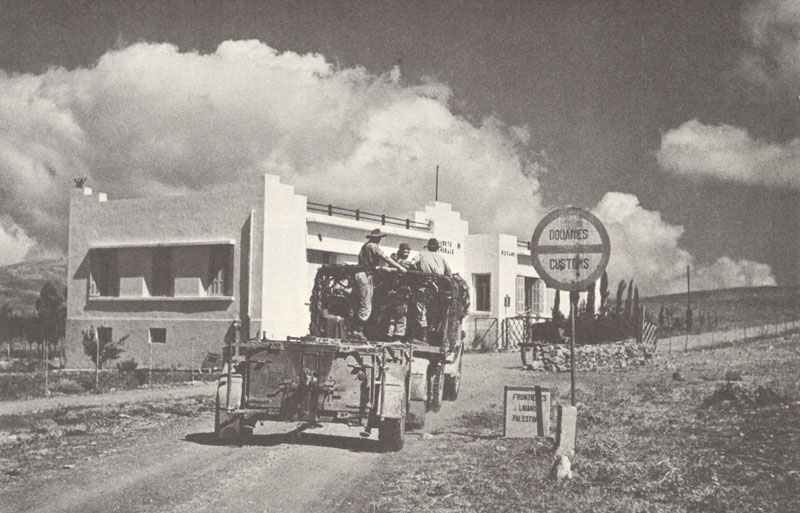
Operation Exporter—often called the Syrian campaign or Syria–Lebanon Campaign—launched on 8 June 1941. Allied forces advanced along several axes into Vichy French-held territory at once.
The plan tried to balance ambition with limited resources. It depended on speed and coordination rather than sheer numbers, since the Vichy French Army of the Levant actually had more tanks, artillery, and aircraft than the attackers.
Allied Command And The Multi-Axis Advance
General Henry Maitland Wilson led the Allied force under General Archibald Wavell’s overall Middle East Command. The plan called for a coastal advance up the Lebanese coast toward Beirut, a central push toward Damascus, and an eastern drive from Iraq toward Palmyra and Deir ez-Zor.
General Paul Legentilhomme led the Free French forces attached to the operation, mostly from the 1st Free French Division. Their presence gave the campaign a political edge, making it more than just a British invasion of a French mandate.
But this arrangement also created tensions that lingered through the armistice negotiations.
Forces From Palestine, Transjordan, And Iraq
The 7th Australian Division formed the main striking force for the coastal and central advances from Palestine. The 5th Indian Infantry Brigade backed up operations in the Damascus area.
Habforce crossed from Iraq to put pressure on Palmyra from the east, while General William Slim’s troops in northern Iraq aimed for Deir ez-Zor. The Arab Legion under Glubb Pasha joined the Transjordan axis, bringing crucial desert mobility to the eastern flank.
These specialized Arab Legion units were essential for securing the desert corridors. The Haganah and Palmach also provided guides and reconnaissance, thanks to their local knowledge.
Vichy Defenses Under Henri Dentz
General Henri Dentz led the French Army of the Levant for Vichy France. His Armée du Levant had around 35,000 to 45,000 troops, including Senegalese and Foreign Legion units.
This force actually had more artillery and armor than the advancing Allied columns. They used the local terrain to their advantage at nearly every turn.
Dentz didn’t have any Axis troops under his command after Fliegerführer Irak left Iraq. He did receive some Vichy air reinforcements, though.
His orders were clear: defend the French mandate territory. Dentz followed those orders with more resolve than the British expected, which dragged out the fighting for weeks longer than anyone had planned.
The Main Fighting For Damascus, Palmyra, And Beirut
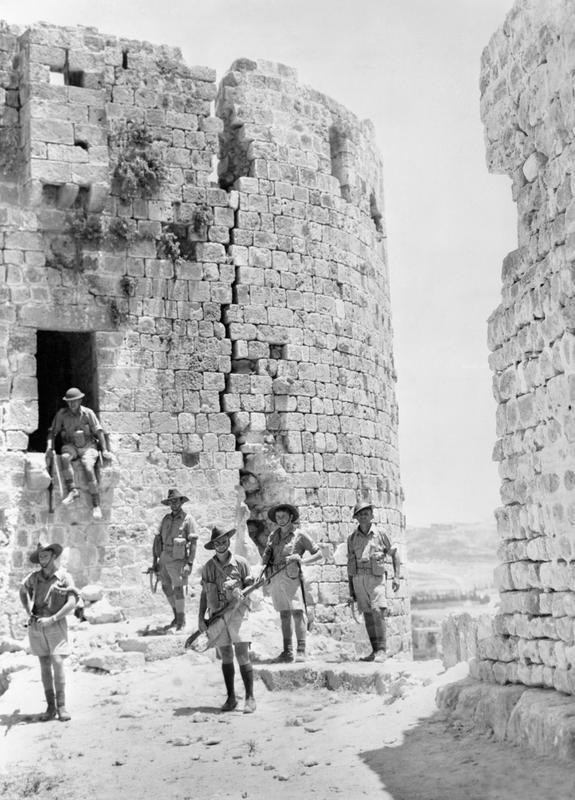
Between 8 June and 14 July 1941, battles raged across Syria and Lebanon. The fighting mixed mountains, desert, river crossings, city streets, and some grueling marches.
The Vichy French dug in and counterattacked, slowing down every Allied push. The campaign turned out to be much tougher than its short timeline suggests.
The Southern Advance To Damascus And Kuneitra
Australian and Free French troops crossed from Palestine on 8 June 1941, aiming for Damascus and Kuneitra. They fought through strong Vichy positions in the hills south of Damascus.
Free French columns came from the southwest, while British and Australians pressed from the southeast. It was a real pincer movement, but not an easy one.
Damascus finally fell on 21 June after several days of heavy fighting. Vichy troops pulled back north toward Beirut and Aleppo instead of trying to hold out in the city.
Taking Aleppo was still needed to secure northern Syria. Meanwhile, capturing Kuneitra locked down the approach to Damascus from the Golan and blocked a possible Vichy flanking move.
The Eastern Drive To Palmyra And Deir ez-Zor
Habforce crossed the Syrian desert from Iraq and reached Palmyra. There, a determined Vichy garrison held out for two weeks.
The Palmyra garrison surrendered on 3 July 1941 after constant pressure from Habforce and Allied air support. That was a tough nut to crack.
General William Slim’s troops moved from northern Iraq toward Deir ez-Zor on the Euphrates. They took the town on 3 July 1941.
Capturing Deir ez-Zor sealed off Syria’s eastern approach and cut Vichy communications with Iraq. This set up the next move north toward Aleppo.
The 10th Indian Division played a crucial role on this eastern axis. Their actions made a real difference.
The Coastal Battles, The Litani River, And The Approach To Beirut
The 7th Australian Division’s push up the Lebanese coast was the bloodiest part of the campaign. Vichy forces dug in on every ridge and at every river crossing between the border and Beirut.
The Litani River was a major obstacle, with Vichy artillery covering the crossings. Australians had to fight hard just to get across.
The 2/5th Battalion and other Australian units forced crossings under fire, then pushed north through Sidon toward Beirut. Early July saw them battling through the Damour River line.
Beirut itself wasn’t stormed. By mid-July, with Damascus, Palmyra, and Deir ez-Zor all lost, Dentz realized he couldn’t hold out and asked for an armistice.
Air And Naval Operations In The Levant
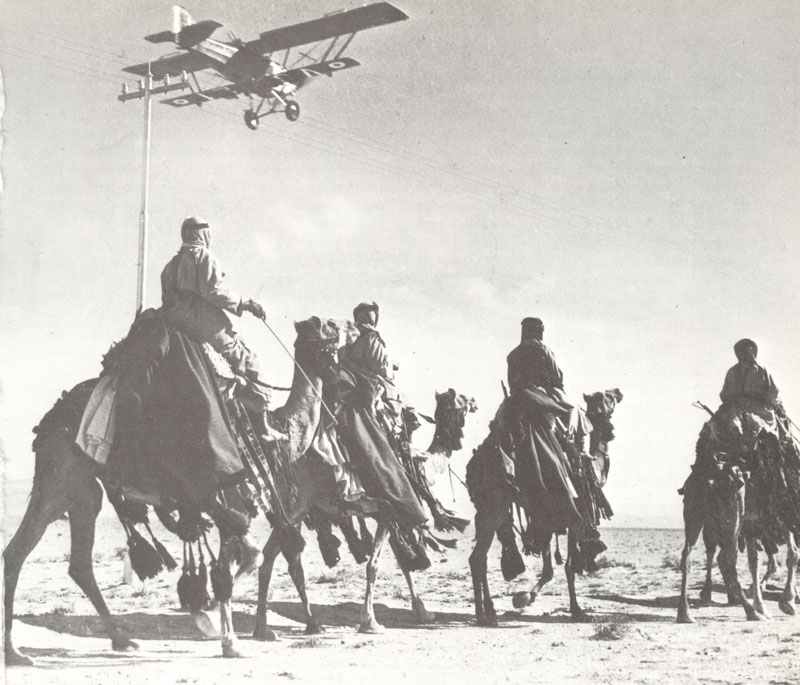
Air and naval operations over Syria and Lebanon in June and July 1941 weren’t the main event, but they mattered. RAF and Royal Australian Air Force planes bombed Vichy airfields and bases, while the Royal Navy and Royal Australian Navy tried to block supplies along the coast and shelled enemy positions.
RAF And RAAF Pressure On Vichy Airfields
The Royal Air Force and Royal Australian Air Force flew constant missions against Vichy French airfields. They targeted places like Mezze, Rayak, and Homs.
RAF Tomahawk fighters escorted Blenheim bombers to knock out Vichy air power before it could mess with the ground advance. Tomahawks were key in keeping air superiority. RAAF pilots flying them often tangled with Vichy fighters over the coastal mountains.
Strikes on Homs and other airfields forced the French Air Force to scatter their planes. Allied Tomahawks kept watch, making it tough for Vichy aircraft to mount counterattacks.
This limited Vichy’s ability to focus on any single Allied push. The air campaign didn’t decide the outcome alone, but it definitely weakened Vichy’s response during those crucial first weeks.
Vichy Air Power And Limited German Support
The Vichy air force in the Levant had Dewoitine D.520 fighters, Potez bombers, and a few other types. These matched up pretty closely with early-war Allied planes.
Vichy pilots fought aggressively, especially along the coast, and shot down some Allied aircraft. The Luftwaffe didn’t provide real support during Operation Exporter—their planes had already left after the fall of Rashid Ali in Iraq.
That lack of German help mattered. If the Luftwaffe had stayed in Syria, the Allies would’ve had a much tougher time in the air. Even so, Vichy resistance alone still made things complicated.
Royal Navy And Royal Australian Navy Support Off The Coast
The Royal Navy and Royal Australian Navy stayed active off the Lebanese coast, shelling Vichy positions and trying to block French ships from bringing in supplies. The destroyer HMAS Vendetta and others backed up the Australians moving along the coast road.
Two Vichy destroyers, the Chevalier Paul and the Souffleur, were sunk by British air and submarines. Losing these ships cut Vichy’s ability to reinforce by sea and chipped away at their hold on the coast.
Command, Resistance, And The Armistice
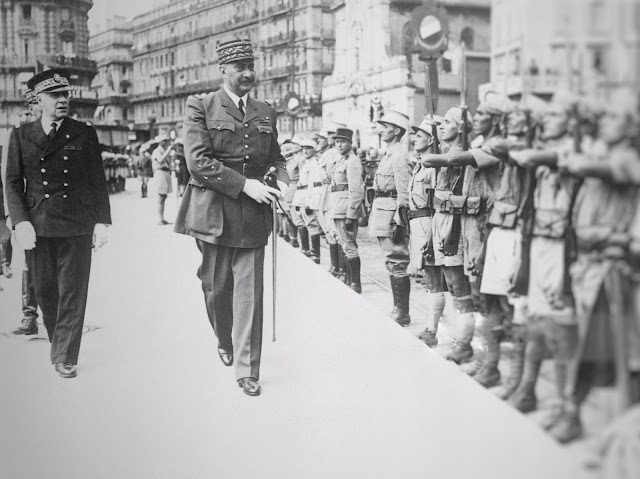
The armistice on 14 July 1941 ended Operation Exporter, but it sparked a political fight between the British and Free French over what to do with Vichy prisoners and the future of Syria and Lebanon. Relations between the two Allied commands had been rocky during the fighting and didn’t get any better afterward.
Why Vichy Resistance Was Stronger Than Expected
General Henri Dentz’s troops fought much harder than the British thought they would. Many French officers felt bound by oath to defend Vichy territory, and the Armée du Levant had good weapons and solid defensive positions.
The Vichy garrison launched several counterattacks, sometimes even retaking ground. British and Australian units suffered heavy losses around Damascus and on the Lebanese coast, and the campaign dragged on for five weeks—much longer than some optimists had guessed.
Relations Between British And Free French Commanders
General Georges Catroux, the top Free French commander in the Levant, and General Paul Legentilhomme clashed with the British over the armistice terms and handling of Vichy prisoners. Charles de Gaulle was furious that General Henry Maitland Wilson’s armistice let Vichy soldiers choose to go back to France instead of joining the Free French.
De Gaulle saw this as a British move to weaken Free French manpower and limit French influence in Syria and Lebanon. The disagreement was real and just kept simmering, hinting at the bigger Anglo-French rivalry in the region that dragged on until 1946.
The Armistice Of Saint Jean d’Acre And Dentz’s Surrender
The Armistice of Saint Jean d’Acre was signed on 14 July 1941. General Henri Dentz signed for Vichy France.
The deal let Vichy troops choose between going home to France or joining the Free French—most picked repatriation, which infuriated de Gaulle and his team. Dentz went back to France and later faced a post-war trial for collaboration.
The armistice handed Britain and the Free French control over Syria and Lebanon, ending Vichy authority and shutting down the last Axis-accessible stretch of the eastern Mediterranean coast.
Consequences For The Wider War In The Middle East
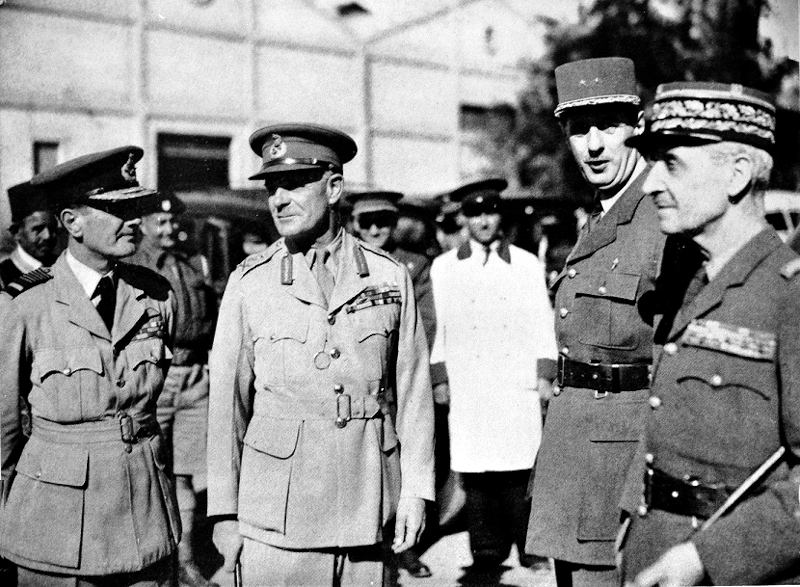
By mid-July 1941, the Iraq and Levant campaigns changed the Middle East’s strategic picture, even though Britain’s troubles in Operation Battleaxe in North Africa showed that no single win could fix everything at once.
Security Gains After Iraq And The Levant
With Iraq back under a pro-British government and the Levant under Allied control, Britain locked down its northern and eastern flanks. German planes couldn’t use Syrian airfields anymore, and the Mosul oil pipeline was safe.
Travel between Egypt, Palestine, and India became much less risky. On 1 November 1941, the Ninth Army took command of Allied forces in Syria, Lebanon, and northern Iraq, officially setting up a new defensive line. This gave Britain a solid northern front before Germany started eyeing the Caucasus in 1942.
Political Outcomes In Syria And Lebanon
General Georges Catroux, acting for Free France, proclaimed Syrian and Lebanese independence during the campaign, though real self-government was still pretty limited. The Free French got control of northern districts around Aleppo soon after the fighting ended.
French administration continued in practice, despite the proclamations. Still, these moves helped reduce local Arab resistance and took the edge off Vichy propaganda.
The shift from Vichy to Free French control was messy and sparked years of internal and diplomatic wrangling. Syria and Lebanon officially became independent in 1943 and 1944, but French troops didn’t leave for good until 1946, after more Anglo-French tension.
What The 1941 Campaigns Revealed About British Power
The 1941 campaigns showed Britain could run multiple operations across a huge region, even with stretched resources. Coordination wasn’t perfect, but it got the job done.
The campaigns also exposed the limits of British speed and the dangers of underestimating Vichy resolve. Operation Battleaxe failed just as Operation Exporter succeeded—a reminder that 1941 was a year of mixed results, not smooth sailing.
Frequently Asked Questions
What triggered the 1941 Anglo-Iraqi War and the collapse of the Rashid Ali government?
In April 1941, the Golden Square—a group of pro-Axis Iraqi officers—pulled off a coup and brought Rashid Ali al-Gaylani back to power. British forces responded after Iraqi troops surrounded RAF Habbaniya on 2 May 1941.
The fighting lasted less than a month. Rashid Ali fled, and British troops entered Baghdad by the end of May.
How did control of Iraqi airfields and oil facilities shape British operations in 1941?
RAF Habbaniya and the Mosul airfields were vital for Britain’s air bridge between Egypt and India. The Mosul oil pipeline ran to the Mediterranean through Syria, so its security was a top military priority.
If the Axis or Vichy France had taken these assets, Britain would’ve lost key communications and fuel supplies.
Who did British and Commonwealth forces fight during the 1941 Syria-Lebanon campaign?
The main enemy in Operation Exporter was the French Army of the Levant, led by General Henri Dentz. This Vichy force had 35,000 to 45,000 troops, including Senegalese, North African, and Foreign Legion soldiers.
The Luftwaffe didn’t provide ongoing support, but the Vichy air force fought hard throughout the campaign.
Why were Syria and Lebanon strategically important to Britain in World War II?
Syria and Lebanon controlled the land route from Palestine to Iraq, the air corridors to India, and the Mediterranean end of the Mosul oil pipeline near Tripoli and Beirut.
If the Axis had gained a foothold in the Levant, they could have threatened Palestine and Egypt from the northeast and gained airfields close enough to strike the Suez Canal.
What role did Australian and other Commonwealth units play in the 1941 campaign in Syria and Lebanon?
The 7th Australian Division led the main push along the coast from Palestine toward Beirut. They also took on operations heading for Damascus.
Australian battalions, like the 2/5th, fought their way through Vichy positions along the Litani River and up the Lebanese coastal road. Indian formations, including the 5th Indian Infantry Brigade and Habforce, moved into the Damascus and Palmyra areas.
Slim’s forces in northern Iraq grabbed Deir ez-Zor. It was a sprawling campaign, and these units made a real difference.
How did the 1941 campaigns in Iraq and the Levant affect the wider North Africa and Middle East war effort?
When the British secured Iraq and the Levant, they closed off the northern flank in the Middle East. That move also cut off Axis access to Syrian airfields and the Mosul pipeline.
With that threat gone, Britain could really focus on the western desert campaign against Rommel. Still, the failure of Operation Battleaxe at the same time made it clear—success in one area didn’t just magically fix everything elsewhere.
By November 1941, Britain set up the Ninth Army to hold the new northern perimeter. They wanted to be ready in case the Germans tried pushing through the Caucasus.
References and literature
Luftkrieg (Piekalkiewicz)
Chronology of World War II (Christopher Argyle)
Der Grosse Atlas zum II. Weltkrieg (Peter Young)
Kriegstagebuch des Oberkommandos der Wehrmacht, Band 1-8 (Percy E. Schramm)
The Armed Forces of World War II (Andrew Mollo)
A World at Arms – A Global History of World War II (Gerhard L. Weinberg)