Final German Orders of Battle
The final battles in the East and the last German Orders of Battle from April 30, 1945. Army groups, armies, corps and divisions. The establishment and distribution of the divisions
The final battles in the East and the last German Orders of Battle from April 30, 1945. Army groups, armies, corps and divisions. The establishment and distribution of the divisions
German Orders of Battle on 16 September 1944 at the time of the allied airborne operation ‘Market-Garden’ around Arnhem. The deployment and distribution of the divisions of the Wehrmacht and
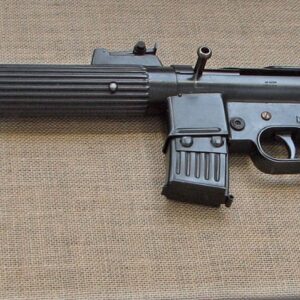
StG-45 or Sturmgewehr 45 (assault rifle) and its modern successors G3, CETME, HK33, G36. History, development, service, specifications and pictures. Sturmgewehr 45 Sturmgewehr 45 (StG-45) Type: automatic rifle. Overview The
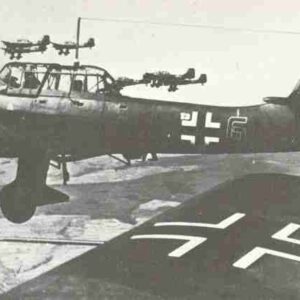
Strength and aircraft of the Luftflotten on the day after Germany invaded Poland and before the declaration of war by Britain and France. Orders of Battle from German Luftwaffe on
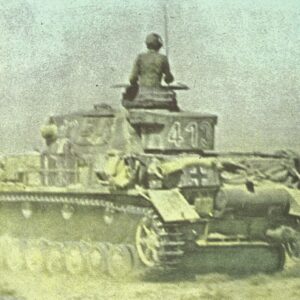
Deployment of German armed forces (divisions, infantry, vehicles, artillery, air force, navy) by theaters of war in the summer of 1942. Deployment German ground forces The German distribution of ground
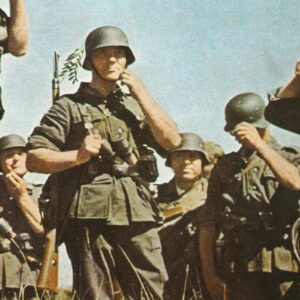
Army uniforms of the Wehrmacht in the Second World War. German insignia and special uniforms for the Western Desert an the Eastern Front. The field-gray uniform of the Wehrmacht was
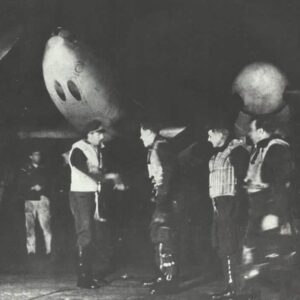
German Air Force of World War II. Part II: The German Air Force in the second half of the war. here to Part I Luftwaffe Jeschonnek’s successor, General Günther Korten,
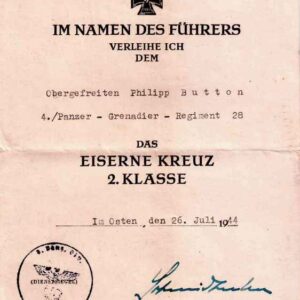
The Iron Cross and killed at the Russian Front. WW2 pictures of the author’s uncle in different German army tank unit uniforms. He was as anti-tank gunner with the 8th
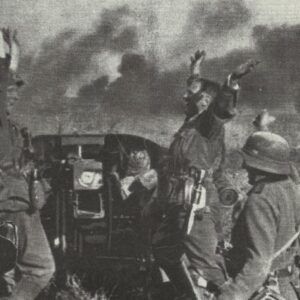
The German military performance on the Russian Front during the Second World War. Part IV of the analysis of fighting power on the Eastern Front, during the Battle of Kursk
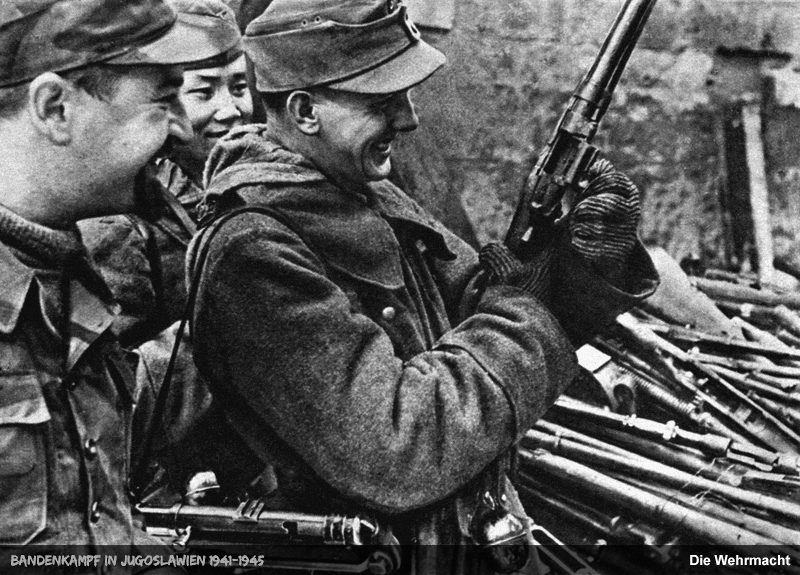
German Brandenburgers Special Forces and Panzergrenadier-Division Brandenburg: Elite WW2 Unit Analysis. The Brandenburgers During World War II, the Brandenburgers emerged as a notable special forces unit within Nazi Germany’s military,
German Brandenburgers Special Forces and Panzergrenadier-Division Brandenburg read more »
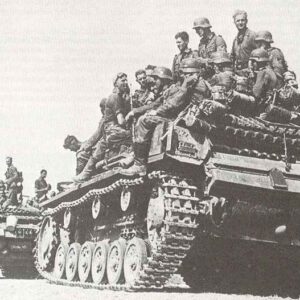
German Orders of Battle of 11 May 1942 and the Planning of the Summer Offensive (Operation Blue). Here to the previous part: German Orders of Battle April 1942 and Soviet
German Orders of Battle May 1942 and Operation Blue read more »
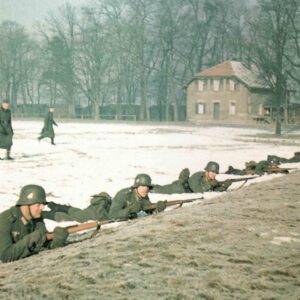
Wehrmacht – the German Armed Forces of the Third Reich. The origins and creation of the Wehrmacht in March 1935 and the evolution until the beginning of WW2 in September
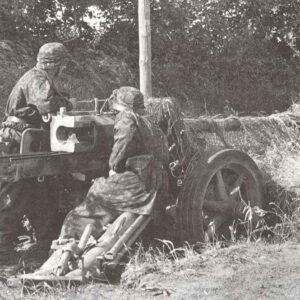
Order of Battle Waffen-SS divisions 7 (Prinz Eugen) – 12 (Hitlerjugend). The Waffen-SS divisions from this and the previous page were Germany’s most effective troops of WW2. Waffen-SS divisions 4-6.
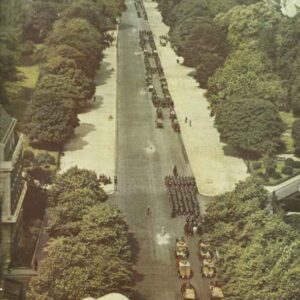
German Orders of Battle for the Battle of France of June 8, 1940. The offensive started after Dunkirk Evacuation on June 5 with the attack of Army Group B. Battle
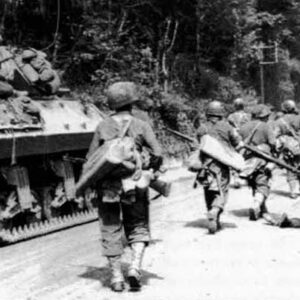
German military performance against the Western Allies in France and on the German frontier in 1944. back to Part III: Military performance in Italy 1943-44 Military performance on the Western
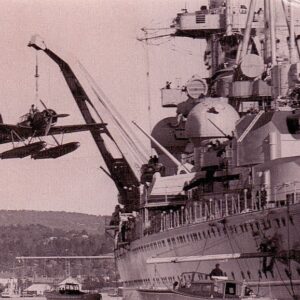
Heavy Cruiser Admiral Hipper and other warships in Norway. German warships in Norway During World War II, Norway was of significant strategic importance to both the Allies and the Axis
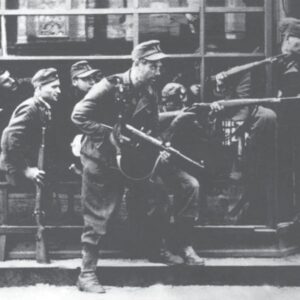
Order of Battle Waffen-SS divisions 33 (3rd Hungarian) – 38 (Nibelungen). Many of these late divisions (Nos. 33–38) were formed in 1944/45 amid severe personnel shortages. They were often poorly
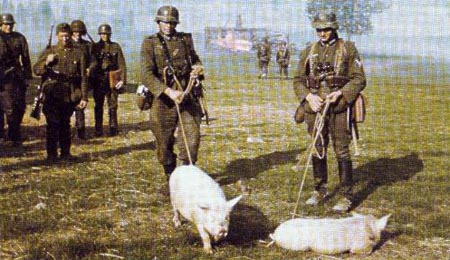
The German Orders of Battle from October 4, 1943, after the surrender and occupation of Italy. Orders of Battle from 4 October 1943 The German Orders of Battle and distribution
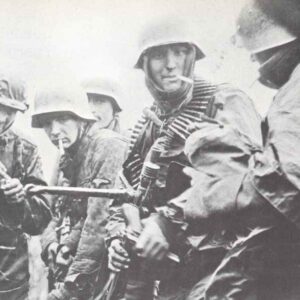
Fighting power of the German Wehrmacht (Part I) in the West (1944-45), on the Russian front, in the Polish campaign 1939, impact of tactics and weapons and the main causes
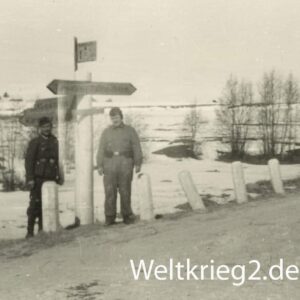
WW2 pictures from the Russian Front in 1944. Pictures from a German soldier on the Russian Front in 1944. The Narva front in the Baltic States from the first half