
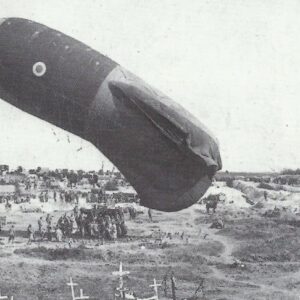
Diary October 3, 1915
Diary for Sunday, October 3, 1915: Air War Western Front: British kite-balloons range successfully on 10 targets. French bomb Metz. Western Front Loos: Germans recapture part of Hohenzollern Redoubt from
Diary for Sunday, October 3, 1915: Air War Western Front: British kite-balloons range successfully on 10 targets. French bomb Metz. Western Front Loos: Germans recapture part of Hohenzollern Redoubt from
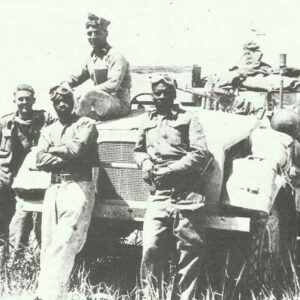
Strength and organization of Free French Army 1941-1944. Divisions, units and Air Force in the Middle East and North Africa and the French Expeditionary Corps in Italy. Free French Forces
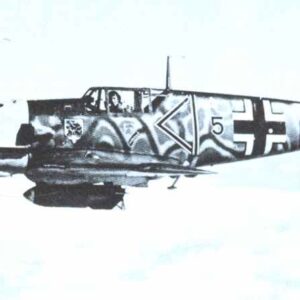
Diary for Wednesday, October 2, 1940: Air War Numerous raids over Southeast England by high-flying Me 109E fighter-bombers. Spitfire fighters break up most attacks, but a few bombs fall on
Diary for Saturday, October 2, 1915: Air War Germany: First German ‘Giant’ heavy bomber ferried to Eastern Front. Western Front: French airship Alsace shot down. 62 unescorted French bombers (2
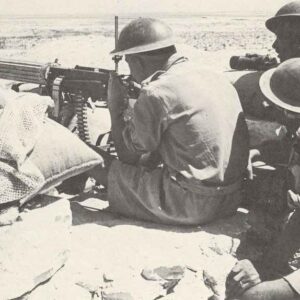
Strength and Organization of the Armies of the British Empire in the Middle East (including Battles of Alamein) and Europe 1942-1943. The British Army in 1942 From late 1941 until
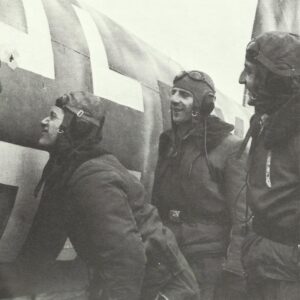
Diary for Tuesday, October 1, 1940: Air War Battle of Britain (Day 83): Fighter-bomber raids on Southeast England. German two-engined bombers (except few fast Ju88s) withdrawn from daylight operations and
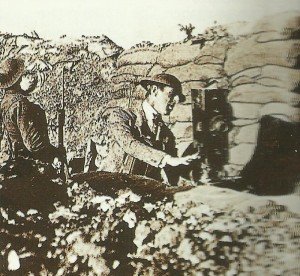
Diary for Friday, October 1, 1915: Home Fronts Britain: Retail Food Price RFP up 5% to 30%. Munitions Ministry now in command of 979 factories, recommends weekly wages (October 22).
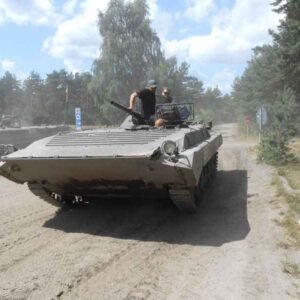
Tank driving with the Soviet BMP APC/AIFV. Video of the tank drive, history, description, specifications and photos of the Soviet BMP armored infantry fighting vehicles. During the Second World War,
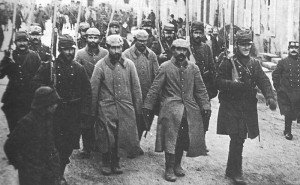
Diary for Thursday, September 30, 1915: Western Front Sir J French and Kitchener Order of the Day congratulates BEF. King sends a message to Sir John. Champagne: Minor French gains.
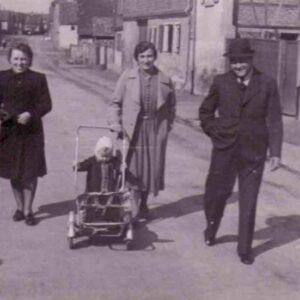
Diary for Monday, September 30, 1940: Home Fronts Britain: 50 London firemen killed and 501 injured during September. Germany: The mother of the author of this websites was borne in
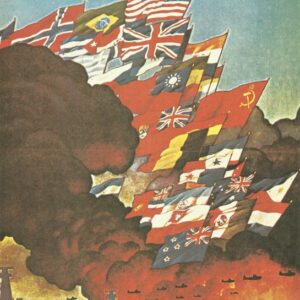
Diary for Sunday, September 30, 1945: Home Fronts Britain – Bourne End (Hemel Hempstead) rail disaster: 44 killed, 88 injured. China US Marines land at Tientsin.
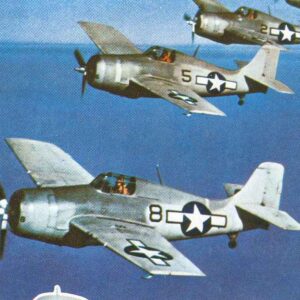
US Navy naval fighter Grumman F4F Wildcat of the Second World War. History, development, service, specifications, pictures and 3D model. Grumman F4F Wildcat Grumman F4F Wildcat Type: US naval fighter
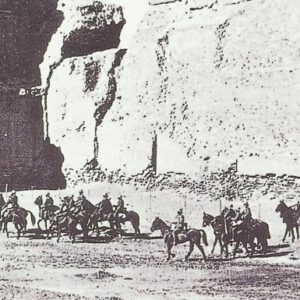
Diary for Wednesday, September 29, 1915: Middle East Mesopotamia: Townshend’s cavalry occupy Kut but ships stuck in falling river for two days. Western Front Flanders: Germans capture British trenches at
Diary for Sunday, September 29, 1940: Air War Hawker Hurricane fighters intercept formation of Heinkel He 111 bombers over Irish Sea: each side loses 3 aircraft.
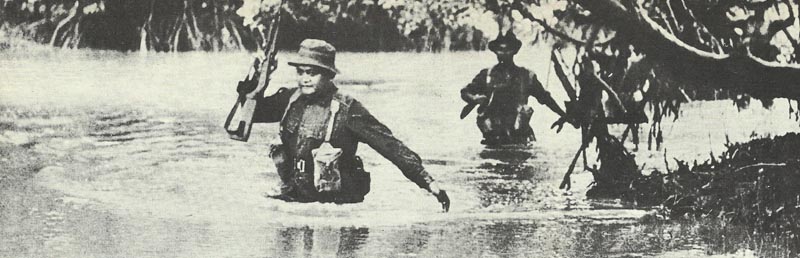
Diary for Saturday, September 29, 1945: Occupied countries Dutch East Indies: British troops land in Java to combat rebellious Nationalists. Argentina 500,000 demonstrate against Peron in Buenos Aires.
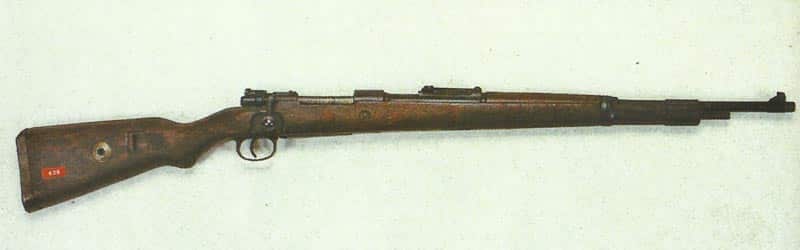
German infantry rifle Mauser Gewehr 1898 from World War One. History, development, service, specifications, pictures and model. Mauser Gewehr 98 Mauser Gewehr 1898 Type: Infantry Rifle. The Mauser Gewehr 1898,
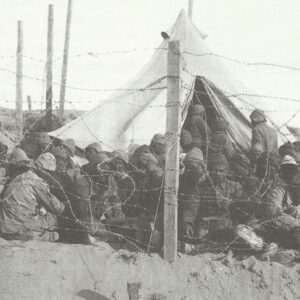
Diary for Tuesday, September 28, 1915: Middle East Mesopotamia – Battle of Kut: after night flank march, Townshend (1,233 casualties) storms Turk defences (700 casualties) at Es Sinn, taking 1,153
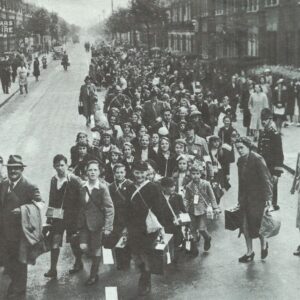
Diary for Saturday, September 28, 1940: Home Fronts Britain – Mother and Child evacuation scheme: 489,000 leave London by October 17.
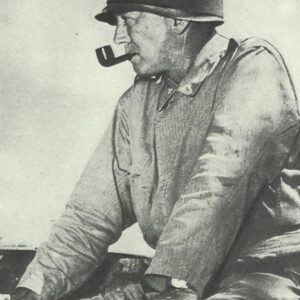
Diary for Friday, September 28, 1945: Occupied countries Germany: Patton ridicules ‘de-nazification’ programme in Bavaria.
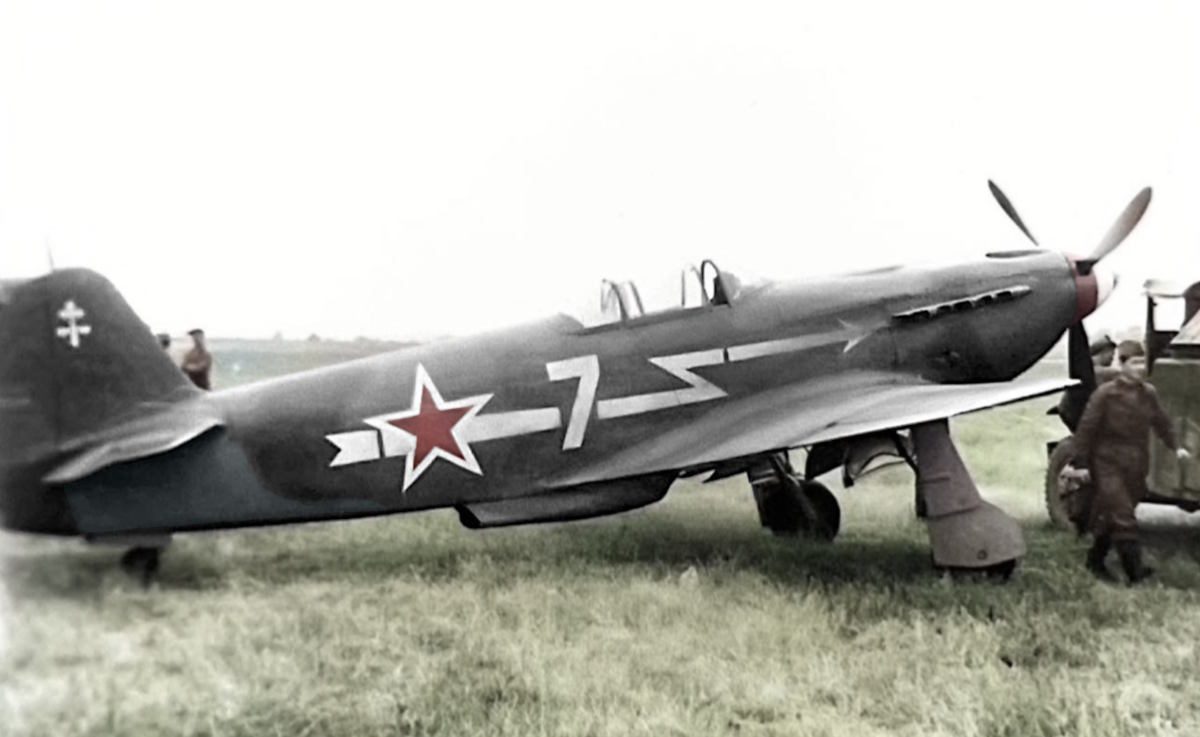
The best Soviet fighter aircraft of the Second World War was the Yak-3, introduced in 1944. The Yakovlev Yak-3 stood out as one of the most effective and feared fighter