
Discover how WWII rifle design influenced modern AR-15 development, shaping weight, ergonomics, magazines, and performance today.
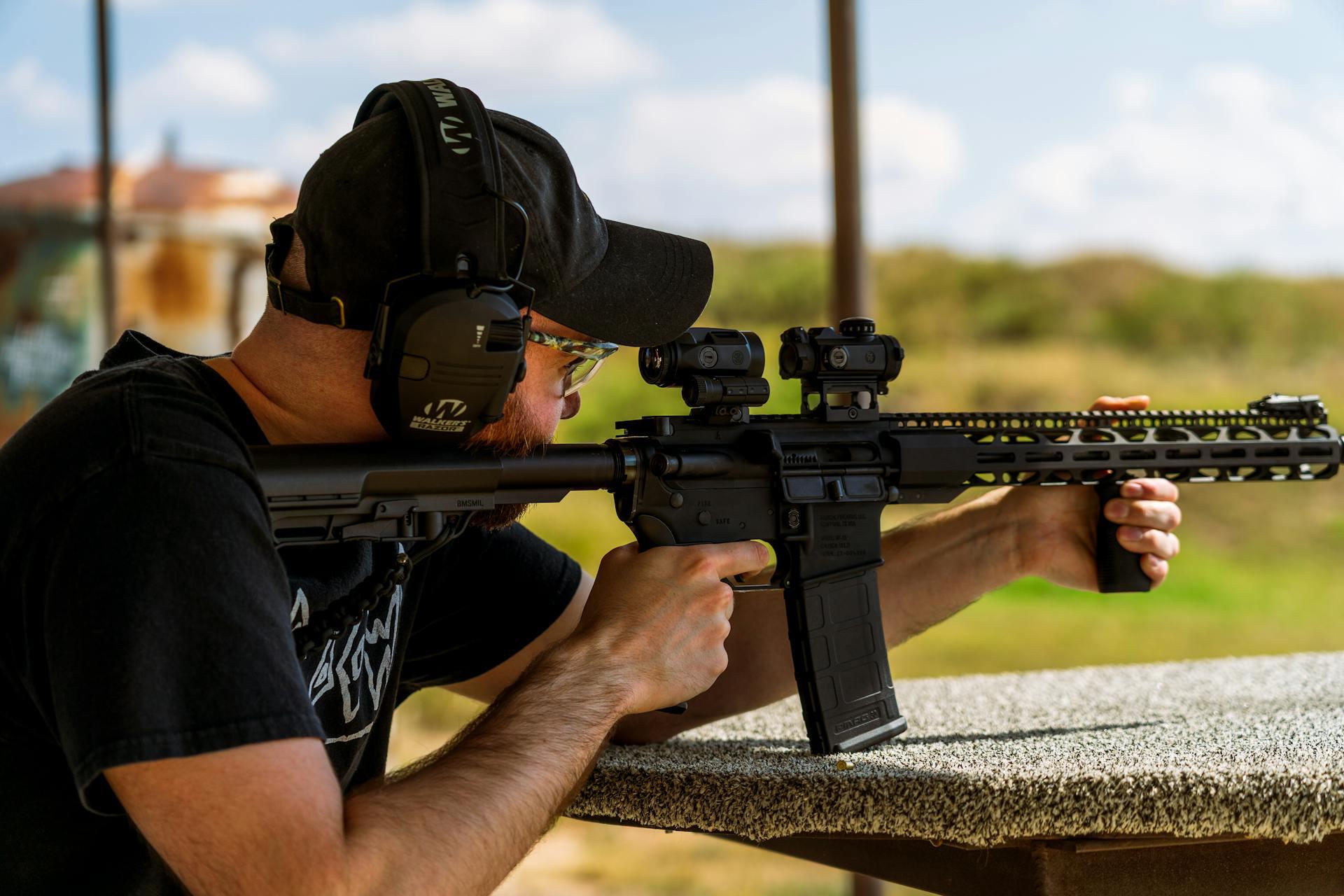
When you pick up an AR-15, you are holding a rifle shaped by decades of innovation. WWII rifle design influenced modern AR-15 development in ways you might not notice at first glance. From weight and balance to reliability and ease of use, many features trace back to weapons used on battlefields over 80 years ago. Understanding this history can give you a new appreciation for how thoughtful design affects performance today. Engineers learned important lessons from the rifles soldiers carried in World War II. They studied what worked under harsh conditions and what slowed troops down. Those lessons inspired changes in gas systems, magazines, ergonomics, and more. By connecting past and present, you can see how modern rifles carry the legacy of innovation and problem-solving from a critical era in firearm history.

The Shift to Lightweight and Reliable Weapons
During World War II, armies realized that heavy rifles slowed soldiers down. The M1 Garand, for example, weighed about 9.5 pounds. That was lighter than many older rifles, but still bulky for long marches or fast combat. Designers wanted weapons that balanced firepower with mobility. Soldiers needed rifles that they could carry all day without getting tired.
The StG 44 from Germany introduced new ideas for reducing weight while keeping power. Its design used stamped metal parts instead of heavy machined steel. This change made production faster and rifles easier to handle. Troops could fire more rounds quickly without struggling with a heavy weapon. These lessons on weight and balance became essential when later engineers designed modern rifles.

When AR-15 designers started their work, they studied these WWII rifles closely. They aimed for something lighter than battle rifles but still reliable in harsh conditions. Using lightweight materials like aluminum and polymer parts helped achieve this goal. Today, the AR-15 feels easy to carry and maneuver, a direct result of those WWII innovations.
Gas-Operated Systems: Learning from the Past
One of the biggest lessons from WWII rifles was how to use gas to cycle a rifle automatically. The M1 Garand used a gas system to push the bolt back after each shot. This meant soldiers did not need to operate the bolt after every round manually. It made firing faster and kept troops more focused on the target.
The German StG 44 also used a gas-operated mechanism, but with a more compact and efficient design. This allowed soldiers to fire multiple rounds quickly without losing control. Engineers noticed how gas systems could improve both speed and reliability. They studied pressure levels, bolt movement, and overall balance to avoid jams and malfunctions.
When designing the AR-15, creators adapted these ideas to a lighter, modern rifle. They refined the gas system to reduce recoil and improve accuracy. These refinements form part of AR-15 rifle basics that affect how the rifle functions today. When you fire an AR-15, the smooth cycling reflects lessons learned from WWII designs.
Magazines That Changed How Soldiers Fired
World War II rifles taught armies that soldiers needed more than just a single shot at a time. Early rifles used fixed or small-capacity magazines, which slowed reloading in combat. The StG 44 introduced detachable magazines, allowing soldiers to reload quickly under pressure. This small change had a big impact on battlefield performance.
The U.S. also experimented with faster-loading systems during the war. Troops found that being able to swap magazines without stopping to reload gave them a major advantage. It improved both speed and efficiency in firefights. Soldiers could focus on aiming and movement rather than worrying about running out of rounds.
When engineers created the AR-15, they borrowed this idea and improved it further. Modern detachable magazines hold more rounds and are easier to insert. This lets you reload almost instantly and keeps the rifle ready in critical moments. The AR-15’s magazine design is a direct evolution of lessons learned from WWII.
Ergonomics: How WWII Rifle Design Influenced Modern AR-15 Development
WWII rifles showed that comfort affects accuracy and soldier endurance. Rifles like the M1 Garand had straight stocks and grips shaped for a firm hold. Troops could aim steadily and carry the weapon for long periods without fatigue. Small changes in shape made a noticeable difference in performance.
The StG 44 also focused on balance and handling. Its stock and weight distribution allowed soldiers to move quickly while staying accurate. Designers noticed that even minor improvements in grip or stock angle could reduce recoil and make aiming easier. These lessons helped shape future rifle ergonomics.
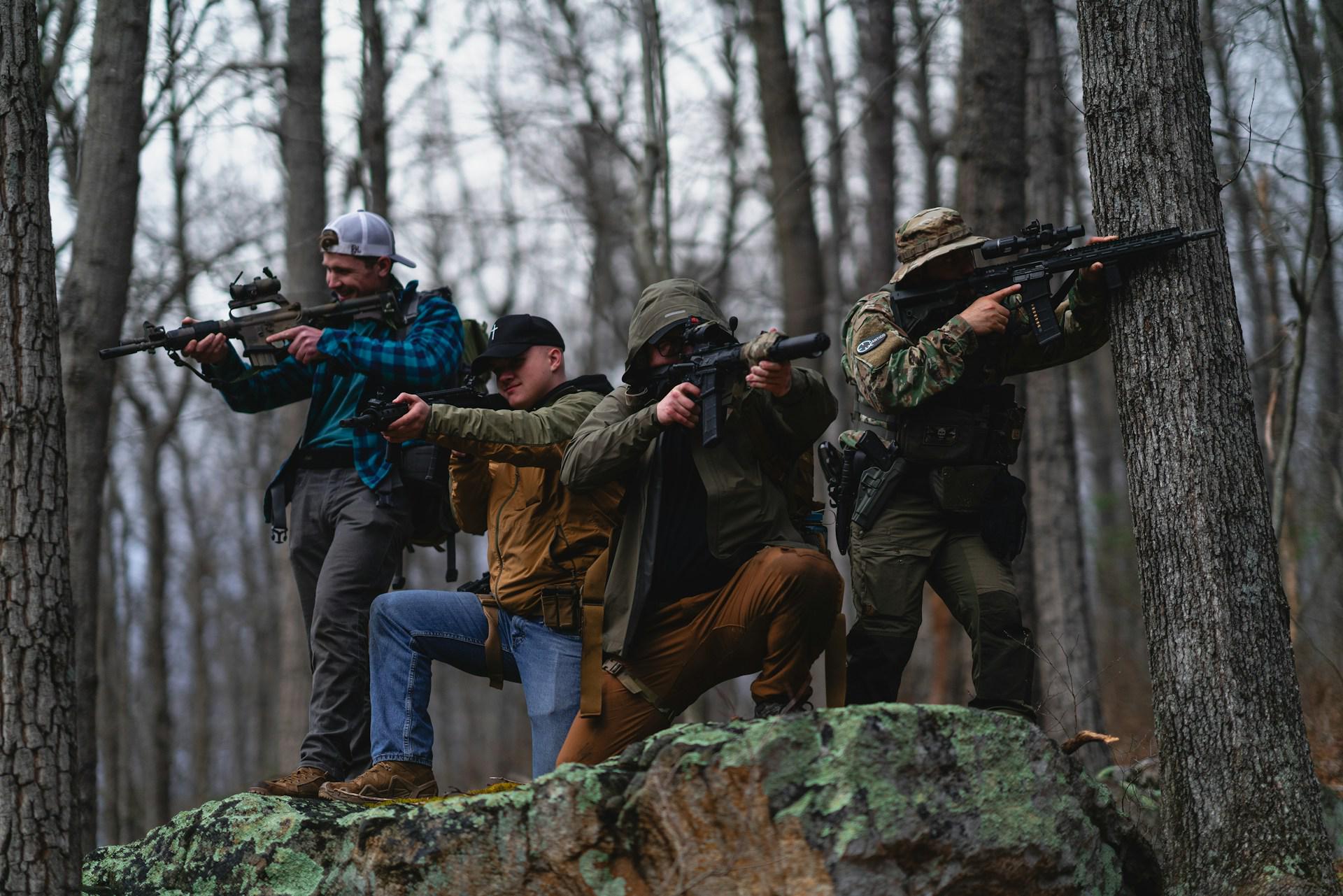
The AR-15 applies these ideas with modern touches. Adjustable stocks, ergonomic grips, and lighter materials make the rifle easy for almost anyone to handle. You can aim, carry, and fire with less strain, showing how comfort and practicality from WWII rifles influence your modern shooting experience.
Caliber Decisions: Balancing Power and Control
During World War II, designers questioned whether larger rounds were always better. Traditional rifles fired full-power cartridges that produced strong recoil. That recoil made fast, accurate follow-up shots harder for many soldiers. Engineers began testing smaller rounds that still worked well in combat.
The StG 44 used an intermediate cartridge, meaning it sat between pistol and rifle power. This choice reduced recoil and improved control during rapid fire. Soldiers could stay on target longer and carry more ammunition. These results showed that balance mattered more than raw power.

AR-15 designers applied this lesson directly. The rifle uses a lighter, high-velocity round that is easier to control. You experience less recoil and better accuracy during repeated shots. This caliber choice reflects WWII research into what soldiers could handle effectively.
Modular Thinking: From WWII Kits to AR-15 Customization
During World War II, armies explored ways to adapt rifles for different roles. Soldiers used tool kits, replacement parts, and attachments to keep rifles working in the field. This approach reduced downtime and improved flexibility during combat. Designers learned that adaptability saved time and resources.
The German StG 44 showed early signs of modular thinking. Its design allowed easier part replacement and simplified repairs. Engineers saw value in rifles that could change with mission needs. These ideas proved that one rifle could serve many purposes with minor adjustments.
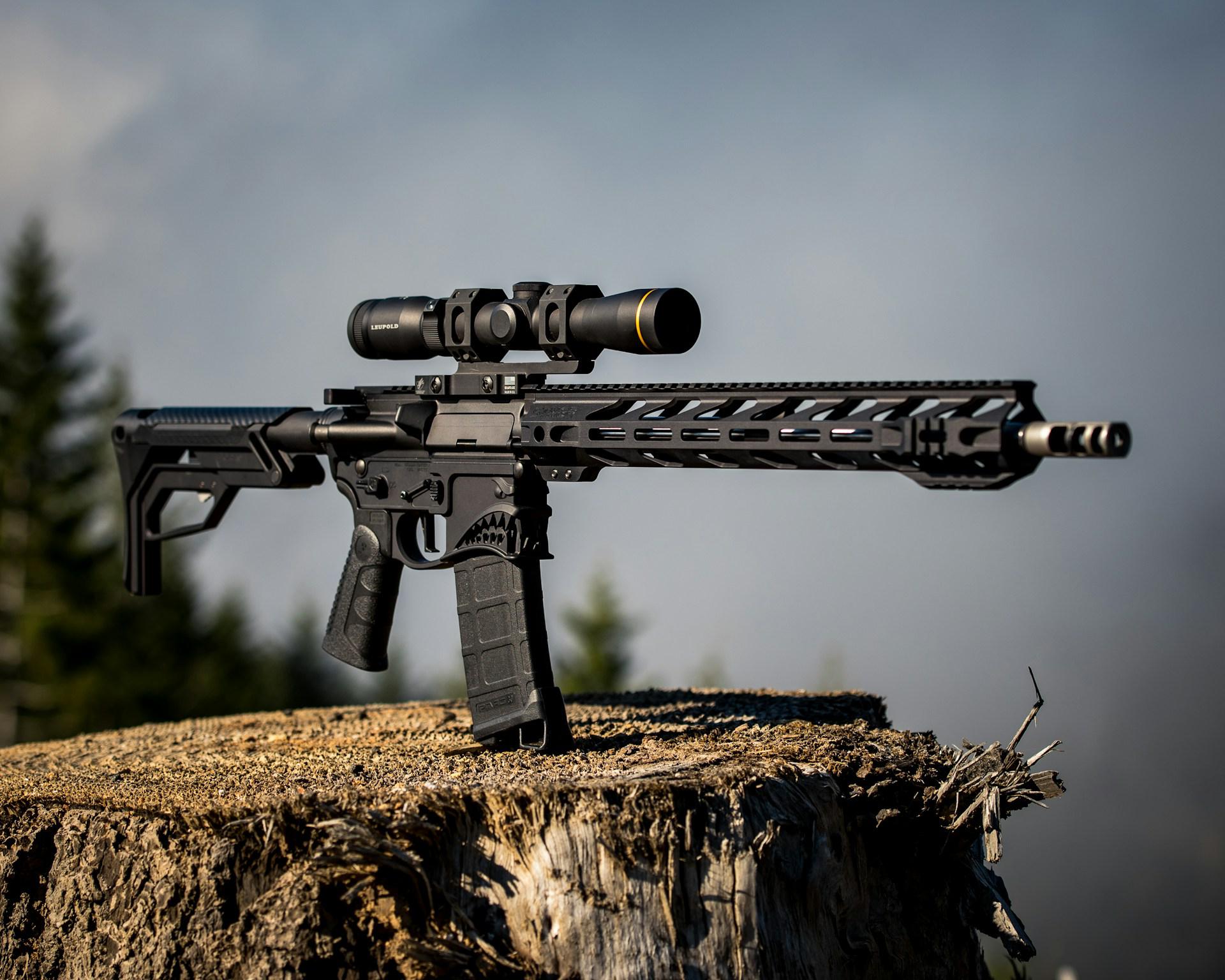
The AR-15 takes this concept much further today. You can change stocks, grips, sights, and handguards with ease. This freedom exists because WWII rifle design influenced modern AR-15 development at a foundational level. Your rifle becomes a system that adapts to your needs, not a fixed tool.
Why WWII Rifle Design Still Matters in Your AR-15
Even decades later, the lessons from WWII rifles shape how your AR-15 performs. Weight, balance, recoil control, and reliability all trace back to what engineers learned on those battlefields. Every feature you notice—smooth cycling, easy handling, or fast reloading—has roots in history.
From ergonomics to modular upgrades, WWII rifle design influenced modern AR-15 development in ways you might never see. Knowing this gives you a deeper understanding of your rifle and why it feels natural in your hands. It’s a direct link between past innovation and today’s shooting experience.