

Preparations for the operations in Norway 1940.
The preparation of a new Wehrmacht division for combat deployment following the 1939 mobilisation was a complex process that depended heavily on which mobilisation wave the division belonged to. As the 1st wave already existed as an active peacetime army, the “reorganisation” primarily concerned waves 2 to 4, which were activated immediately before or at the outbreak of war.
Here, the process of preparing for combat deployment is divided into phases:
1. Personnel replenishment and structure (The “waves”)
Following the call-up for mobilisation (26 August 1939), the divisions were assembled according to fixed plans (mobilisation plan):
* Core personnel: A small core of active officers and non-commissioned officers from the peacetime army formed the backbone.
* Reservists: The divisions were supplemented with reservists.
* 2nd wave: Older reservists (Res. I), often with experience of the Great War, well-trained.
* 3rd wave (Landwehr): Older age groups (35–45 years), often poorly trained.
* 4th wave (Reinforcement Divisions): Younger recruits and replacement personnel.
* Mobilisation: The soldiers reported to their respective military recruitment offices and moved into the barracks.
2. Equipment and ‘horse conscription’
A critical aspect of the preparations was equipment. In 1939, the Wehrmacht was far less motorised than propaganda suggested.
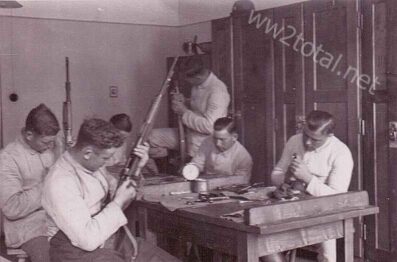
* Armament: Whilst the 1st wave had state-of-the-art equipment, later waves often had to make do with older models (e.g. Gewehr 98 instead of Karabiner 98k) or captured Czech equipment.
* Transport: As lorries were in short supply, logistics relied on horses. As part of the mobilisation, thousands of civilian horses and carts were ‘requisitioned’ from the agricultural sector. The divisions first had to learn how to handle these motley teams.
* Uniforms: Older items of uniform were often issued initially.
3. The training phase (military training areas)
Once the division had been roughly organised in terms of personnel and equipment, the cohesion phase followed. A division was only ready for action once the various branches of the armed forces (infantry, artillery, engineers, signals) were able to work together.
* Individual training: Refresher courses in marksmanship and formal discipline.
* Combat training: Practising ‘combined arms combat’. The coordination between the infantry and artillery support was particularly important.
* Marching exercises: As the divisions marched on foot, the men had to be accustomed to daily marches of 30 to 50 km, including the logistical support for the horses.
* Duration: For the waves formed after September 1939 (e.g. for the Western Campaign), this phase usually lasted several months at military training areas (e.g. Sennelager, Grafenwöhr or in occupied Poland).
4. Attaining ‘combat readiness’ (kv)
The divisional commander had to report operational readiness to the relevant military district or Army High Command.
* War organisation (KStN): The division had to meet the required strength.
* Acclimatisation: Many of the older reservists had to be brought back up to the physical standard of front-line soldiers.
* Ideological training: National Socialist leadership officers (NSFO) did not yet exist in this form in 1939, but political indoctrination by the commanders was an integral part of the preparation.
5. The deployment (transport to the front)
The transition to combat operations took place through strategic deployment.
* Rail transport: A Wehrmacht infantry division required around 60 to 80 railway trains to be deployed. This necessitated precise planning by the transport command posts.
* Assembly area: The division was usually unloaded in an area behind the front line and marched to its starting positions at night to maintain secrecy.
* Final preparations: Issue of live ammunition, iron rations (emergency rations) and the distribution of maps.
Summary of the problems in 1939/40:
For new divisions in the later waves, preparations were often characterised by shortages. There was a shortage of radio equipment, anti-tank guns (Pak) and motorised tractors. Many divisions being prepared for the Western Campaign in the winter of 1939/40 spent their time undergoing intensive training in ‘static warfare’, which ultimately boosted their combat effectiveness massively before they were actually thrown into battle in May 1940.
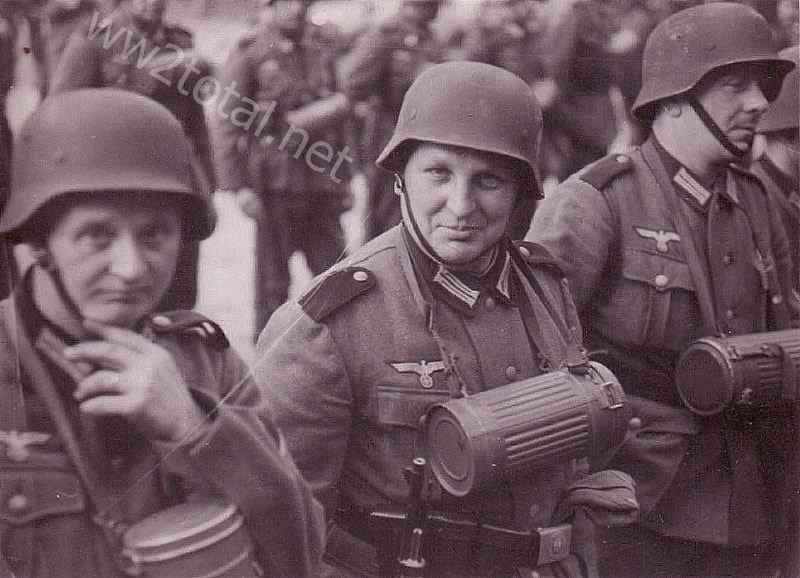
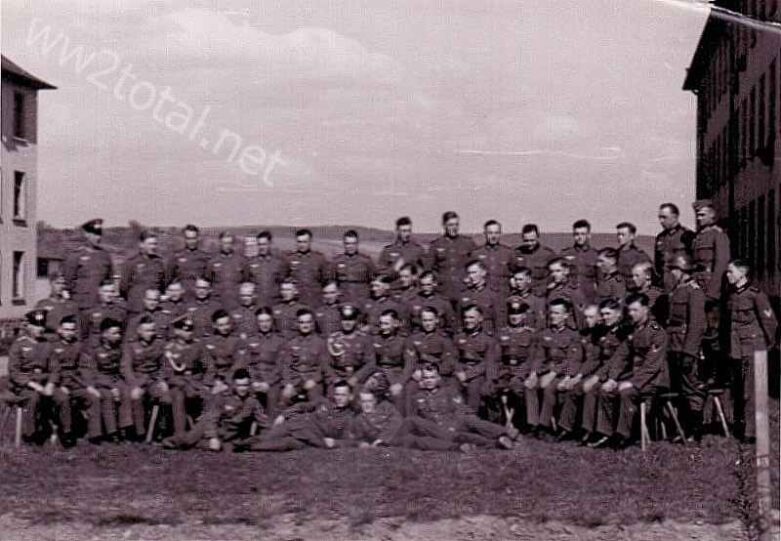
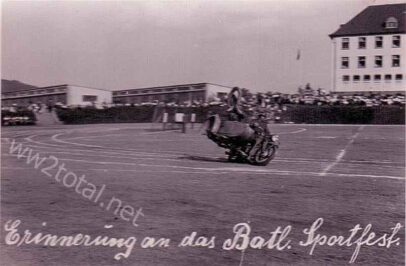
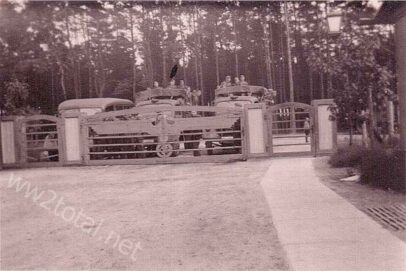
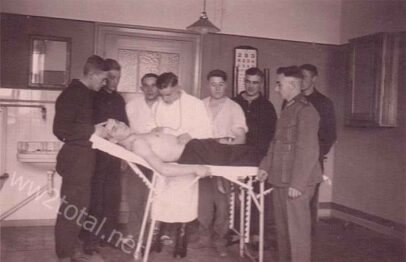
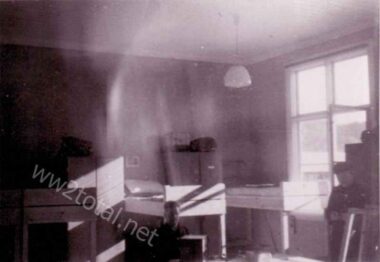
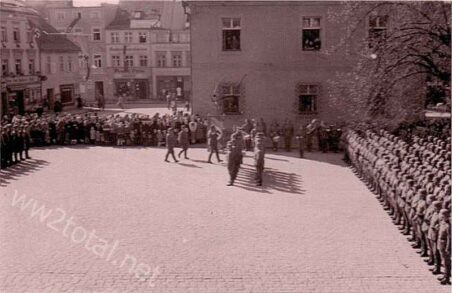
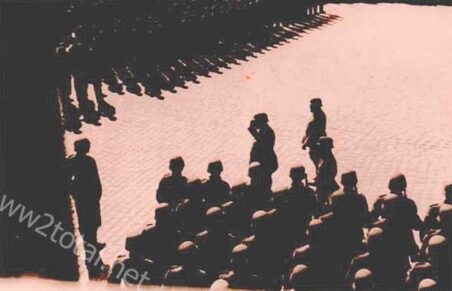
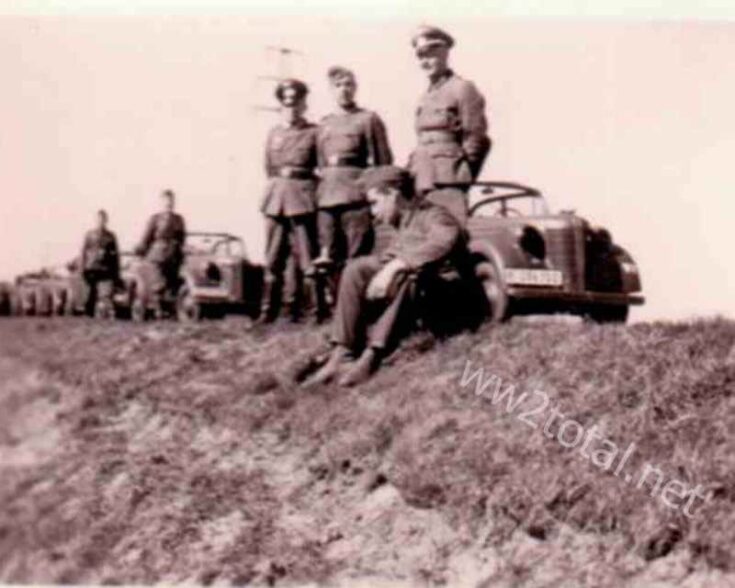
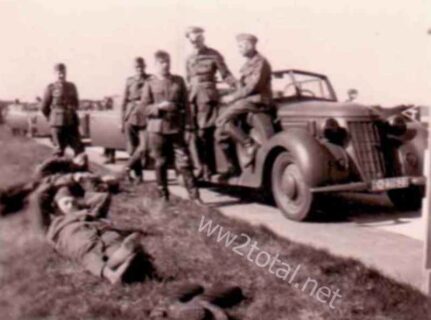
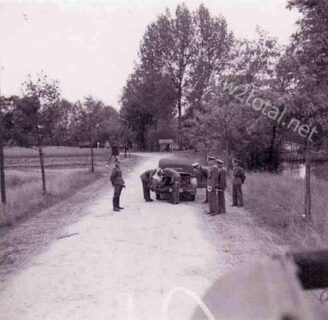
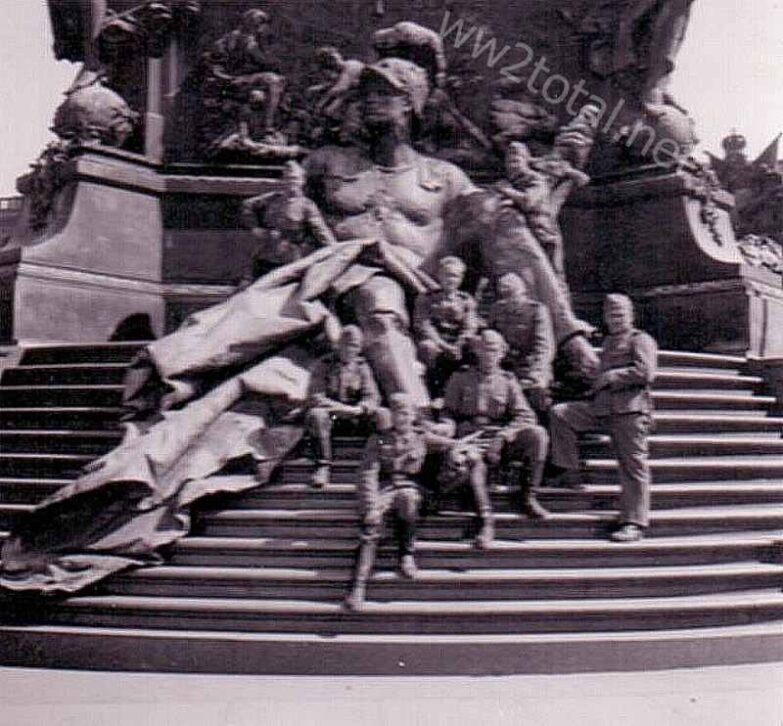
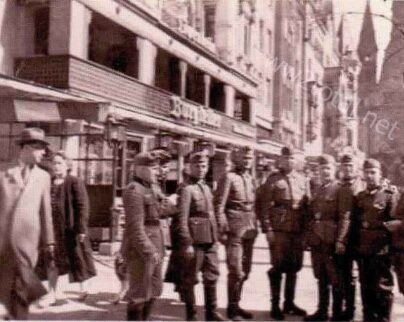
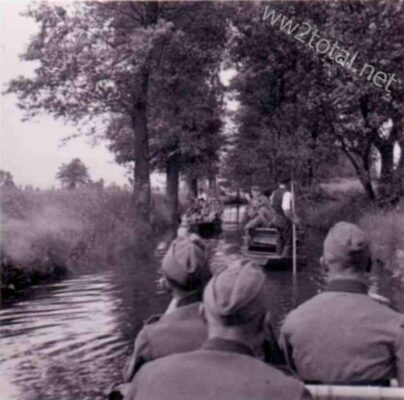
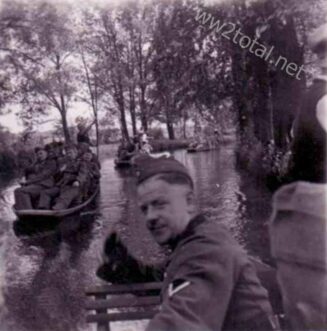
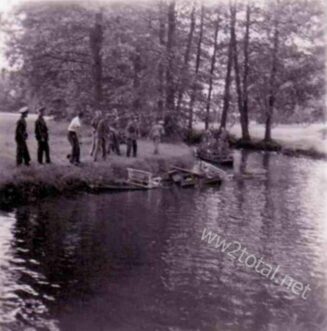
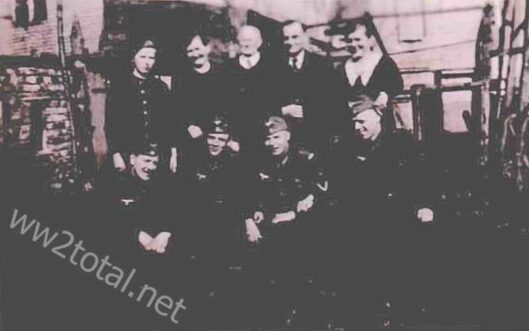
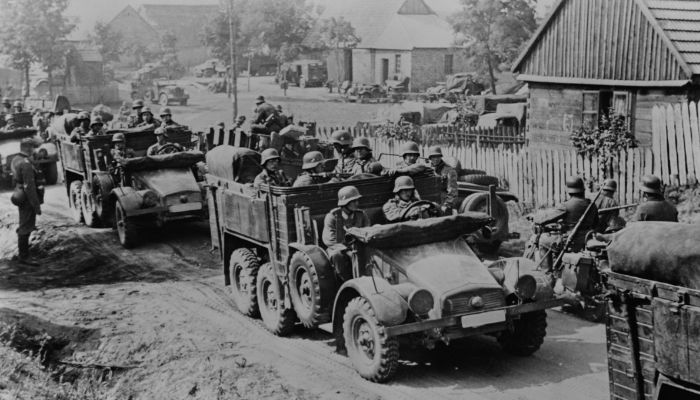
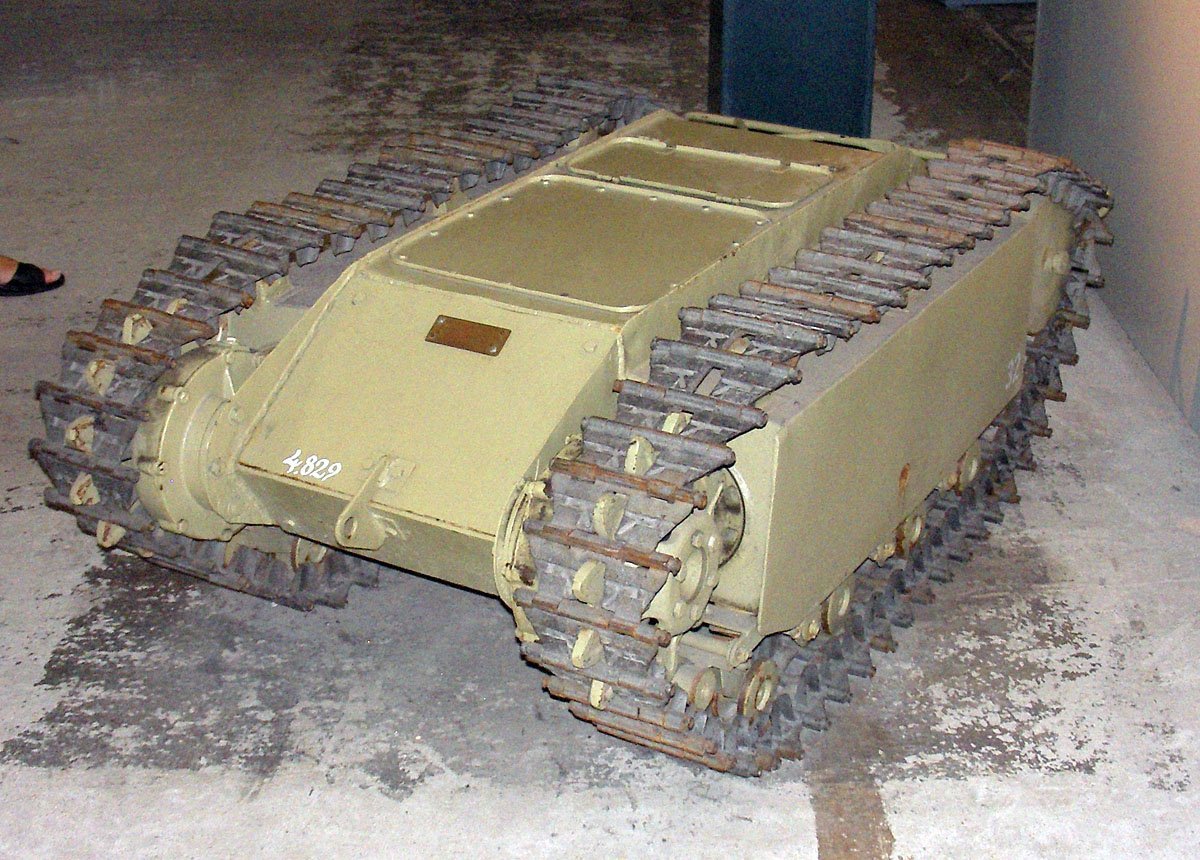
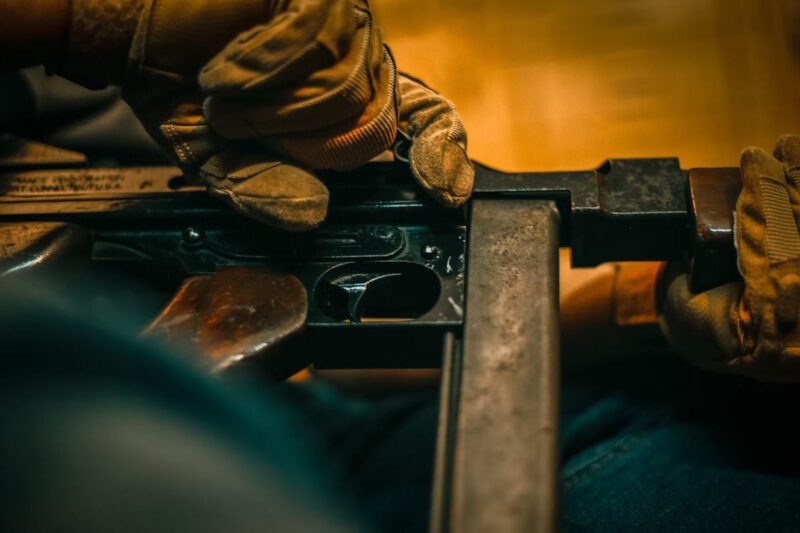
Here are some photographs which were pictured in Germany in 1940 and are showing the preparations for the operation in Norway.
Please click to enlarge or to watch a slideshow on one of the pictures.
 Previous page: Siegfried Line
 Next page: Operation Weser Crossing

I would like to contact the author of this website. Like you my grandfather also served in the German 214th Infantry Division. His name was Karl-Ernst Proscher. He was originally from Gelnhausen. I am posting my contact information below, again I hope to speak with you soon. Thanks.
Eric Proscher
The German version of my grandfather in the 214th Inf Div is here:
https://www.weltkrieg2.de/geschichte/bilder/
And the contact information for German
https://www.weltkrieg2.de/ueber-mich/impressum/