
Are you fascinated by aviation history? Then take a look at the aircraft used by the Austro-Hungarian armed forces in World War I, which provide fascinating insights into the early days of military aviation.
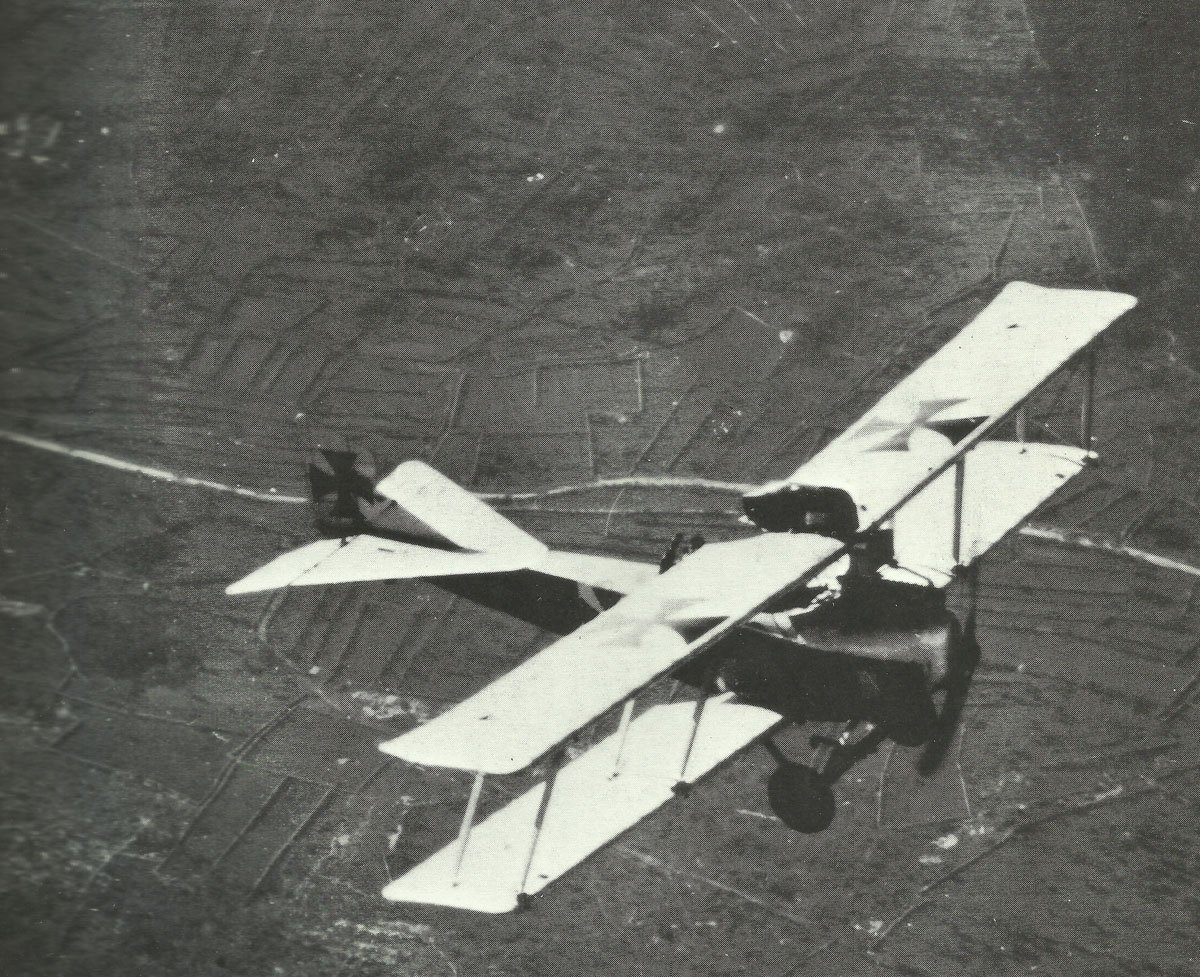
The Austro-Hungarian Air Force deployed around 5,200 aircraft during the war. These included specialized reconnaissance and fighter aircraft such as the Aviatik B.I, Berg D.I, Brandenburg D.I, Lohner B.I, Phoenix C.1, and Phoenix D.III.

These aircraft fought against Russian troops on the Eastern Front and against Italian and British air units on the Southern Front.
Aviation technology made enormous strides during the war. Austria-Hungary quickly switched from simple reconnaissance aircraft to armed fighter planes.

Companies such as Aviatik, Lohner, and Phoenix-Werke developed various types for special tasks.
This section focuses on the technical details of these aircraft and their use in combat. The focus is on the development of the Austro-Hungarian Air Force, the most important types of aircraft, and their role between 1914 and 1918.
Overview: The Austro-Hungarian Air Force in World War One
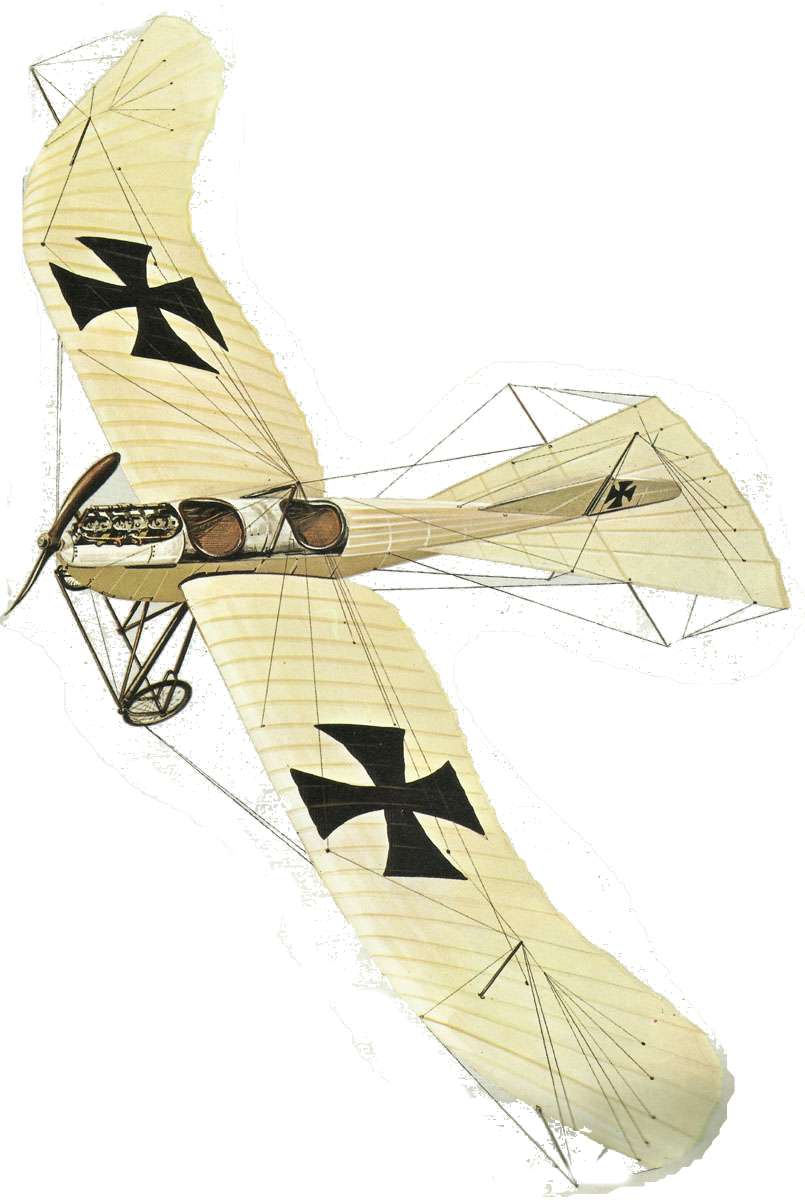
The k.u.k. Luftfahrtruppen formed the air force of the Austro-Hungarian Army. They fought on several fronts against Russian, Italian, and British opponents.
By the time the Danube Monarchy collapsed in 1918, military aviation had grown from a small unit to an armed force with around 5,000 aircraft.
Origins and development of the Imperial and Royal Air Force
Military aviation in Austria-Hungary began just a few years before the First World War. When the war broke out in 1914, the Imperial and Royal Air Force was, to be honest, still rather unprepared. Austro-Hungarian air force was still quite unprepared.
The Lohner Pfeilflieger was the most important aircraft at the time. In the spring of 1914, however, the wings broke and the aircraft was grounded.
These technical difficulties highlighted the weaknesses of the early air force.
During the war, the fleet grew to a total of 5,000 aircraft in service. About 38% of these aircraft were lost during the fighting.
Technological development was rapid, but Austria-Hungary had constant problems with procurement and often lagged behind technically.
Organization and structure of the air force
Until 1917, the flying companies of the Austro-Hungarian air force operated in uniformly organized units. Their main tasks were:
- Observation of enemy troop movements
- Reconnaissance of artillery positions
- Monitoring supply facilities
- Controlling the front line
- Defending against enemy air attacks
The structure was divided into different types of units. Two-seater Type C aircraft were used for reconnaissance, artillery fire control, and support for ground troops.
From 1915 onwards, single-seat fighter planes also came into play.

Around 50 pilots and observers achieved five or more aerial victories and thus became flying aces. These men were considered the elite of the Austro-Hungarian Air Force.
Significant areas of operation: Eastern Front,
Southern Front, and Balkans
On the Eastern Front, the Austro-Hungarian Air Force fought against Russian air forces. There, the focus was on reconnaissance and air support for ground troops.
The Southern Front against Italy was one of the most important battlefields. Here, Austro-Hungarian pilots encountered Italian and British air forces.
The air war in this region was fierce and resulted in heavy losses.
In the Balkans, the air force supplemented the operations of the Austro-Hungarian army. Each front placed different demands on pilots and equipment.
Each area of operation required its own tactics and special types of aircraft.
Role of the Austro-Hungarian Navy and Naval Aviation
The Imperial and Royal Navy had its own naval aviation, which operated independently of the ground forces.
The tasks of the naval aviators differed from those of the army aviators. They carried out reconnaissance missions over the Adriatic Sea and protected the fleet from attacks.
Cooperation between the navy and the army did not always run smoothly.
The naval aviators had fewer aircraft than the army aviators, but they played an important role in protecting the Austro-Hungarian coasts and ports.
Important aircraft types of the Austro-Hungarian armed forces
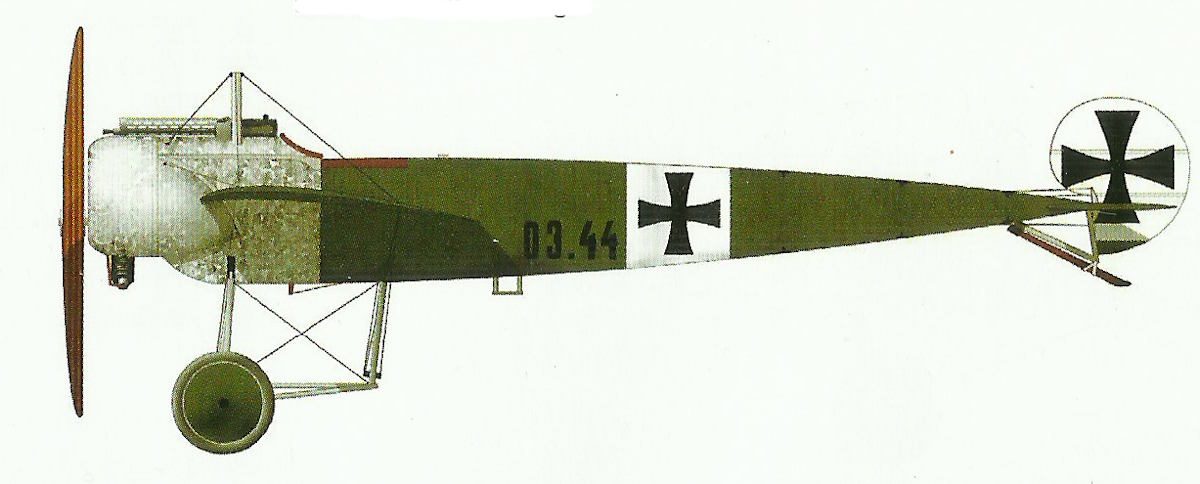
These aircraft were deployed on the eastern or southern front, depending on the task at hand.
Overview and categorization of the aircraft used
The Austro-Hungarian Air Force used three main categories of aircraft. Two-seater reconnaissance aircraft such as the Aviatik B.I and Lohner B.I made up the largest group.
These aircraft gathered information about enemy positions and troop movements.
Single-seat fighter aircraft such as the Brandenburg D.I and Phoenix D.III fought enemy reconnaissance aircraft and bombers. The Berg D.I reached an altitude of 5,800 meters and flew at speeds of up to 194 km/h.
Multi-purpose aircraft such as the Phoenix C.1 combined reconnaissance with light bombing. They could carry up to 50 kg of bombs and had two machine guns for defense.
Aircraft manufacturers and licensed production
The most important manufacturers in Austria-Hungary were Lohner, Phoenix, and the Phönix-Werke in Vienna. Before the war began, Lohner was already supplying 100 to 150 aircraft per year to the army.
The Austrian subsidiary of the German company Aviatik built large numbers of the Aviatik B.I. Licensed production was central, as many German designs came from Austrian factories.
The Phönix-Werke manufactured the Brandenburg D.I from 1916 to 1917. OEFFAG (Österreichische Flugzeugfabrik AG) also produced various models for military aviation.
The Phoenix aircraft factory was established during the war under the direction of engineer Gabriel, who had previously worked at the Albatros factory in Berlin. From 1917 to 1918, they built the Phoenix C.1.
Typical tasks and technical features
Reconnaissance aircraft had a range of 320 to 480 kilometers. The Aviatik B.I used a water-cooled 100 hp Mercedes D.I 6-cylinder engine and could stay in the air for up to four hours.
Its wingspan was 14 meters and its takeoff weight was 860 kg.
Fighter planes were faster and more maneuverable. The Brandenburg D.I reached speeds of 186 km/h, and the Berg D.I even reached 194 km/h.
Most had one or two 7.92 mm machine guns in the nose.
The Lohner B.I flew with a 120 hp Austro-Daimler engine and reached an altitude of up to 2800 meters. Initially, it had no armament, which was typical for early reconnaissance aircraft.
The Phoenix C.1 used a more powerful 230 hp Hiero engine and reached an altitude of up to 6000 meters.
Technical and tactical analysis: Aviatik B.I, Berg D.I, Brandenburg D.I (Phoenix factory), Lohner B.I, Phoenix C.1, Phoenix D.III
Austro-Hungarian aircraft evolved from simple reconnaissance planes to specialized fighter planes with increasingly better technical characteristics.
Here are the most important features of these biplanes and how they were used at the front.
Aviatik B: Features, use, and influence
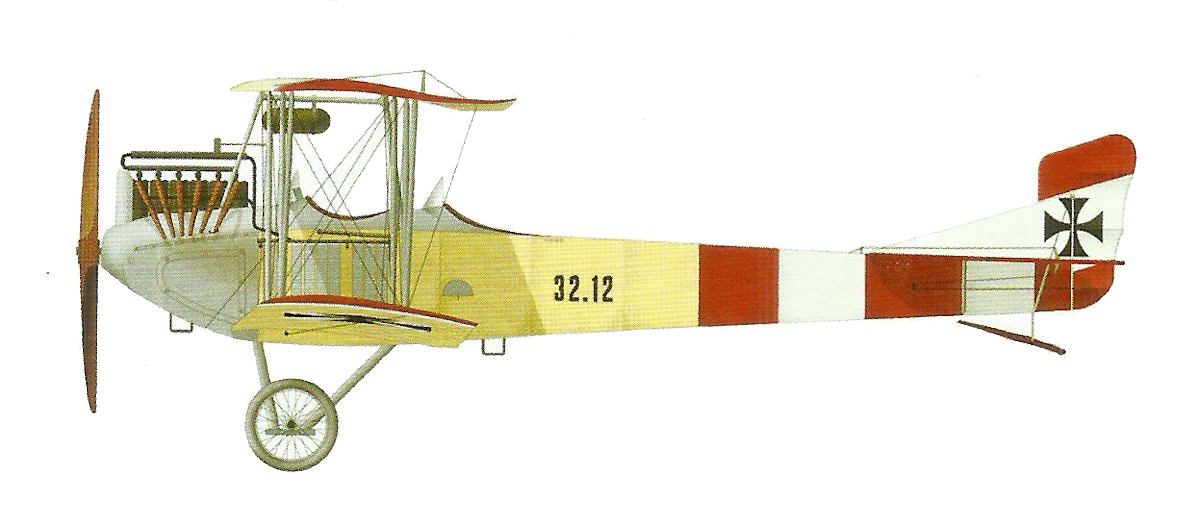
The Aviatik B.I was one of the first reconnaissance aircraft used by the Austro-Hungarian Air Force. It is recognizable by its conventional design with two-stage wings.
The aircraft was mainly used for reconnaissance missions. The crew consisted of a pilot and an observer.
Early models had no fixed armament. The Austrian Aviatik company later developed the B.I independently into the B.II.
This improved version went into production in small series. The Aviatik B.I was frequently used, especially in the early years of the war.
Its reliability made it an important tool for military operations.
- History: The Austrian subsidiary of the Leipzig-based company Aviatik launched the model at the end of 1914, and it was built in large numbers for the Austro-Hungarian Army. Due to its long range, the model was used as a strategic reconnaissance aircraft over large parts of the Eastern Front.
- TWO-SEATER RECONNAISSANCE AIRCRAFT
- Water-cooled 100 hp Mercedes D.I 6-cylinder engine
- Wingspan 14 m
- Length 8 m
- Takeoff weight 860 kg
- Speed: 105 km/h
- Flying altitude: 2500 m
- Flight duration: 4 hours
- Armament: built-in heavy 7.92 mm Schwarzlose machine gun
Berg D.I: Development and technical innovations
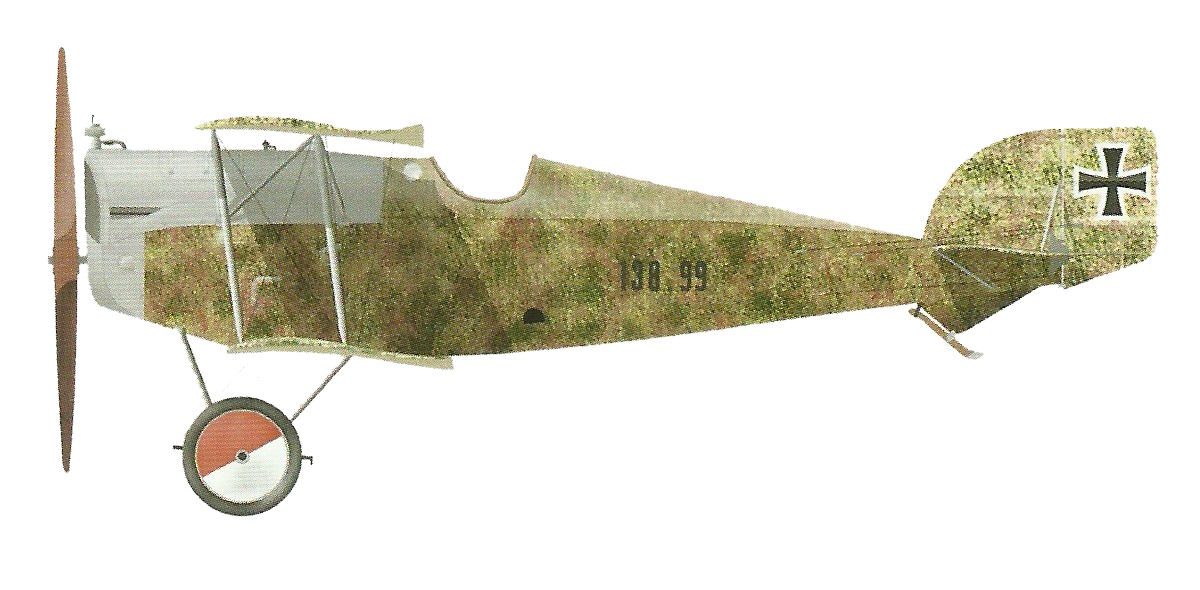
The Berg D.I was the first fighter aircraft to be developed entirely in Austria. Julius von Berg designed this biplane as a replacement for the Hansa-Brandenburg D.I.
Technical specifications:
- Aircraft engine: Austro-Daimler water-cooled 6-cylinder inline engine with 200 hp
- Maximum speed: 185 km/h
- Armament: 2 × 7.92 mm Schwarzlose machine guns
- Service ceiling: 6,150 meters
Early versions of the Berg D.I had massive design problems. In January 1917, the first prototype crashed, killing the test pilot.
Later, the structure was reinforced and the cooling system improved. Initially, the designers mounted the machine guns out of the pilot’s reach.
In later series, the weapons were moved closer to the pilot. The Berg D.I reached an altitude of 3,000 meters in about ten minutes.
Between 1917 and 1918, various manufacturers built around 700 units. Lohner, Lloyd, and MAG produced the model under license.
Brandenburg D.I (Phoenix Works): Fighter planes at the front
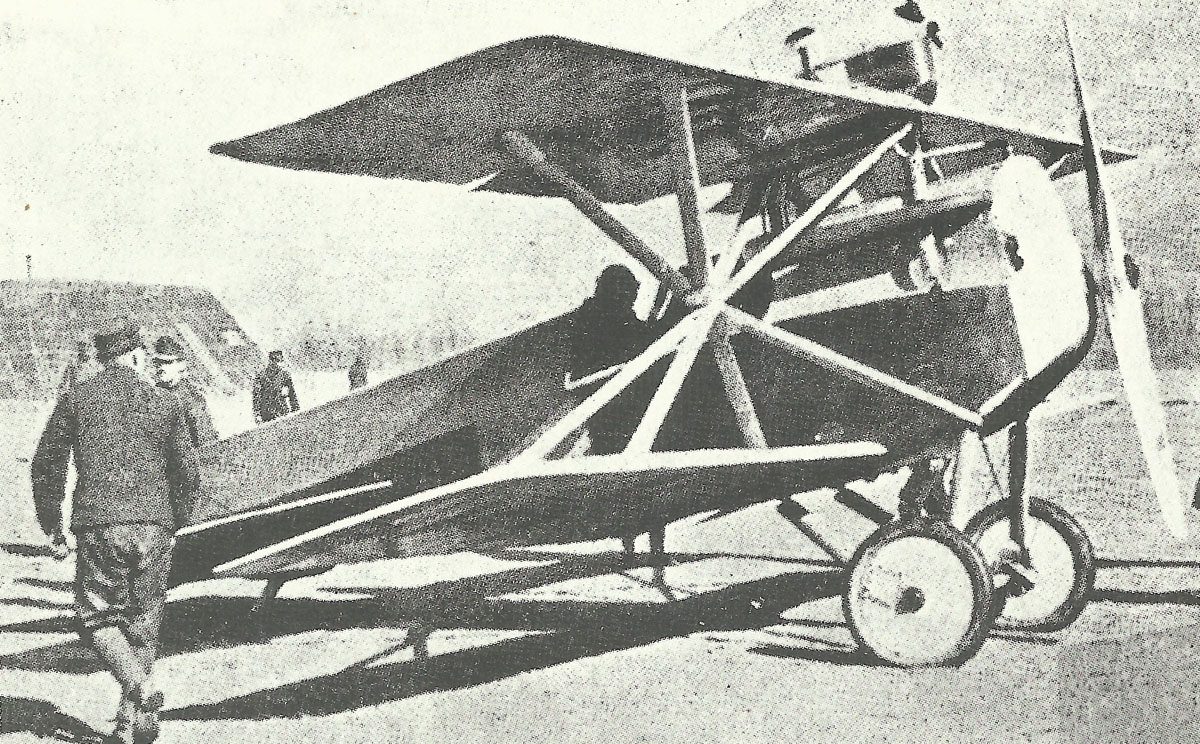
The Phönix-Werke in Vienna produced the Hansa-Brandenburg D.I in large numbers. Ernst Heinkel designed this biplane, which flew for the first time in 1916.
The aircraft stood out due to its unusual design. It was quite maneuverable in aerial combat, which many Austro-Hungarian pilots appreciated.
However, the Brandenburg D.I also had a dangerous side. It was responsible for numerous fatal accidents.
The Phönix-Werke factory produced several hundred aircraft. The D.I was mainly used on the Italian front.
Production continued until 1917, after which more modern aircraft replaced the Brandenburg D.I.
History: The Austrian subsidiary of the German Aviatik Werke built the outstanding mountain fighter in Wiener-Neustadt, which was developed by the Skoda Works.
- Speed: 194 km/h (121 mph)
- Flying altitude: 5800 m (19,028 ft)
- Range: 400 km (249 miles)
- Armament: two fixed 7.92 mm machine guns on the nose
Lohner B.I: Early reconnaissance aircraft in action
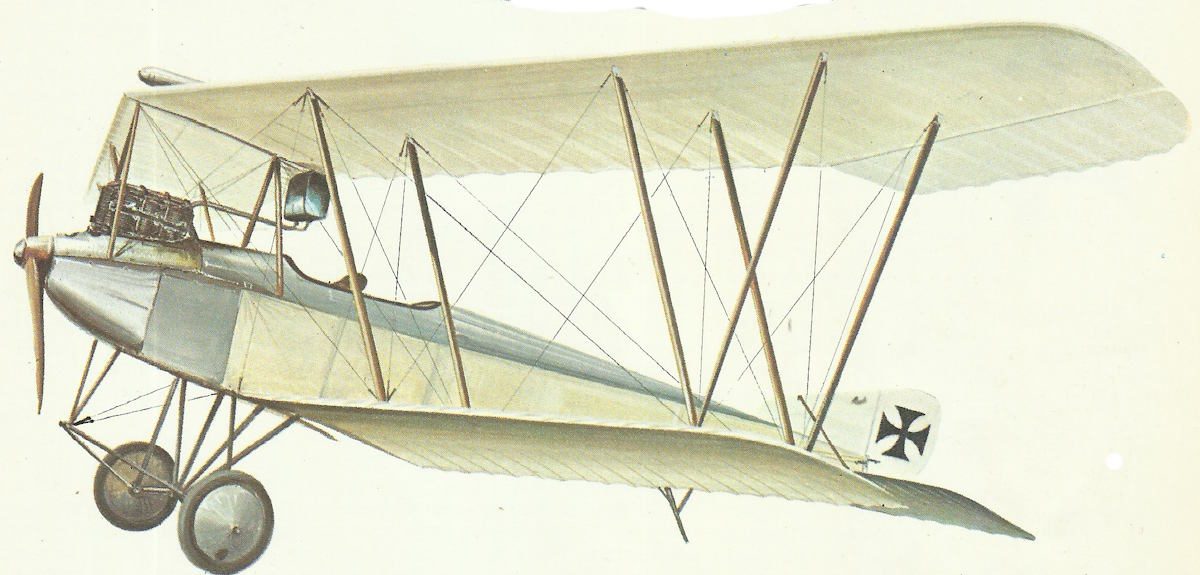
The Lohner B.I was one of the first reconnaissance aircraft used by the Austro-Hungarian Air Force. Lohner developed this biplane specifically for observation and reconnaissance missions.
The design was robust and tailored to military requirements. Two crew members—a pilot and an observer—flew missions together.
The Lohner B.I was stable enough for flights over enemy territory. Its performance met the requirements of the early war years.
Production took place in Wiener Neustadt and other locations. The Lohner B.I served as the basis for later developments in Lohner aircraft.
Experience with this type influenced the design of later reconnaissance aircraft for the Austro-Hungarian Air Force.
History: Before the war, Lohner was the main supplier to the Austro-Hungarian Army, providing around 100-150 aircraft per year.
- TWO-SEATER RECONNAISSANCE AIRCRAFT
- 120 hp Austro-Daimler engine
- Wingspan 13.43 m (42.65 ft)
- Length: 7.63 m (22.97 ft)
- Takeoff weight: 882 kg (1944.48)
- Speed: 130 km/h (81 mph)
- Flying altitude: 2800 m (9186 ft)
- Range: approx. 320 km (199 mph)
- Armament: none
Phoenix C.1 and D.III in detail
Phoenix Flugzeugwerke in Vienna produced two important models, the C.1 and D.III. The C.1 was mainly used for reconnaissance and bombing, while the D.III was designed as a maneuverable fighter.
Phoenix C.1: Reconnaissance flights and bombing missions
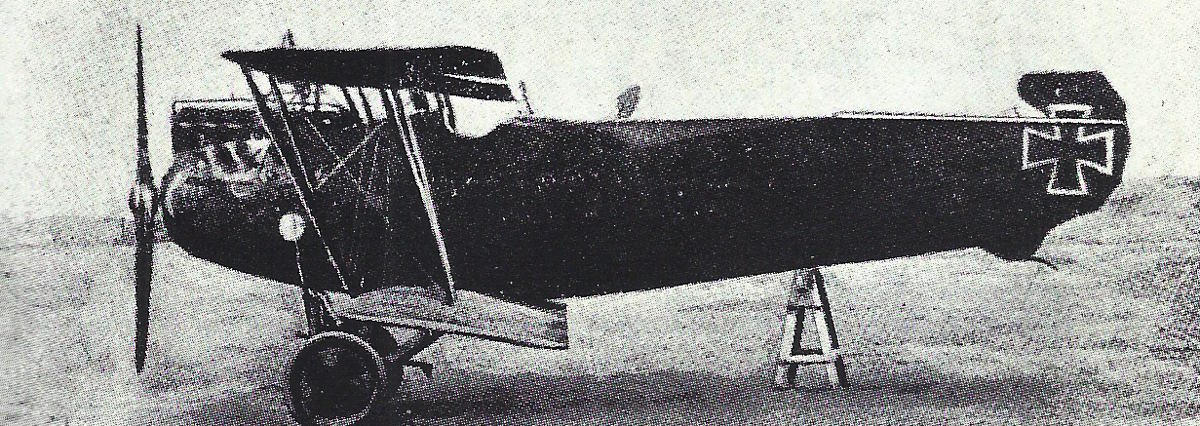
The Phoenix C.1 was the first design by the Vienna-based Phoenix Aircraft Works. It was based on the licensed Hansa Brandenburg C.II.
From 1918, the C.1 was deployed on the Italian front. The aircraft had room for two: a pilot and an observer.
The observer operated a machine gun for defense. The crew photographed enemy positions and created maps.
The aircraft could also carry light bombs.
Key features:
- Two-seater configuration
- Armed with machine guns
- Used for reconnaissance and bombing
- Produced in Vienna-Stadlau
After the war, a C.1 flew to Stockholm in 1919 for demonstrations. The Swedish army subsequently purchased the aircraft.
History: The Austrian aircraft company Phoenix, founded during the war by engineer Gabriel, formerly of Albatros Werke Berlin, built this reconnaissance aircraft from 1917 to 1918.
- TWO-SEATER RECONNAISSANCE AIRCRAFT
- 230 hp Hiero engine
- Speed: 165 km/h (103 mph)
- Flying altitude: 6000 m (19685 ft)
- Range: 480 km (299 mph)
- Armament: one fixed 7.92 mm machine gun in the nose, one manual 7.92 mm machine gun in the rear cockpit, up to 50 kg of bombs.
Phoenix D.III: Combat successes and technical developments
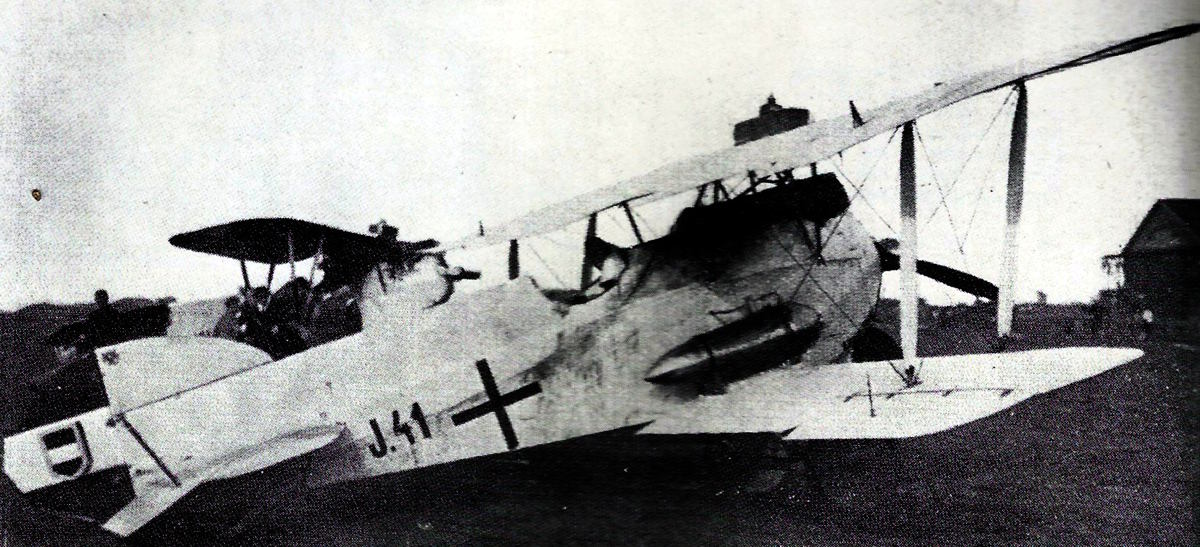
The Phoenix D.III appeared in mid-1918 and was an improvement on the D.I and D.II. Ailerons on all four wings made it significantly more maneuverable.
A 171 kW Hiero engine provided the necessary thrust. The D.III was mainly used against Italian aircraft.
Austro-Hungarian fighter pilots achieved several aerial victories with it. Its increased maneuverability made it a formidable opponent.
Over 200 aircraft of all D variants (D.I, D.II, D.III) left the factory halls. However, only a few D.IIIs were produced before the end of the war.
After 1918, Phönix also supplied aircraft to Sweden. A D.III was demonstrated and sold in Stockholm in 1919 together with a C.1.
History: This excellent single-seat fighter was built in 1918 by the Austrian Phoenix Works together with the German subsidiary of Albatros Works for the Austro-Hungarian Army.
- Speed: 180 km/h (112 mph)
- Flying altitude: 5800 m (19028 ft)
- Range: 400 km (249 miles)
- Armament: two fixed 7.92 mm machine guns in the nose
Deployment, pilots, and tactics of the Austro-Hungarian Air Force
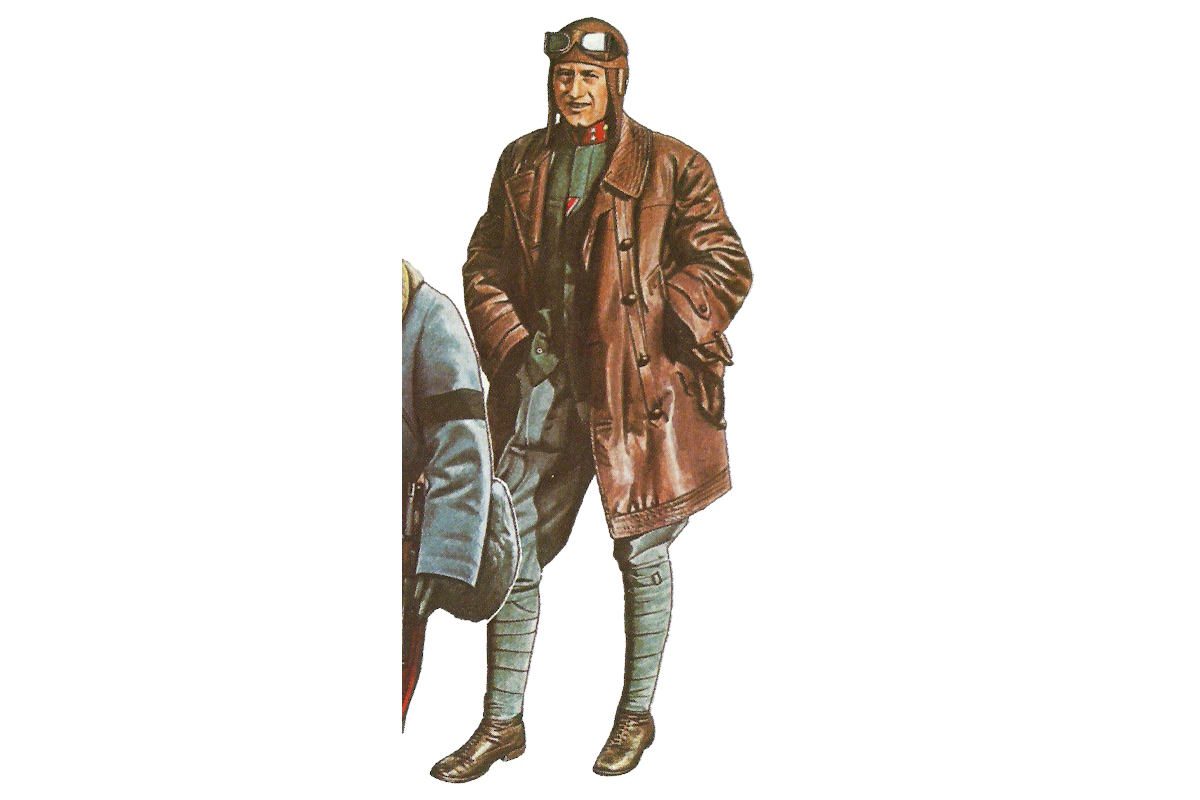
The Austro-Hungarian Air Force fought against Russian opponents on the Eastern Front and Italian and British opponents on the Southern Front. Their organization into flying companies allowed for flexible missions ranging from reconnaissance to combat support.
Pilots, observers, and training requirements
The air force mostly recruited pilots from officers of various branches of the military. They had to complete rigorous flight training before they were allowed to fly as field pilots.
The training consisted of theory and many hours of flight training in training aircraft. Observers formed the second crew in most reconnaissance aircraft.
They were responsible for navigation, enemy observation, and sketching. Many observers came from the artillery and were familiar with the requirements of artillery reconnaissance.
Non-commissioned officers could also become pilots. They usually flew the same aircraft as officers.
The training lasted several months and ended with an exam.
Flying companies, Flik, and distribution of tasks
Flying companies formed the basis of the air force until 1917. They were called Flik – short for Fliegerkompanie (aviation company) – and were numbered.
Each Flik consisted of several aircraft and associated personnel.
The tasks were divided into different areas:
- Frontline reconnaissance: Observation of enemy troop movements and positions
- Artillery reconnaissance: Support for friendly artillery through target acquisition
- Infantry support: Direct support for ground troops in combat
- Air defense: Defense against enemy aircraft
Each Flik was assigned to an army corps or an army. The number of air forces grew steadily during the course of the war.
Typical tactics: Reconnaissance, air combat, infantry support
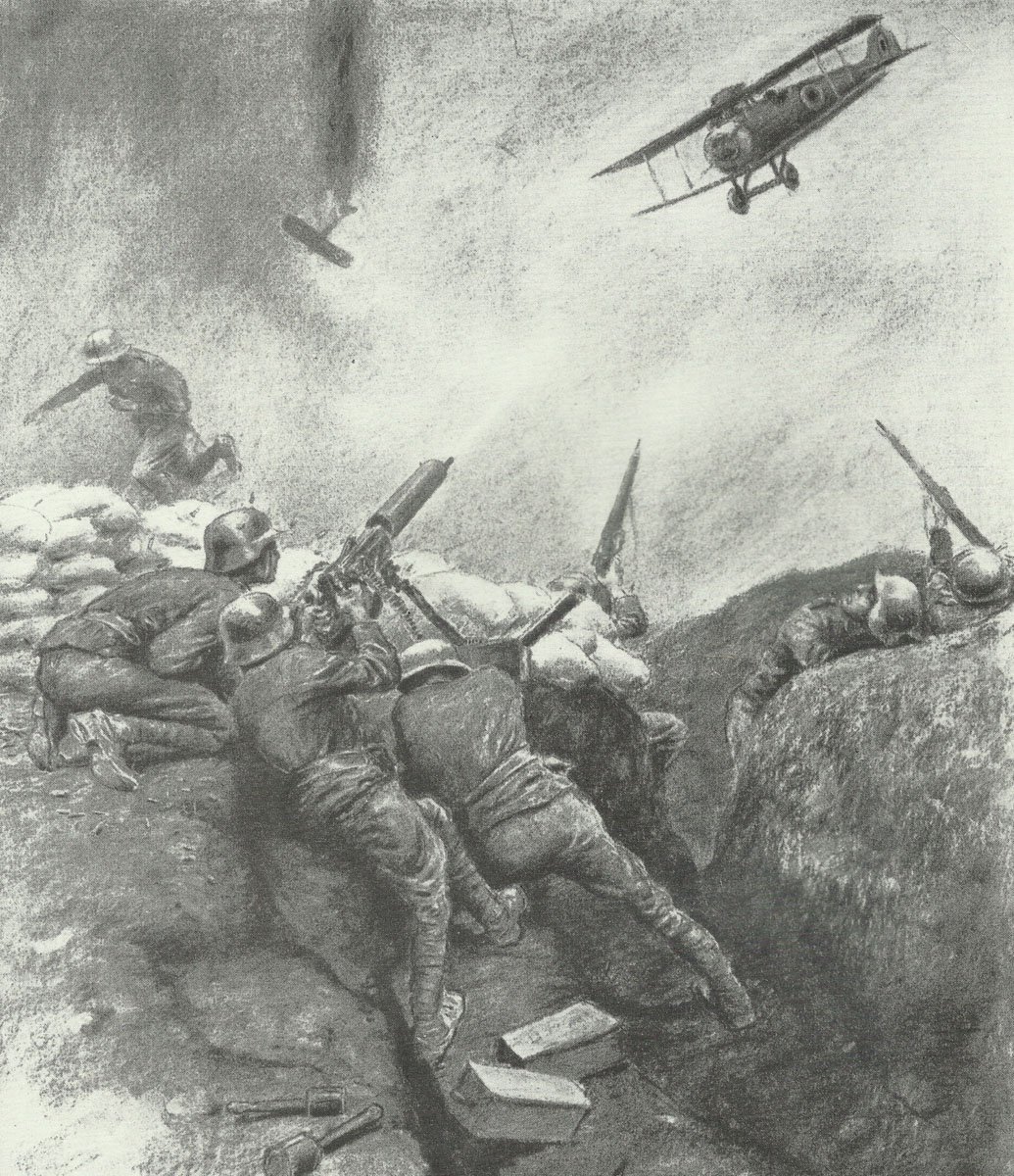
Reconnaissance was the main task of the Austro-Hungarian Air Force. Pilots and observers flew over enemy lines every day to gather important information.
They photographed positions and drew up sketches of the situation for the command posts. During artillery reconnaissance, observers directed fire by radio.
They observed impacts and corrected the fire until the target was hit. This cooperation made the artillery more effective.
In air combat, the pilots developed their own tactics. Fighter planes attacked in groups of two to three and used the sun as cover.
They often attacked from higher altitudes. Infantry support took the form of low-level attacks.
Pilots fired on trenches and disrupted supply routes with machine guns or small bombs. Sounds dangerous? It was.
National insignia, markings, and their development
Austro-Hungarian aircraft did not initially carry uniform markings. From 1915, the air force introduced black bar crosses on a white background as their national insignia.
These crosses appeared on the wings and sides of the fuselage.
The markings evolved during the war:
Period | Marking | Position |
|---|---|---|
1914-1915 | None or inconsistent | Variable |
1915-1916 | Black cross on a white background | Wings, fuselage |
1917-1918 | Barred cross with border | Wings, fuselage, vertical stabilizer |
Many pilots also painted their aircraft individually. These personal markings helped with identification during aerial combat.
Particularly successful flying aces decorated their aircraft with eye-catching patterns and colors.
The vertical stabilizers often displayed the red-white-red colors of the Austrian flag. Some units used additional markings to identify their Fliks.
Industry, Development, and Legacy
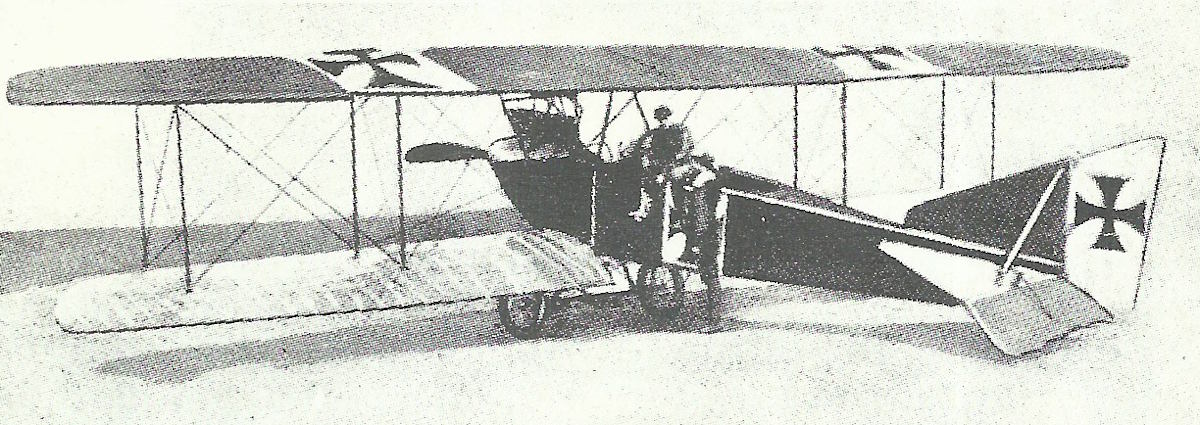
The Austro-Hungarian aircraft industry developed from small workshops into major production facilities. They produced innovative solutions for engines, armament, and materials.
Major aircraft manufacturers and production facilities
Aviatik-Werke, the Austrian subsidiary of the Leipzig-based company, played a central role in Vienna. From the end of 1914, they produced large numbers of Aviatik B.I aircraft for the Austro-Hungarian army.
The Phönix-Werke in Vienna built modern production facilities during the war. The technician Gabriel founded the company after his time at Albatros-Werke Berlin.
From 1916 to 1917, they built the Brandenburg D.I and later the Phoenix C.1 and Phoenix D.III. In doing so, they collaborated with the German subsidiary of Albatros-Werke.
Before the war, Lohner was the main supplier, producing around 100-150 aircraft per year. The company supplied the Military Aeronautical Institute and built the Lohner B.I in its Vienna workshops.
In Wiener-Neustadt, the Austrian subsidiary of the German Aviatik-Werke produced the Berg D.I. This aircraft was developed by the Skoda-Werke.
Innovation: engines, armament, materials
Austro-Hungarian aircraft featured a variety of engine technologies. The water-cooled 100 hp Mercedes D.I 6-cylinder engine powered the Aviatik B.I.
The Lohner B.I used a 120 hp Austro-Daimler 6 engine. The Phoenix C.1 was equipped with a powerful 230 hp Hiero engine.
Armament continued to develop as the war progressed. Early models such as the Lohner B.I had no weapons.
Later models were equipped with the 7.92 mm Schwarzlose machine gun as standard. The Aviatik B.I had a built-in heavy machine gun, while the Phoenix C.1 was equipped with a fixed machine gun in the nose and a manual machine gun in the rear cockpit.
The Phoenix D.III and Berg D.I each carried two fixed 7.92 mm machine guns in the nose. The Phoenix C.1 could also carry up to 50 kg of bombs.
The legacy of Austro-Hungarian military aviation
The Austro-Hungarian Air Force fought on several fronts until the dissolution of Austria-Hungary in 1918. On the Eastern Front, they flew against Russian forces, and on the Southern Front against Italian and British units.
These experiences shaped the later development of European aviation. Well-known personalities such as Igo Etrich, Karl Illner, Wilhelm Kress, and Ferdinand Porsche worked on motorized aircraft and engines during this period.
The technical knowledge from Vienna, Berlin, and other production sites was preserved. OEFFAG and other successor companies made use of this expertise in the interwar period.
Frequently asked questions
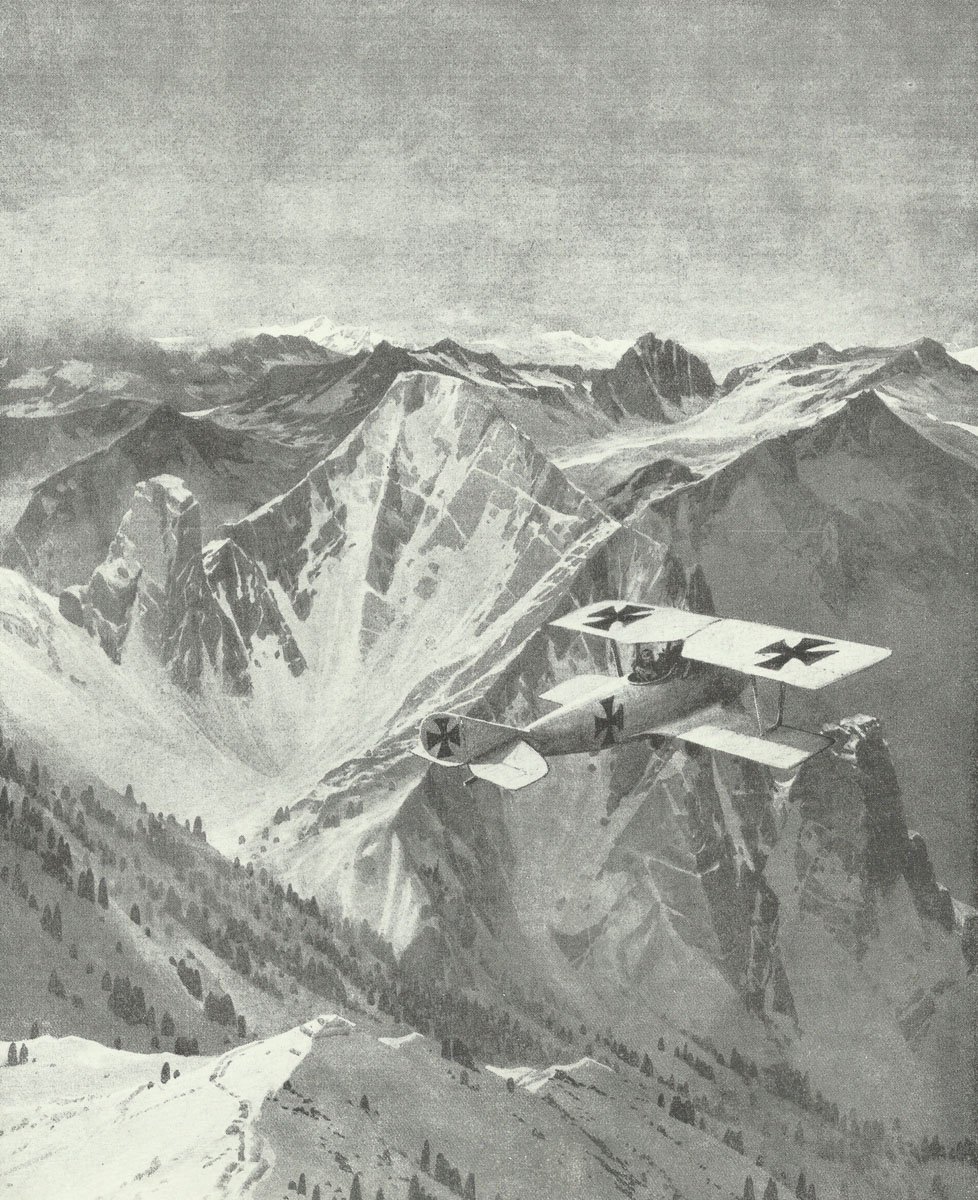
The Austro-Hungarian aircraft of the First World War had different technical characteristics and purposes. The Aviatik B.I reached a speed of 105 km/h with a flight duration of 4 hours.
The Berg D.I flew significantly faster at 194 km/h and reached a service ceiling of 5800 meters.
What were the technical specifications of the Aviatik B.I aircraft used by the Austro-Hungarian Air Force?
The Aviatik B.I was a two-seater reconnaissance aircraft with a water-cooled 100 hp Mercedes D.I 6-cylinder engine. The aircraft had a wingspan of 14 meters and a length of 8 meters.
The takeoff weight was 860 kg. The maximum speed was 105 km/h, and the maximum altitude was 2500 meters.
They could stay in the air for 4 hours. The armament consisted of a built-in heavy 7.92 mm Schwarzlose machine gun.
The Austrian subsidiary of the Leipzig-based company Aviatik launched this model at the end of 1914. Due to its long range, they used the Aviatik B.I as a strategic reconnaissance aircraft over large parts of the Eastern Front.
How did the Berg D.I differ from other fighter planes used by the Austro-Hungarian forces in World War I?
The Berg D.I reached a top speed of 194 km/h, making it faster than other Austro-Hungarian fighters of its time. Its service ceiling of 5,800 meters surpassed most contemporary models.
The Skoda Works developed this aircraft. The Austrian subsidiary of the German Aviatik Works built it in Wiener-Neustadt.
It had a range of 400 km. The nose was equipped with two fixed 7.92 mm machine guns.
The Berg D.I became the most widely flown fighter of the Austro-Hungarian Air Force. Its performance data made it a truly powerful fighter aircraft for various fronts.
How did the Brandenburg D.I series aircraft contribute to the Austro-Hungarian Army’s air warfare?
The Brandenburg D.I was the first successful Austrian fighter. The Phönix-Werke built it from 1916 to 1917.
As a single-seat fighter-reconnaissance aircraft, it combined fighter and reconnaissance capabilities. The aircraft reached a speed of 186 km/h and a flight altitude of 5400 meters.
With a range of 480 km, they were able to carry out longer missions. Their armament consisted of a fixed machine gun on the nose.
The Brandenburg D.I enabled both air combat and reconnaissance missions. Its versatility made it an important tool in Austro-Hungarian aerial warfare.
What role did the Lohner B.I reconnaissance aircraft play in Austro-Hungarian military operations?
The Lohner B.I was a two-seater reconnaissance aircraft with a 120 hp Austro-Daimler engine. Before the war, Lohner was considered the main supplier to the Austro-Hungarian army, producing around 100-150 aircraft per year.
The aircraft had a wingspan of 13.43 meters and a length of 7.63 meters. Its takeoff weight was 882 kg.
Its maximum speed was 130 km/h, and its maximum altitude was 2,800 meters. Its range was approximately 320 km.
Although the Lohner B.I was unarmed, it performed important reconnaissance tasks. It provided the military with valuable information about enemy positions and troop movements.
How did the Phoenix C.1 and D.III aircraft types develop technically during the war?
Gabriel founded the Phoenix Works during the war. He had previously worked at the Albatros factory in Berlin.
Between 1917 and 1918, they built the Phoenix C.1. It was a two-seater reconnaissance aircraft with a 230 hp Hiero engine.
The Phoenix C.1 reached a speed of 165 km/h and a flight altitude of 6000 meters. Its range was 480 km.
A fixed 7.92 mm machine gun was mounted in the nose. There was a manual 7.92 mm machine gun in the rear of the cockpit.
It could carry up to 50 kg of bombs.
Sources and literature
Jane’s Fighting Aircraft of World War I
Aircraft of World War I 1914-1918 (Jack Herris, Bob Pearson)
Fighters, Attack and Training Aircraft 1914-1919 (Kenneth Munson)
Bombers, Patrol and Reconnaissance Aircraft 1914-1919 (Kenneth Munson)