

World War One

THE GREAT WAR

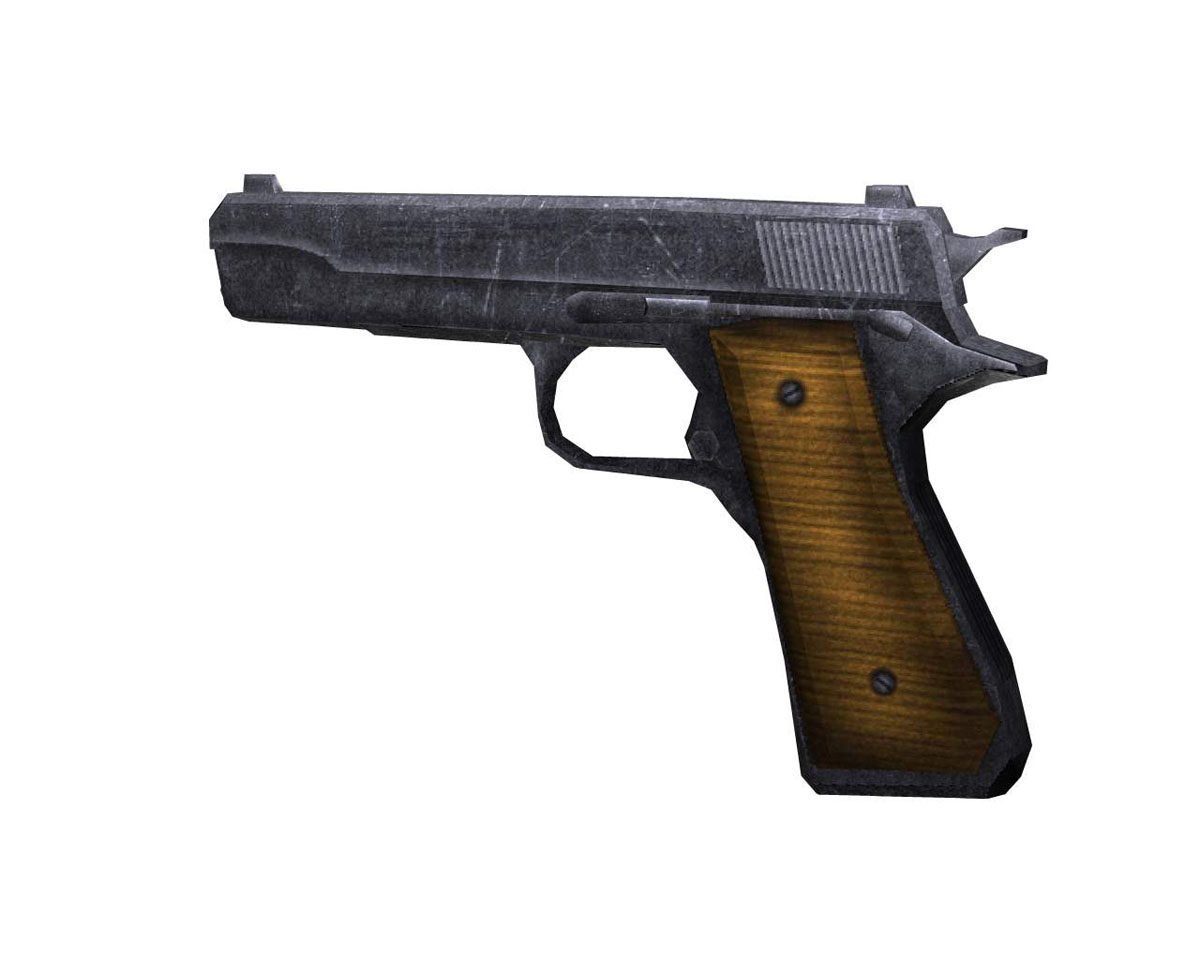
Colt M1911 model
Colt M1911 and M1911A1, automatic pistol of the US Army from 1911 to 1985. History, development, specifications, statistics, pictures and Read more
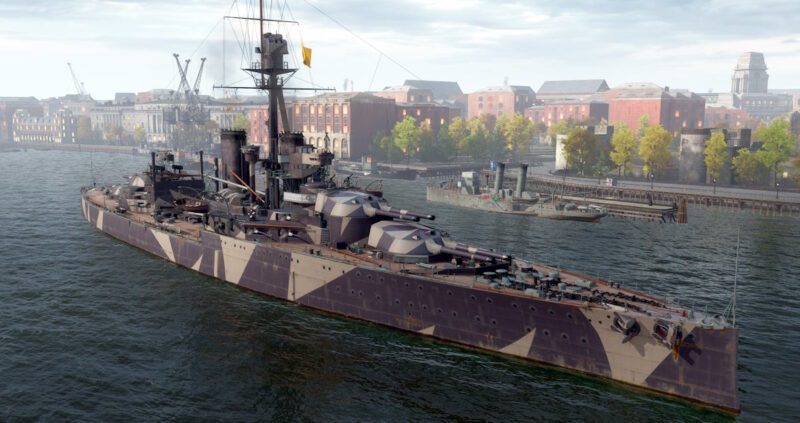
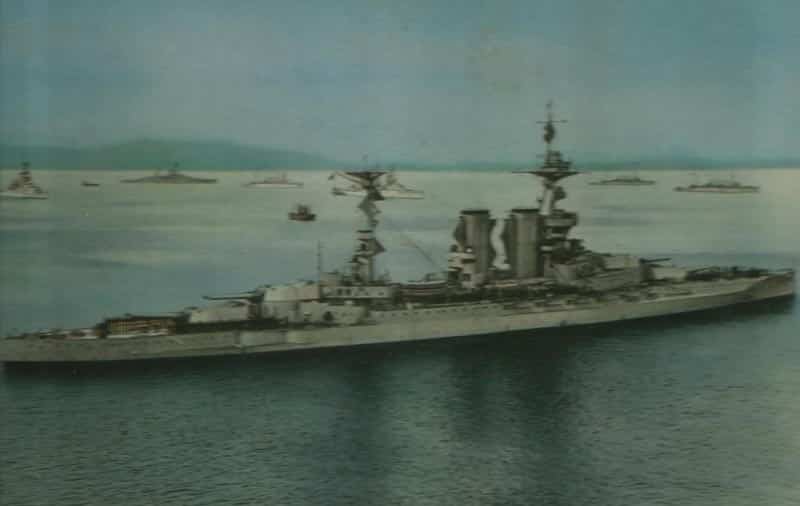
Barham with British fleet at Scapa Flow 1
British Battleships Queen Elizabeth class. History, development, service in the First World War, specifications, statistics and pictures. British Battleships Queen Read more
British army 1914-1918
The British Army in World War One, 1914-18. Uniforms, organization, leaders, strength and casualties. British Army in World War One Read more
phoenix diii
Are you fascinated by aviation history? Then take a look at the aircraft used by the Austro-Hungarian armed forces in Read more
German infantry march through a burning French village
Battle of the Marne 1914: Turning Point on the Western Front. Battle of the Marne 1914: Turning Point on the Read more
sign of the Treaty of Versailles
The dictates of the Allies in the Versailles Peace Treaty. Reparations, Allied dispute, War guilt issue, Hitler's rising. Here to Read more
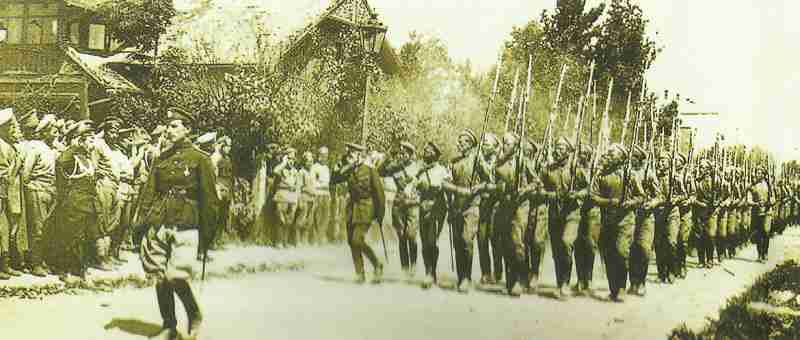
Soldiers Rumania
The Army of Romania in World War One from 1916-1918. Uniforms, strength, casualties and organization of the Romanian Army. Romanian Read more
Rolls Royce armored car
Rolls-Royce armored car from the First World War. History, development, service, specifications, pictures and 3D model. Rolls-Royce Armored Car in Read more
Hindenburg Ludendorff Tannenberg
Battle of Tannenberg 1914: Decisive German Victory on the Eastern Front. Battle of Tannenberg 1914: Decisive German Victory on the Read more
The fallen comrade
Figures of losses to soldiers, civilians, ships, by the air war and war costs and damage in the First World Read more
Smith&Wesson Model 1905 ‘Victory’
Smith & Wesson Revolvers M1905, M1917 and 0.38/200 from World War One and Two. History, development, specifications, statistics, pictures and Read more
Tank Mark VIII
Heavy Mk VIII 'Liberty' or 'International' tank build in U.S. after World War One. History, development, service, specifications, statistics, pictures, Read more
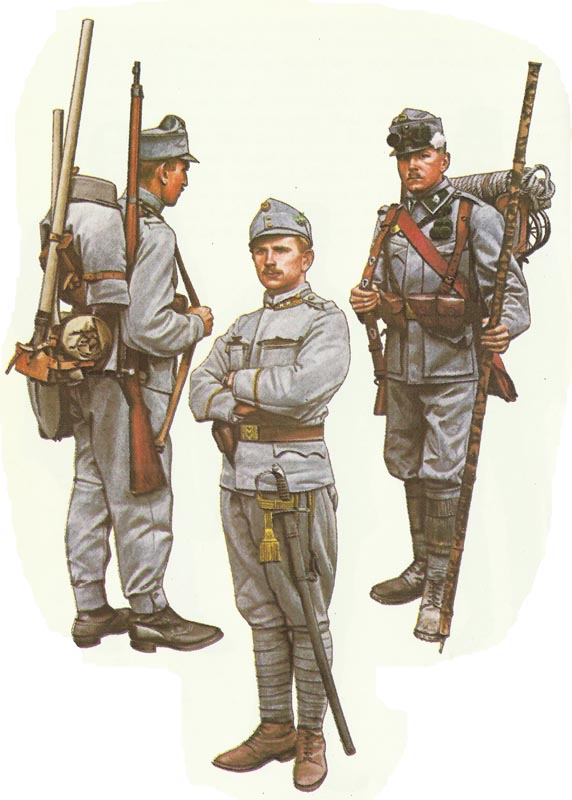
austrian troops serbia 1
When Austria-Hungary declared war on Serbia in July 1914, hardly anyone thought the small Balkan kingdom could withstand the power Read more
German army's Gewehr 1898.
German infantry rifle Mauser Gewehr 1898 from World War One. History, development, service, specifications, pictures and model. Mauser Gewehr 98 Read more
3D model of FT-17
French light infantry tank Renault FT-17 of the First World War. History, development, service, specifications, pictures and 3D model. Renault Read more
HMS Dreadnought in WoWs
Revolutionary British battleship HMS Dreadnought: The Russo-Japanese War of 1904-05 showed the world the need for a radical change in Read more
'fighter of Verdun'
The Battle of Verdun (February 21 - December 18, 1916). Situation end of 1915, to bleed the French army white, Read more
Mark I Thiepval Sep1916
British heavy Infantry Tank Mark I of World War One and first tank in history. History, development, service, specifications, pictures Read more
serbian army 1
The Serbian Army in World War One from 1914 to 1918. Uniforms, organization, leaders, strength, casualties and the army of Read more
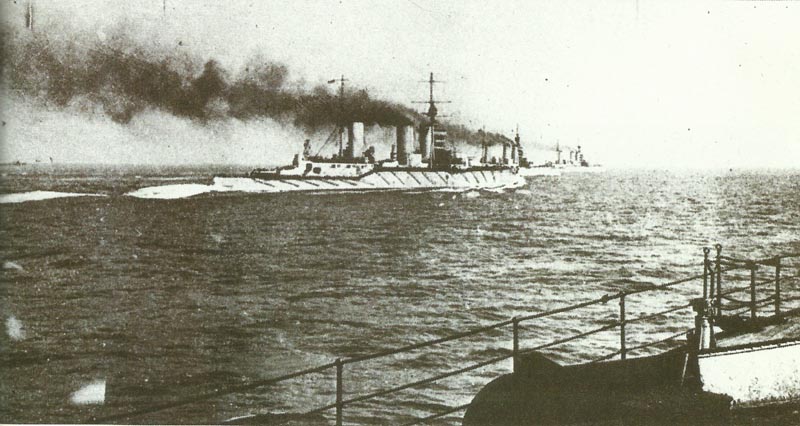
bluecher 1 2
German Armored Cruiser Blücher from World War One, which sunk in the battle of the Dogger Bank 1915. History, development, Read more

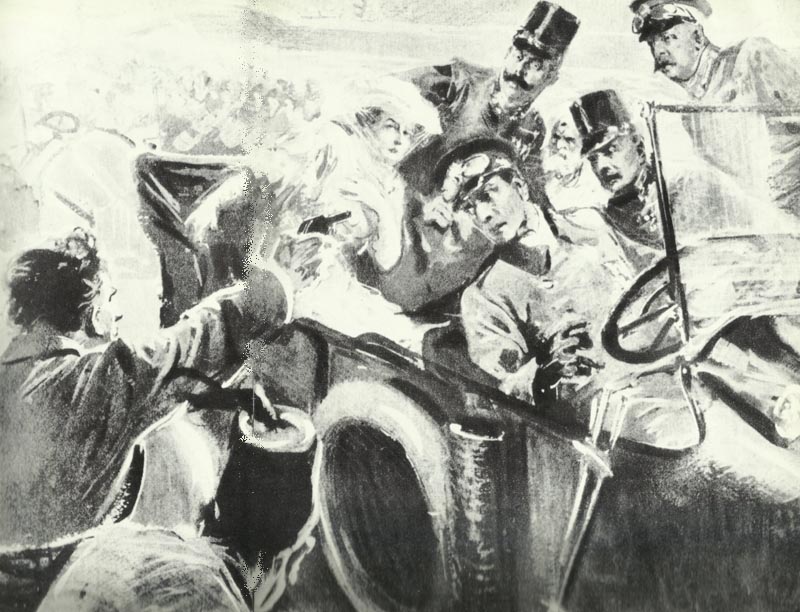
Assassination of Archduke Franz Ferdinand
Assassination of Archduke Franz Ferdinand in Sarajevo.
Sarajevo No other political assassination in modern history has had such momentous conse­quences of the shooting of Archduke Franz Ferdinand, heir apparent to the Habsburg empire, in Sarajevo, the capital of the tur­bulent provinces of Bosnia-Herzegovina, more than 100 years ago – on 28th June 1914.
The Sarajevo murder was an incident which, under more normal international circumstances, could not have provoked such historical upheavals.
But in the early summer of 1914 relations between the great European powers were so tense that the killing of the archduke by a Bosnian student, named Gavrilo Princip, led to the outbreak of World War One through a series of quick and irreversible steps – the Austrian ultimatum to Serbia on 23rd July, her declaration of war on 28th July, Russian mobilization, Ger­many’s declaration of war on Russia on 1st August, and on France on 3rd August, and Great Britain’s declaration of war against Germany on 4th August.

The great powers had been elaborating plans for mobilizing mass armies ever since the Franco-German war of 1870-71. As usual, men prepared for the last military conflict instead of for the next one. The general staffs all assumed that the coming struggle would be decided by the first engagements on the frontiers, as had happened in 1870, and each general staff aimed to get its blow in first. Yet they were all terrified that the other side might beat them to it. Each one of them attributed to others a speed and flexibility which they knew they did not possess themselves. The deterrent of the overwhelming blow put the generals in a panic instead of giving them security. Such is the usual way with deterrents.
The strategies for mobilization were all according to detailed train time-tables, accurately determined through the years. As soon as the alert received, millions of reservists would arrive at their barracks. Thousands of trains would be put together and would pro­ceed every single day to their designated targets. The time-tables were strict and might not be modified without several weeks of planning. Casino Games explained.
Germany and France both had just one strategy for mobilization – both equally moved, needless to say, versus the opponent. Russia and Austria-Hungary got different strategies: the Russian either for general mobilization versus simultaneously against Germany and Austria-Hun­gary or for partial mobilization versus Austria-Hungary only; the Austrians against Serbia, Italy, or Russia. If one of these strategies did start to run, it would make the change to a different strategy im­possible. The time-tables could hardly be modified immediately.
This is the way to one of the deadliest conflicts in history. This scale of human loss had never been seen before – more than 14 million soldiers and civilians were killed, and a further 21 million troops were wounded during the four years of stagnant trench warfare and in failed attacks.
It was also the first time that many of the military technologies we now take for granted were employed, including heavy bombers and tanks. Yet even these were overshadowed by more established weapons such as machine-guns and artillery, the most lethal weapon of all.
The armistice in 1918 also signaled the end of the existing Europe; the conflict had caused the death of three powers: the Austro-Hungarian, German, and Russian – and saw the appearance of the U.S.A. as a major worldwide power. Nevertheless, the peace negotiations inserted the fundamentals for the outbreak of WW2.
The Diary will become a chronological history – day by day – of the conflict from the opening shots at Sarajevo in June 1914 to the armistice in November 1918. All the major war theaters are covered, as is the fighting in the air and at sea.
WW2 Weapons
Scroll to Top
Conflict of Nations - World War III