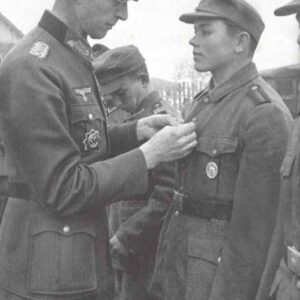
Baltic volunteers with the German Army
Baltic volunteers with the German Army in the Second World War. Service of inhabitants of Estonia, Latvia and Lithuania in the Wehrmacht and Waffen-SS. On 22 June 1941 the Red
Baltic volunteers with the German Army in the Second World War. Service of inhabitants of Estonia, Latvia and Lithuania in the Wehrmacht and Waffen-SS. On 22 June 1941 the Red
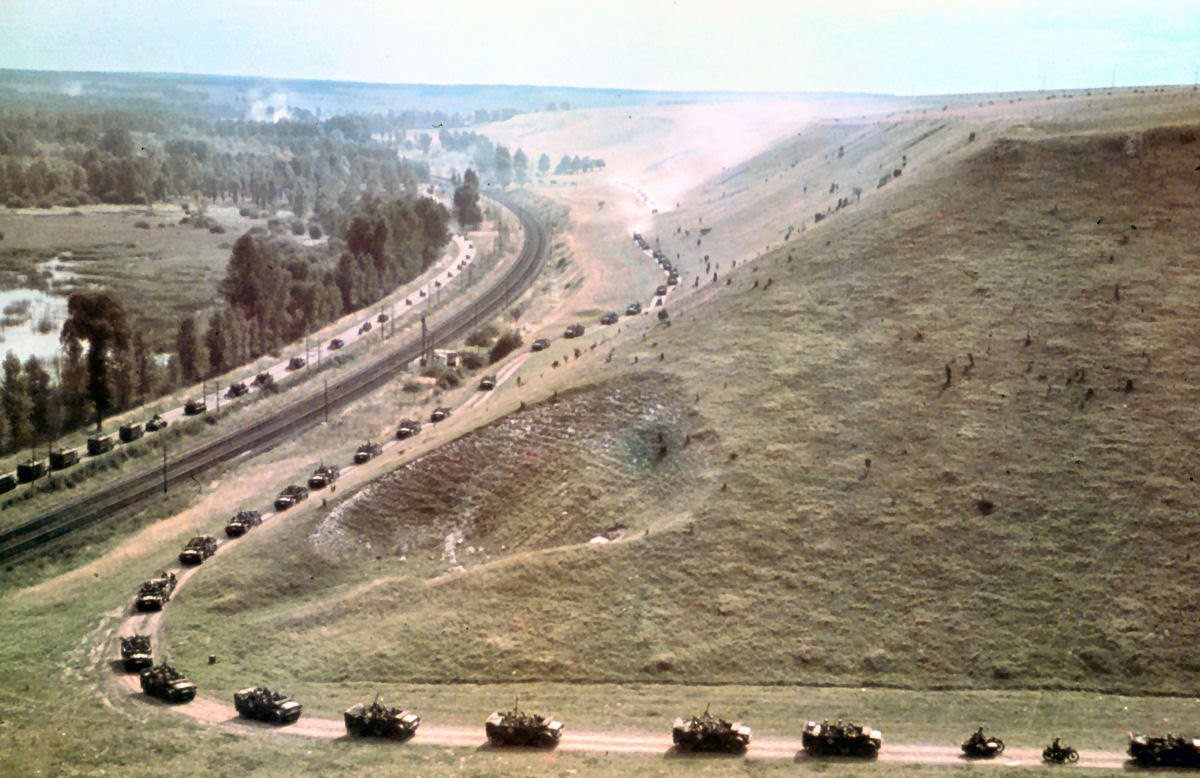
German Orders of Battle for the campaign in the West, 10 May 1940. Deployment, army groups, armies, corps, divisions, organization and equipment, tanks. Western Campaign 1940 The Western Campaign of
German Orders of Battle for the campaign in the West, May 1940 read more »
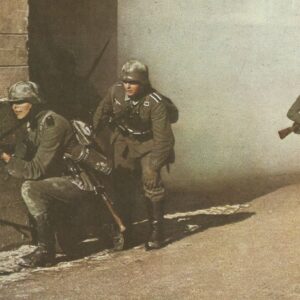
Organization of the formations and units of the German Army from the Polish campaign til Operation Barbarossa 1941. Organization of the German Army at the Beginning of WW2 How large
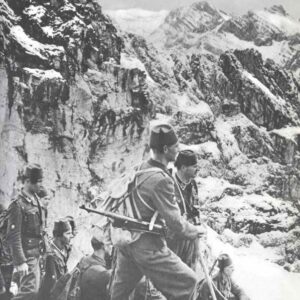
13 Waffen-Gebirgs-Division der SS Handschar, 14 Waffen-Grenadier-Division der SS (1st Ukrainian), 15 Waffen-Grenadier-Division der SS (1st Latvian), 16 SS-Panzer-Grenadier-Division Reichsführer-SS, 17 SS-Panzer-Grenadier-Division Götz von Berlichingen, 18 SS-Panzer-Grenadier-Division Horst Wessel, 19
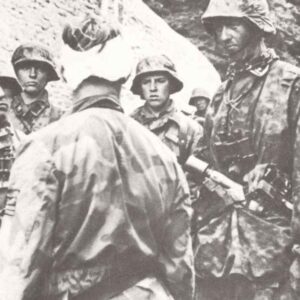
Creation and Campaigns of the 12th SS Panzer division Hitler Youth. Designations, commanders, insignia, organization, in Normandy 1944, Battle of the Bulge and in Hungary 1945. 12th SS Panzerdivision Hitlerjugend:
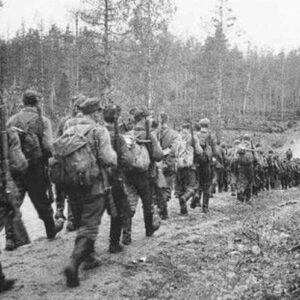
Strength and Organization of the Army, Air Force and Navy of Finland in the Continuation War against the Soviet Union. The Finnish Armed Forces in the ‘Continuation War’ from 1941
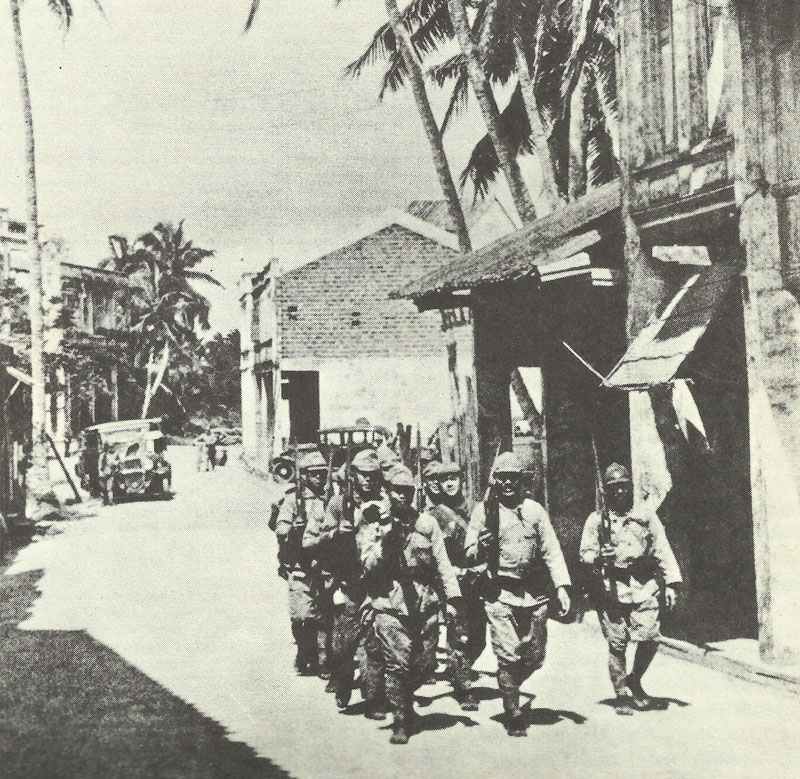
The Japanese Army in the Pacific War 1943 to 1945. Distribution of the Japanese armed forces in August 1943 and 1945, the armoured divisions, independent units, amphibious brigades and the
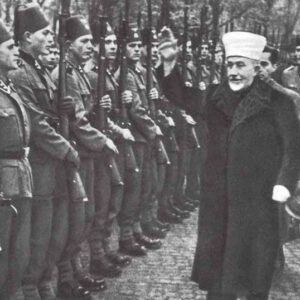
20 Waffen-Grenadier-Division der SS (1st Estonian), 22 SS-Freiwilligen-Kavallerie-Division Maria Theresia (Volunteer cavalry division), 23 Waffen-Gebirgs-Division der SS Kama (2nd Croatian Mountain division), 23 SS-Freiwilligen-Panzer-Grenadier-Division Nederland, 24 SS-Waffen-Gebirgs-Division der SS Karstjaeger
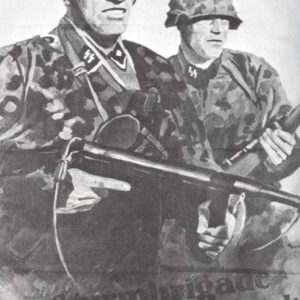
Order of Battle Waffen-SS divisions 26 (2nd Hungarian) – 32 (30th January). Many of the following listed divisions were purely fictitious, in the sense that orders for their formation and
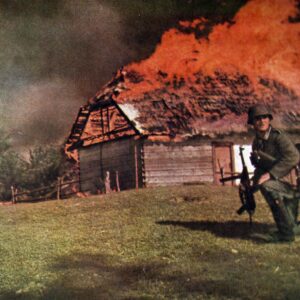
German Orders of Battle from 3 September 1941 and the Eastern Front after the successful start of Operation Barbarossa from the end of August 1941 until the failure of the
Eastern Front 1941 and German Orders of Battle from September read more »
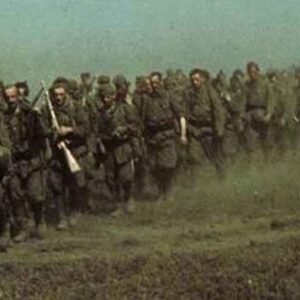
Strength and Organization of the Army and Air Force of Hungary in 1942. Hungarian Army, Orders of Battle, divisions and equipment, planes of the Air Force. Hungarian Armed Forces Overvoew
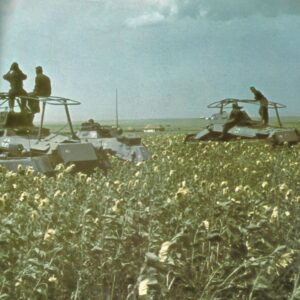
German Orders of Battle before the summer offensive in Russia (Operation Blue) of June 24, 1942. Here to the previous part: German Orders of Battle May 1942 and Operation Blue.
German Orders of Battle and the second summer offensive in Russia read more »
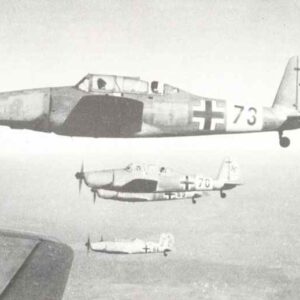
Decline of the pilot training of the German air force Luftwaffe in mid- and late-war from 1942 to 1945 (Part II). Decline of the Luftwaffe Pilot Training The Battle of
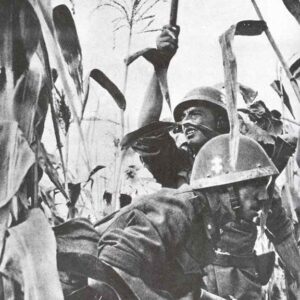
Slovak Armed Forces in the Second World War: organization of the Army and divisions and Air Force in the Polish campaign 1939 and on the Russian front 1941-1944. Slovak Armed
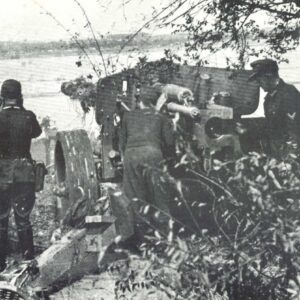
German Orders of Battle from March 1, 1945 before the Allies crossed the Rhine. Army Groups, Armies, Corps and Divisions. The deployment and distribution of the divisions of the Wehrmacht
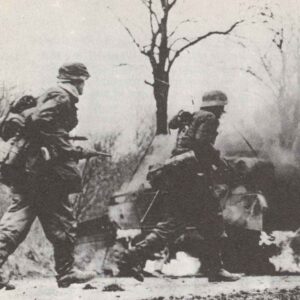
Operations of the 2nd SS-Panzer-Division Das Reich 1943-45 (Part II). Here to Part I: Creation and Campaigns of the SS-Verfuegungsdivision (later Reich) from 1939 to 1942. Operations of the 2nd
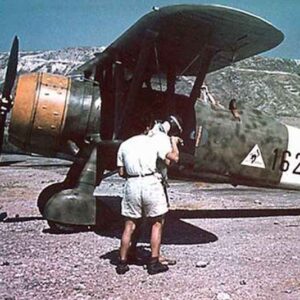
Strength and Organization of the Regia Aeronautica and Regia Navale when Italy enters Second World War in June 1940. Regia Aeronautica and Regia Navale Italian Air Force (Regia Aeronautica) The
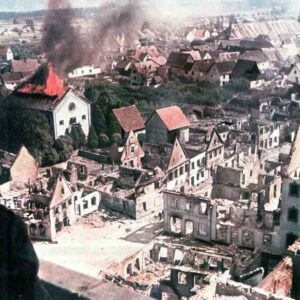
German Orders of Battle from 25 June 1940 early, the day of the armistice with France. Schematic layout of the Wehrmacht, divisions and equipment. By 10 June the Germans had
German Orders of Battle at the armistice with France read more »
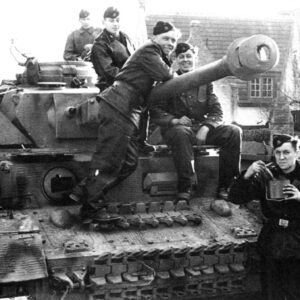
Campaigns of the 9th SS-Panzer Division Hohenstaufen (Part II). From Arnhem, in the Ardennes and to Hungary to the end of the war. To Part I: 9th SS-Panzer-Division Hohenstaufen. 9th
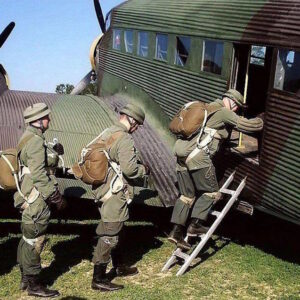
German Air Force (Luftwaffe) and Airborne Forces for the campaign in the West (May 1940) and Norway. Here to German Orders of Battle for the campaign in the West, May