
44th Reich Grenadier Division “Hoch- und Deutschmeister”: History and Deployment
The 44th Reich Grenadier Division “Hoch- und Deutschmeister” was a significant unit of the German Wehrmacht during World War II. It was formed on April 1, 1938, in Vienna and fought on nearly all fronts.
After being almost completely wiped out in the Battle of Stalingrad in January 1943, the division was reorganized in Belgium later that same year. It was given the honorary name “Hoch- und Deutschmeister,” which traces back to the Imperial and Royal Infantry Regiment No. 4.
The division consisted predominantly of Austrian soldiers. It took part in major battles in Poland, France, the Soviet Union, and Italy.
From the first attacks in September 1939 until its surrender in May 1945, the division underwent several reorganizations and suffered heavy losses.
Its history covers military organization, commanders, equipment, and deployments in various operations. The unit was part of larger developments during World War II and offers insights into the Wehrmacht’s conduct of war.
Origins and Formation of the Division
The division was formed on April 1, 1938, in Vienna. Austrian military units were integrated into the Wehrmacht following the Anschluss.
The unit bore the traditional name Hoch und Deutschmeister. It was later elevated to the status of a Reich Grenadier Division.
Founding in Vienna and Tradition of the Hoch und Deutschmeister
The 44th Infantry Division was formed on April 1, 1938, in Vienna. Its formation took place immediately after Austria’s annexation to the German Reich.
The division adopted the historic name “Hoch- und Deutschmeister,” which traces back to an Austrian infantry regiment. This name was among the most famous designations in Austrian military history.
The original regiment had fought under Prince Eugene against the Turks in the Battle of Zenta. The Wehrmacht sought to integrate the Austrian soldiers and respect their tradition.
The division was organized within the newly created Military District XVII (Vienna). During the mobilization on August 26, 1939, it was part of the Wehrmacht’s first wave.
Adoption of Austrian Military Structures
The division was formed from Divisions 1 through 3 of the former Austrian Armed Forces. These units formed the core of the new Wehrmacht division.
About 20 percent of the officers and non-commissioned officers came from the so-called “Altreich.” The majority of the soldiers, however, came from Austrian military units.
This composition was intended to facilitate the integration of the Austrian armed forces into the Wehrmacht. The division retained many Austrian structures and traditions, which was important for morale.
The 4th Infantry Regiment “Hoch- und Deutschmeister” served as the basis for the formation. The unit grew into a full division with all necessary support units.
Renamed the Reich Grenadier Division
In January 1943, the division was destroyed at Stalingrad. Its reorganization began on February 17, 1943, in Belgium under Army High Command 15.
The division received reinforced Grenadier Regiments 887 and 888, formed from non-commissioned officer training courses of Military Districts XIII and XVII. On May 4, 1943, Adolf Hitler bestowed upon the division the designation “Reichsgrenadier Division Hoch- und Deutschmeister.”
The renaming took effect on June 1, 1943. At that time, Infantry Regiment 134 was assigned to the division.
The new structure included Tank Destroyer Company 80, Engineer Battalion 46, Signal Company 64, and other support units.
Significance of the Honorary Designation
The title “Reichsgrenadier Division” was a special honor. Only a few divisions of the Wehrmacht bore this designation.
The addition of “Hoch- und Deutschmeister” emphasized the connection to Austrian military tradition. After the defeat at Stalingrad, the re-establishment under the old name also carried symbolic significance.
The division later fought in Italy, for example at Cassino and in the Apennines. In the winter of 1943–44, a Tiger tank group (“Panzergruppe Meier”) was attached to the division.
Organization and Units
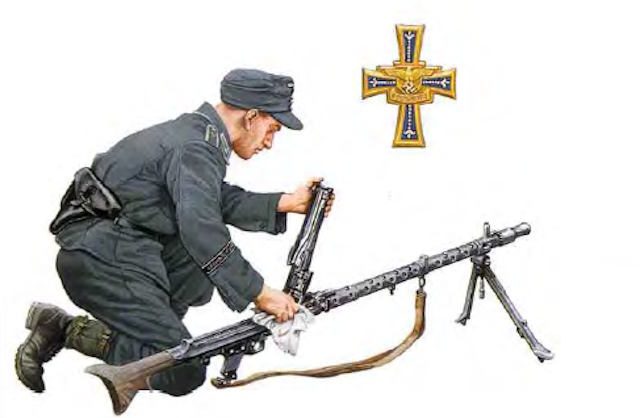
The division was organized into several combat and support units. This structure changed several times during the war.
The main combat force consisted of three grenadier regiments with associated artillery and special units.
Structure of the Grenadier and Artillery Regiments
Originally, the division consisted of three infantry regiments: Infantry Regiment 131, Infantry Regiment 132, and Infantry Regiment “Hoch- und Deutschmeister” (later Regiment 134). These regiments formed the backbone of the division.
After the reorganization in 1943, the structure changed. Each regiment had several battalions, which were divided into companies.
In August 1944, the division was reorganized according to the new Type 44 structure. The I./131 became Grenade Launcher Battalion 44.
The I./132 and III./HuD battalions were disbanded, while the III./131 and III./132 became 1st Battalions. The 96th Artillery Regiment provided fire support.
It comprised several batteries with different calibers and ranges.
44th Division Support Units
The 44th Reconnaissance Company conducted reconnaissance missions and gathered information on enemy positions. This unit was responsible for reconnaissance ahead of the division’s formations.
The 80th Engineer Battalion performed technical tasks such as fortification construction, bridge building, and mine clearance. The engineers were also responsible for demolition and engineering work.
The 46th Anti-Tank Company engaged enemy tanks with specialized weapons. It utilized anti-tank guns of various calibers.
The Signal Company 64 ensured communication within the division. It operated telephone and radio links between the units.
Special Units and Companies
Several smaller units complemented the division’s structure. The Veterinary Company 44 cared for the horses and other animals, as they continued to play an important role in transportation.
Supply troops handled logistical support. They transported ammunition, rations, and other necessary goods to the fighting troops.
Field replacement battalions served as a reservoir for replacement soldiers. Medical units cared for the wounded and operated field hospitals behind the front lines.
Organization
- Grenadier Regiment 131
- Grenadier Regiment 132
- Grenadier Regiment 134
- Anti-Tank Company 46
- Reconnaissance Battalion 44
- Artillery Regiment 96
- Signals Battalion 64
- Engineer Battalion 80
Deployments and Operations in World War II
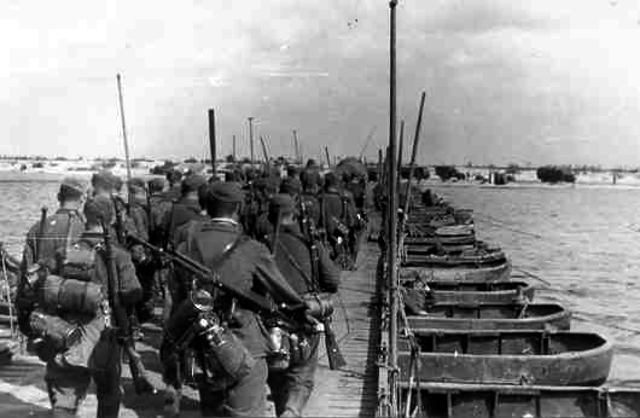
The 44th Infantry Division fought in several major campaigns of World War II. It experienced the rapid advance in Poland and France as well as heavy fighting on the Eastern Front.
Its deployment ended with its near-total annihilation at Stalingrad.
Polish Campaign and Western Campaign
The division took part in the Polish Campaign in 1939. Afterward, it was prepared for the Western Campaign.
During the French Campaign of 1940, it advanced rapidly westward. By the time of the armistice on June 22, 1940, the division had reached the Poitiers area.
It then took over coastal defense duties near La Rochelle. There, it trained until October for Operation Sea Lion, the planned invasion of England.
At the end of March 1941, the Wehrmacht transferred the division to Poland, to the General Government. This transfer prepared it for the upcoming deployment on the Eastern Front.
Fighting on the Eastern Front
Starting in 1941, the division fought under the Army Group South on various sectors of the Eastern Front. It took part in major operations in Ukraine, including the battles for Kyiv and Kharkiv.
In the Balakleya area, the division conducted both offensive and defensive operations. The Army Corps to which it belonged deployed it in several encirclement battles.
In November 1942, the division fought on the Don flank northwest of Kalach. With a fortified system of positions, it withstood the attacks of the Soviet 65th Army.
This position was intended to secure the flank of the German troops at Stalingrad.
Battle of Stalingrad
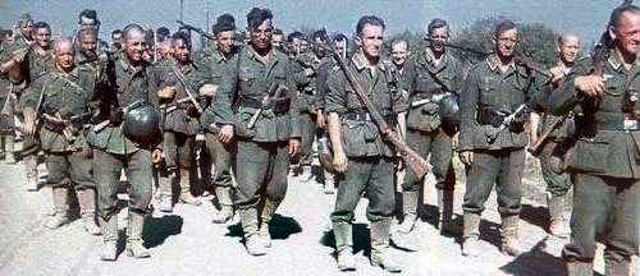
The 44th Infantry Division was part of the 6th Army under Colonel General Friedrich Paulus, which was surrounded in Stalingrad. The Soviet encirclement battle began in November 1942 and trapped over 250,000 German soldiers.
The division suffered heavy losses during the prolonged fighting. Cold, hunger, and constant combat decimated the troops.
The General Staff made several attempts to break through the encirclement but was unsuccessful.
After the 6th Army’s surrender in February 1943, the division was virtually annihilated. The few survivors were taken prisoner by the Soviets.
In 1943, the division was reorganized in the West under the honorary name 44th Reich Grenadier Division “Hoch- und Deutschmeister”.
Reorganization and Later Years of the War
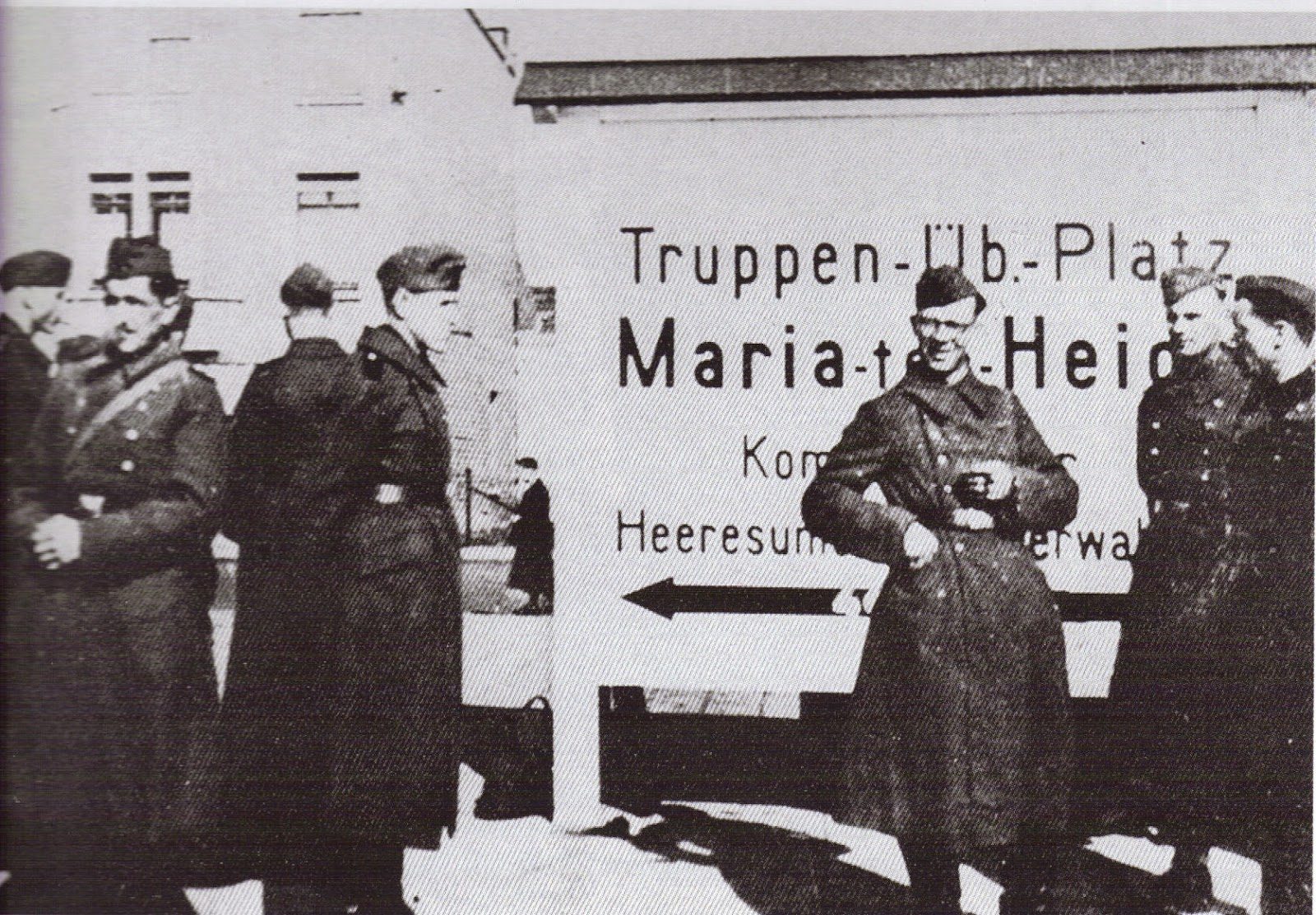
Following the disaster at Stalingrad, the division was reorganized in Belgium in the spring of 1943 and given the name Hoch- und Deutschmeister. The remaining years of the war took it through Italy, Hungary, and finally back to Austria.
Reorganization after Stalingrad in 1943
On February 17, 1943, the division was reorganized in Belgium under Army High Command 15. It was one of the so-called Stalingrad divisions that were rebuilt after the defeat on the Volga.
On June 1, 1943, it was officially designated the 44th Reich Grenadier Division Hoch- und Deutschmeister. The new structure comprised the Reich Grenadier Regiment Hoch- und Deutschmeister as well as Grenadier Regiments 131 and 132.
The division initially remained in the Antwerp area for training. In the fall of 1943, it was transferred to northern Italy.
There, it disarmed Italian Badoglio units in the Brixen and Wolkenstein areas.
Italian Campaign and Battles on the Gothic Line
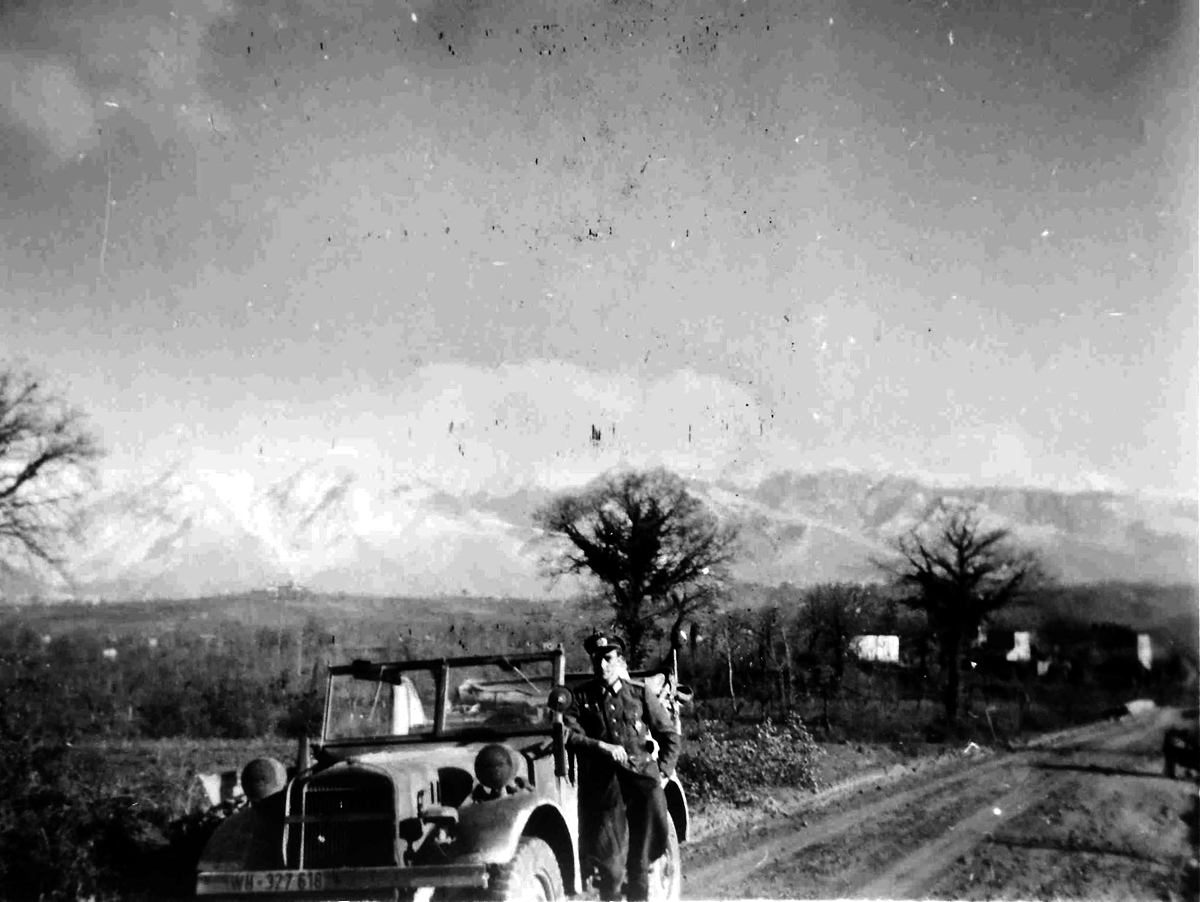
At the end of 1943, the division moved to the Volturno River in southern Italy. It fought defensive battles along the Reinhard Line and the Gustav Line.
In the Cassino area, particularly fierce fighting took place, during which the division held its ground against Allied attacks.
In the spring of 1944, the retreat began across several defensive lines. The division fought on both sides of the Tiber and withdrew to the northern Apennines.
On the Gothic Line (Gothen Line), it defended positions near Castel Bolognese, in the Bologna area, and at the Futa Pass.
In September 1944, the division was reinforced in the Udine area. It was then withdrawn from Italy and transferred to Hungary.
During its time in Italy, it was under the command of the 10th Army.
Deployment in Hungary and Retreat to Austria
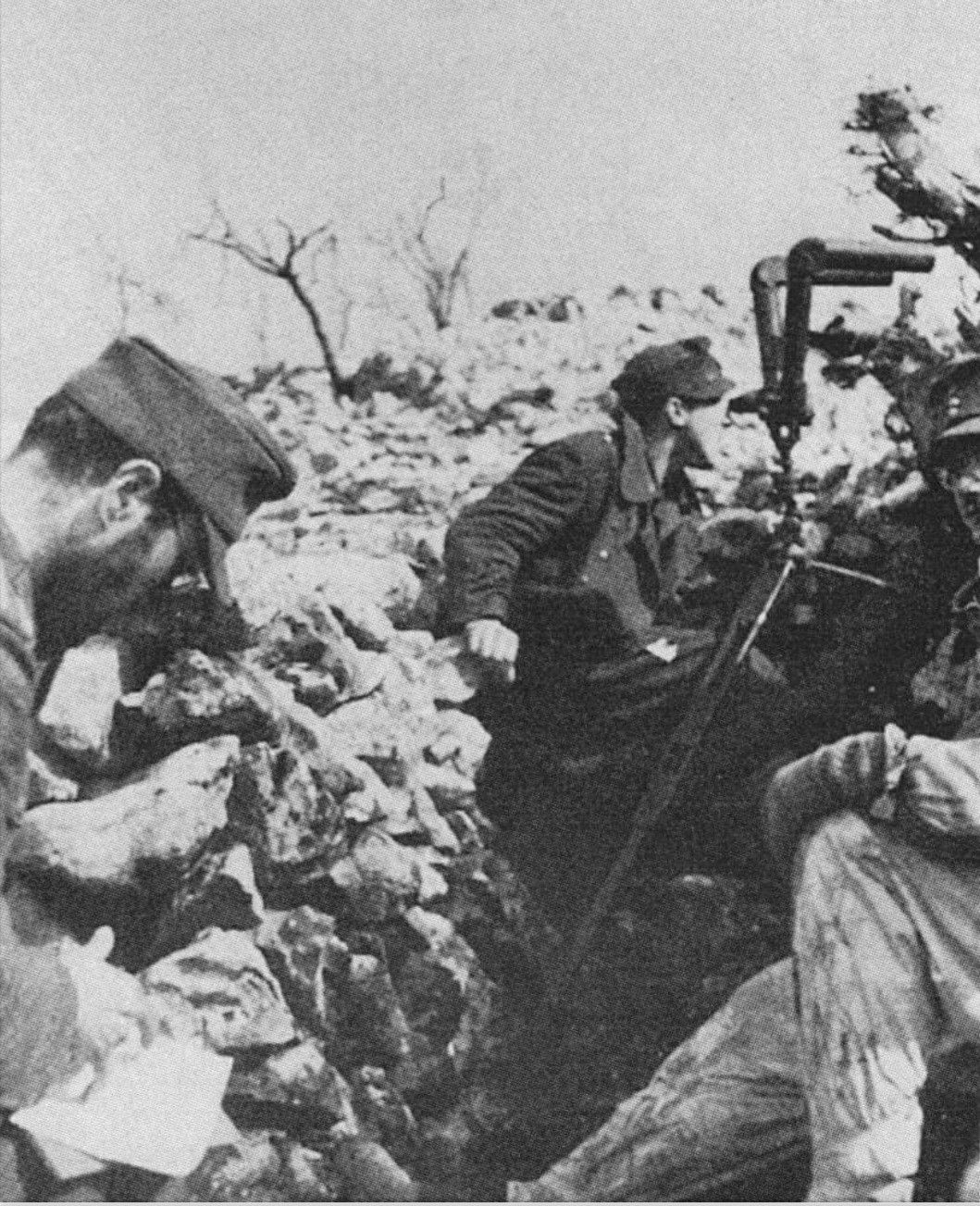
From late 1944, the division fought in Hungary in the Gran bridgehead. The fighting extended on both sides of the Sarviz Canal between Lake Velence and Lake Balaton.
In February 1945, the division became trapped in the Stuhlweißenburg pocket. After breaking out, it withdrew to Radkersburg and St. Gotthard an der Raab.
To regroup, the division was transferred to the Hollabrunn and Laa an der Thaya area in Lower Austria.
At the end of the war in May 1945, parts of the division were taken prisoner by the Russians. Most units surrendered to American forces in the Rosenberg area.
Leadership, Notable Figures, and Veteran Culture
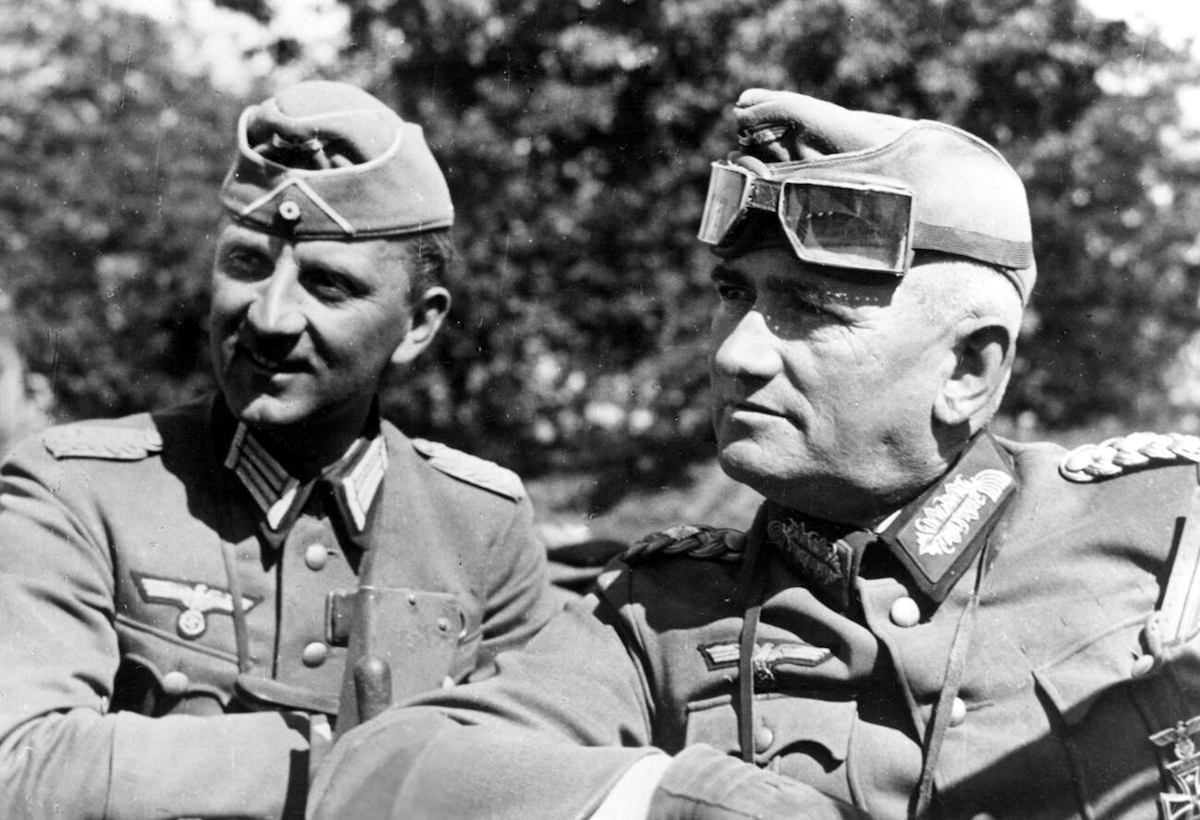
Several generals led the division. It carried on the traditions of the Austrian Hoch- und Deutschmeister Regiment.
After the war, veterans formed comradeship groups to preserve the memory.
Generals and Commanding Officers
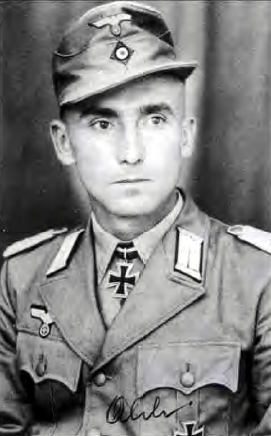
Lieutenant General Friedrich Siebert led the division during critical phases of the war. He commanded the unit during heavy fighting on the Eastern Front.
Later, Lieutenant General Albrecht Schubert took command. Under his leadership, the unit participated in various operations.
Franz Beyer also served as a commander. Friedrich Dettmer was among the senior officers as well.
Anton Schimak was another officer in the division. The leadership consisted of experienced men who guided their grenadiers through difficult missions.
Division Commanders:
- Lieutenant General Albrecht Schubert (September – October 1939)
- General Friedrich Siebert (October 1939 – May 1942)
- Lieutenant General Heinrich Deboi (May 1942 – January 1943)
- Lieutenant General Dr. Franz Bayer (March 1943 – January 1944)
- Lieutenant General Dr. Fritz Franke (January–May 1944)
- Lieutenant General Bruno Ortner (May–June 1944)
- Lieutenant General Hans-Hünther von Rost (June 1944–March 1945)
- Colonel Hoffmann (March – May 1945)
Traditions and Decorations
The division bore the honorary name of the Imperial and Royal Infantry Regiment Hoch- und Deutschmeister No. 4. This linked the Wehrmacht unit to Austrian military history.
The name “Hoch- und Deutschmeister” was considered particularly steeped in tradition within the Austrian Army. The soldiers wore special insignia that signified this connection.
Many soldiers received military decorations for their service. The division’s grenadiers fought on nearly every theater of operations during World War II.
Veterans’ Associations and the Culture of Remembrance
After the war, former members founded the 44th Infantry Division Comradeship. This organization strengthened the bond among the veterans.
Georg Tessin documented the history of the division in his work “Units and Troops of the German Wehrmacht and Waffen-SS in World War II, 1939–1945.” The book was published by Podzun-Pallas-Verlag in Frankfurt am Main and Osnabrück.
The veterans kept the memory of their fallen comrades alive. Former officers and grenadiers met regularly at comradeship gatherings.
Lamprecht was among the figures who remained connected to the division after the war.
Equipment, Munitions, and Fortifications
The 44th Reich Grenadier Division employed standard Wehrmacht equipment and fortification techniques. It used minefields, barbed-wire obstacles, and fortified positions to defend its sectors on the Eastern Front.
Tiger Group Meyer
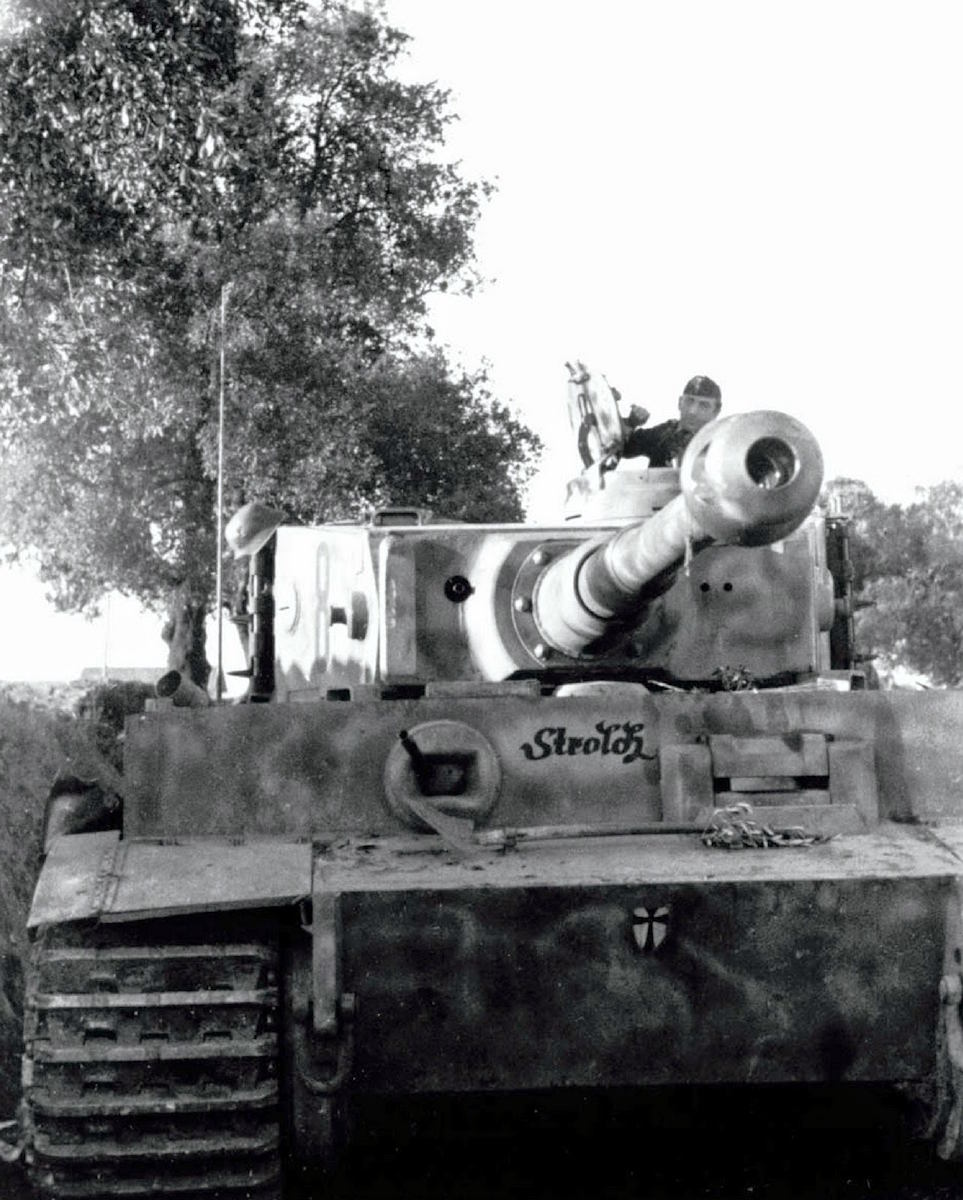
The Heavy Tank Company/Tiger Group Meyer was part of the (44th) Reich Grenadier Division Hoch- und Deutschmeister (HuD) from August to September 1943, tasked with disarming Italian troops following the ally’s surrender in September 1943.
Unlike other tank units, the Tigers in this small combat unit (two platoons, each with four Tigers) used only single-digit turret numbers (instead of the usual three-digit ones). The coat of arms adorned with the Baltic Cross on the front armor was the identifying mark of Tiger Group Meyer.
Minefields and Barbed Wire
The division laid minefields in front of its main defensive lines to slow down enemy tanks and infantry. It combined these fields with deeply staggered barbed wire.
The barbed wire forced attacking troops into specific passages that were under direct machine-gun fire. The minefields contained both anti-personnel and anti-tank mines.
Engineer Battalion 80 was responsible for laying and marking these obstacles. During the retreat, the engineers laid additional mines to hold back Soviet forces.
Bunker Positions and Steel-Reinforced Nests
The division built bunker positions in its defensive sectors, particularly during the winter of 1941–42 along the upper Donets. These positions offered protection from artillery fire and the cold.
In November 1942, the division utilized a heavily fortified system of positions northwest of Kalach to repel attacks by the Soviet 65th Army. Steel tank nests secured critical points and provided cover for machine gunners.
These small steel bunkers allowed for flanking fire against attacking troops. Anti-Tank Battalion 46 positioned its anti-tank guns in reinforced positions with a direct view of access routes.
Counter-battery and defensive tactics
The 96th Artillery Regiment fired precision strikes against Soviet artillery positions. Leadership within the artillery regiment was crucial to the defensive effort.
The 44th Observation Battalion located enemy guns and coordinated counterfire. This tactic took some pressure off friendly positions during Soviet offensives.
The division relied on depth defense with echeloned lines. Reserve units stood ready for counterattacks in the event of enemy breakthroughs.
Reconnaissance Unit 44 monitored the front and reported enemy movements early on. This defensive posture helped the division withstand even superior opponents—at least until Stalingrad.
Frequently Asked Questions
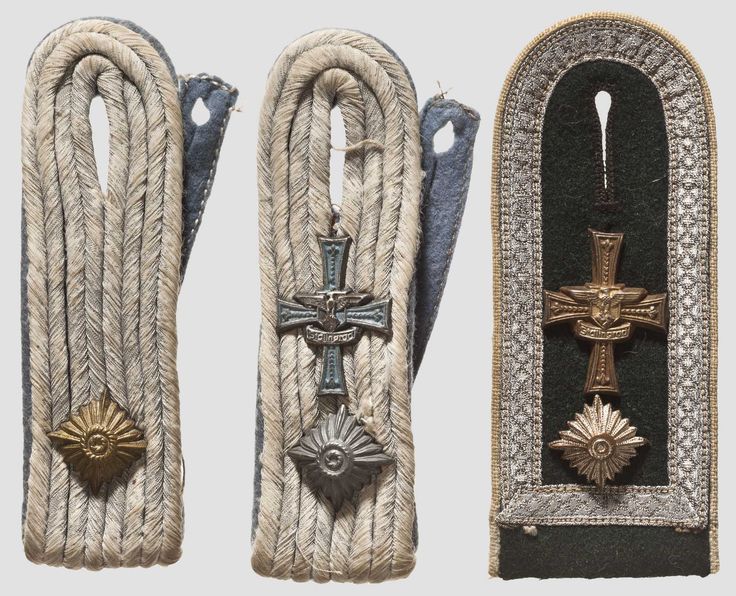
Over time, the division was given several new names. It fought on various battlefields from its formation until its surrender in 1945.
Key topics include its formation, theaters of operation, organization, leadership, available sources, and the end of the war.
When and under what circumstances was the division formed, and which predecessor units were incorporated into it?
On June 1, 1943, the division was formed from the 44th Infantry Division. Adolf Hitler gave it the honorary name Reichsgrenadier Division Hoch und Deutschmeister on May 4, 1943.
The name was a reference to the Imperial and Royal Infantry Regiment Hoch- und Deutschmeister No. 4. The predecessor division was almost completely wiped out at Stalingrad.
The reorganization took place in the West, mostly with Austrian soldiers.
What were the most significant missions and battles that defined the division’s wartime service, and in which theaters of operations was the unit primarily deployed?
The division saw action in nearly all major theaters of World War II. Its near-total annihilation in the Battle of Stalingrad was particularly devastating.
After being reorganized in 1943, the division fought in Italy and on the Eastern Front. In February 1945, it was transferred to the Hungarian sector of the Eastern Front.
From there, it withdrew to Austria while continuing to fight.
How was the division organized at various points in time (regiments, battalions, support and special forces)?
The 134th Grenadier Regiment, as the Vienna House Regiment, was called the “Reichsgrenadier-Regiment.” The abbreviation “HuD” for Hoch und Deutschmeister often appeared in official organizational charts.
The division consisted of infantry and grenadier regiments as well as support units. The structure largely corresponded to the standard of German infantry and grenadier divisions of that time.
Organization:
- Grenadier Regiment 131
- Grenadier Regiment 132
- 134th Grenadier Regiment
- 46th Tank Destroyer Company
- 44th Reconnaissance Company
- 96th Artillery Regiment
- 64th Signal Company
- Engineer Battalion 80
Who were the key commanders, and what personnel changes occurred in the leadership during the course of the war?
The command structure changed several times during the war. The frequent personnel changes reflect the heavy losses and multiple reorganizations.
Division Commanders:
- Lieutenant General Albrecht Schubert (September – October 1939)
- General Friedrich Siebert (October 1939 – May 1942)
- Lieutenant General Heinrich Deboi (May 1942 – January 1943)
- Lieutenant General Dr. Franz Bayer (March 1943 – January 1944)
- Lieutenant General Dr. Fritz Franke (January – May 1944)
- Lieutenant General Bruno Ortner (May – June 1944)
- Lieutenant General Hans-Hünther von Rost (June 1944 – March 1945)
- Colonel Hoffmann (March – May 1945)
Which sources, war diaries, and archival materials are considered central to research, and where are they accessible?
Records from the pre-war period are rarely preserved for infantry divisions. Only the 7th, 10th, and 17th Infantry Divisions from the Bavarian Military Districts VII and XIII have larger collections.
Various documents pertaining to the 44th Division are held in German military archives. Specific war diaries and files on the division have been analyzed in scholarly publications.
How did the division’s end of the war unfold, including its retreat, surrender, and captivity?
The division withdrew to the Hollabrunn and Laa an der Thaya area to regroup.
It then continued via Radkersburg to St. Gotthard an der Raab.
Some soldiers were taken prisoner by the Russians.
Most of the troops ended up in American captivity in the Rosenberg area.
In May 1945, the division finally surrendered in Austria.
References and literature
German Army Elite Units 1939-45 (Osprey, Gordon Williamson)
Verbände und Truppen der deutschen Wehrmacht und Waffen-SS im Zweiten Weltkrieg 1939-1945 (Bundesarchiv-Militärarchiv und Arbeitskreis Wehrforschung)
Die 44. Infanterie-Division: Reichs Grenadier Division Hoch-und-Deutschmeister 1938-1945 (Friedrich Dettmer, Otto Jaus, Helmut Tolkmitt)