
The Suebi tribe in Total War: Rome II Emperor Edition offers one of the most challenging yet oddly rewarding barbarian experiences in the game. I’ve spent a ridiculous amount of hours learning the ropes with this Germanic faction, and honestly, they’re tough to crack at first, but once you get their vibe, they’re a blast.

The Suebi excel at raiding, ambush tactics, and confederation with other Germanic tribes, making them perfect for players who enjoy aggressive infantry-based warfare. What makes them stand out is how they keep diplomatic ties with their barbarian neighbors while terrorizing the “civilized” folks across the Rhine.

Playing as the Suebi demands a totally different mindset from the usual factions. You’ve got to lean into their raiding culture, get good with light infantry, and know when to hit fast or melt back into the trees.
Let’s break down how to survive those rough early turns and eventually build a Germanic empire that might even give Rome a run for its money.
Understanding the Suebi Tribe

When I first picked up the Suebi, I assumed they were just one tribe. Turns out, they’re a confederation of Germanic peoples with their own unique warrior traditions.
Suebi History and Culture
The Suebi weren’t a single people, but a bunch of Germanic tribes sharing language and religion. Their whole culture kind of revolved around raiding and warfare, which, honestly, is pretty metal.
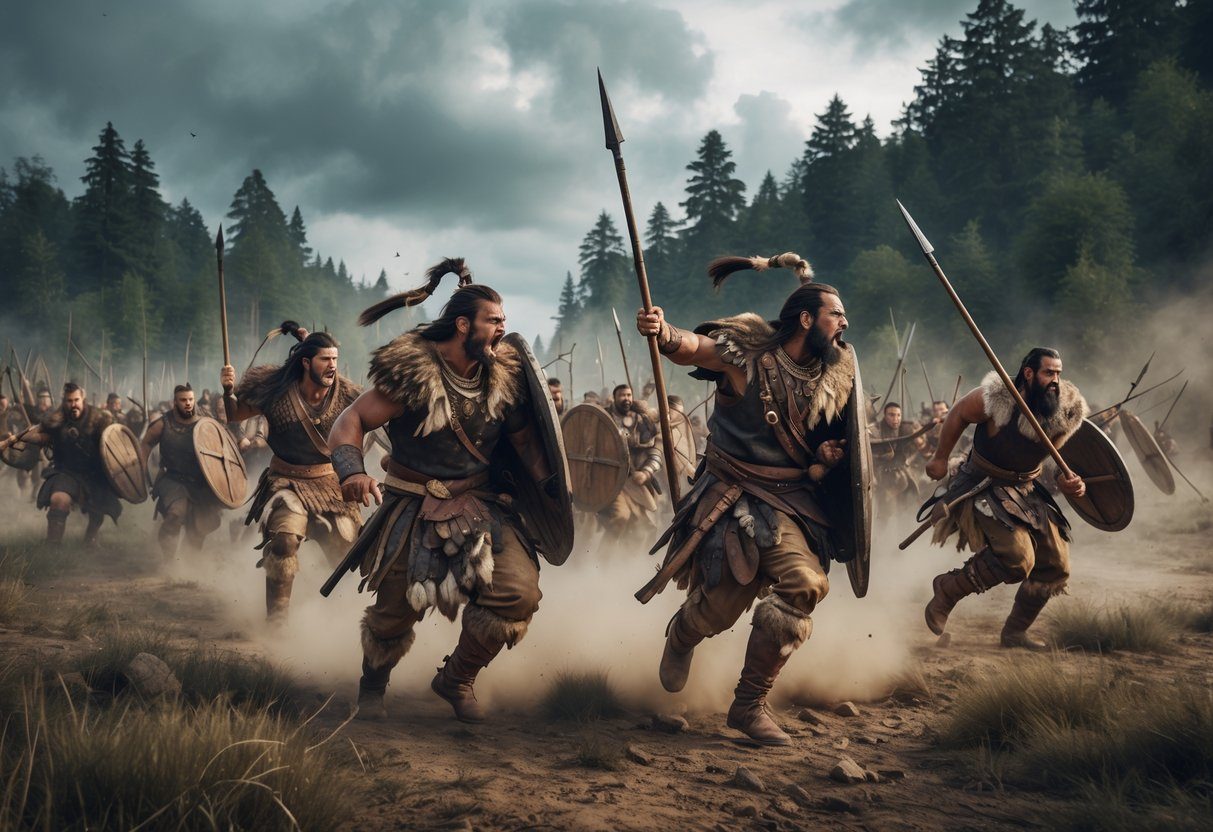
They lived northeast of Gaul and regularly harassed their Gallic neighbors across the Rhine. Their warriors had this distinctive look. Freemen and warriors wore a special hairstyle called the Suebian knot, kind of a topknot, so you could tell them apart from slaves.
Kings and chiefs went even fancier with their knots. What caught me off guard is that the Suebi didn’t do hereditary kingship. The tribes elected leaders based on their heroic deeds, not birthright.
Trade? Not really their thing. Julius Caesar even said they only traded when they had extra loot or slaves lying around.
Germanic Tribes and Confederation
The Suebi confederation pulled in a bunch of smaller Germanic tribes. This setup gave them a leg up in diplomacy with other barbarians.
Being in the confederation meant easier alliances with tribes sharing their culture. But, the Suebi looked down on outsiders. The Suebi felt disdain for civilized cultures and other barbarians alike, which made running conquered territories a pain.
Confederation gave them numbers. With the right leader, they could threaten Britannia, Gaul, even Iberia.
Shared language and beliefs kept the tribes on the same page. That unity? It was everything when it came to fighting big battles.
Faction Traits and Unique Features
The Suebi thrive at forest warfare and plunder. Their style is all about ambushes and raiding, not lining up for a fair fight.
Most Suebi warriors go light on gear. They carry a framea—a kind of javelin-spear. Swords are more of a luxury.
Shields come in all sorts of shapes: round, oval, even long hexagonal. Heavy armor? Nah, most just wear cloaks.

Their special units are the stuff of nightmares. Berserkers and Night Hunters strike fear into enemy hearts. Night Hunters even paint themselves black and attack from the woods. That’s commitment.
But here’s the catch: conquered folks really hate Suebi rule. Their harsh treatment and cultural snobbery make occupation rough.
Early Game Survival and Expansion
The Suebi face some wild challenges in the early game. I usually focus on building strong alliances with nearby Germanic tribes while trying to keep the home front stable and watching out for those pushy Gallic neighbors.
Initial Diplomacy and Confederation Strategies
I start by scoping out the nearby Germanic tribes. The Suebi get a 10% morale boost against other Germanic factions, but honestly, I’d rather unite them than fight them.
First thing, I send diplomats to neighboring Germanic tribes. Trade agreements and non-aggression pacts go out right away. These deals help my economy and keep me out of early wars I can’t handle.
Key diplomatic targets:
- Cimbri (north)
- Marcomanni (east)
- Other small Germanic tribes
Once relations are good, I push for confederation. It’s a free army and territory, no fighting needed. Saves me a ton of trouble down the line.
I avoid military alliances early on. They just drag me into fights I’m not ready for. Trade and non-aggression pacts are safer bets at the start.
Managing Public Order and Slaves
Public order is a headache when I expand. Every new settlement brings a fresh batch of grumpy citizens.
I build temples and civic buildings in new territories first. They boost public order and keep uprisings down. Worth every coin if it saves me from a rebellion.
Slaves are a double-edged sword. They help the economy but wreck public order if I let their numbers get too high. My balancing act looks like this:
- Keep slave populations under 20%
- Build entertainment structures
- Station troops in hot spots
I never ignore public order warnings. One rebellion can undo so much progress. I’d rather spend on buildings than fight my own people.
I also keep taxes normal or low in new territories until things calm down. No point in pushing my luck.
Securing Your Borders Against Gaul
Gallic tribes are easily my biggest early headache. They’re aggressive and field some scary armies.
I always fortify my western border first. That means upgrading settlements and keeping armies nearby. The Gauls are coming, so I get ready.
My defensive plan is all about chokepoints. I position armies so they can back each other up. If one gets hit, another can help out fast.
I don’t rush into Gaul early. Their lands look juicy, but they’ll unite against Germanic invaders. I let them slug it out among themselves while I build up.
Border defense priorities:
- Upgrade border settlements
- Station full armies at key spots
- Build walls and defensive structures
- Keep reserves ready
I use forests to my advantage. Germanic units fight better there, so I always try to pick my battles in the trees. It helps against Gallic cavalry and infantry.
Military Units and Army Composition
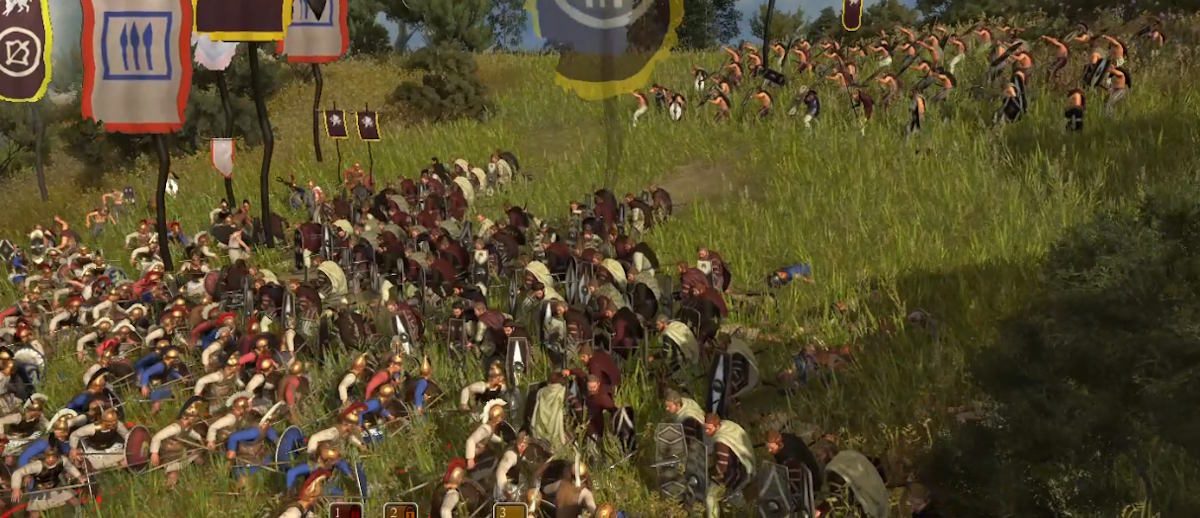
The Suebi roster is focused but surprisingly effective. It’s all about aggressive melee infantry with a few specialized support units. Their power comes from hard-hitting spear units and elite troops made for guerrilla warfare.
Core Infantry: Spear Brothers and Wodanaz Spears
Spear Brothers are my go-to for holding the line. They’re solid anti-cavalry, with decent armor and fighting skills. I use them to anchor my formation and stop enemy horsemen in their tracks.
They work best in defensive setups. Against most infantry, they hold their own, and their spears make short work of charging cavalry.
Wodanaz Spears are the fancier, elite version. I treat them as my premium line holders—they can defend or push forward when needed.
Unit | Armor | Anti-Cavalry | Cost |
|---|---|---|---|
Spear Brothers | Medium | High | Moderate |
Wodanaz Spears | Heavy | Very High | High |
I usually run 4-6 spear units per army. That’s enough anti-cavalry coverage and still lets me hit hard.
Elite Troops: Berserkers and Night Hunters
Berserkers are my shock troops for breaking the enemy line. They deal massive damage, but they’re not exactly tanky. I throw them at weakened units or use them to punch through gaps.
They need backup from other infantry. If I leave them alone too long, they get shredded.
Night Hunters are my stealthy troublemakers. I love using them for flanking and ambushes. Their concealment lets me sneak them behind enemy lines before the fight even starts.
I’ve learned to keep these elites in reserve. If I time their attack right, they can flip a battle on its head.
Specialist Units: Longbow Hunters and Noble Riders
Longbow Hunters bring the ranged punch I need. They’ve got good range and can hit both infantry and cavalry. High ground makes them even better.
I always screen my archers with spears. Enemy cavalry loves to go after them, so I keep them protected.
Noble Riders are my main cavalry force. Fast and hard-hitting, but don’t expect them to soak damage. I use them for flanking and chasing down routers.
They shine when I coordinate their charges with my infantry. I never send them into spears head-on—bad idea.
Swords and Other Melee Units
My sword units—Germanic Tribesmen and Sword Masters—are all about melee. They’re great for breaking enemy lines after my spears have things tied up.
Sword Masters are the top tier: better armor, better weapons. I send them after the enemy’s best infantry.
I like mixing swords and spears in my lines. It covers both cavalry and infantry threats without much fuss.
Battle Tactics and Raiding
The Suebi really shine at guerrilla warfare and messing with enemy economies using their unique tribal strengths. I lean into their forest fighting and raiding mechanics—they’re essential if you want to survive and, honestly, thrive.
Forest Ambush and Night Battles
I always try to set up my Suebi forces in the woods. Thick forests give my warriors a real edge over Roman legions and most other enemies.
Germanic tribes get significant bonuses when fighting in forests. Enemy units slow down and lose formation in the trees.
This lets me strike fast and pull back before they can react. Night battles? Those are a blast for the Suebi too.
Darkness hides my troop movements and lets me launch surprise attacks. The enemy usually doesn’t spot my forces until it’s already too late.
When I plan ambushes, I split my army into smaller groups. I put them on different sides of the forest path to trap enemy armies between my warriors.
Key ambush tactics:
- Hide in dense forest areas
- Attack enemy flanks and rear
- Use hit-and-run strategies
- Retreat when outnumbered
Utilizing Raiding for Economic Gain
Raiding keeps my Suebi economy afloat. I send small armies across borders to hit enemy settlements and trade routes.
Each successful raid brings gold and slaves. Slaves boost my economy at home, while the gold lets me recruit more warriors and upgrade settlements.
I usually go after wealthy Roman provinces first—they’ve got the most money to steal. I also raid Gallic tribes if they’re weak or tied up in other wars.
Best raiding targets:
- Trade routes and ports
- Undefended farming settlements
- Enemy supply lines
- Wealthy cities with weak garrisons
I never risk my main army on raids. I use cheap units I can afford to lose, keeping my best warriors safe for the big battles.
Dealing with Enemy Tribes
Fighting other Germanic tribes feels different from battling Romans. They know forest warfare as well as I do.
I start with diplomacy—treaties and trade deals keep the peace and let me focus raids on richer targets like Rome.
When I have to fight other tribes, I bring my strongest units. Tribal warriors are fierce, and I can’t always rely on terrain advantages.
Effective tribal warfare:
- Bring elite infantry units
- Use cavalry to flank enemy lines
- Target their chieftains first
- Capture settlements quickly
Sometimes I ally with weaker tribes against stronger ones. It gives me extra warriors without having to recruit more. The alliance usually falls apart after the fight, but honestly, that’s fine by me.
Mid-to-Late Game Strategies
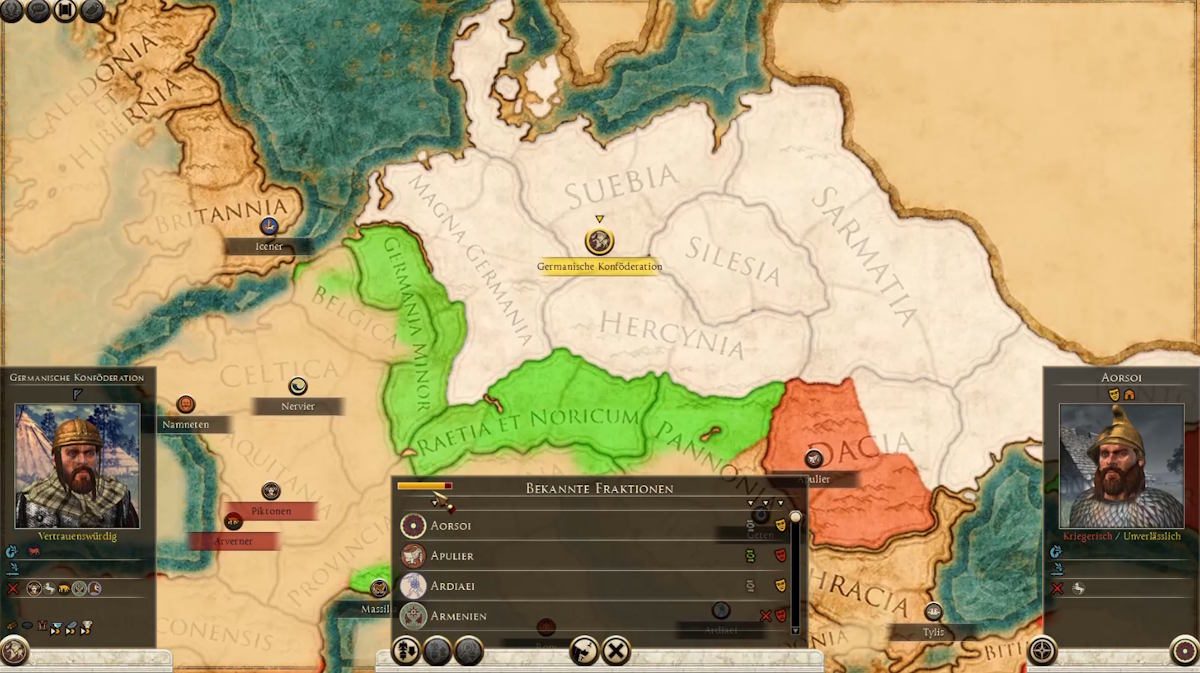
As my Suebi empire grows, I focus on bringing other Germanic tribes into my confederation. Upgrading my armies with better units becomes a priority too.
Managing public order gets tricky during rapid expansion across multiple provinces.
Unifying Germanic Tribes Through Confederation
I always start by working on diplomatic relations with neighboring Germanic tribes. The Suebi get a 10% morale boost against other Germanic factions, but I’d rather have them as friends than enemies.
My confederation strategy starts with trade agreements and non-aggression pacts. I send gifts of gold to sweeten relations before proposing confederation deals.
Smaller tribes usually accept confederation more easily than the big ones. I target weakened Germanic factions first—if they’re fighting Rome or someone else, they’re often desperate to join.
Key targets for confederation:
- Cimbri (northern neighbors)
- Cherusci (eastern expansion)
- Chatti (southern border tribes)
I sometimes put armies near their borders to add a little pressure. That, plus diplomacy, usually convinces them to join peacefully.
Advanced Army Upgrades and Unit Options
My mid-game armies lean heavily on Sword Masters and Wodanaz Spears for core infantry. These guys outclass early-game Germanic Tribesmen and can stand toe-to-toe with Roman legions.
I recruit Night Hunters for stealth attacks and forest ambushes. They excel at taking out enemy missile units and disrupting flanks.
Their concealment ability makes them perfect for guerrilla warfare. Artillery becomes essential for sieges, so I build German Heavy Onagers and German Giant Ballistas to break down enemy walls fast.
Field artillery like German Scorpions helps in open battles. My late-game navy focuses on:
- Heavy Raiders with Sword Masters for boarding actions
- Artillery ships for coastal bombardments
- Medium Missile Raiders for ranged naval combat
Noble Riders replace basic Germanic Scout Riders in my cavalry. They’re still vulnerable to spears, but they hit harder and have better armor for longer fights.
Maintaining Stability During Rapid Expansion
Public order turns into my biggest headache when I conquer provinces too quickly. I learned the hard way—revolts can pop up everywhere if I’m not careful.
I always leave a small garrison in new settlements. Even basic Germanic Tribesmen help keep order and can handle minor uprisings.
My public order management checklist:
- Build temples immediately after conquest
- Keep tax rates low in new provinces
- Station at least 2-3 units as garrison
- Focus on infrastructure buildings first
Cultural conversion takes time, especially in Roman or Greek cities. I avoid expanding into too many different cultures at once—it’s just easier to consolidate Germanic regions first.
I use Germanic Slingers and Spear Levy as cheap garrison troops. They cost less upkeep than elites but still keep the peace. This way, my main armies stay free for conquest.
Trade buildings help cover the cost of big garrisons. I prioritize ports and resource buildings in stable provinces to fund further expansion.
Suebi Unique Units and Their Roles
The Suebi have some of the most specialized units in the Germanic roster. These warriors can really swing a battle if I use them right.
Berserkers: Shock Troops
Berserkers are my go-to shock infantry. They fight with no armor, but their aggression and attack stats make up for it.
Their main strength? Smashing enemy formations. I send them charging into packed spear walls or heavy infantry lines, and the psychological impact alone often makes enemy units break fast.
Key Stats:
- High attack damage
- Low armor protection
- Strong charge bonus
- High morale
I keep berserkers away from missile troops—no shields means they’re easy targets for archers. I also avoid long fights with them, since they tire out fast.
Best move is flanking charges. I let the main battle line engage, then send berserkers around the sides to hit distracted units.
Night Hunters: Stealth Warriors
Night hunters give me a huge edge in forest battles. They can hide almost anywhere and strike without warning.
I use them for ambushes on enemy flanks. Their stealth lets me position them behind enemy lines before the fight even starts.
Main Abilities:
- Forest hiding bonus
- Increased night battle effectiveness
- Good missile resistance
- Fast movement speed
Night hunters work best in small groups. I split them into pairs and place them at key points around the battlefield to set up multiple ambushes.
They don’t do well in open fields. Without trees or tall grass, enemies spot them easily. I save them for defensive battles in my own territory.
Wodanaz Spears and Spear Brother
These units are my infantry backbone. Wodanaz spears hold the line, while spear brothers bring more offensive punch.
I form my main line with these guys. They stand up well to cavalry charges and can push forward when needed.
The spear wall formation gives extra protection against mounted units.
Unit Comparison:
Unit | Defense | Attack | Special |
|---|---|---|---|
Wodanaz Spears | High | Medium | Anti-cavalry |
Spear Brother | Medium | High | Charge defense |
Spear brothers cost more but hit harder. I use them when I need to break through enemy lines, while Wodanaz spears are better for holding ground.
Both need support. I keep slingers or archers nearby for enemy missiles, and cavalry to protect their flanks.
Noble Riders: Cavalry Tactics
Noble riders are my elite cavalry. They’re pricier than basic horsemen but way better in combat.
I use them for flanking, hunting down fleeing enemies, and breaking through weak infantry lines. Their high morale means they rarely run early.
Combat Roles:
- Flanking maneuvers
- Archer hunting
- Pursuit of routing enemies
- Supporting infantry charges
Timing is everything with noble riders. I wait until enemy units get tired from fighting my infantry, then slam the cavalry into their rear or sides.
They struggle against anti-cavalry units, so I avoid spear walls and go after softer targets like archers or war machines. Hit-and-run works better than sticking around in a fight.
Frequently Asked Questions
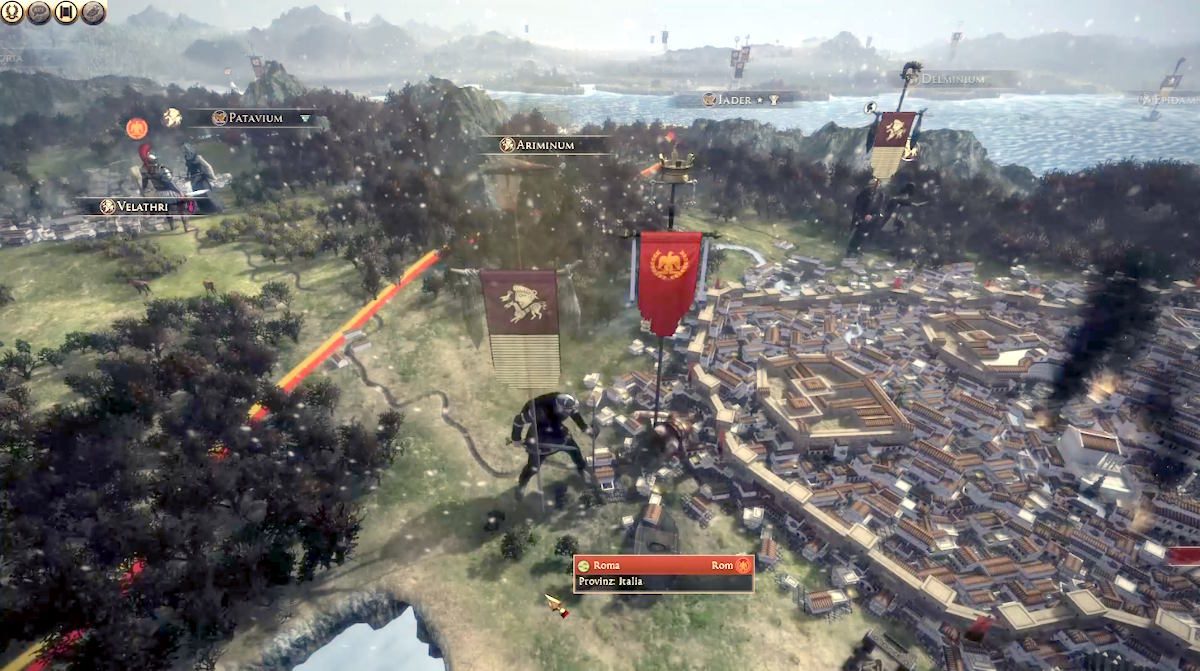
Playing as the Suebi means knowing their strengths in raiding and forest warfare. I’ve had the best luck by leaning into their diplomatic perks with other barbarian tribes and building armies around their strong infantry.
How can I effectively manage the Suebi tribe’s economy in Total War Rome II Emperor Edition?
I lean hard into raiding for income early on. The Suebi are built for it, so I send armies into Gallic lands to grab slaves and loot.
Building markets and farms in my core provinces creates a stable economic base. I go for agricultural buildings since Germanic regions have good farmland.
Trading with other barbarian tribes works out well thanks to the Suebi’s diplomatic bonuses. Trade agreements give steady income without the risk of raiding.
Managing public order is key for economic growth. I build temples and keep armies in new territories to prevent resource-draining rebellions.
What units should I prioritize when building Suebi armies in the game?
I always start with Suebi Warriors as my core infantry. They’re cheap, effective, and available right away.
Germanic Longshields become my main line once I can get them. Their shields and spears are perfect for forest battles, which is where I fight most often.
Night Hunters are great for ambushes. They can hide in forests and strike enemy flanks when least expected.
Berserkers are my shock troops for smashing weakened enemy lines. I send them in after my main infantry has engaged.
I keep cavalry to a minimum since the Suebi aren’t the best in that department. A couple units of Germanic Horse are enough to chase down routing enemies.
Can you provide tips for diplomatic strategies as the Suebi in Total War Rome II Emperor Edition?
I usually start by reaching out to the nearby Germanic and Gallic tribes. The Suebi get some handy bonuses when dealing with other barbarians, so these early agreements feel pretty natural.
Non-aggression pacts help me keep my borders quiet while I look for chances to expand elsewhere. I’ll sign these with tribes I don’t plan to mess with right away.
If I can, I steer clear of Rome in the early game. They see barbarians as trouble, so I’d rather get stronger before poking that particular bear.
Marriage alliances can really pay off with bigger barbarian factions. They stick around and often mean I’ve got backup when dealing with more “civilized” nations.
Military access agreements are a lifesaver for moving troops through friendly land. It lets me hit distant targets without starting unnecessary fights along the way.
What are some unique Suebi battle tactics I can use in Total War Rome II Emperor Edition?
I love using ambush stance in forests. The Suebi just feel at home in the woods, and ambushes usually give me the upper hand.
Night Hunters are super useful—I’ll hide them before a battle and pop them out behind enemy lines. Watching their formations get thrown into chaos never gets old.
Sometimes I’ll try a feigned retreat with Berserkers. I pull my main line back, and then when the enemy chases, I hit them with fresh shock troops.
I always try to pick off enemy cavalry early with javelins and spears. Once their fast units are out, the terrain becomes my friend.
Forest battles are where I shine. Cavalry loses its edge, so I’ll do what I can to lure fights into the trees.
How do I deal with the initial challenges playing as the Suebi in Total War Rome II Emperor Edition?
I go after the weaker neighboring tribes right away to secure my starting territory. This gives me a decent base before tougher enemies start paying attention.
Managing public order in new settlements takes some patience. I’ll keep armies stationed there and build temples to keep people happier.
I try not to fight too many wars at once, especially early on. Focusing on one enemy at a time helps me avoid getting overwhelmed.
Raiding and trade are my go-to for building up the economy. It’s a balancing act between expanding and keeping the money flowing for better troops.
I research military technologies right away to boost my warriors. A little edge in weapons and tactics can turn early battles in my favor.
Are there any specific techs or buildings that benefit the Suebi faction in Total War Rome II Emperor Edition?
I usually focus on military technologies that boost infantry combat. The Suebi just lean so hard on foot soldiers that these upgrades feel essential.
Building Germanic Halls in my main settlements opens up better warriors. You really need these halls if you want to recruit elite units.
I also chase techs that improve raiding income and cut down on the downsides. That way, I can keep up my aggressive expansion for longer without things spiraling out of control.
Temple buildings help with public order, especially in places I’ve just conquered. I tend to drop these early in settlements where the culture mix gets tricky.
Markets and farms build up my economy so I can field bigger armies. Honestly, I just try to balance military and economic buildings depending on what I’m dealing with right then.
 Buy Total War Rome II Emporer Edition on Steam