History

History of WW2

Battles, Military Production and Personages of WW2.

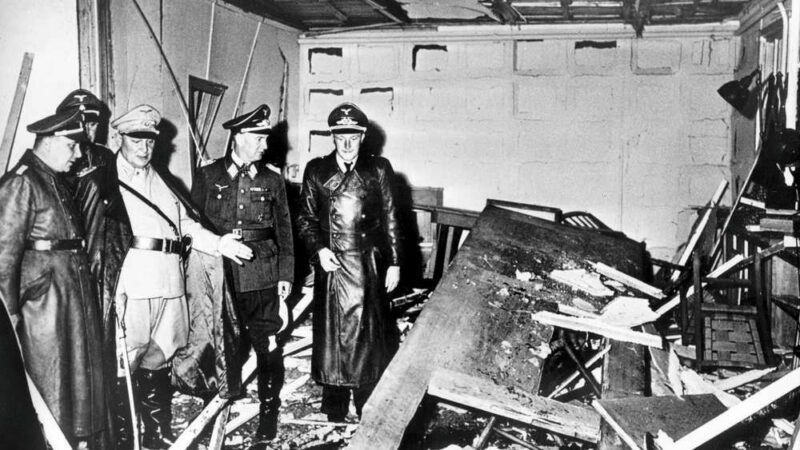
Göring after assassination attempt
Stauffenberg Assassination Attempt on Hitler and Attempted Coup on 20 July 1944: A Turning Point in WWII. Stauffenberg Assassination Attempt Read more
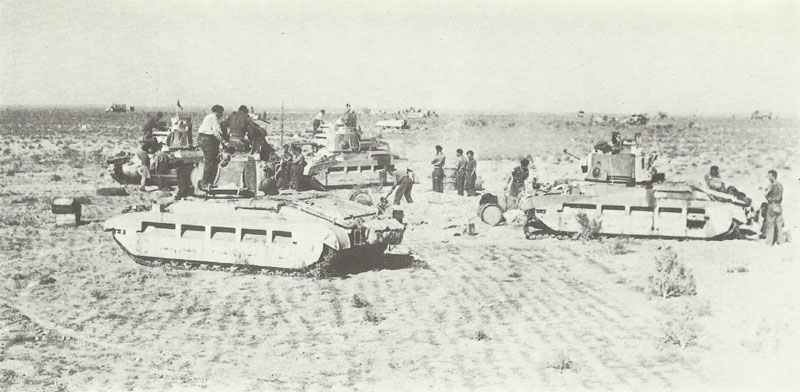
Matilda Dec 1940
In December 1940, British forces in North Africa kicked off their first real offensive against Italian troops who'd invaded Egypt Read more
German assault party Tobruk
The Siege of Tobruk, from April to December 1941 (Part II). Rommel’s attack on the defensive perimeter, trench warfare and Read more
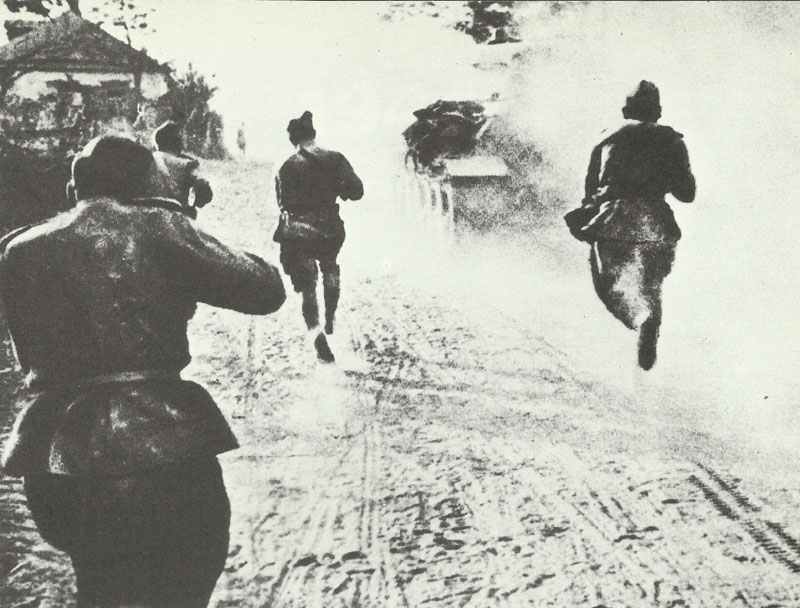
Begin of the Russian summer offensive in Byelorussia
Operation Bagration, the Soviet Summer Offensive 1944: Decisive Blow to German Army Group Center. Operation Bagration, the Soviet Summer Offensive Read more
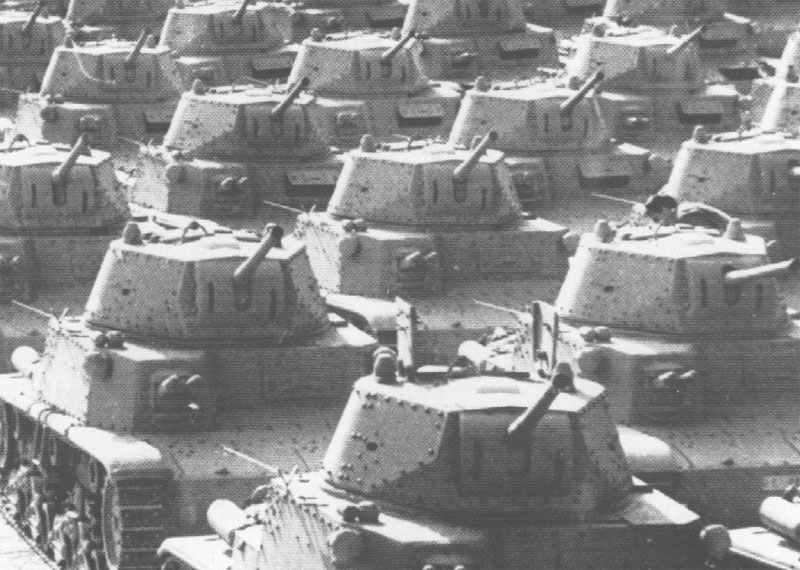
new Italian M14-41 tanks
Military production of the Axis Minors Italy, Hungary and Romania during the Second World War. By type of weapons and Read more
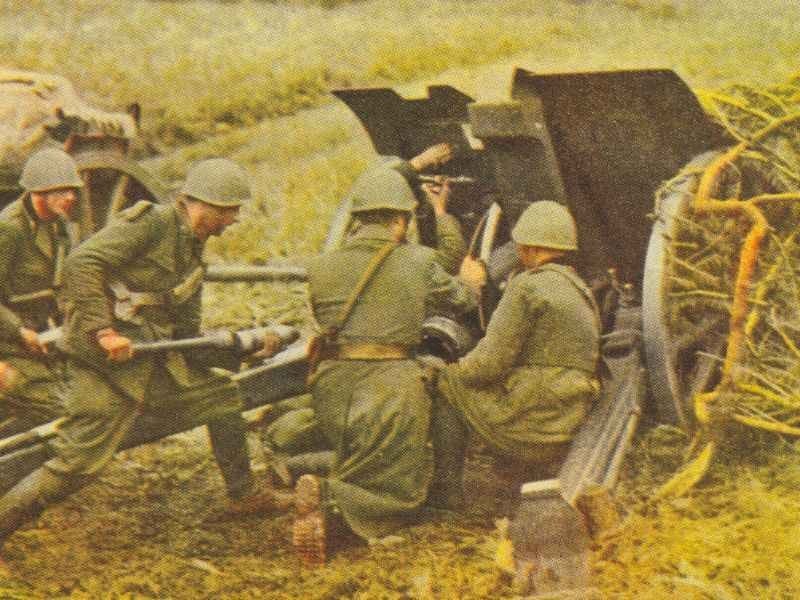
Italian artillery in action
The Italian attack on Greece on October 28, 1940: Causes, Battles, and Impact. On October 28, 1940, Italy launched an Read more
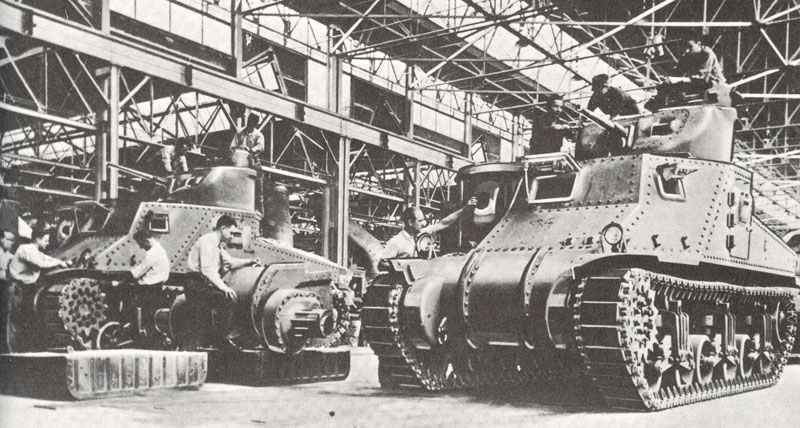
M3 Lee tanks under construction
All figures on the American defense industry (1939–1945). Detailed statistics on the production of tanks (Sherman), aircraft, ships, and raw Read more
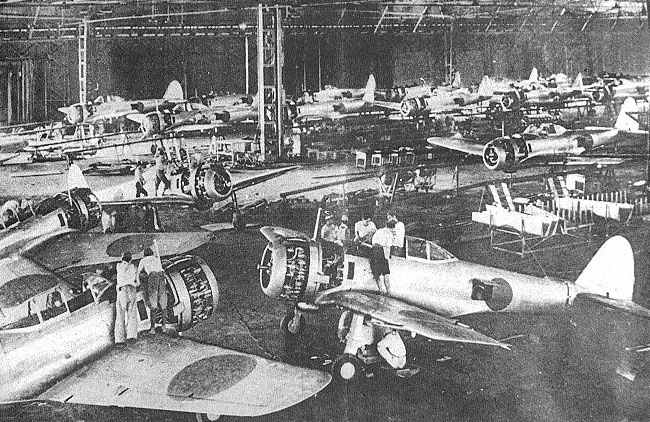
Japanes aircraft factory
Military production and imports of Japan in World War II. Japanese military production in WW2 During World War II, Japan’s Read more
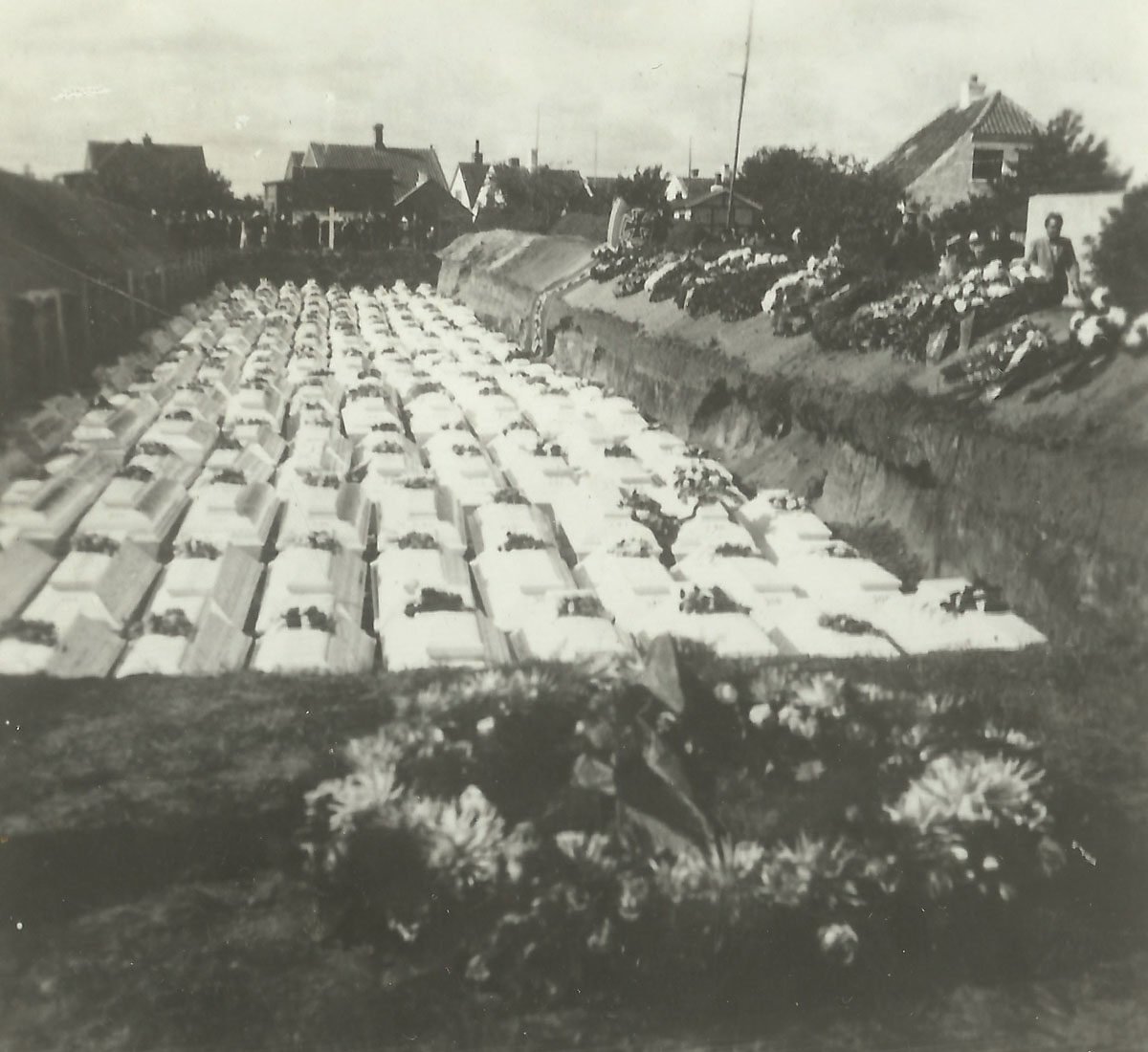
Pioneer Tombs
Losses and casualties during World War II. Military personnel and civilian losses, aircraft, warships and merchant ships of the combatants Read more
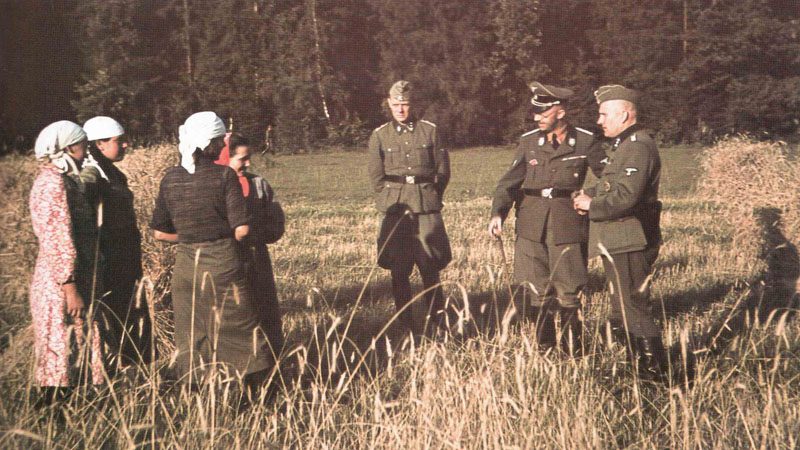
Himmler surveys women near Minsk
The 'Final Solution of the Jewish Question' with the Beginning of the Russian Campaign. An attempt at the chronological sequence Read more
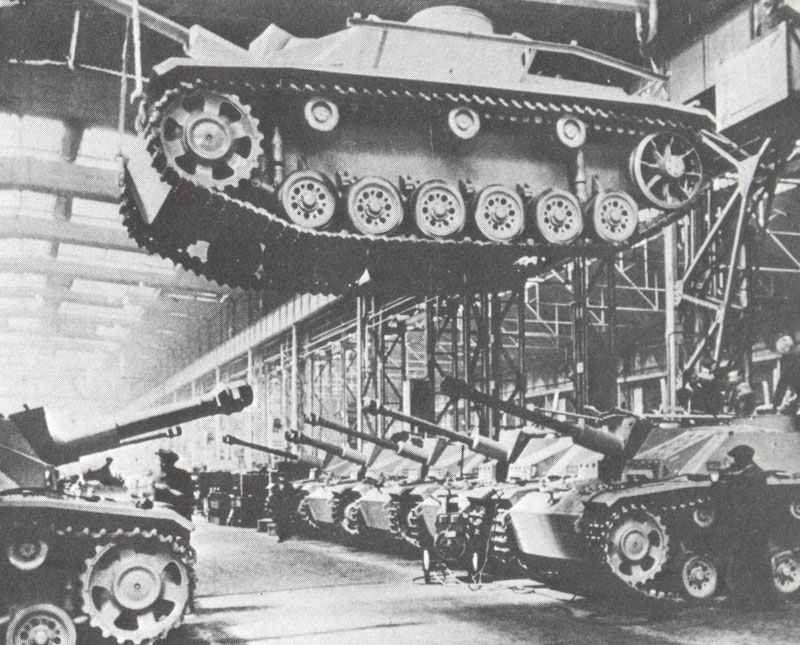
Final assembly of StuG assault guns.
Tanks, Assault guns, Self-propelled guns production in Germany during WW2. German AFV production of tanks, assault guns and self-propelled guns Read more
Exercise of German landing crafts
Operation 'Seelöwe' (Sea Lion): German Plan for the Invasion of Britain in WW2. After conquering France and much of Western Read more
US 1st Infantry Division lands at the bloody Omaha Beach
Operation Overlord: Unveiling the Allied Strategy for Normandy on D-Day. Operation Overlord: Unveiling the Allied Strategy for Normandy on D-Day Read more
Production of Russian KV-1
Comparison of military expenditures, distribution of vital strategic raw materials, oil and fuel production in World War II. Warmaking potential, Read more
Field Marshal Rommel in France.
Erwin Rommel Biography: Life, Military Legacy & The Desert Fox Story. Erwin Rommel stands out as one of World War Read more
Molotov at Berlin visit
Were there alternatives for Hitler to Operation Barbarossa ? Part II to the question 'Why the Germans invaded Russia ?' Read more
Operation Barabarossa
The German attack on the Soviet Union on June 22, 1941 - The beginning of the operation with the code-name Read more
Churchill's slogan: 'let us go forward together !'
Winston Churchill stands out as one of the most important figures of the 20th century. He served as Britain's Prime Read more
cloud of the first atomic bomb over Hiroshima
The development of the atomic bomb, the bombing of Hiroshima and Nagasaki, and Japan's surrender in 1945: origins, effects, and Read more
Panzer III under fire at Kursk
Battle of Kursk in July 1943, the greatest tank battle in military history. The strategic decisions, preparations, the German offensive Read more

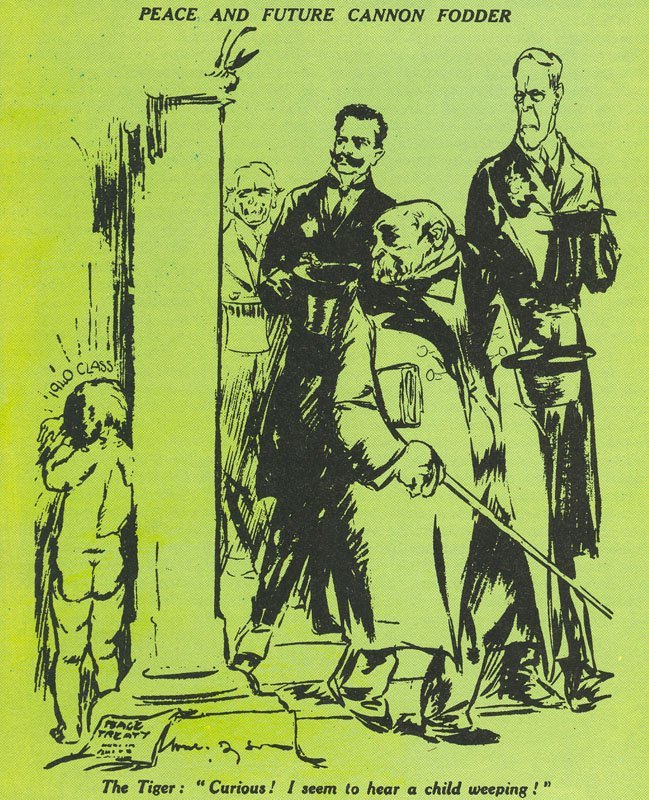
Prophetic cartoon from a US newspaper from 1920
Prophetic cartoon from a US newspaper from 1920 after the Treaty of Versailles which ended WWI – the French P.M. Clemenceau (nicknamed the ‘Tiger’) leaving the conference, which had met to ensure peace, hears one of the children it had doomed to become a soldier in 1940 weeping at his fate.
WW2 History defines that war as beginning in 1939 in Europe with the battles for Poland.
Post-Versailles Poland was a country of some 24 million. Poland was only 75 percent Polish; the rest was Russian or Ukrainian in the east or German in the west. The Polish Corridor (including the port of Danzig) not only was heavily German but separated East Prussia from the Fatherland, a source of tension that Hitler eagerly exploited.

Poland had beaten the Red Army during the Russian civil wars after 1918 and remained impressive enough to motivate France to sign a mutual defense treaty in the 1920s. But if the Poles detested Germany, they detested Russia even more and so rejected French entreaties to permit Soviet troops into Poland if Germany attacked.
By mid-1939 Hitler, deprived of war in Czechoslovakia, was committed to one in Poland. Despite the Franco-Polish treaty and the growing alarm in London, he did not think the West would interfere, particularly after he signed a startling nonaggression and trade pact with Premier Joseph Stalin that included a secret protocol allowing the Soviets to occupy eastern Poland in case of war.
Even so, the Poles did not altogether despair. They believed that France and Britain would eventually respond and that the Polish army could withstand the Wehrmacht for many months, long enough for the West to mobilize and confront Hitler with what he feared most – a two-front war. This proved only partly accurate. When the Germans attacked on September 1, France and Britain, after issuing an ultimatum, did declare war. But they intended less to fight for Poland, which they considered indefensible without Russian involvement, than to signal to Hitler that they would fight him at some point.
The Poles moreover did not hold out, largely because the Germans fought a war that emphasized surprise and velocity as well as firepower. However, WW2 History has begun…

[amazon_link asins=’B01LZ2MKAR,1465436022,0307475530′ template=’ProductGrid’ store=’wwto-20′ marketplace=’US’ link_id=’4baac33b-0362-11e7-bce1-a3f7e7879ea6′]

WW2 Weapons
Scroll to Top
Conflict of Nations - World War III