
A Comprehensive Analysis of Soviet Weapon and Equipment Losses During WWII
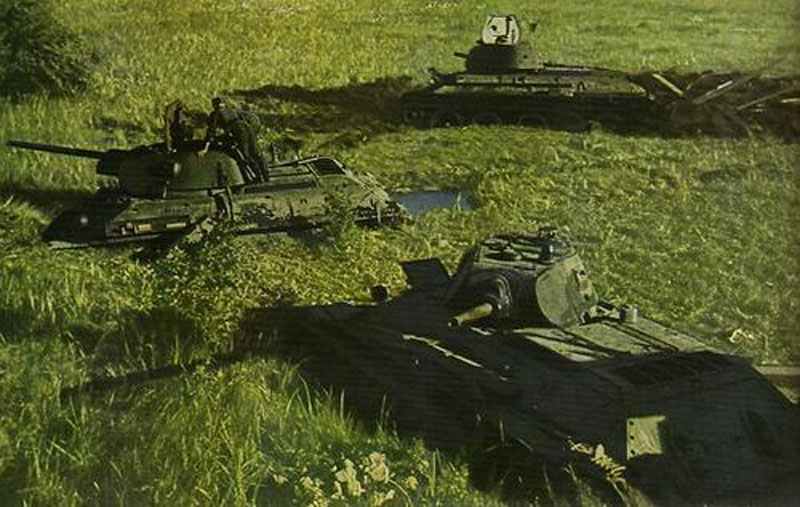
The Soviet Union lost enormous amounts of military equipment during World War II. Material losses reached staggering numbers across all branches of the armed forces.
The Red Army experienced devastating equipment losses, including tens of thousands of tanks, aircraft, and artillery pieces between 1941 and 1945. Soviet material losses ranked among the highest of any nation in the war.
Most of these losses happened on the Eastern Front, where some of the largest and most destructive battles in history unfolded. The high rate of Soviet casualties meant that experienced operators often died alongside their machines.

Understanding the scale of Soviet equipment losses gives important context for how the war was fought. The Soviet military industrial complex worked at full tilt to replace destroyed weapons and vehicles.
By 1943, production rates often outpaced loss rates. That allowed Soviet forces to keep numerical superiority despite relentless combat losses.
This industrial push was absolutely necessary, especially after the disastrous early years. The Red Army’s ability to recover from those initial blows still seems remarkable.
This examination covers the full scope of Soviet material losses during the conflict. Losses across different categories—aircraft, tanks, naval vessels—are all part of the picture.
It also looks at how these equipment losses tied into the massive human casualties suffered by Soviet forces. The long-term effects on the postwar period can’t be ignored either.
The Staggering Truth: Soviet Weapon and Equipment Losses During WWII Finally Revealed
For decades, the full scale of Soviet military losses during World War II remained shrouded in secrecy, propaganda, and political manipulation. It wasn’t until the collapse of the Soviet Union that historians could finally piece together the devastating reality of what the Red Army lost on the Eastern Front. The numbers, when finally revealed, shocked even seasoned military historians.
A History of Concealment
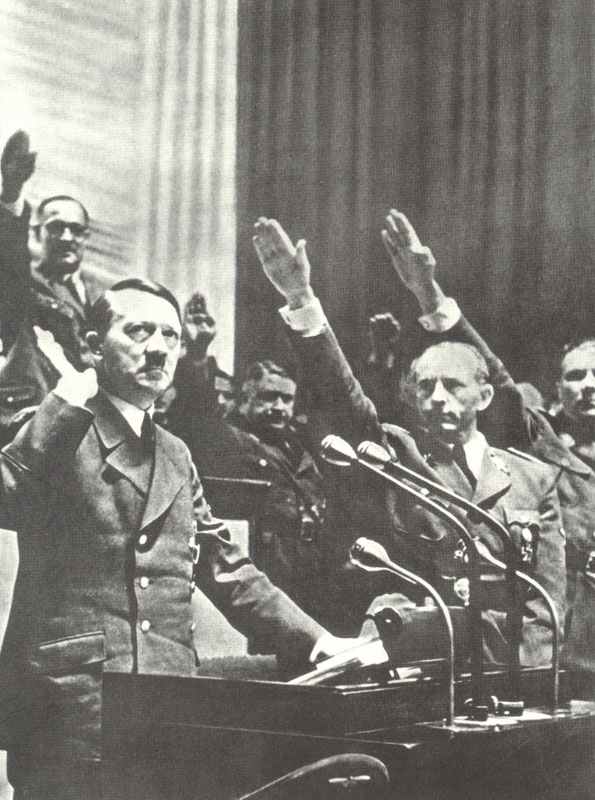
During and after World War II, Soviet authorities carefully controlled the narrative surrounding their military losses. When Adolf Hitler addressed the Reichstag on 11th December 1941, he claimed that from 22nd June to 1st December 1941 alone, German forces had:
– Destroyed or captured 21,391 Soviet tanks
– Seized 32,541 artillery pieces
– Downed or captured 17,322 aircraft
– Taken 3,806,865 Soviet prisoners of war
At the time, Soviet authorities dismissed these figures as the ravings of a war-mad dictator. For more than half a century, even many Western historians largely regarded German OKH (Army High Command) reports as inflated wartime propaganda. The truth, it turned out, was far more remarkable — and far more damning for Soviet historical credibility.
The Krivosheev Study: When the Truth Finally Emerged
Everything changed in 1993, when the first edition of a landmark statistical study — “The Seal of Secrecy Has Been Removed” — was published by Soviet/Russian military historian G.F. Krivosheev. This groundbreaking work, compiled from previously classified Soviet military archives, revealed something extraordinary:
It was not the Germans who had been exaggerating. If anything, the OKH reports were conservative.
The Soviets themselves, in their own declassified records, admitted to equipment and weapon losses that were significantly higher than even the German OKH staff reports had suggested. Far from propaganda, Hitler’s 1941 Reichstag figures turned out to be broadly consistent — or even understated — compared to Soviet internal records.
The Real Numbers: Soviet Losses in 1941
According to the Krivosheev statistical study, Soviet irrecoverable losses in 1941 alone included:
Armored Vehicles
– 20,500+ tanks lost irrecoverably (excluding approximately 3,000 wheeled and other AFV types)
Artillery
– 40,600+ artillery pieces, broken down as:
– 24,400 field guns and howitzers
– 12,100 anti-tank guns
– 4,100 anti-aircraft guns
Aircraft
– 21,200+ aircraft, including:
– 9,600 fighters
– 7,200 bombers
– 1,100 ground attack aircraft
These figures relate only to 1941 — the first six months of Operation Barbarossa. The losses across the entire war from 1941 to 1945 were, of course, vastly greater.
Why Does This Matter?
The correlation between German claims and Soviet-admitted losses has profound implications for how we understand the Eastern Front:
1. Historical accuracy: For decades, Soviet loss figures were politically manipulated, distorting our understanding of the war’s true scale.
2. Military capability: The sheer volume of equipment lost in 1941 makes the Soviet recovery and eventual victory even more remarkable.
3. Human cost: Equipment losses serve as a proxy for understanding personnel casualties — a topic that remains partially unresolved to this day, as the Soviet and Russian governments have never fully admitted to complete POW figures from 1941.
The Broader Picture
The Soviet Union’s ability to absorb these catastrophic losses and ultimately defeat Nazi Germany is one of the most extraordinary stories in military history. The country lost tens of thousands of tanks, aircraft, and artillery pieces in the opening months of the war, yet managed to rebuild, re-equip, and eventually field one of the most powerful military forces in history by 1943–1945.
According to Soviet Armed Forces Casualties in WW2, the Soviet Union suffered roughly 25 million war deaths in total — compared to 350,000 in Britain and 300,000 in the United States. The equipment losses detailed above help explain why the human cost was so enormous.
Conclusion
The story of Soviet weapon and equipment losses during WWII is ultimately a story about truth delayed. For half a century, political ideology suppressed historical fact. When the archives finally opened, the data confirmed what German records had suggested all along — the Eastern Front was a catastrophe of almost incomprehensible scale for the Soviet Union.
Understanding the true extent of these losses not only honors historical accuracy but also deepens our appreciation for the resilience of the Soviet people and military during one of history’s darkest chapters.
Overview of Soviet Weapon and Equipment Losses
The Soviet Union experienced massive equipment and weapon losses throughout World War II. Losses varied a lot across different categories and phases of the conflict.
These numbers reflected both the scale of the Eastern Front and the changing nature of Soviet combat effectiveness from 1941 to 1945.
Total Equipment Losses by Category
The Soviet military lost staggering amounts of equipment in every major category. Tank losses were especially severe, with the Red Army losing thousands of armored vehicles each year.
Artillery pieces—field guns and anti-tank weapons—suffered similarly high attrition rates. Aircraft losses hit the tens of thousands across the war.
The Soviet Air Force lost most of its pre-war aircraft in the first months of the German invasion. Small arms and infantry weapons disappeared in quantities that matched the scale of personnel losses.
Millions of small arms were lost during the chaos of 1941 retreats. Vehicle losses went beyond combat vehicles, including trucks, tractors, and other transport equipment crucial for military operations.
Sometimes, these losses even outpaced production rates. Lend-Lease programs from the Allies became essential to keep Soviet units moving and fighting.
Losses Compared to Other Major Powers
Soviet equipment losses dwarfed those of other Allied powers in raw numbers. The scale of combat on the Eastern Front meant Soviet forces faced more enemy units, more often, than American or British armies ever did.
In 1944, monthly Soviet equipment losses were much higher than American loss rates for the same period. German forces also suffered extreme equipment losses on the Eastern Front, but comparing exact numbers is tricky due to incomplete records.
By 1943, the Soviets lost and replaced more equipment than Germany could even produce. That’s a staggering feat of industrial output, even if Soviet loss rates remained higher.
British and American forces fighting in Western Europe saw lower attrition rates. Their monthly loss percentages for tanks and aircraft stayed below Soviet rates, even in tough battles.
Trends and Phases of Losses
The first six months of the war brought catastrophic Soviet losses. German forces captured or destroyed huge amounts of equipment as Soviet units were encircled and wiped out.
In 1941, the Soviets lost most of their pre-war tank fleet and aircraft inventory. These material losses often happened alongside millions of soldiers becoming prisoners of war.
Loss rates stayed high through 1942 and early 1943, but began to drop relative to force size. Soviet crews gained experience, and tactical changes helped cut down on unnecessary losses.
Production increases meant losses could be replaced faster. By 1944 and 1945, monthly loss percentages dropped even as the pace of operations picked up.
Soviet forces started getting better loss-exchange ratios against German units. The final year of the war still brought heavy losses, but Soviet factories kept the armies supplied.
Impact on Soviet War Effort
Equipment losses shaped Soviet operational planning and strategy. High attrition forced constant training of new crews and rebuilding of battered units.
The need to replace losses drove Soviet production priorities. Foreign assistance—especially from the United States and Britain—helped supply vehicles, aircraft, and raw materials that kept Soviet armies moving.
Lend-Lease aid proved crucial for maintaining mobility and logistics. Even with all this strain, Soviet forces kept up their offensives after 1943.
They managed to keep advancing despite heavy equipment attrition. That ability to take losses and keep going really shows the scale and effectiveness of Soviet mobilization.
Data on Soviet Weapons and Equipment Losses 1941-1945 (after Krivosheev)
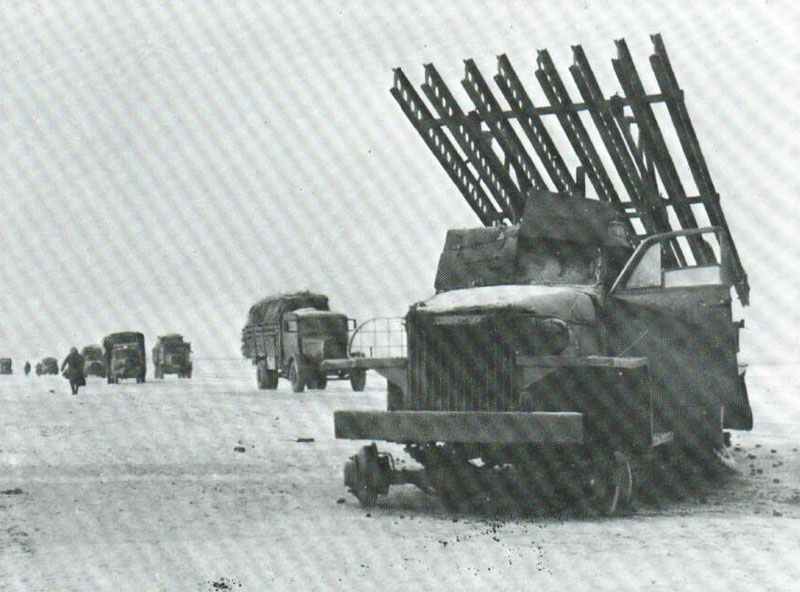
Small Arms and MGs
Category | 1941 | 1942 | 1943 | 1944 | 1945 | Total |
|---|---|---|---|---|---|---|
Revolver&Pistols | 440,000 | 390,000 | 80,000 | 150,000 | 60,000 | 1,120,000 |
Rifles&Carbines | 5,550,000 | 2,180,000 | 1,126,000 | 1,610,000 | 670,000 | 11,270,000 |
SMGs | 100,000 | 550,000 | 530,000 | 840,000 | 260,000 | 2,280,000 |
LMGs | 134,700 | 76,700 | 82,800 | 106,100 | 27,200 | 427,500 |
MMGs | 54,700 | 24,500 | 21,000 | 38,200 | 12,900 | 151,300 |
HMGs | 1,400 | 4,900 | 900 | 1,900 | 900 | 10,000 |
Anti-Tank Rifles | 8,800 | 86,900 | 46,600 | 56,500 | 15,200 | 214,000 |
Anti-tank guns
Category | 1941 | 1942 | 1943 | 1944 | 1945 | Total |
|---|---|---|---|---|---|---|
45mm AT guns | 12,000 | 11,300 | 5,200 | 8,200 | 3,500 | 40,200 |
57mm AT guns | 100 | 200 | 300 | 1,100 | 500 | 2,200 |
Totals | 12,100 | 11,500 | 5,500 | 9,300 | 4,000 | 42,400 |
Anti-aircraft guns
Category | 1941 | 1942 | 1943 | 1944 | 1945 | Total |
|---|---|---|---|---|---|---|
25mm AA guns | 100 | – | 100 | 300 | 100 | 600 |
37&40mm AA guns | 1,200 | 600 | 400 | 500 | 400 | 3,100 |
76-85mm AA guns | 2,800 | 900 | 300 | 200 | 100 | 4,300 |
Totals | 2,800 | 900 | 300 | 200 | 100 | 8,000 |
Artillery
Category | 1941 | 1942 | 1943 | 1944 | 1945 | Total |
|---|---|---|---|---|---|---|
76mm guns (all types) | 12,300 | 10,100 | 5,000 | 10,800 | 5,800 | 44,000 |
100-107mm guns | 400 | 100 | – | – | 100 | 600 |
122mm howitzers | 6,000 | 1,500 | 600 | 1,200 | 700 | 10,000 |
122mm guns | 900 | – | – | 100 | – | 1,000 |
152mm howitzers | 2,600 | 200 | – | 100 | 100 | 3,000 |
152mm gun/howitzers | 2,100 | 400 | 100 | 100 | 100 | 2,800 |
203mm and above | 100 | – | – | – | – | 100 |
Totals | 24,400 | 12,300 | 5,700 | 12,300 | 6,800 | 61,500 |
Mortars
Category | 1941 | 1942 | 1943 | 1944 | 1945 | Total |
|---|---|---|---|---|---|---|
50mm mortars | 38,000 | 37,300 | 13,300 | 8,500 | 2,400 | 99,500 |
82mm mortars | 18,500 | 34,800 | 10,300 | 14,600 | 3,700 | 81,900 |
107-120mm mortars | 4,000 | 10,100 | 3,100 | 5,800 | 900 | 23,900 |
Totals | 60,500 | 82,200 | 26,700 | 28,900 | 7,000 | 205,300 |
Rocket Artillery
Category | 1941 | 1942 | 1943 | 1944 | 1945 | Total |
|---|---|---|---|---|---|---|
BM-8 rocket launchers | – | 300 | 500 | 500 | 100 | 1,400 |
BM-13 rocket launchers | – | 400 | 1,600 | 1,000 | 400 | 3,400 |
BM-31-12 rocket launchers | – | – | – | – | 100 | 100 |
Totals | 0 | 700 | 2,100 | 1,500 | 600 | 4,900 |
Tanks
Category | 1941 | 1942 | 1943 | 1944 | 1945 | Total |
|---|---|---|---|---|---|---|
Heavy tanks (KVs, ISs) | 900 | 1,200 | 1,300 | 900 | 900 | 5,200 |
Medium tanks (T-34s) | 2,300 | 6,600 | 14,700 | 13,800 | 7,500 | 44,900 |
Light tanks (T-26s, BTs, T-70s etc) | 17,300 | 7,200 | 6,400 | 2,200 | 300 | 33,400 |
Totals | 20,500 | 15,000 | 22,400 | 16,900 | 8,700 | 83,500 |
Tracked SP guns
Category | 1941 | 1942 | 1943 | 1944 | 1945 | Total |
|---|---|---|---|---|---|---|
Heavy (SU-152, ISU-152) | – | 30 | 500 | 900 | 900 | 2,330 |
Medium (SU-85, SU-100) | – | – | 100 | 1,000 | 1,000 | 2,100 |
Light (SU-76) | – | 30 | 500 | 4,900 | 3,100 | 8,530 |
Totals | 0 | 60 | 1,100 | 6,800 | 5,000 | 12,960 |
Wheeled & Other Types of AFVs
Category | 1941 | 1942 | 1943 | 1944 | 1945 | Total |
|---|---|---|---|---|---|---|
all types | 3,000 | 9,000 | 12,500 | 12,500 | 600 | 37,600 |
Motor Vehicles
Category | 1941 | 1942 | 1943 | 1944 | 1945 | Total |
|---|---|---|---|---|---|---|
all types (incl Lend-Lease trucks) | 159,900 | 66,200 | 67,000 | 32,600 | 27,000 | 351,800 |
Aircraft
Category | 1941 | 1942 | 1943 | 1944 | 1945 | Total |
|---|---|---|---|---|---|---|
Bombers (SB, DB, Pe) | 7,200 | 2,500 | 3,600 | 3,200 | 1,400 | 17,900 |
Ground Attack (Il-2, Su-2) | 1,100 | 2,600 | 7,200 | 8,900 | 3,800 | 23,600 |
Fighters (MiG, Yak, La) | 9,600 | 7,000 | 11,700 | 12,700 | 5,800 | 46,800 |
Other types (recon, transport etc) | 3,300 | 2,600 | 4,200 | 5,700 | 2,300 | 18,100 |
Totals | 21,200 | 14,700 | 26,700 | 30,500 | 13,300 | 106,400 |
Naval Vessels
Category | 1941 | 1942 | 1943 | 1944 | 1945 | Total |
|---|---|---|---|---|---|---|
Surface ships (larger ships) | 121 | 46 | 22 | 21 | 2 | 212 |
Military cutters (small vessels) | 168 | 159 | 210 | 141 | 22 | 700 |
Submarines | 36 | 37 | 19 | 9 | 1 | 102 |
Aircraft and Air Force Equipment Losses
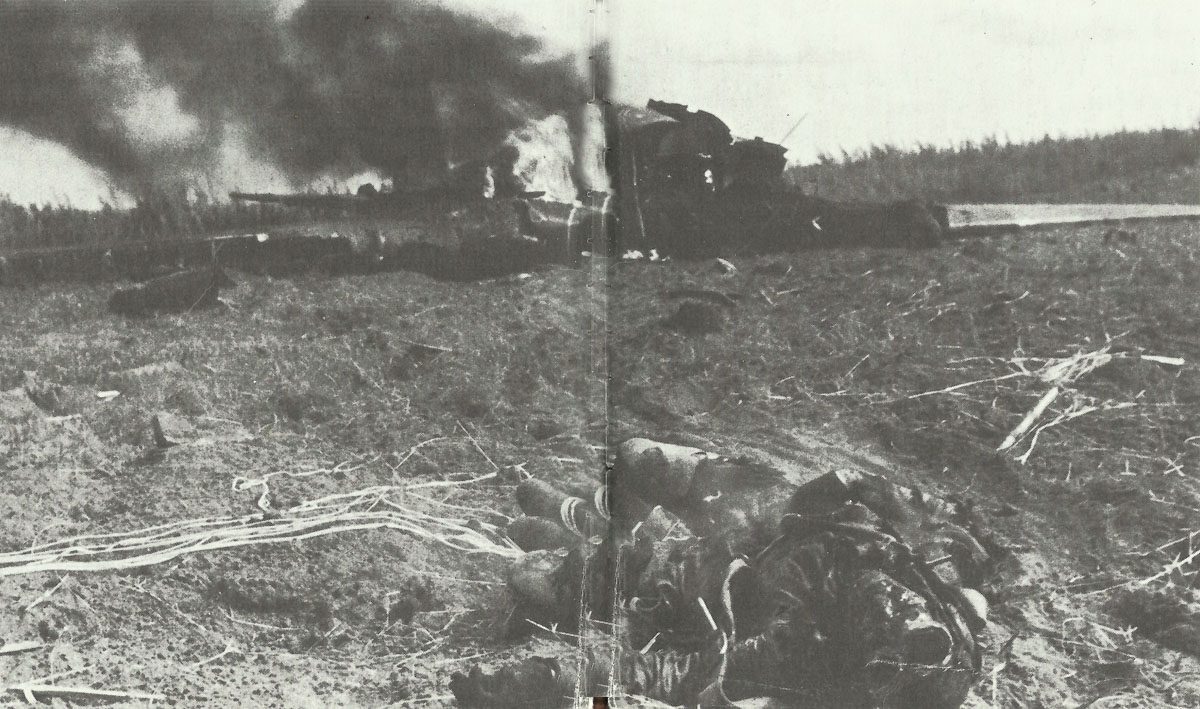
The Soviet Air Force suffered massive aircraft losses during World War II. Total losses exceeded 106,400 aircraft, including about 88,300 combat types.
The early stages of the war were especially brutal. Obsolete equipment and tactical failures led to catastrophic losses in the first weeks of the German invasion.
Combat and Non-Combat Aircraft Losses
Soviet aircraft losses happened through both combat and non-combat causes. About 88,300 aircraft were lost in combat, and another 18,100 went down due to training accidents, mechanical failures, and other non-combat reasons.
The first week of Operation Barbarossa in June 1941 was devastating. German forces destroyed thousands of Soviet aircraft—many caught on the ground during the initial surprise attack.
The Soviet Air Force had around 400,000 personnel and between 10,000 to 15,000 aircraft at the time of the German invasion. About 7,500 Soviet aircraft were deployed in the Western theatre when the war began.
These units faced overwhelming German air superiority from day one. The odds were stacked against them.
Types of Aircraft Lost
The Soviet Air Force lost a wide variety of aircraft. Obsolete models like the Polikarpov I-15 and I-16 fighters, along with Tupolev SB bombers, made up a big chunk of early losses.
These older planes just couldn’t match the speed or firepower of their German opponents. The technology gap hit especially hard in 1941 and early 1942.
Many Soviet pilots had to fly outdated fighters that lacked speed, armament, and armor. As the war progressed, newer Soviet aircraft like the Yak-1, Yak-3, Yak-9, and the Ilyushin Il-2 started to appear in larger numbers.
Role of Lend-Lease Aircraft
American and British aircraft delivered through Lend-Lease helped make up for Soviet losses. These foreign planes filled critical gaps in air capability, especially during the middle years of the war.
Lend-Lease aircraft included fighters, bombers, and transport planes. Soviet forces used them across multiple fronts.
While Soviet factories ramped up production, these imported aircraft gave immediate relief to battered air units. They helped Soviet commanders keep their air strength up while the aviation industry recovered from early disruptions.
 Lend-Lease tanks and aircrafts
Impact on Soviet Air Superiority
Early aircraft losses crippled the Soviet Air Force’s ability to contest air superiority. German forces controlled the skies for months after the invasion began.
The loss of experienced pilots made things even worse. Replacement pilots often got rushed into combat with minimal training, which led to continued high loss rates through 1942.
Soviet air units struggled to support ground forces or defend against German bombing raids. By 1943, though, improved aircraft production, better pilot training, and sheer numbers started to turn the tide.
The Soviet Air Force rebuilt its strength and began to challenge German air dominance. Superior numbers eventually made up for lingering technical disadvantages.
Armored Vehicles and Ground Equipment Losses
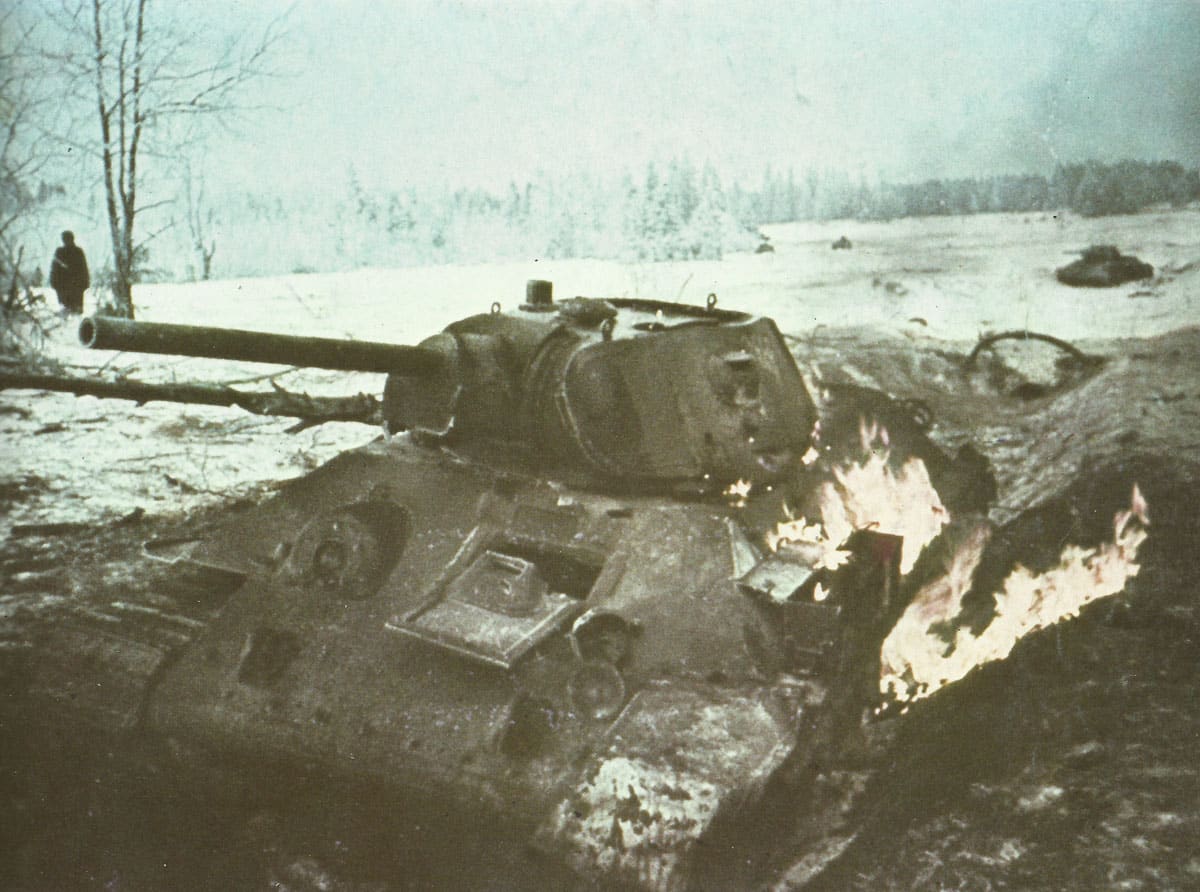
The Soviet Union lost massive amounts of armored vehicles and ground equipment during World War II. Tank losses reached into the tens of thousands, and artillery pieces were destroyed in equally staggering numbers.
These combat losses reflected both the scale of fighting on the Eastern Front and Soviet willingness to accept high equipment attrition to keep up offensive pressure. It’s hard to imagine any other army absorbing losses like this and staying in the fight.
Tank and Self-Propelled Gun Losses
Soviet tank losses during WWII were enormous. The Red Army lost about 96,500 tanks and self-propelled guns from 1941 to 1945.
These losses came from direct combat, mechanical failures, and vehicles abandoned during retreats. The worst losses happened in 1941 and 1942, when German forces destroyed or captured thousands of Soviet tanks.
In 1942 alone, Soviet armored vehicle losses far exceeded German losses in the same category. The exact ratios are still debated by historians.
Soviet industry replaced these losses through massive tank production. Factories rolled out new T-34 medium tanks and other vehicles at rates that eventually surpassed German output.
The Soviets also recovered and repaired damaged tanks whenever possible, sending them back to the front lines.
Production and losses of tanks (Soviet vs German)
Artillery, Mortars, and Anti-Tank Weapons
Artillery losses were another huge problem. The Red Army lost roughly 317,000 artillery pieces and mortars over the course of the war.
This included field guns, howitzers, anti-tank guns, and all sorts of mortars. Anti-tank weapons took especially heavy losses during defensive actions.
Soviet forces often placed these guns right up front, where they faced direct German attacks. Many crews fought to the end, and their equipment was lost when positions were overrun.
Soviet doctrine favored massive artillery barrages, with huge numbers of guns used for major offensives. This approach led to higher exposure and losses, but it broke German lines when it worked.
Infantry Weapons and Personal Equipment
Small arms losses reached into the millions. The Soviet Union lost about 6 million rifles and carbines during the war.
Machine gun losses hit around 340,000, and submachine gun losses topped 1.5 million. Weapons disappeared through combat, capture, and abandonment during retreats.
The early war period saw especially high losses when entire units were surrounded and wiped out. Sometimes, soldiers just ditched damaged or empty weapons while trying to escape.
Soviet industry kept up production, turning out simple but effective designs like the PPSh-41 submachine gun and Mosin-Nagant rifle in massive numbers.
Naval and Maritime Equipment Losses
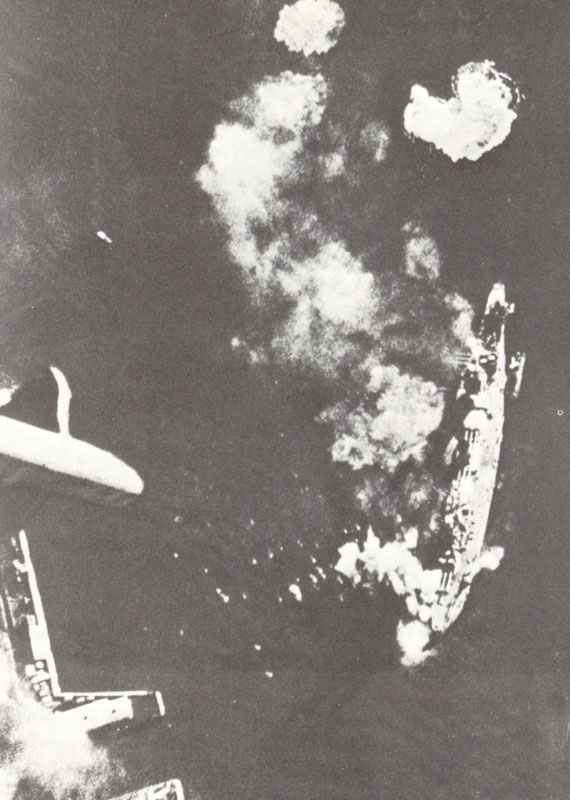
The Soviet Navy suffered substantial losses in World War II, though naval operations were always secondary to the land war. The fleet mostly played defensive roles in the Baltic Sea, Black Sea, and Arctic waters.
Soviet ships faced German and Axis naval forces while supporting Red Army operations on land. The scale of naval losses, while significant, never reached the levels seen in the land campaigns.
Warship Losses and Damages
The Soviet Navy lost a big chunk of its surface fleet during the war. One battleship went down, along with several cruisers and dozens of destroyers.
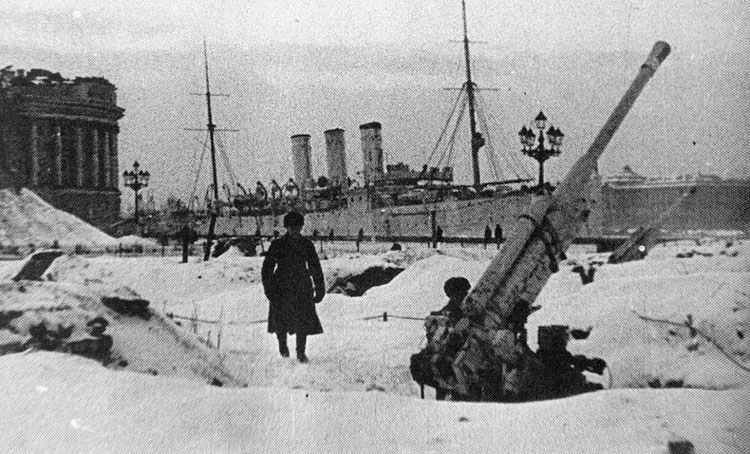
The Baltic Fleet took especially hard hits during the German invasion. Many ships got trapped in Leningrad while the city was under siege.
German air attacks hammered Soviet warships both in port and at sea. The Luftwaffe bombed the training cruiser Aurora in Leningrad, and the Soviets scuttled it to keep it from falling into German hands.
They later recovered and repaired Aurora in 1944. Destroyers and smaller vessels often didn’t fare much better—mines, air strikes, and surface battles claimed many of them.
The Black Sea Fleet managed to stay more operational, but still suffered losses. Riverine gunboats and monitors did surprisingly well, operating on major rivers and even fighting in the Battle of Berlin on the Spree River.
Submarine and U-Boat Engagements
Soviet submarine losses climbed to about 100 vessels during the war. The Baltic Sea became a graveyard for Soviet submarines, with German anti-submarine tactics and minefields causing heavy casualties.
Many subs went down trying to break through German blockades. Soviet subs struggled against well-coordinated German defenses, and their limited training and doctrine made things tougher compared to the Germans’ U-boat crews.
Most Soviet submarine successes came from mining and reconnaissance, not direct combat. They mostly stuck to coastal defense, supporting Red Army needs rather than hunting enemy ships aggressively.
Correlation with Soviet Casualties and POW Losses
Soviet weapon and equipment losses during World War II closely tracked with personnel casualties, especially in big operations during 1941-1942. The Red Army lost about 6.4 million soldiers to battlefield deaths, and equipment losses followed the same grim pattern.
Total Soviet casualties soared as the front lines shifted with every major encirclement and retreat. The destruction was staggering.
Relationship Between Equipment and Personnel Losses
Soviet combat losses and equipment destruction stayed tightly linked throughout the war. When Red Army units took heavy casualties, they usually lost tanks, artillery, and other weapons in similar proportions.
In 1941 alone, roughly 1.75 million Soviet soldiers died in regular forces. These huge losses happened alongside the destruction or capture of thousands of tanks, aircraft, and artillery pieces.
The German advance often wiped out entire Soviet armies and all their gear. Sometimes, equipment losses even outpaced the number of soldiers lost, especially when Soviet troops abandoned working vehicles during chaotic retreats.
After 1943, better logistics and training helped the Soviets hang onto more of their equipment, even when the fighting got rough.
Soviet Prisoners of War and Equipment Surrender
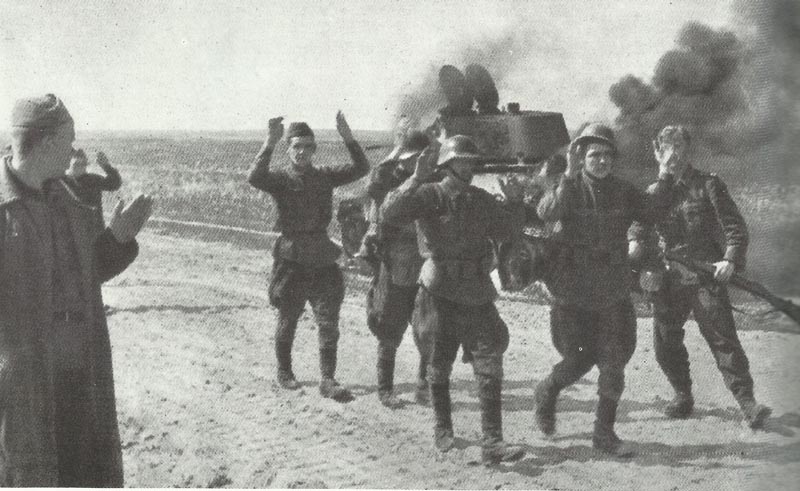
Soviet POWs became a massive source of equipment losses. German forces captured millions of Soviet soldiers in 1941-1942, seizing weapons and vehicles in the process.
The encirclements at Kiev, Vyazma, and Bryansk alone led to hundreds of thousands of Soviet POWs. Each captured soldier usually meant the loss of a rifle, ammo, and personal gear.
The Germans stripped these POWs of all equipment right after surrender. Entire tank brigades and artillery regiments sometimes fell into German hands, their equipment basically untouched.
POW losses pushed total Soviet casualties to around 27 million by the end of the war. In 1941, equipment lost through surrenders sometimes matched or even surpassed what was destroyed in combat.
Losses During Major Operations
Operation Barbarossa hit Soviet forces like a sledgehammer. The 1941 German invasion cost the Red Army most of its pre-war equipment and millions of soldiers through death, wounds, and capture.
Strategic operations that year wiped out entire Soviet armies. The Wehrmacht took 750,000 casualties by December 1941, but Soviet losses were far higher.
The Eastern Front’s casualty numbers are still a hot topic for historians. Every major battle saw hundreds of tanks and aircraft destroyed, along with huge numbers of troops.
From 1942 to 1945, the link between casualties and equipment losses stayed clear. Soviet records show that the worst fighting always meant the biggest weapon and equipment losses.
Postwar Consequences and Legacy of Soviet Losses
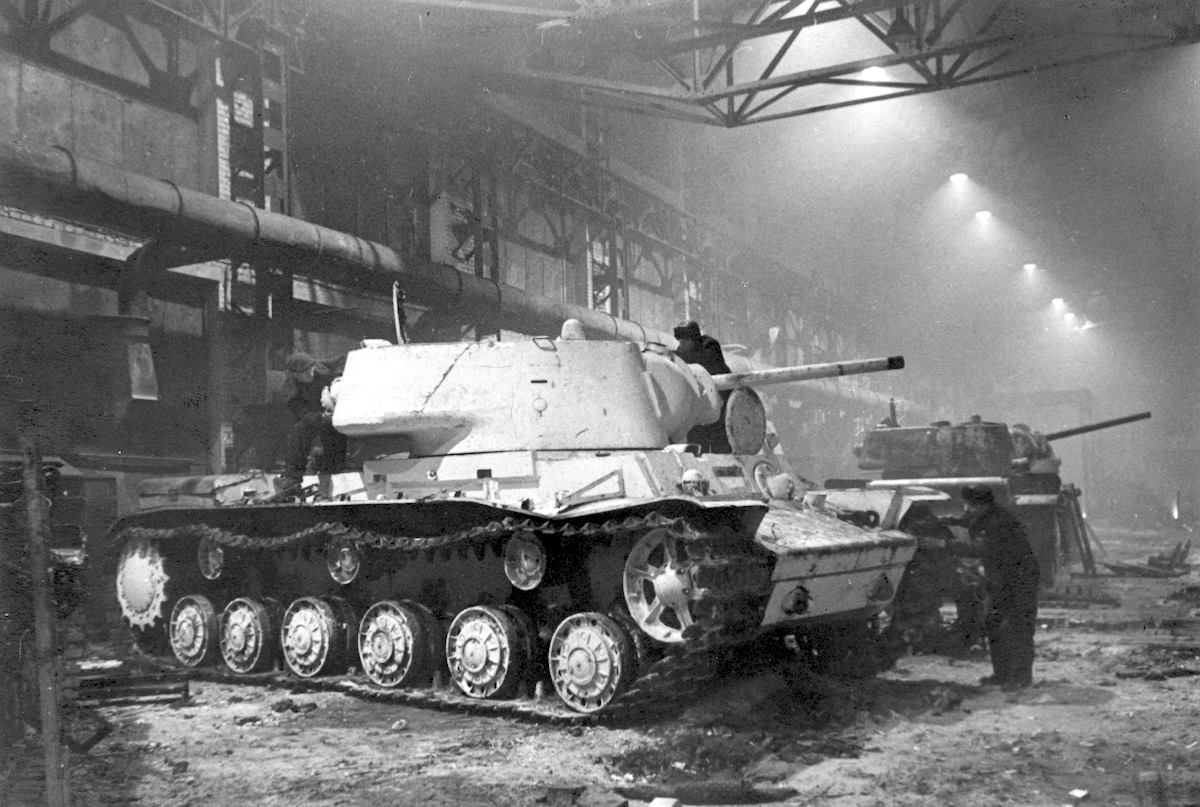
All the weapon and equipment losses during WWII forced the Soviet Union to face massive challenges rebuilding its military and industry. These losses shaped economic recovery and changed how the military approached doctrine and record-keeping for decades.
Economic Impact and Industrial Recovery
The Soviet economy took a beating from WWII casualties and material destruction. The war wiped out 31,850 industrial establishments and forced production facilities to move across the country.
By 1945, a quarter of the Soviet Union’s capital resources were gone. Soviet industry had shifted east during the war to avoid German occupation, keeping much of its military production alive.
After the war, those factories stayed in the east and kept churning out weapons. Agricultural and industrial output in 1945 lagged far behind prewar numbers.
The government sent workers into labor battalions to rebuild infrastructure. Losing 25 million housing units made recovery even harder.
The Soviet push into Eastern Europe after the war helped offset some of the damage. Gaining access to industrial resources and factories across half the continent gave the USSR raw materials and manufacturing power to speed up reconstruction.
Influence on Postwar Soviet Military Doctrine
Soviet military losses in WWII left a deep mark on how leaders planned for defense. Losing so many tanks, planes, and other gear in 1941-1942 pushed them to focus on bigger stockpiles and backup production lines.
The military stuck with mass production of weapons. Planners insisted on equipment reserves well above peacetime needs, figuring the first wave of losses could be disastrous.
They kept multiple production lines running for key weapons. The Red Army also reorganized supply and logistics to avoid the shortages that plagued them early in the war.
Units started getting more spare parts and maintenance tools by default. It was a lesson learned the hard way.
Historical Reassessment and Record Keeping
The Soviet Union spent decades struggling to admit the true scale of its WWII casualties and equipment losses. Official records stayed classified or incomplete, making it tough for historians to get a clear picture.
The Central Archive of the Ministry of Defence of the Russian Federation (TsAMO RF) held personnel files that offered more detailed loss data. These became available only after the Soviet collapse, which finally let researchers update earlier estimates from 1941 to 1945.
Tracking weapon and equipment losses was especially messy. Different agencies counted destroyed or captured gear in different ways, and connecting personnel losses with equipment losses took a lot of digging through newly opened archives.
Frequently Asked Questions
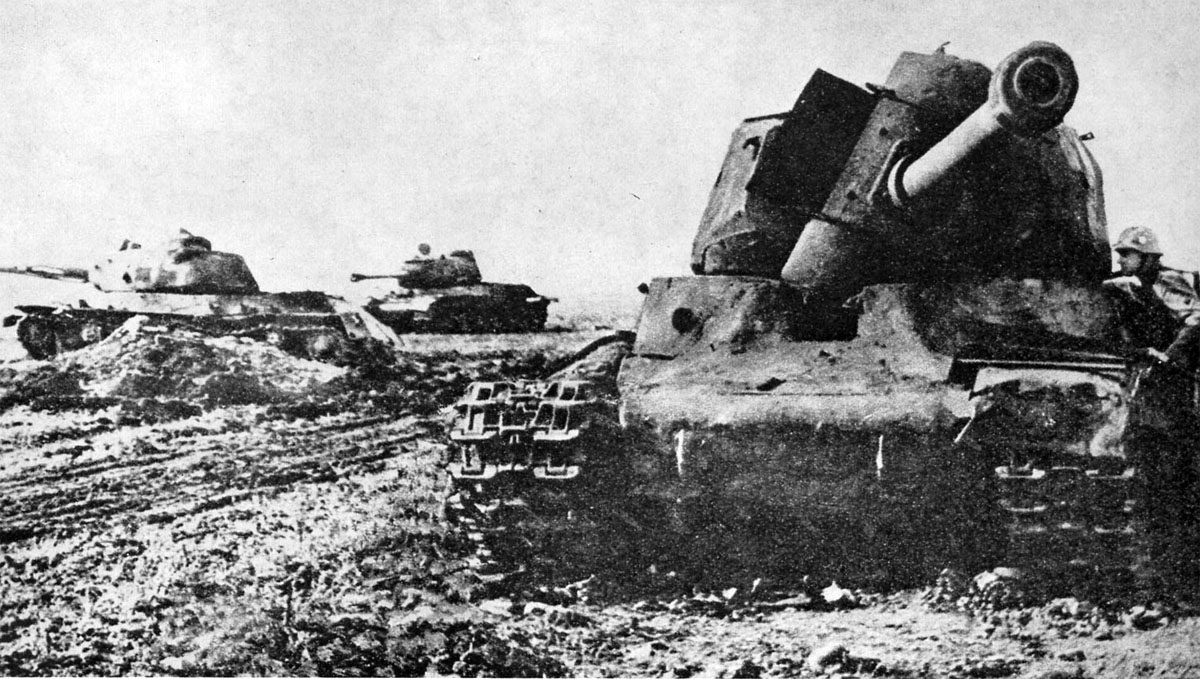
Soviet equipment losses in World War II reached mind-boggling numbers—millions of weapons destroyed or captured. The scale of destruction matched the sheer size of the Eastern Front and the brutal combat that defined the Nazi-Soviet war from 1941 to 1945.
How many tanks did the Soviet Union lose during World War II?
The Soviet Union lost about 96,500 tanks and self-propelled guns during the war. This number includes combat losses and vehicles abandoned due to breakdowns or running out of fuel during retreats.
Soviet factories built around 105,000 armored vehicles during the war. The worst losses came in 1941, when German forces destroyed thousands of Soviet tanks in just a few months.
What was the extent of Soviet military equipment losses in comparison to the other Allied powers?
Soviet equipment losses dwarfed those of other Allied powers. The USSR fought most of the German ground forces, so their material losses shot up accordingly.
Britain and the United States saw fewer land battles and lost much less equipment. The Eastern Front caused 80-90% of German military casualties, so Soviet troops faced more intense and relentless combat than their western allies.
What types of weapons were most commonly lost by the Soviet forces throughout the war?
Small arms, artillery, and tanks made up the bulk of Soviet weapon losses. The Red Army lost about 317,000 artillery pieces of all types during the war.
Aircraft losses hit around 106,400 planes. The Soviet Air Force replaced these mostly through nonstop production and some Allied lend-lease deliveries. Infantry weapons like rifles and machine guns were lost in the millions, but exact numbers for small arms are tough to pin down.
How did Soviet arms production during WWII compare to the losses they suffered?
Soviet arms production kept pace with or even outpaced losses in most categories by 1942. Factories moved east of the Urals kept churning out weapons, even as the Germans overran western industrial areas.
Tank production reached about 105,000 units, versus losses of 96,500. Aircraft production totaled around 157,000 planes, with 106,400 lost. The Soviets built 516,000 artillery pieces during the war, way more than the 317,000 lost in combat.
What were the primary causes of equipment loss for the Soviet Union during the conflict?
Combat destruction claimed most Soviet equipment. German forces destroyed huge numbers of weapons and vehicles, especially in 1941 and 1942.
Retreats added to the losses, as Soviet troops often had to abandon damaged or stuck vehicles while falling back. When the Germans encircled and captured entire Soviet units—especially early in Operation Barbarossa—tons of equipment fell into enemy hands almost untouched.
Can we quantify the number of civilian versus military losses in the USSR during World War II?
The USSR lost about 26.6 million people during World War II. Out of this number, around 8.7 million were military deaths, while civilian deaths reached roughly 17.9 million.
Civilian losses came from direct military action and harsh occupation policies. German forces and their allies killed civilians through massacres, forced labor, starvation, and widespread destruction.
Millions of Soviet POWs died in captivity because of neglect and mistreatment. The war destroyed 6 million buildings that housed about 25 million people, leaving many exposed without shelter and adding to the civilian death toll.
References and literature
Operation Barbarossa: the Complete Organisational and Statistical Analysis, and Military Simulation, Volume IIIB (Nigel Askey)
Soviet Tanks and Combat Vehicles of World War Two (Steven J. Zaloga, James Grandsen)
World War II – A Statistical Survey (John Ellis)