
Operations Brevity and Battleaxe were two British offensives launched in May and June 1941 along the Egypt-Libya frontier. Both aimed to recapture key border positions, relieve pressure on the besieged port of Tobruk, and set the stage for a bigger push into Cyrenaica.
These battles happened during the height of the Western Desert Campaign and played a significant role in the Second World War. Neither operation hit its targets, but they marked a highlight in the broader 1941 North Africa campaign.
Brevity and Battleaxe work best as a sequence: Brevity tested Axis frontier defenses in mid-May, and Battleaxe, launched a month later with more armor and infantry, tried to build on those lessons for a bigger win. Both fell short of breaking the Axis position and exposed major problems in British armored doctrine, coordination, and logistics.
Between the two operations, the Germans retook Halfaya Pass in Operation Skorpion, beefed up their anti-tank defenses, and waited. When Battleaxe hit, those defenses were ready.

The outcome forced the British to rethink their approach, exposing deep structural issues. Fixing those would end up taking longer than either Wavell or Churchill expected.
Why The Frontier Battles Mattered In 1941
The frontier battles of spring and summer 1941 grew out of the collapse of the British position in Cyrenaica and the sudden arrival of the Afrika Korps. Rommel’s rapid counteroffensive reversed the gains of Operation Compass and pushed Commonwealth forces back to the Egyptian border.
Tobruk held out, though, creating a strategic knot that neither side could untangle.
From Operation Compass To Rommel’s Counterstroke
Operation Compass, launched in December 1940, destroyed the Italian 10th Army and drove British and Commonwealth forces nearly 500 miles into Libya. By February 1941, the advance stalled because of supply shortages and the loss of experienced divisions to Greece.
The German answer was Operation Sonnenblume, which brought the Afrika Korps—mainly the 5th Light Division and 15th Panzer Division—to Tripoli under Generalleutnant Erwin Rommel. Rommel didn’t wait for his full force to assemble. He struck while the British were overstretched and understrength.
By April 1941, the entire Cyrenaican position had collapsed.
Tobruk, Cyrenaica, And The Pressure On British Command
The fall of Cyrenaica left Tobruk as an isolated garrison about 100 miles inside Libya. The 9th Australian Infantry Division and attached British units held the port, supplied by sea, and threatened Rommel’s supply lines back to Tripoli.
Rommel focused his main strength on besieging Tobruk. That left the frontier zone around Bardia, Sollum, Halfaya Pass, and Fort Capuzzo thinly held by Axis forces.
The capture of Bardia was less important compared to the passes. That shaped British planning for Brevity and Battleaxe, since it made it seem possible to recapture the frontier without a massive offensive.
Archibald Wavell, Winston Churchill, And The Push For Action
General Archibald Wavell, commander of British Middle East Command, knew his forces were depleted by the Greek campaign and Rommel’s counteroffensive. The Western Desert Force had to be reorganized under Lieutenant General Noel Beresford-Peirse after losing two senior commanders.
Winston Churchill pushed hard for action to relieve Tobruk. That pressure drove both Brevity and Battleaxe forward, maybe before conditions were really ready. The tension between Churchill’s urgency and Wavell’s caution is obvious in the planning and execution of both offensives.
Operation Brevity: Plan, Advance, And Withdrawal
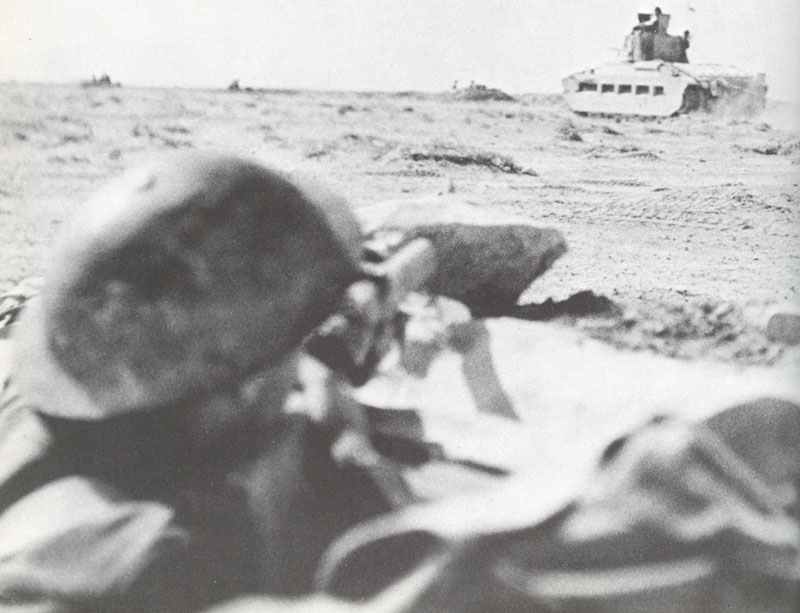
Brevity was meant as a quick strike against what Wavell saw as weak Axis frontier positions. The plan split the attacking force into three columns, each with its own axis of advance, aiming to grab key ground quickly and deal damage before German reserves could react.
British Objectives At Halfaya Pass, Sollum, And Fort Capuzzo
The main targets were Halfaya Pass, the town of Sollum, and Fort Capuzzo. Halfaya Pass controlled the escarpment between the coastal plain and the desert plateau—essential for any westward advance in force.
Fort Capuzzo sat deeper inside Libya and offered a useful staging point for a push toward Sidi Azeiz and maybe Tobruk. A secondary goal was to advance toward Tobruk as far as supplies would allow, but without risking a deep unsupported move.
The operation aimed to set up better conditions for the larger Battleaxe offensive in June. Success hinged on speed and holding ground against mobile armor.
William Gott’s Columns And The Opening Attack On 15 May 1941
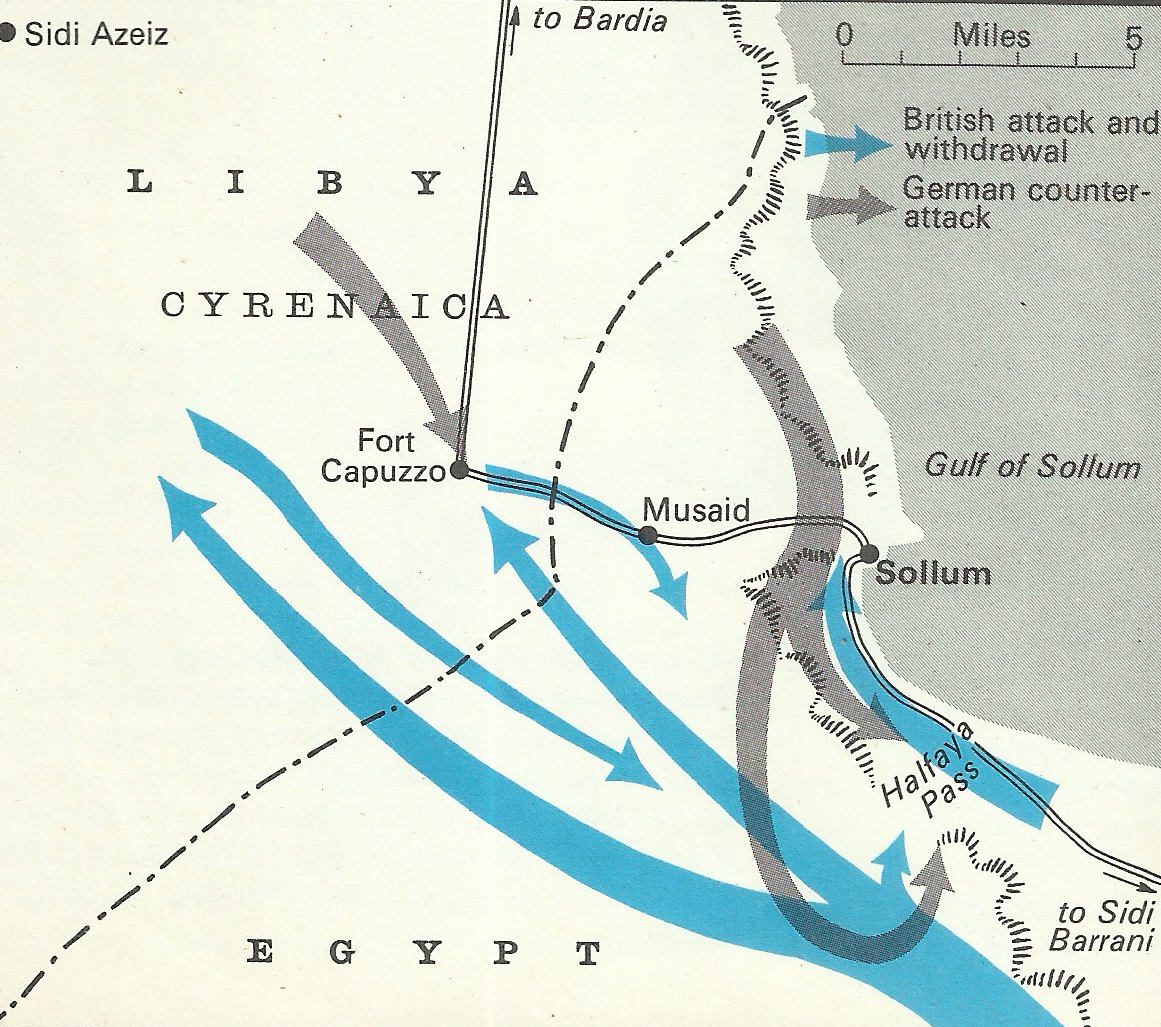
Brigadier William Gott led the operation with three parallel columns. The northern coast group advanced along the coast road toward the lower Halfaya Pass and Sollum.
The central 22nd Guards Brigade group, including the 1st Durham Light Infantry, 2nd Scots Guards, and the 4th Royal Tank Regiment’s infantry tanks, aimed at the top of the pass, Bir Wair, Musaid, and Fort Capuzzo. On the desert flank, the 7th Armoured Brigade group moved toward Sidi Azeiz.
This group had cruiser tanks from the 2nd Royal Tank Regiment and armoured cars from the 11th Hussars, with support from Jock columns of the 7th Support Group. The attack kicked off at dawn on 15 May 1941.
The central column took the top of Halfaya Pass after heavy resistance from Italian Bersaglieri and anti-tank guns, but lost seven tanks. They captured Fort Capuzzo too.
Early results looked good, and the Axis high command was caught off balance.
The Counterattack By Kampfgruppe von Herff
Colonel Maximilian von Herff, commanding Kampfgruppe von Herff, put together the German response on the desert plateau. His force included tanks from the 2nd Battalion of Panzer Regiment 5, an Italian motorized infantry battalion, and artillery.
Von Herff’s counterattack hit Fort Capuzzo on the afternoon of 15 May, causing heavy casualties and retaking the fort. Hans Cramer’s armored units pressed the British hard, and German armored pressure on the center and flank threatened to trap the British in the open.
Why Brevity Ended After Early Success
Gott decided his force faced the risk of being outflanked and hit by German armor in open ground without enough support. He ordered a staged withdrawal to Halfaya Pass on 16 May.
The operation ended after a day of serious fighting. The withdrawal wrapped up Operation Brevity, and the British had little to show for it.
Halfaya Pass stayed in British hands at the end of Brevity—a small gain, really. Eleven days later, German forces under Operation Skorpion retook the pass, wiping out even that.
The frontier settled back to its pre-Brevity status, and the British shifted focus to Battleaxe.
Operation Battleaxe: Larger Ambitions, Heavier Losses
Battleaxe was much bigger than Brevity, with about 25,000 troops and over 200 tanks. It aimed to do more than just recapture the frontier—it wanted to destroy the Afrika Korps’ armor, relieve Tobruk, and maybe even push as far as Derna and Mechili.
The gap between those ambitions and what the British could actually do was huge. Despite the planning, Operation Battleaxe ran into the same tactical problems as before.
Noel Beresford-Peirse And The Three-Stage Offensive
Lieutenant General Noel Beresford-Peirse commanded Battleaxe from Western Desert Force headquarters. His plan had three main phases: capture the frontier positions at Halfaya Pass and Fort Capuzzo, engage and destroy the German armored reserve, then advance to relieve Tobruk and push toward El Adem, Derna, and Mechili.
The attacking force split into groups roughly by coast, escarpment, and desert flank. The 4th and 7th Armoured Brigades formed the armored core.
This was the first time the Crusader tank saw combat. Infantry support came from the 22nd Guards Brigade, including the 2nd Scots Guards, 1st Durham Light Infantry, and the 2nd Rifle Brigade.
The Royal Air Force sent fighters and bombers to help, but air coordination with ground forces stayed patchy throughout the operation.
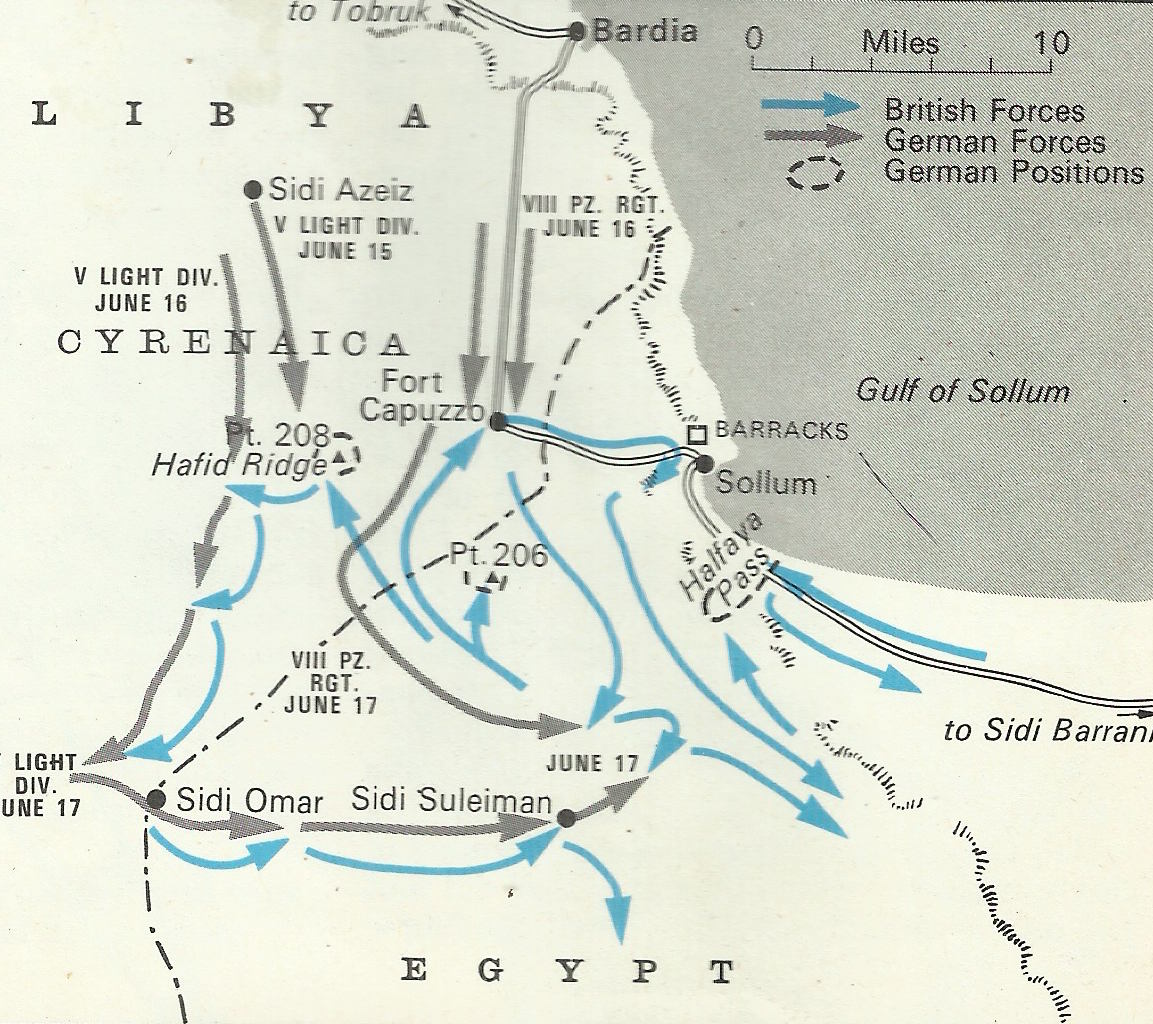
Fighting At Halfaya Pass, Fort Capuzzo, And Hafid Ridge
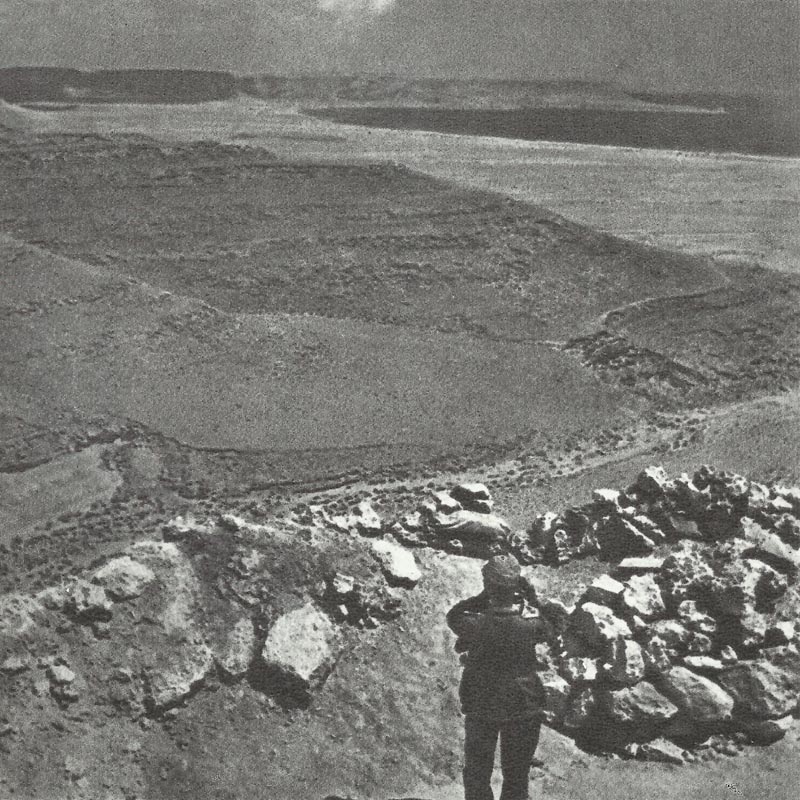
The assault kicked off on 15 June 1941. At Halfaya Pass, the Germans had fortified their positions after Operation Skorpion, and the attacking infantry and Matilda tanks ran straight into intense anti-tank fire.
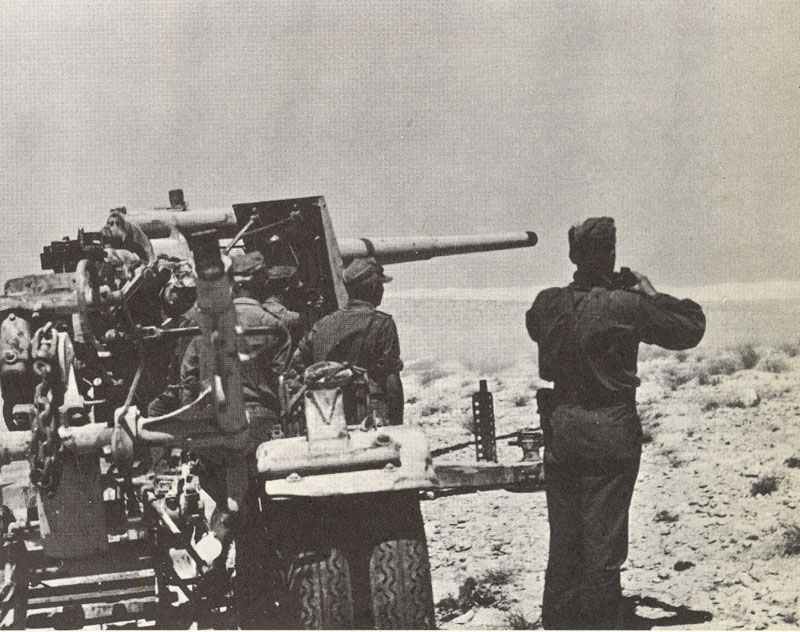
German 88mm guns covered the approaches and knocked out a large number of Matildas. The pass stayed in Axis hands.
Fort Capuzzo changed hands during the first day. The escarpment group managed the operation’s clearest success.
Hafid Ridge, given to the 7th Armoured Brigade’s cruiser tanks, turned into a killing ground. German anti-tank guns held the ridge, and both the 4th and 7th Armoured Brigades lost heavily engaging them.
By 16 June’s end, British armored strength had been badly reduced. The two Royal Tank Regiment units, including the 2nd Royal Tank Regiment, took serious losses around Hafid Ridge and Sidi Suleiman.
The Road Toward Tobruk, El Adem, Derna, And Mechili
The advance toward Tobruk and deeper objectives at El Adem, Derna, and Mechili never really got going. Frontier armored battles ate up the striking power needed to push west.
Rommel saw his chance after the British armor was weakened and tried a wide flanking move through Sidi Suleiman to cut off British formations. Beresford-Peirse had to commit his last reserves defensively instead of pressing the attack.
With no mobile anti-tank support, Operation Battleaxe stalled out.
Why Battleaxe Failed To Break The Axis Position
By 17 June, British tank strength was a shadow of its opening numbers. The operation ended there.
British casualties for the three days reached 122 killed, 588 wounded, and 259 missing. German losses came to 93 killed, 350 wounded, and 235 missing, while the Italians lost about 592 men.
The Axis anti-tank defense, the strength of the Halfaya Pass garrison, and Rommel’s handling of his armored reserve all shaped the outcome. British armored units went in piecemeal and didn’t coordinate well with infantry.
Commanders, Units, And Equipment On Both Sides
Both operations drew on similar British and Axis formations. Looking at the specific units involved helps make sense of why each fight played out the way it did.
The balance of armor types and anti-tank weapons was central to the outcome at every contested point.
British Armoured And Infantry Formations
The main British armored formations in both operations were the 7th Armoured Division, the 7th Armoured Brigade with its cruiser tanks, and the 4th Armoured Brigade. The 2nd Royal Tank Regiment (2nd RTR) brought cruiser tanks for Brevity, and both armoured brigades played major roles in Battleaxe.
Infantry came from the 22nd Guards Brigade, including the 2nd Scots Guards and the 1st Durham Light Infantry. The 2nd Rifle Brigade supported the northern coastal sector.
The 11th Hussars operated armoured cars on the desert flank. They screened and scouted ahead of the main columns.
Afrika Korps Reserves And Frontier Defenders
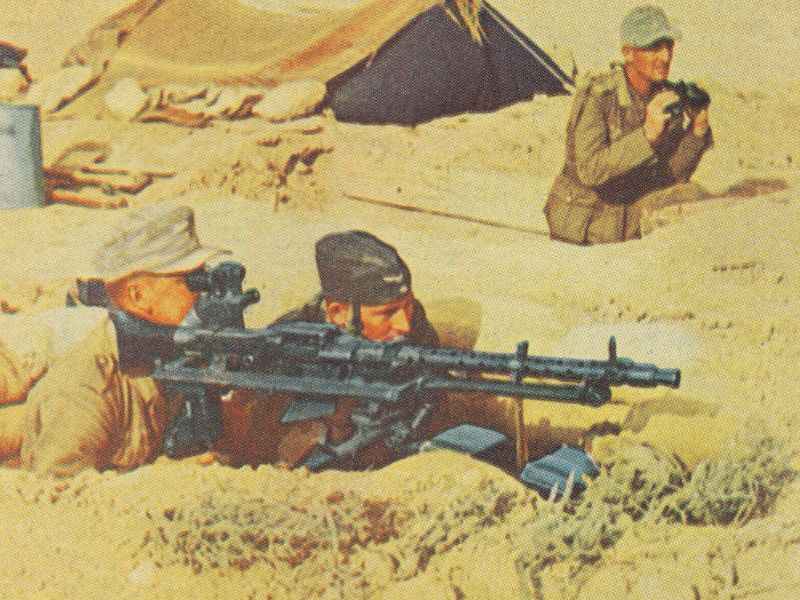
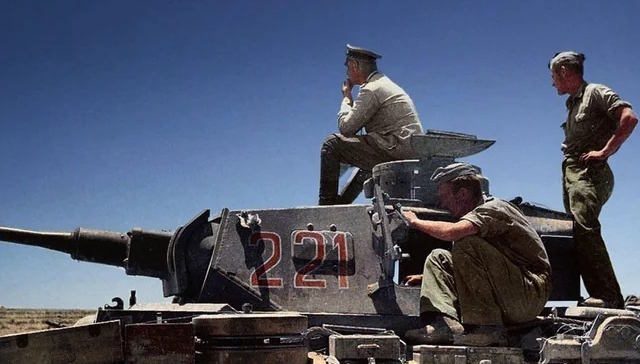
The Afrika Korps frontier defense used elements of the 15th Panzer Division and the 5th Light Division. Panzer Regiment 8 brought armored striking power during Battleaxe.
Kampfgruppe von Herff controlled the forward positions during Brevity and led the counterattack that retook Fort Capuzzo. Italian formations, including units of the Trento Division, held parts of the frontier line alongside German troops.
Lieutenant Giacinto Cova’s Italian anti-tank positions at Halfaya Pass during Battleaxe helped destroy British armor on the first day.
Matilda Tanks, Cruiser Tanks, Panzer III, And Anti-Tank Guns
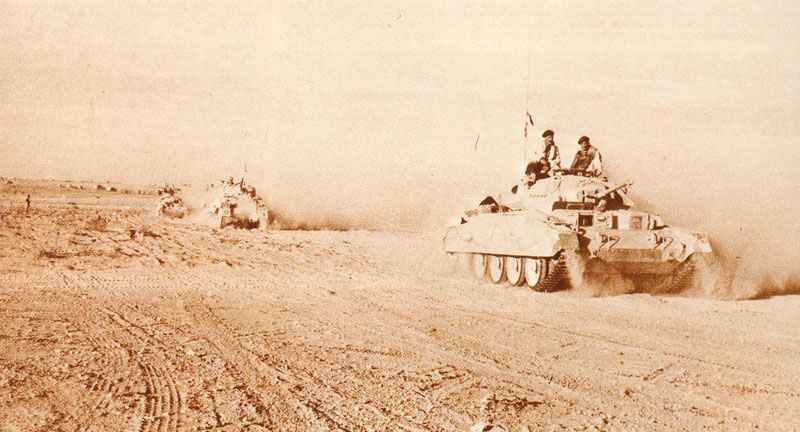
The British fielded two main tank types. The Matilda, an infantry tank with heavy armor, was mostly immune to standard German anti-tank guns, but it was slow and had limited range.
Cruiser tanks were faster but more lightly armored and often broke down in desert conditions.
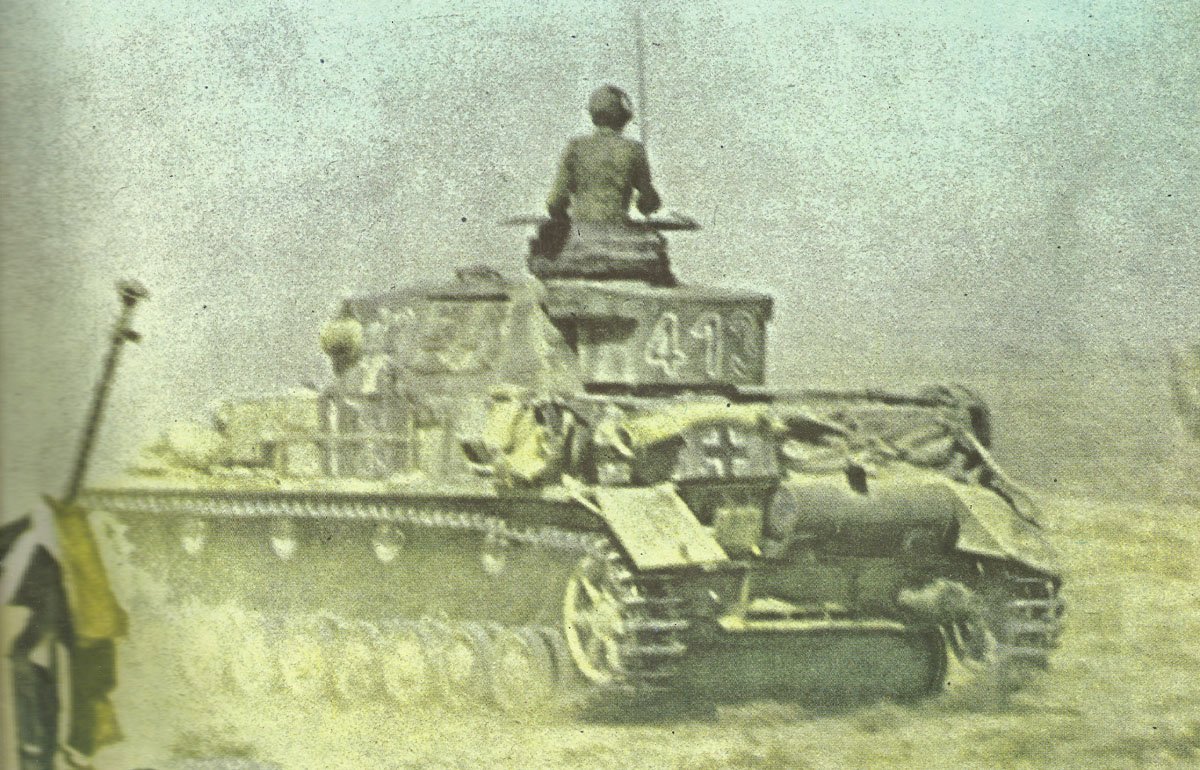
The Germans used the Panzer III as their main medium tank, backed up by strong anti-tank gun positions. The 88mm anti-aircraft gun, used in an anti-tank role at Halfaya Pass, could knock out Matildas at ranges beyond what British guns could answer.
This gap in anti-tank capability was probably the single most important equipment factor in both operations.
Tactical Lessons From The Frontier Fighting
The frontier fights at Halfaya Pass, Sollum, and Fort Capuzzo between May and June 1941 showed some clear tactical lessons, even if British command took a while to catch on. The pattern of each fight points to consistent problems in how British armored and infantry forces worked together.
Tank Combat In North Africa And The Limits Of British Armour
British armored doctrine at the time leaned on tank formations as the main striking tool, but didn’t tie in infantry or anti-tank guns well. Cruiser tanks went up against prepared defenses, where German anti-tank guns took a heavy toll.
The Matilda’s armor made it tough against infantry and standard anti-tank guns, but its slow speed left it open to flanking fire and especially to the 88mm gun. The Royal Air Force helped in both operations but couldn’t reliably take out German anti-tank guns.
The desert environment itself often set the pace. Technical failures in the Crusader tank and other vehicles just added to British frustrations during these months of desert war.
Terrain, Supply, And The Importance Of Halfaya Pass
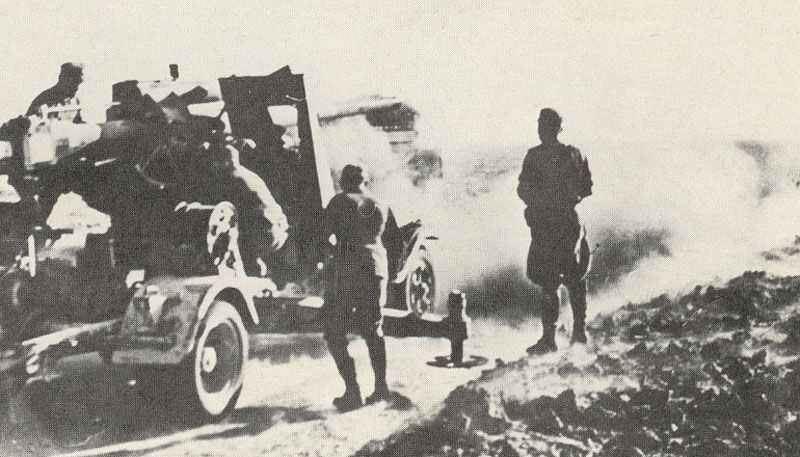
Halfaya Pass was the key piece of ground on the frontier. Whoever held it could move between the coastal plain and the desert plateau in force.
Any column trying to cross from Egypt into Libya had to use the pass or take a long, tough detour. The Western Desert’s open ground favored defenders with anti-tank gun screens, since attacking armor had almost no cover and had to cross flat, exposed ground.
Supply lines from Egypt were long. Those from Tripoli to Axis positions were even longer, which limited how far either side could push offensively.
German Tank Losses, Local Counterattacks, And Operational Recovery
German tank losses in Brevity and Battleaxe were real enough. Panzer Regiment 5 took hits in the Brevity counterattack, and the fighting around Halfaya Pass and Hafid Ridge in Battleaxe cost both sides dearly.
The difference? Germans used their armor more selectively, committing it against weakened British units instead of smashing into prepared defenses. Their local counterattacks, like Kampfgruppe von Herff’s move at Fort Capuzzo, were quick and well-timed.
Rommel had a knack for regrouping and hitting the flanks when British armor was already worn down. That kept forcing the British back onto the defensive.
Consequences For The Desert Campaign
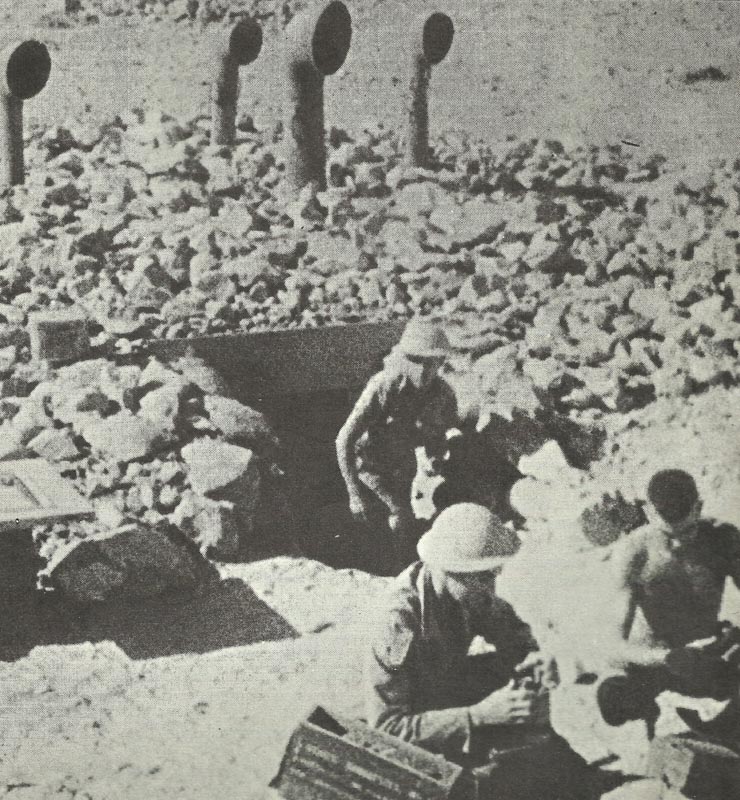
Both offensives failed to change the frontier situation much. Tobruk stayed under siege.
These battles ended up shaping British planning for months afterward, right up to November 1941. The impact was bigger than it might look at first glance—command appointments and equipment needs came under heavy review.
From Brevity To Skorpion To Battleaxe
The sequence from Brevity through Operation Skorpion to Battleaxe shows a pretty clear Axis ability to recover lost ground and toughen up positions between British attacks. After Brevity, the Germans retook Halfaya Pass in under two weeks and beefed up its anti-tank defenses before Battleaxe even started.
Operation Tiger, a British convoy, delivered tanks and aircraft to Egypt in May 1941. Most of the armored strength used in Battleaxe came from that shipment.
Losing so many tanks in Battleaxe left Wavell with little to offer Churchill for any new offensive.
Effects On Tobruk And The Border Front
Tobruk stayed besieged throughout. Neither Brevity nor Battleaxe managed to pull off enough Axis strength from the siege lines to ease pressure on the garrison.
The port kept getting supplied by sea, but always at great risk and cost. The border front stabilized after Battleaxe, with Axis forces holding Halfaya Pass, Sollum, and Bardia.
Both sides spent the next few months rebuilding armor strength and improving defenses along the frontier.
What These Setbacks Revealed Before Later British Offensives
The combined losses from Brevity and Battleaxe added up to over 900 British casualties. Tank attrition was so bad that it forced a strategic pause until Operation Crusader in November 1941.
Claude Auchinleck replaced Archibald Wavell as Middle East commander in July 1941, partly because of Battleaxe’s failure. The change at the top showed that British leadership recognized the real problems exposed during the frontier fighting—especially in armored doctrine, coordination, and anti-tank tactics—needed a new approach before another big offensive.
Frequently Asked Questions
What were the main objectives and outcomes of the British offensives in the Western Desert in spring and summer 1941?
Operation Brevity, launched on 15 May 1941, aimed to capture Halfaya Pass, Sollum, and Fort Capuzzo and set up conditions for something bigger. Operation Battleaxe, launched on 15 June 1941, tried to destroy the Afrika Korps’ armor and relieve Tobruk.
Both operations grabbed some ground early but got pushed back by German counterattacks and anti-tank defenses. In the end, neither side made lasting gains.
How did these operations influence the siege of Tobruk and the wider North African campaign?
Neither offensive managed to pull away enough Axis strength to ease the siege of Tobruk. The town stayed surrounded until Operation Crusader in November 1941.
The combined losses forced a strategic pause and led to Wavell being replaced by Auchinleck. The setbacks forced the British to rethink their armored tactics for future battles.
What forces and commanders were involved on both sides, and how did their plans differ?
For the British, Brigadier William Gott commanded Brevity with the 22nd Guards Brigade and parts of the 7th Armoured Division. Lieutenant General Noel Beresford-Peirse led Battleaxe with a bigger force, including the 4th and 7th Armoured Brigades.
The Axis frontier was held by Kampfgruppe von Herff and later by parts of the 15th Panzer Division and 5th Light Division under Erwin Rommel. British plans counted on column advances and armored sweeps, while the Axis defense relied on strong anti-tank positions and fast counterattacks with armor.
What were the key battles and turning points, and why did the offensives fail or succeed at specific stages?
In Brevity, grabbing the top of Halfaya Pass and Fort Capuzzo was an early win, but Von Herff’s afternoon counterattack took back the fort and threatened the British force. In Battleaxe, failing to take Halfaya Pass on the first day and losing cruiser tanks at Hafid Ridge to German anti-tank guns crippled the British armored force.
Rommel’s flanking move on 17 June forced the final British withdrawal.
Where can I find reliable maps and primary-source documents to trace the movements and engagements?
You’ll find detailed operational maps and order-of-battle data in Thomas Jentz’s Tank Combat in North Africa. This book covers everything from Operations Sonnenblume through Battleaxe.
WW2-Weapons.com also compiles comparative data on force strengths, equipment, and operational chronology. These resources can help you follow the movements at a tactical level while you read narrative histories.
What lessons did British and German commanders draw from these actions for later operations in North Africa?
British commanders saw they needed to better coordinate tanks, infantry, and anti-tank guns. They also realized they shouldn’t throw armored units into battle piecemeal against well-prepared defenses.
German commanders started to appreciate how effective it was to pair 88mm anti-aircraft guns with mobile armor. They figured out that holding a defensive posture and letting the British attack could work in their favor, instead of always chasing a fight.
In February 1943, a meeting in Tripoli dug into how the Western Desert experience had changed Allied tactical air doctrine. Some of those ideas clearly traced back to lessons from this period.
Quellenangaben und Literatur
Krieg der Panzer (Piekalkiewicz)
Chronology of World War II (Christopher Argyle)
Der Grosse Atlas zum II. Weltkrieg (Peter Young)
Rommels Afrika Korps, Tobruk bis El Alamein (Pier Paolo Battistelli, Dr. Duncan Anderson)
Rommels Wüstenarmee (Martin Windrow)
British Tanks in N.Africa 1940-42 (Bryan Perrett)
Das Deutsche Reich und der Zweite Weltkrieg (10 Bände, Zentrum für Militärgeschichte)
Der 2. Weltkrieg (C. Bertelsmann Verlag)
Zweiter Weltkrieg in Bildern (Mathias Färber)
A World at Arms – A Global History of World War II (Gerhard L. Weinberg)
The Desert War (Andrew Kershaw, Ian Close)