
Rudolf Hess’s flight to England in May 1941.
The Rudolf Hess flight to England is one of the best-known and at the same time most mysterious events of World War II. If you want to understand what really happened on May 10, 1941, you must consider the flight to Scotland, Hess’s role as Deputy to the Führer in the Nazi state, and the political consequences together.
What is certain is that Rudolf Hess (or Heß) flew alone to Scotland in a Messerschmitt Bf 110 on May 10, 1941, parachuted out there, was captured, and failed with his own vision of peace.
Many details are well documented, while others remain controversial. That is precisely why it is worth taking a clear look at the case, without myths and without losing sight of the core facts: Hess was not an insignificant outsider, but a close confidant of Adolf Hitler and, for a long time, an important figure in the Nazi Party.
The flight on May 10, 1941: What happened in Scotland?

On the evening of May 10, 1941, the Hess flight began, which later became known as the “flight to Scotland.” You can trace the sequence of events quite accurately today, even though the intentions behind it are still debated to this day.
Start
Rudolf Hess took off from Augsburg in the early evening. He flew without an official announcement and without an escort, which made the event extraordinary even at the time.
The timing was politically explosive. With Operation Barbarossa approaching, the German Reich was preparing to attack the Soviet Union, and Hess apparently feared a new war on two fronts.
Route and Aircraft
For the flight, Hess used a Messerschmitt Bf 110 equipped with auxiliary fuel tanks. The aircraft was suitable for long-distance flights and made the journey to Scotland technically feasible.
His route took him northwest across the North Sea. The target area was near Glasgow, in the hope of making contact with the Duke of Hamilton.
Parachute jump near Eaglesham and the first few hours
Around 11 p.m. local time, Hess parachuted over Scotland near Eaglesham. The aircraft crashed, but Hess survived the jump and was captured shortly thereafter by locals and the Home Guard.
At first, he gave a false name, identifying himself as “Captain Alfred Horn.” It soon became clear who he was, and he was transferred to Maryhill Barracks in Glasgow.
An important location during the initial phase was Dungavel House, where Hess was taken. There, the transition began from a spectacular flight to a political and intelligence affair.
Why Hess Wanted to See the Duke of Hamilton
Hess believed that the Duke of Hamilton could grant him access to influential circles in Great Britain. This assumption was based on earlier contacts and on the notion that there were powerful forces in London or among the British aristocracy advocating for a reconciliation with Germany.
From today’s perspective, this was a serious miscalculation. Hamilton had neither the role nor the political power that Hess attributed to him.
Rudolf Hess: Biography up to his rise to power in the Nazi state
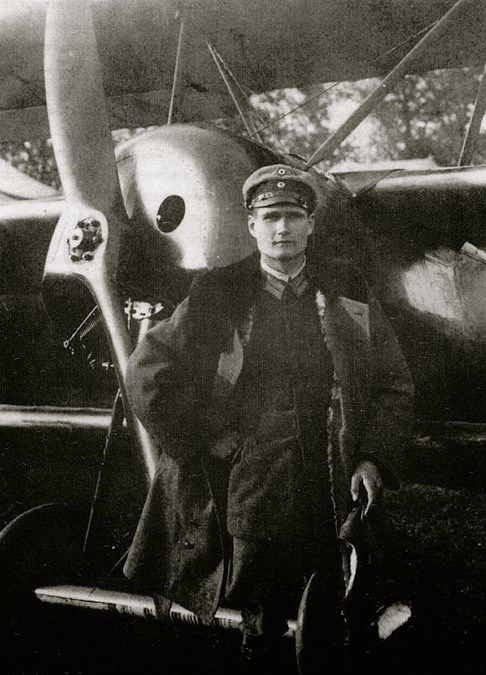
To understand the flight, you need to look at Hess’s political career. His closeness to Adolf Hitler, his ideological background, and his rank as the Führer’s deputy explain why his journey in 1941 attracted so much attention.
Background
Rudolf Hess was born in Alexandria in 1894. His family was German but lived in the international environment of British-influenced Egypt.
This early background did not make him liberal or cosmopolitan. Politically, he developed in the opposite direction, toward radical nationalism.
World War I and Early Influences
During World War I, Hess served as a soldier and later as a pilot. As with many of his generation, his wartime experiences, the defeat, and the crisis years following 1918 had a profound effect on his political views.
In the turbulent postwar years, he became involved with the Freikorps. He also joined the Thule Society, where he was exposed to anti-Semitic and völkisch ideas at an early age.
Later, he studied in Munich and came into contact with Karl Haushofer. Haushofer’s geopolitical ideas, including concepts of Lebensraum, significantly influenced Hess, even if they do not alone explain his worldview.
From the Beer Hall Putsch to Hitler’s Confidant
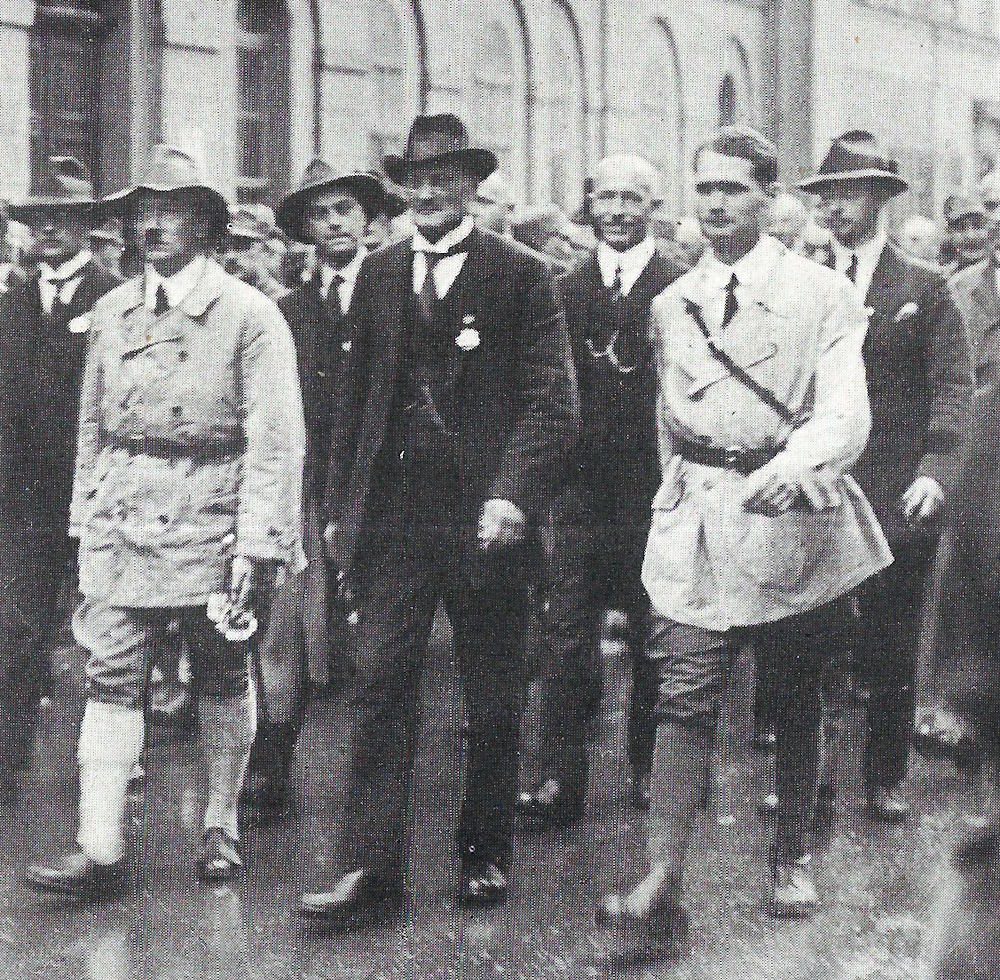
Hess joined the NSDAP at an early age. In 1923, he participated in the Beer Hall Putsch, Hitler’s failed coup attempt in Munich.
After the coup, he moved closer to Adolf Hitler. During their joint imprisonment in a fortress, he provided Hitler with intensive support in writing ‘Mein Kampf’.
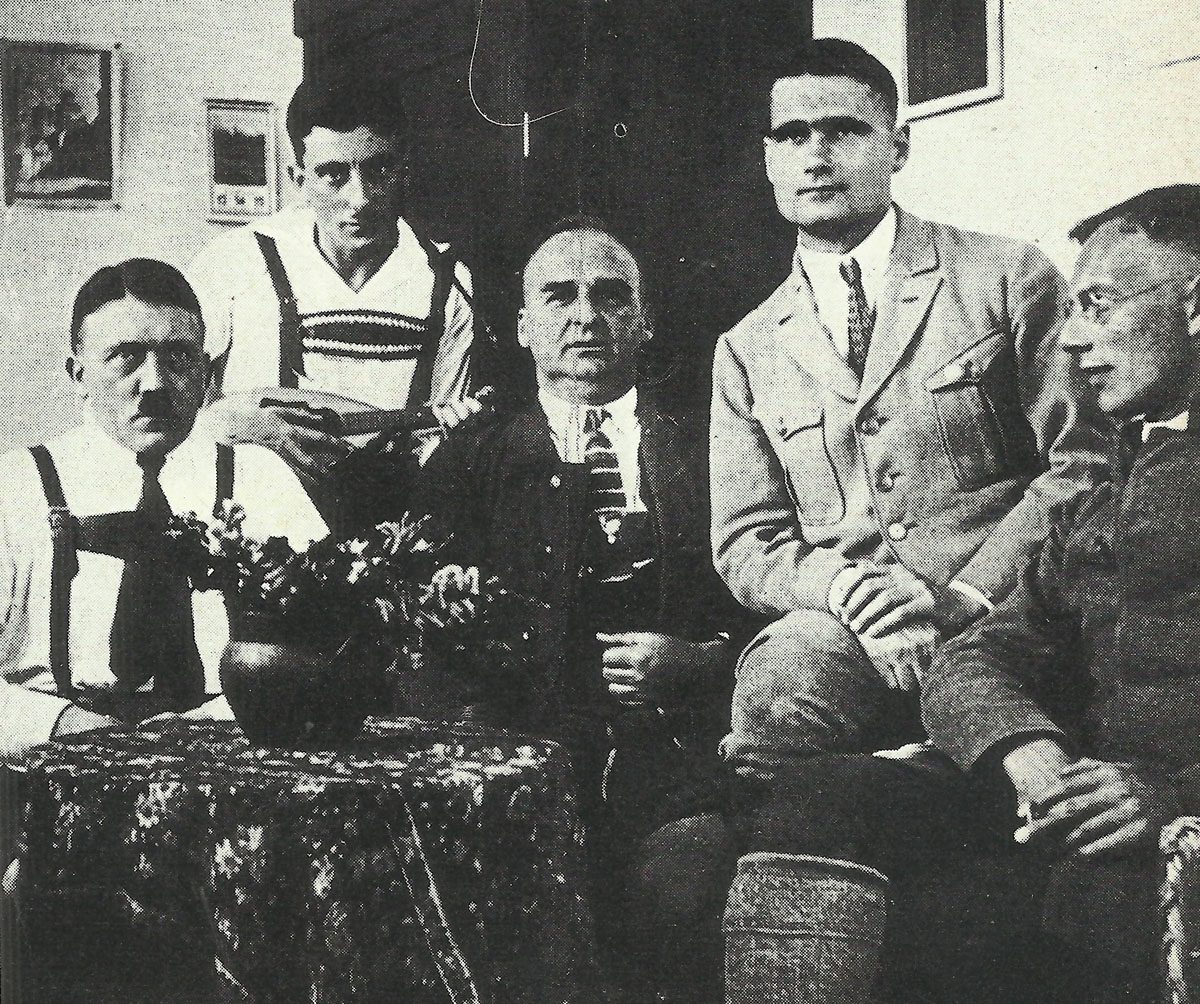
Hess was regarded as loyal, fanatical, and personally devoted. This loyalty made him an important figure in the inner circle.
Rise to Deputy Führer
After the seizure of power in 1933, Hess continued to rise through the ranks. He became Deputy Führer and played a significant role in the party apparatus.
In his position, he was closely linked to the SA and held a high rank in the SS. Over time, however, he lost influence. Hermann Göring remained more important in military and state affairs, and Martin Bormann gained increasing control over party operations and personnel. Hess was thus a high-ranking official, but by 1941 his political standing was no longer as strong as it had been a few years earlier.
Why Hess flew to Great Britain
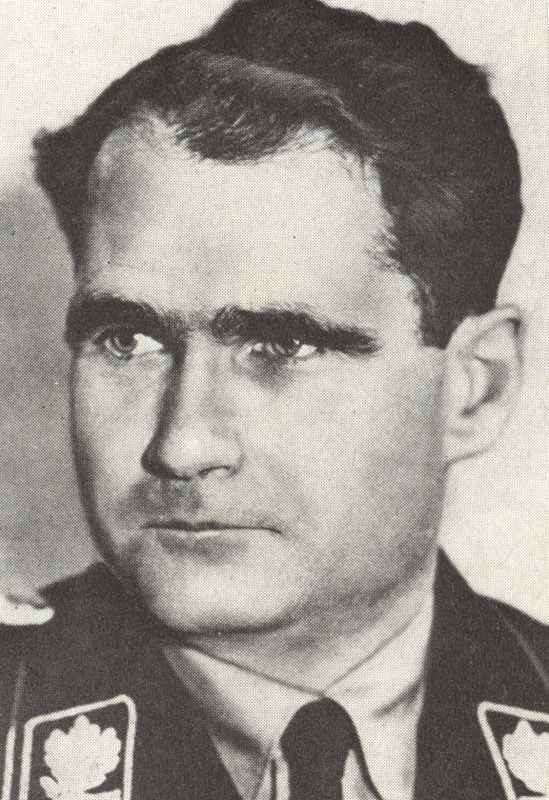
The motives behind the flight are not a complete mystery, even if some details remain unclear. When you compare the sources side by side, a picture emerges of ideological blindness, political misjudgment, and a personal sense of mission.
The idea of a separate peace with London
Hess apparently wanted to initiate a separate peace between the German Reich and Great Britain. Behind this lay the hope that Germany could then concentrate on the war in the East.
He did not believe in talks with Winston Churchill as a partner in the true sense of the word. Rather, he relied on the notion that there were influential circles in London that could limit or bypass Churchill.
Albrecht Haushofer, Contacts and Misjudgments
Albrecht Haushofer, the son of Karl Haushofer, played an important role. Ideas, contacts, and mediation attempts flowed through him, which strengthened Hess in his mission. Ernst Wilhelm Bohle was also involved in the preparation of the letters by translating drafts for Hess.
The Theory of a Secret Service Intrigue
Some theories suggest that the British Secret Service or British Intelligence provoked the flight through a deliberate intrigue. In this scheme, forged letters in the name of the Duke of Hamilton were allegedly used to persuade Hess to undertake the journey.
The goal of this operation was presumably to lure Hess into a trap and sow discord within the Nazi leadership. Whether these documents actually provided the decisive impetus, however, remains a subject of debate among historians.
Names such as Ivone Kirkpatrick appear in the discussion of diplomatic signals and British perceptions. Much of this was apparently overinterpreted by Hess or those around him. Later authors such as Peter Padfield have also shown how strongly wishful thinking and misunderstandings shaped the events.
Added to this was Hess’s penchant for irrational interpretations. Reports of astrological influences or a belief in Fortuna fit the image of a man who conflated the political situation with his personal mission.
Hitler’s Knowledge, Hess’s Motives, and Unanswered Questions
Whether Adolf Hitler knew the details in advance remains a matter of debate to this day. The majority of historians assume that Hess acted on his own initiative, even though there are debates regarding partial knowledge or hints.
When considering the motives, you should look at several levels together:
- Fear of a war on two fronts
- Desire for personal historical significance
- Loyalty to Hitler, combined with the belief that he was serving the regime
- Massive misjudgment of British policy
It is precisely this mixture that makes the case so unusual.
The British Response and Political Significance
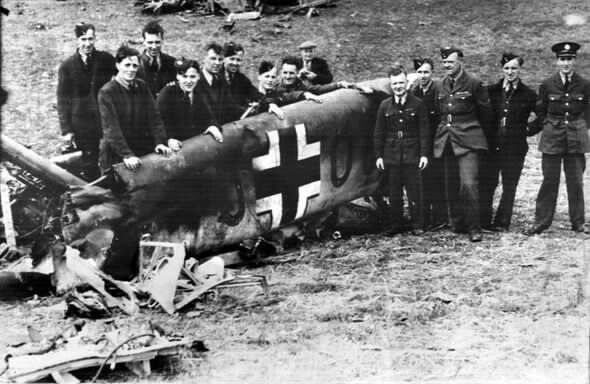
Immediately after the landing, the political assessment of the incident began. For Great Britain, Hess was a high-ranking prisoner; for Adolf Hitler and the Nazi Party, his flight quickly became a propaganda problem.
Interrogations, Internment, and Churchill’s Stance
Hess was intensively interrogated and strictly interned.
British authorities sought to determine whether he had acted alone and whether his statements were of military or diplomatic value.
Winston Churchill handled the case coolly. According to well-documented accounts, he did not view Hess as a serious messenger of peace. Ivone Kirkpatrick and other diplomats also examined his statements without seeing any political opening in them.
Propaganda, Diplomacy, and Consequences for the Reich
In Berlin, the regime reacted quickly. Adolf Hitler publicly distanced himself; Hess was portrayed as confused or ill.
This helped the regime limit the damage. At the same time, the incident strengthened Martin Bormann, who continued to rise within the party organization. For the Nazi Party, this was not only an embarrassment but also a shift in internal power.
But the German public came up with its own rhymes about it:
“There’s a song going around the whole Reich / We’re heading for England / But if anyone actually goes / They’ll be declared crazy,” an unknown prankster parodied the chorus of Hermann Löns’s “Sailor’s Song,” one of the most frequently sung propaganda songs at the time.
An anonymous Berliner put it succinctly: “We’ve known for a long time that our government is crazy. But the fact that they admit it—that’s new.”
The Duke of Hamilton unwittingly became embroiled in an international affair. For the British side, he remained more of a contact person than a political decision-maker.
Why the case still sparks debate today
The case remains controversial to this day because three factors overlap:
- a spectacular solo flight
- incomplete or contradictory statements
- subsequent political exploitation
Based on experience with historical debates, it can be said: The bigger the event, the longer simple explanations endure. In the case of Hess’s flight, they often don’t hold up.
From Nuremberg to Spandau: Hess after the War
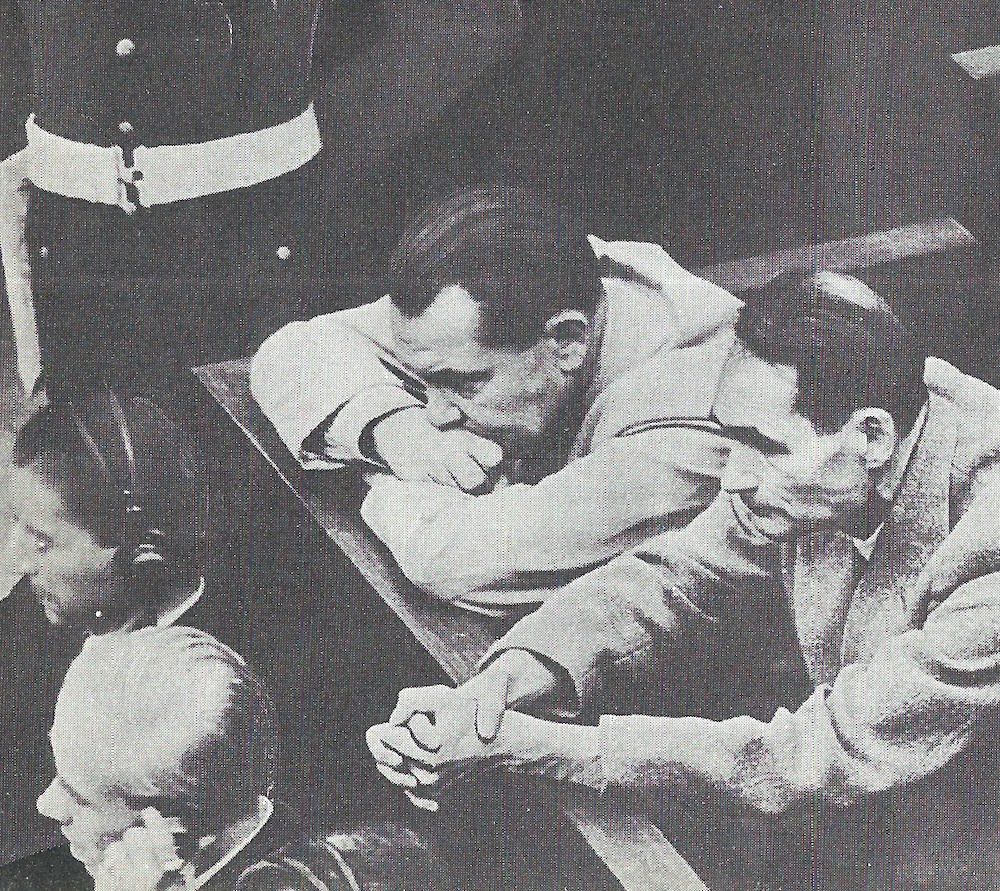
To his left is Hermann Göring.
After the war, Rudolf Hess’s story did not end with the failed flight. For you, the story only becomes complete when you also consider the path from the Nuremberg Trials to his decades-long imprisonment in Berlin-Spandau.
Charges and the Nuremberg Trials
Before the Nuremberg Trials, Hess was charged as a leading Nazi. Among the central charges were crimes against peace, as well as participation in the preparation of the war of aggression.
At times, Hess attempted to claim memory lapses. The court nevertheless deemed him criminally responsible.
Verdict and Life Imprisonment
In the end, Hess was sentenced to life imprisonment. For the court, the decisive factor was that, as a top official of the regime, he had contributed to the outbreak of war.
His flight to Scotland did nothing to change this. It was not regarded as an exculpatory attempt at peace, but as an act within his long career in the Nazi system.
The Final Decades in Spandau
Hess served his sentence in the Spandau War Crimes Prison in Berlin. Over the years, he became the prison’s last remaining inmate.
He died in 1987 at the age of 93. He was buried in Wunsiedel, which later became a magnet for right-wing extremists for a long time, until the authorities and civil society took action against it.
Historical Context of the Case
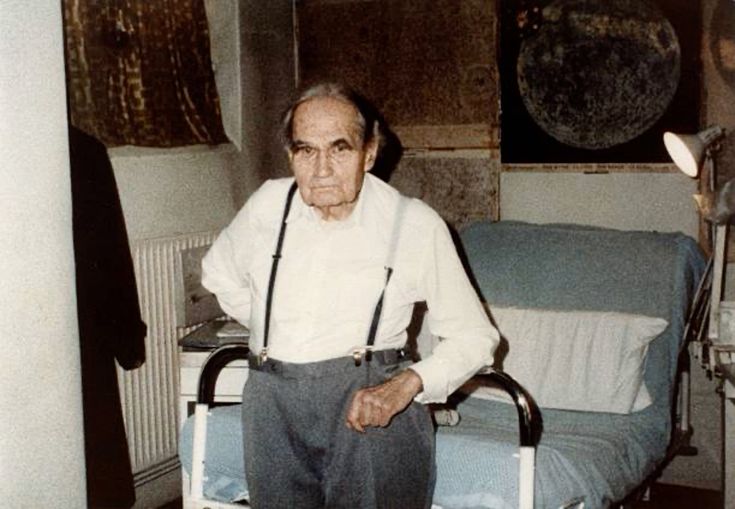
Hess’s flight to Scotland is well documented, even if not every detail has been definitively clarified. To help you make sense of it all, it’s helpful to clearly distinguish between facts, plausible interpretations, and speculative theories.
What is considered certain
It is certain that Hess flew alone to Scotland on May 10, 1941, parachuted there, and was taken prisoner by the British. It is also well documented that he sought contact with the Duke of Hamilton and wanted to initiate a political settlement with Great Britain.
His role as a close associate of Adolf Hitler and his long career in the Nazi state are also clear.
Which theories remain controversial
Above all, it remains controversial whether Adolf Hitler knew more than he later admitted. The question of how important contacts via Albrecht Haushofer really were is also assessed differently.
Authors such as Peter Padfield have helped shape these debates. Some theories go far beyond the sources. If you want to examine this thoroughly, you should only take speculation seriously when it is supported by documents or reliable evidence.
Why the flight to England is historically relevant
This case shows how ideology, power politics, and personal illusions can interact. It also reveals how limited Hess’s actual influence already was in 1941.
At the same time, the flight sheds light on the situation in Europe shortly before the German attack on the Soviet Union. That is why it remains an important window into the politics between Winston Churchill, Adolf Hitler, and a man who believed he could single-handedly steer the course of the war.
Frequently Asked Questions
Why did Rudolf Hess fly alone to Scotland in 1941?
He wanted to establish political contact with Great Britain without revealing an official mission. According to current research, he believed he could use the Duke of Hamilton to find a way to circles open to a settlement with Germany.
What political goals did Hess pursue with his mission to Great Britain?
His goal was most likely a separate peace between the German Reich and Great Britain. This would give Germany a free hand for the planned war against the Soviet Union.
How did the British government and the public react to his arrival?
The British government immediately had Hess arrested, interrogated, and isolated. Politically, his proposals were rejected, and the public viewed the incident with a mixture of astonishment, skepticism, and derision.
What role did Adolf Hitler play in the regime’s official account following the flight?
Hitler quickly distanced himself from Hess. In the official narrative, Hess was described as confused or mentally disturbed, so that the regime would not have to portray the flight as an independent political act originating from the center of power.
What is known about Hess’s interrogations and conditions of detention in Britain?
Hess was intensively interrogated and kept under strict guard. The British wanted to determine whether there was an official plan behind the flight; they treated him as an important prisoner and not as a recognized negotiator.
What theories and controversies persist to this day regarding the background of this journey?
The main points of discussion include Hitler’s possible prior knowledge, the significance of contacts through Albrecht Haushofer, and the question of whether British circles deliberately fostered false hopes in Hess.
Much remains unclear, but the established facts are clearer than many later legends suggest.
References and Bibliography
Rudolf Hess – The Man at Hitler’s Side (Kurt Pätzold, Manfred Weißbecker)
My Father Rudolf Hess – The Flight to England and Imprisonment (Wolf Rüdiger Hess)
Churchill’s Peace Trap: The Secret of the Hess Flight in 1941 (Martin Allen)
Rudolf Hess: The Deputy – A Biography (Manfred Görtemaker)