
Soviet Prisoners Of War (POWs) in German hands in WW2: The Inconvenient Truth.
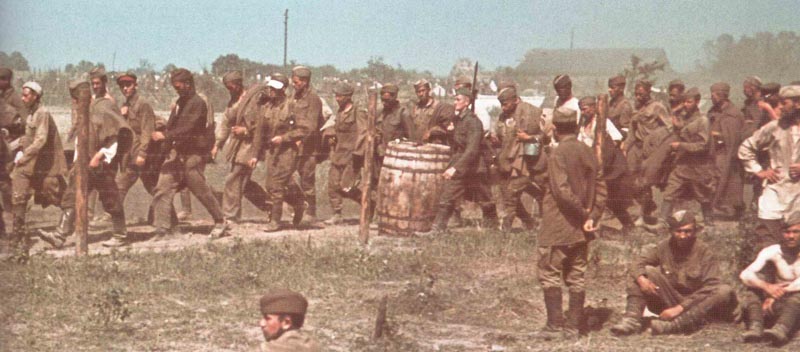
The story of Soviet Prisoners of War (POWs) and their staggering mortality rates stands out as one of the largest engineered mass death events of World War II. Between June 1941 and May 1945, German forces captured about 5.7 million Red Army soldiers.
Out of those millions, roughly 3.3 to 3.5 million died—an almost unbelievable 60 percent mortality rate. No other group of prisoners suffered losses on that scale under German administration.
This is even more striking when you look at the survival rates of German POWs held by the Allies later in the war. The contrast is impossible to ignore.

That death toll didn’t just happen because of chaos or bad logistics; it came from deliberate policy decisions made before Operation Barbarossa even started.
Nazi ideology painted Soviet soldiers as racial and ideological enemies, denying them the protections given to Western Allied prisoners. Orders from the Wehrmacht’s high command, issued before the invasion, allowed summary executions, starvation rations, and the handover of prisoners to the SS for selective killing.
The United States Holocaust Memorial Museum calls this one of the greatest crimes in military history. This brutal treatment of Soviet POWs directly violated international norms.
Executions often happened not long after capture, especially on the Eastern Front. Strangely, this subject has stayed underexplored, pushed to the margins in both East and West after the war.
Soviet authorities had their own reasons to suppress the story. Order No. 270 treated surrender as nearly treasonous, so many returning prisoners faced interrogation and suspicion.
Western historians, meanwhile, focused more on the Holocaust and the Western Front. The scale of the tragedy is acknowledged, but how it happened and how it was remembered (or forgotten) remains murky for most people.
What Happened To Captured Red Army Troops In 1941
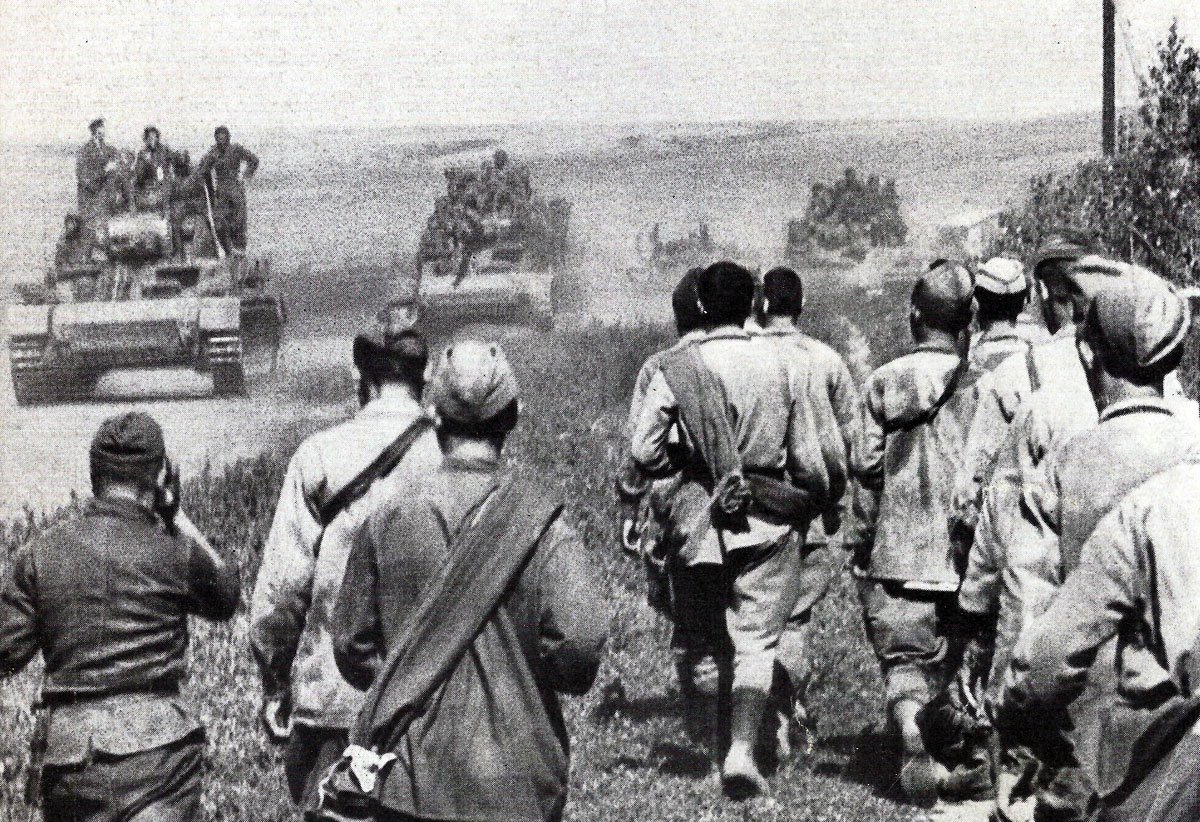
The opening phase of Operation Barbarossa unleashed a wave of mass surrenders that overwhelmed German logistics almost instantly. The Wehrmacht’s rapid armored advances trapped entire Soviet armies before they could pull back.
Mass Encirclements And Surrenders
The Red Army suffered catastrophic encirclements in those first months. At Uman in August 1941, two whole Soviet armies were surrounded, with about 103,000 prisoners taken.
The Uman encirclement set a grim precedent. Captives there were often held in open-air quarries, exposed to the elements and denied basic sanitation. Disease spread fast among thousands crammed into those pits.
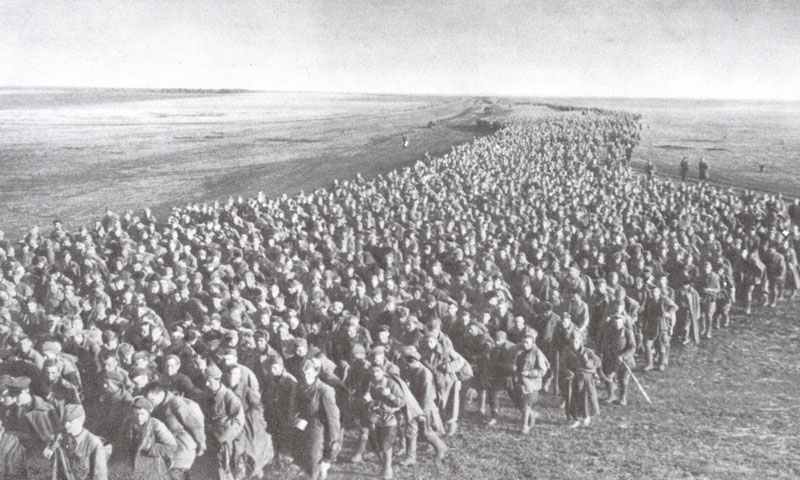
Bigger pockets followed at Kiev in September and Vyazma-Bryansk in October 1941. By the end of 1941, over three million Soviet soldiers had been captured, mostly through these huge encirclements.
The speed of the German advance left Soviet units cut off, disorganized, and without supplies. They simply had nowhere to go.
Why The First Months Were So Deadly
June to December 1941 was by far the deadliest period for Soviet prisoners. German planners expected a short campaign and didn’t prepare for millions of captives.

Transit camps were often just open fields, fenced with a single strand of barbed wire. Food rations were nowhere near enough to survive on, right from the start.
By February 1942, about 3.4 million Soviet soldiers had been taken prisoner, and roughly two million of them were already dead. Starvation, exposure, disease, and violence killed thousands every day.
From Battlefield Capture To German Captivity
Even the journey from surrender to a fixed camp was deadly. Prisoners marched for hundreds of kilometers with barely any food or water.
Guards shot those who fell behind. Political officers faced extra danger—pre-invasion orders called for their immediate execution.
Those who survived the march ended up in Dulag transit camps with no shelter, sanitation, or medical help. For many, capture was just the start of a new nightmare.
Soviet POWs Captures by German Forces from 22June 1941 to 10th January 1942
Between 3.4 and 4 million of the total of 5.7 million Red Army soldiers were captured in the first eight months of the war:
Month | Period | Total | Officers | Cumlative (Total) | Cumlative Officers |
|---|---|---|---|---|---|
June 1941 | 22-30 | 112,784 | 645 | 112,784 | 645 |
July 1941 | 1-10 | 253,588 | 1,324 | 366,372 | 1,969 |
July 1941 | 11-20 | 234,366 | 405 | 600,738 | 2,374 |
July 1941 | 21-31 | 213,092 | 648 | 813,830 | 3,022 |
August 1941 | 1-10 | 271,714 | 1,625 | 1,085,544 | 4,647 |
August 1941 | 11-20 | 211,225 | 647 | 1,296,769 | 5,294 |
August 1941 | 21-31 | 215,641 | 552 | 1,512,410 | 5,846 |
Sep 1941 | 1-10 | 203,668 | 749 | 1,716,078 | 6,595 |
Sep 1941 | 11-20 | 234,574 | 605 | 1,950,652 | 7,200 |
Sep 1941 | 21-30 | 550,961 | 1,553 | 2,501,613 | 8,753 |
October 1941 | 1-10 | 288,485 | 861 | 2,790,098 | 9,614 |
October 1941 | 11-20 | 499,476 | 3,392 | 3,289,574 | 13,006 |
October 1941 | 21-31 | 249,817 | 931 | 3,539,391 | 13,937 |
Nov 1941 | 1-10 | 152,296 | 742 | 3,691,687 | 14,679 |
Nov 1941 | 11-20 | 85,786 | 312 | 3,777,473 | 645 |
Nov 1941 | 21-30 | 53,852 | 64 | 3,831,325 | 15,055 |
Dec 1941 | 1-10 | 39,596 | 74 | 3,870,921 | 15,129 |
Dec 1941 | 11-20 | 19,277 | 0 | 3,890,198 | 15,129 |
Dec 1941 | 21-31 | 16,567 | 67 | 3,906,765 | 15,196 |
January 1942 | 1-10 | 11,383 | 25 | 3,918,148 | 15,221 |
On 20th December 1941 the OKH reduced the accumulated POW figure by 539,559 men (but added 50 officers to the accumulated total).
The adjustment was apparently to take account of released POWs (318,770 PoWs were released between 25th July and 13th November 1941, mostly Ukrainians) and to prevent possible double counting of the same POWs or civilians from different reports.
Why German Policy Turned Captivity Into Mass Death
German policy toward Soviet prisoners wasn’t improvised on the front lines. Berlin set the tone, using racial hierarchies to dictate everything.
This made sure Soviet POWs faced extreme cruelty from start to finish. Three factors drove the outcome: racial ideology, legal justifications, and targeted killing orders.
These factors stripped away any moral or legal restraint that might have protected prisoners from other countries. The system was brutal by design.
Nazi Ideology And The War Of Extermination
Nazi leaders defined the war against the Soviet Union as a Vernichtungskrieg—a war of annihilation. They officially labeled Soviet soldiers as racial subhumans, targeting Slavic peoples and hammering this idea home through propaganda.
This framing allowed treatment that would have been unthinkable for British or American prisoners. German military and police believed the conflict’s racial nature justified their brutality.
The Legal Pretext Around The Geneva Convention
Germany had ratified the 1929 Geneva Convention and mostly followed it with Western Allied prisoners. For Soviet POWs, though, military planners cooked up a legal excuse to ignore it.
Since the Soviet Union hadn’t ratified the Convention, German authorities claimed they weren’t bound by it. They also referenced the 1907 Hague Convention, but only when it suited them.
These arguments were shaky at best, but they let the OKW deny Soviet prisoners the protections they gave to others. It was a legal fig leaf, nothing more.
The Commissar Order And Political Selection
The Commissar Order, issued before the invasion, told German forces to execute captured Soviet political officers on the spot. Commissars were attached to every Red Army unit, so this order meant some prisoners had no chance from the moment they were caught.
Wehrmacht General Eduard Wagner, the Army’s Quartermaster General, formalized starvation policies. He approved rations below survival levels for non-working prisoners. Death in captivity wasn’t an accident—it was built into the system.
Camp System, Starvation, And Everyday Survival
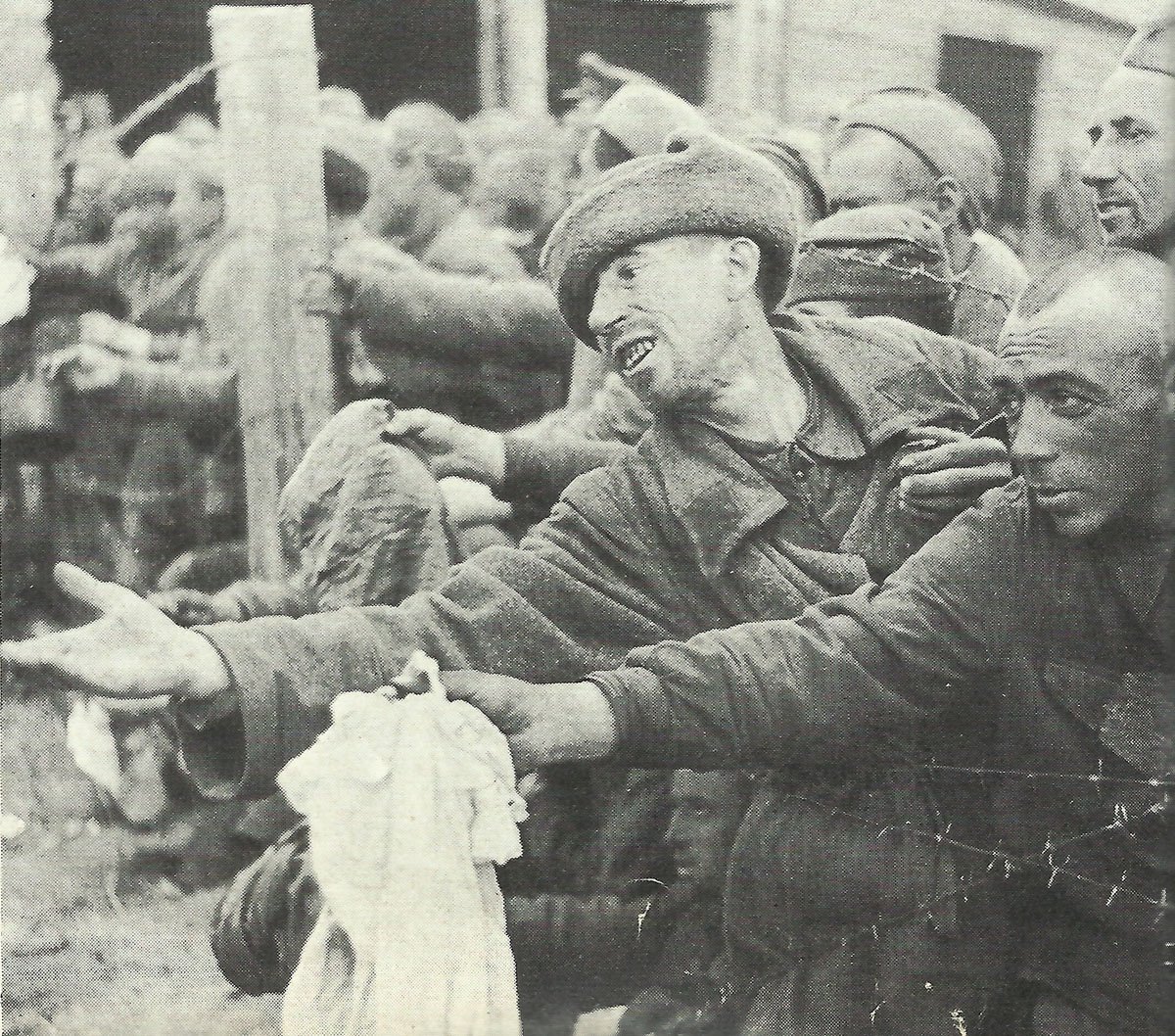
The physical setup for Soviet prisoners ranged from makeshift enclosures to permanent camps. Inadequate food, no shelter, rampant disease, and brutal cold defined daily life in 1941 and 1942.
Dulag Transit Camps And Permanent POW Camps
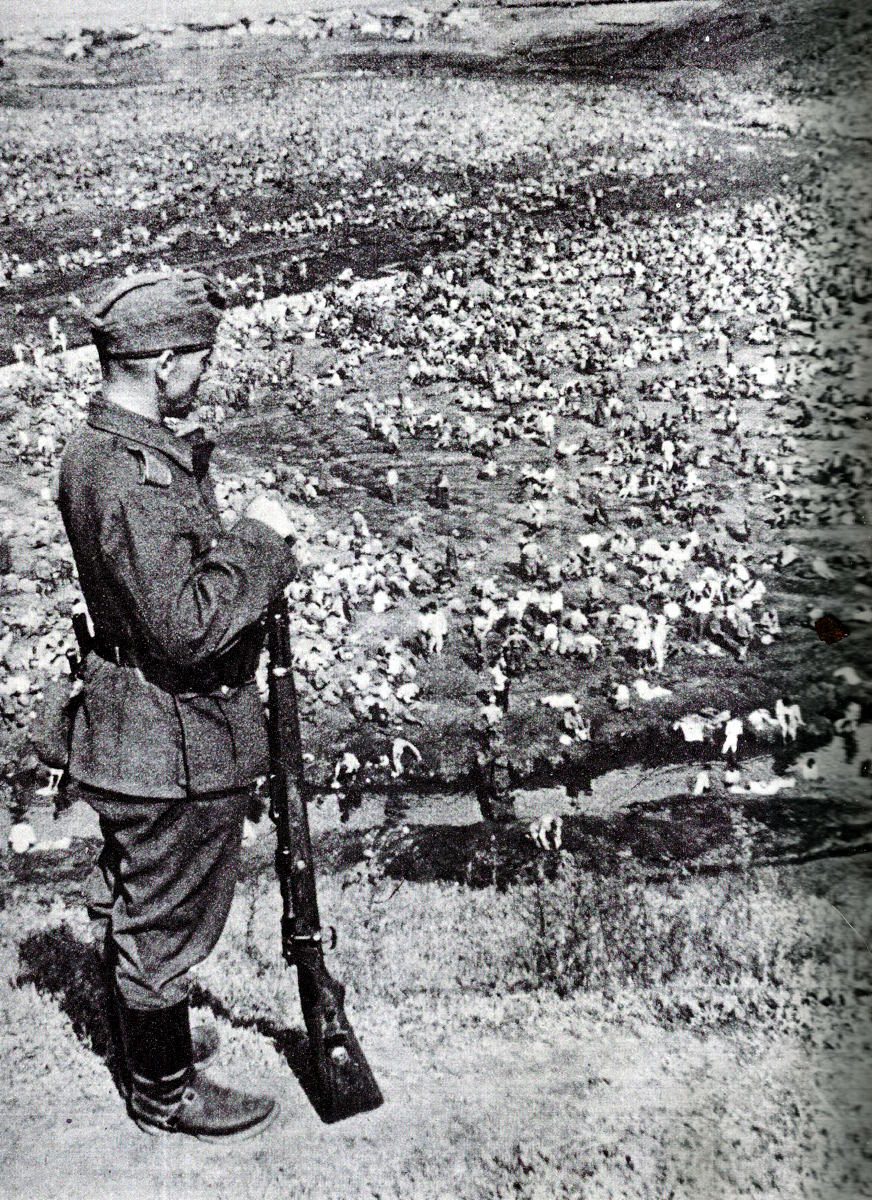
Dulag transit camps were the first stop after capture. Usually just open fields with wire fencing, they had no barracks, latrines, or medical care.
Permanent POW camps had more infrastructure but didn’t really improve the odds of survival. Some camps packed up to 100,000 men into spaces meant for far fewer.
Soviet prisoners sent to concentration camps like Buchenwald, Dachau, and Majdanek faced even worse conditions. About 10,000 Soviet POWs ended up at Auschwitz for “special treatment.”
Food, Shelter, Disease, And Exposure
Food rations for Soviet prisoners were set intentionally below what anyone could live on, especially for those not working. Bread, watery soup, maybe some rotten vegetables—that was it.
Starvation wasn’t an accident; it was policy. Without shelter through the autumn and winter of 1941-42, prisoners died in droves from the cold.
Dysentery, typhus, and tuberculosis tore through the camps. Medical care was pretty much nonexistent. Malnutrition and disease wrecked immune systems within weeks.
Forced Marches And Death En Route
Before reaching any camp, prisoners often had to march hundreds of kilometers. Guards forced them onward with violence, shooting those who couldn’t keep up.
Postwar excavations in Ukraine, Belarus, and the Baltic states have found mass graves along these routes. The marches weren’t about rehabilitation—they just moved huge numbers of people with minimal resources.
Survivors arrived at camps already half-dead, their chances of making it long-term basically gone.
Executions, Selections, And The Role Of The SS
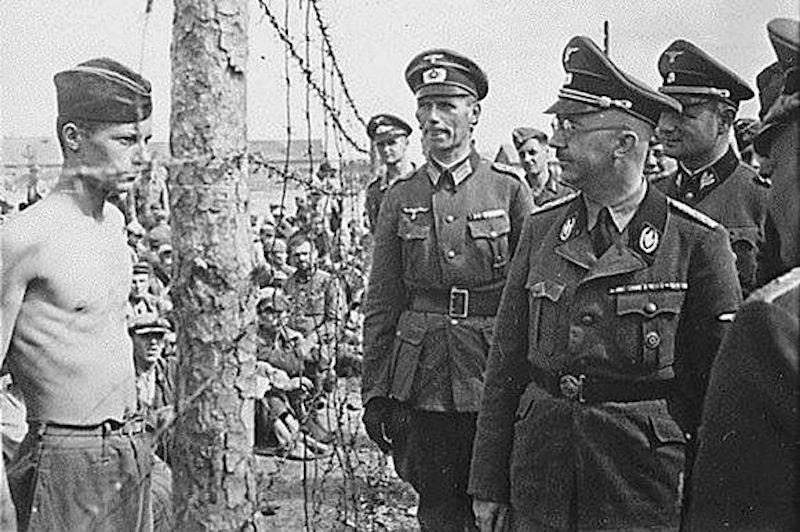
Starvation and exposure weren’t the only killers. German authorities also carried out systematic executions of specific categories of Soviet prisoners.
The SS and police worked closely with Wehrmacht camp administrators to identify and kill prisoners. It was organized, not random.
Commissars, Jews, And Other Targeted Prisoners
The Commissar Order meant political officers were shot as soon as they were caught. Reinhard Heydrich sent a similar directive to the Einsatzgruppen, ordering them to kill Jewish prisoners in the camps.
Soviet Jewish POWs were singled out and shot. This selection process happened inside Wehrmacht-run camps, with camp authorities cooperating fully.
Many Soviet civilians in occupied areas got swept up in these operations too. Targeted killing made sure certain groups had absolutely no chance of survival.
Handovers To SS And Police
The Wehrmacht handed over large numbers of Soviet prisoners to SS and police control. These transfers were formalized through agreements between OKW and Himmler’s SS.
Himmler wanted to use these prisoners for big construction projects, including those tied to the Generalplan Ost. Prisoners sent this way ended up in concentration camps or were shot in occupied territories.
More than 100,000 Soviet POWs were transferred to SS camps for forced labor or execution. Responsibility for these deaths was deliberately spread out and hidden.
Executions In Camps And Occupied Territories
Executions inside camps took many forms. At Buchenwald, SS Kommando 99 murdered over 8,000 Soviet POWs using a disguised execution system.
At Auschwitz, newly arrived Soviet prisoners were shot in gravel pits. Across occupied territories, Einsatzgruppen units carried out mass shootings of prisoners and civilians.
These weren’t isolated acts of cruelty. Orders came from the top and were reported up the chain of command.
Release of Soviet POWs by the Germans during the war
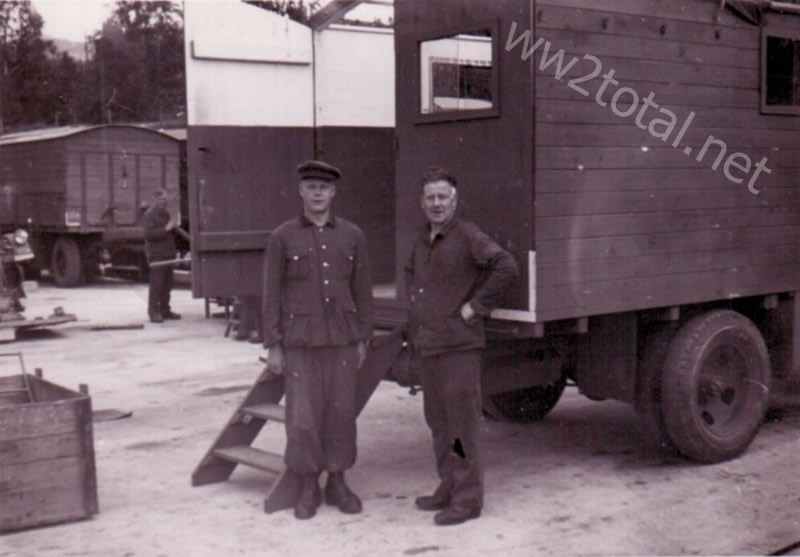
German policy included a limited program of releasing some Soviet prisoners, but it wasn’t out of compassion. The main goal was to exploit ethnic tensions within the Soviet Union.
A total of 1,023,000 Soviet PoWs were released by Germany during World War II.
Between 25th July 1941 and 13th November 1941 318,770 Soviet POW’s were released by the Germans. From these 266,761 were Ukrainans, while the remainder were Balts, Volga Germans and some Belorussians.
Till 1st May 1994 additional 504,460 PoWs were released, but were deployed as ‘Hiwis’ (short for ‘willing to help’), auxiliary police, so-called Ost-Legionen or for security units.
During the last 12 months another 200,000 Soviet PoWs were released, but as combatants for Wehrmacht, Waffen-SS or ROA (Russian Liberation Army) units.
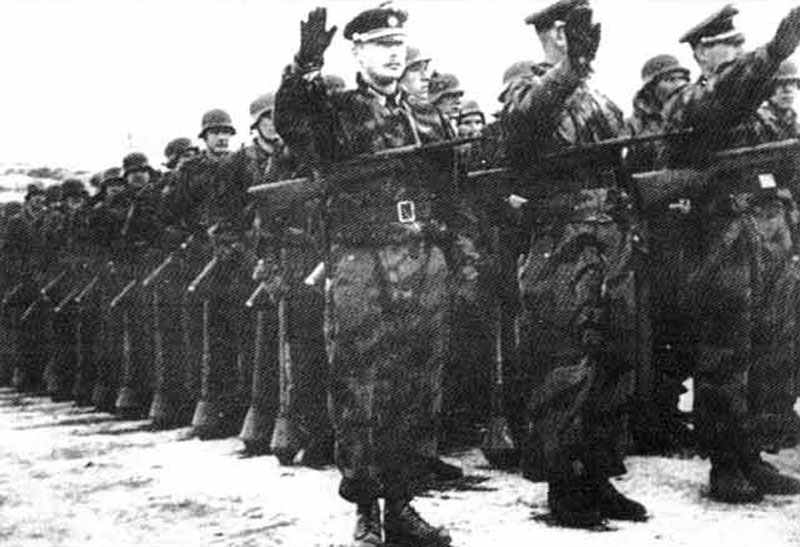
Prisoners from certain minority groups, especially from the Caucasus and the Baltic states, were singled out. Some joined German-organized units like the Ostlegionen.
Others were released to work as civilian laborers under German occupation in their home regions. The numbers sound big, but compared to the total prisoner population, it was a drop in the bucket.
These releases didn’t mean Germany was softening its stance. Most captives—especially ethnic Russians—were never considered for release.
The selective release program was all about divide-and-rule politics, not prisoner welfare.
Forced Labor And The Shift In German Priorities
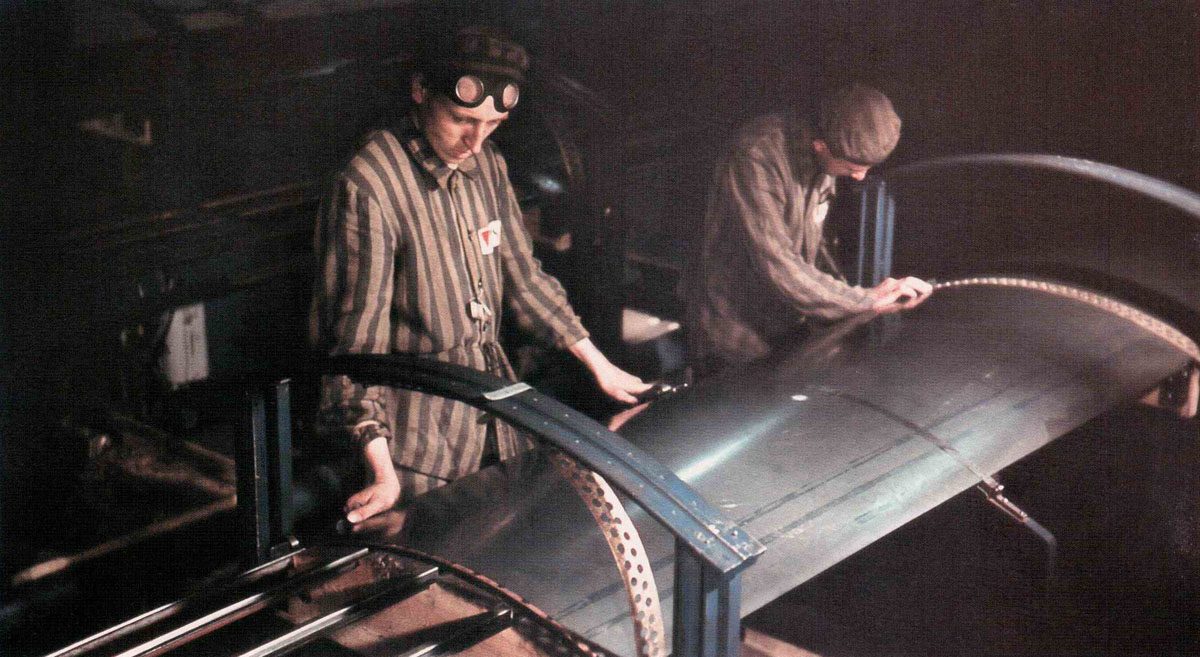
The catastrophic mortality of 1941 to 1942 eventually forced Germany to rethink its approach. As the war economy ran short on labor, starving millions of prisoners started to seem like a strategic blunder.
The resulting policy shift was real, but only partial.
Why Conditions Changed In 1942
By early 1942, about two million Soviet prisoners had already died. German economic planners realized they were destroying a valuable labor pool.
Official policy changed to keep working-age prisoners alive on the bare minimum needed for work. Rations increased a bit, and some camps eased the worst starvation, though the overall conditions were still brutal.
The failure of Blitzkrieg shattered any hope that the war would end before prisoners became a long-term issue.
Work Assignments Inside The Reich
Soviet prisoners got sent to mining, construction, agriculture, and arms factories. By 1944, foreign workers—including POWs—made up at least 20 percent of the German workforce.
Soviet prisoners sat at the very bottom of this system, getting the worst pay and treatment. They worked under armed guard and lived in conditions far worse than those of Western Allied prisoners.
Survival was always secondary to Germany’s production needs as the Eastern Front dragged on.
Labor Exploitation Versus Survival
The 1942 shift didn’t mean the Germans saw Soviet prisoners as humans. They saw them as disposable labor.
Prisoners who became too sick or weak to work were usually left to die, with no medical help. Any improvements in conditions were spotty and self-serving, varying wildly between camps and regions.
For those who survived into 1943, the changes gave only a slightly better chance in a system that still didn’t care about their welfare.
The Soviet State And The Politics Of Surrender
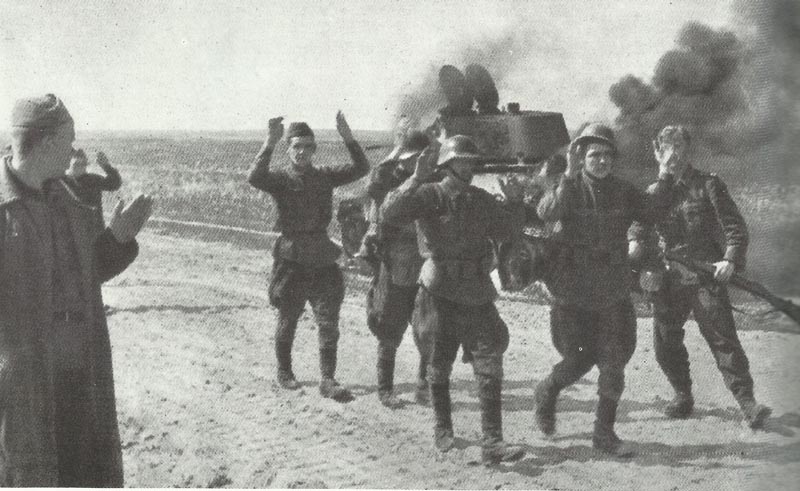
Soviet authorities didn’t show sympathy for their captured soldiers. From the war’s start, the Soviet state treated surrender as a moral failure.
This attitude shaped how prisoners were treated after the war and how their experience was remembered—or ignored.
Order No. 270 And The Stigma Of Capture
Order No. 270, issued in August 1941, labeled commanders who surrendered as traitors or deserters. The order also targeted their families for punishment.
This created an atmosphere where surrender equaled betrayal, no matter the situation. Even soldiers who surrendered under hopeless conditions were officially condemned.
Returning from German captivity turned into a dangerous ordeal for any Red Army survivor.
Soviet Propaganda And Families Of Prisoners
Soviet propaganda hammered home the idea that only heroic resistance mattered, not survival in captivity. Families of prisoners were usually denied the limited state support given to families of the fallen.
Official channels barely acknowledged that men in German hands deserved concern. Propaganda favored those who fought to the death, leaving families of POWs in limbo and shame through the war.
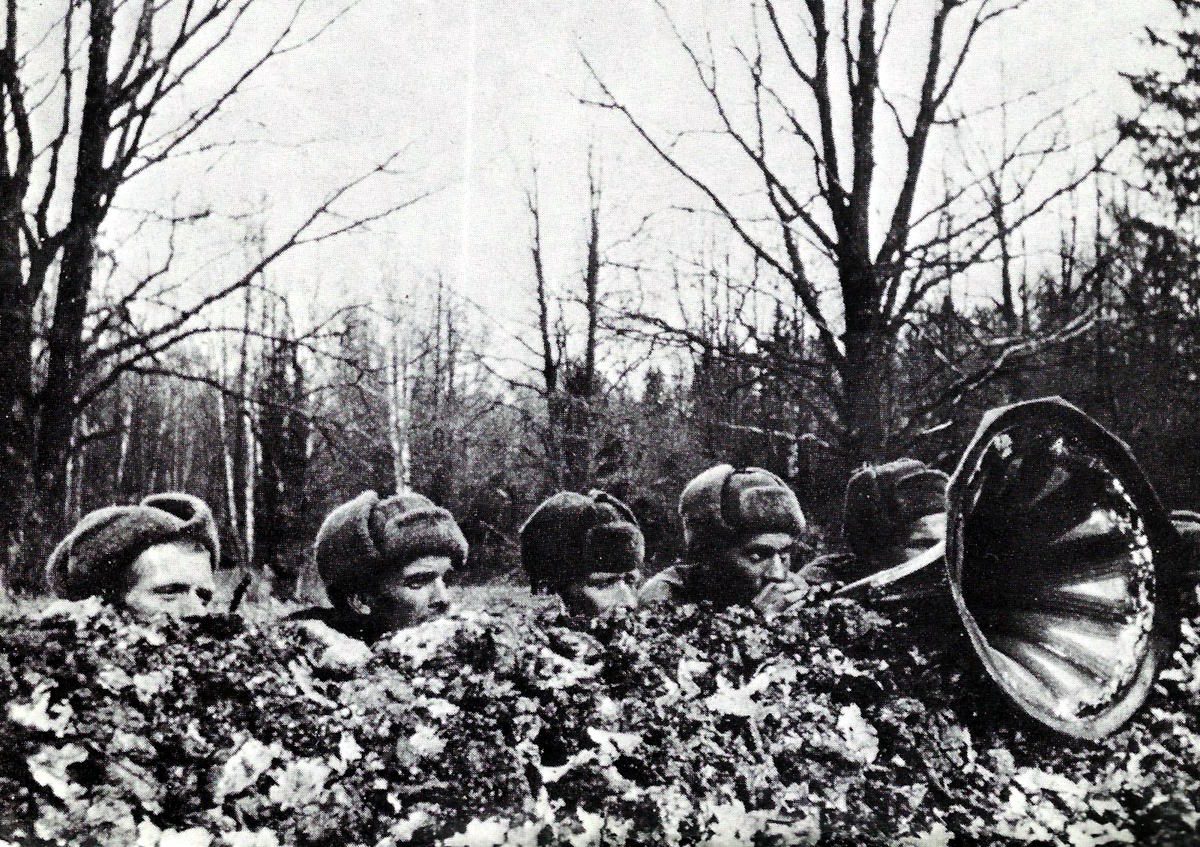
How Soviet Policy Shaped Memory
Order No. 270 and postwar filtration led to decades of silence about Soviet POWs. Many returning veterans kept quiet about their ordeal.
Families had no official way to honor relatives who died in German camps. The Soviet state avoided discussing how many prisoners were lost, since it raised awkward questions about leadership failures in 1941.
This suppression lasted well into the post-Soviet era, only easing as archives opened up.
Liberation, Repatriation, And Postwar Suspicion
For Soviet prisoners who survived German camps, liberation in 1944 and 1945 didn’t mean true freedom. The Soviet state saw returning POWs as possible security risks.
Their journey home was often long, coercive, and damaging.
Filtration, Interrogation, And Return
Liberated Soviet prisoners faced a filtration process run by the NKVD. They were interrogated to see if they had collaborated or served in German units.
Even those held under horrific conditions endured lengthy screening. The Yalta Conference required the Allies to return all Soviet citizens, so over four million POWs and displaced persons were eventually repatriated—many against their will.
Every returning soldier lived with the fear of being branded a traitor.
Gulag, Soviet Camps, And Repatriated Soviet Citizens
Many repatriated prisoners ended up in labor battalions or Gulag camps instead of being set free. Soviet archives show that filtration led to criminal prosecution for a significant minority of returnees.
The difference between collaboration and simply surviving was often ignored. Men who survived German mass death only to end up in Soviet forced labor became double victims.
Their suffering stayed mostly invisible in official memory for decades.
Recognition, Silence, And Delayed Justice
Formal recognition for Soviet POWs took ages to materialize in both Germany and Russia. In Germany, the Wehrmacht’s role in prisoner deaths was long obscured by blaming the SS.
Serious public reckoning only started with the Wehrmacht exhibitions in the late 1990s. In Russia, memorializing POW victims has been uneven and shaped by politics.
Most individual victims still remain nameless in public memory. The overlap of German crimes and Soviet stigma has made full historical reckoning a real challenge.
How Historians Measure The Scale Of The Crime
Nailing down the exact number of Soviet POW deaths means digging through a mess of archives and conflicting methods. The broad outlines are clear, but the numbers remain estimates because of the chaos and destruction.
Capture Totals And Death Ranges
About 5.7 million Soviet soldiers were captured. Of those, between 3.3 and 3.5 million died in captivity—a staggering mortality rate of around 60 percent.
By contrast, Western Allied prisoners in German hands had a mortality rate of about 4 percent. Even German prisoners in Soviet camps died at much lower rates than Red Army soldiers in German captivity.
While German POWs faced plenty of hardship, the scale of death among Soviet captives was just on another level. That disparity says a lot about the brutal treatment reserved for Soviet prisoners of war.
Why The Numbers Differ
The numbers vary for a few reasons. German camp records were often incomplete or destroyed before the war ended.
Many prisoners died before they were ever registered, especially during forced marches or in the first weeks. Soviet records were politically managed and didn’t always separate out deaths in captivity.
Different historians use different assumptions about the size of the Soviet forces. Some even include civilian prisoners or irregular fighters in their counts.
Aprox POW Data based on Krivosheev Data
POWs | Numbers |
|---|---|
Captured by Germans | 5,734,500 |
Captured by Rumanians | 82,100 |
Captured by Finns | 64,200 |
TOTAL POWs | 5,880,800 |
Survived captivity: | |
Released by Germans: | 1,023,200 |
Returned to USSR after war: | 1,836,000 |
Emigrated to other countries after war: | 180,000 |
TOTAL POWs that survived captivity | 3,039,200 (51.7%) |
Died in captivity: | |
German | 2,817,700 (49.1%) |
Rumanian | 5,200 (6.3%) |
Finnish | 18,700 (29.1%) |
Total POWs that died in captivity | 2,841,600 (48.3%) |
During WW2 6,885,100 Soviet servicemen were killed in action (including in hospitals, from diseases, accidents or executed), and around 1 million are missing.
Together with POWs, Soviet forces had a total of aprox 14,546,600 irrecoverable losses of servicemen in WW2.
Sources, Archives, And Memorial Research
The United States Holocaust Memorial Museum has pulled together a lot of documentation on German POW camps. Russian archives hold NKVD filtration records and prisoner card indexes, which help researchers track individual stories.
The Auschwitz-Birkenau State Museum keeps records for Soviet prisoners, too. German memorial sites have done ground surveys to find mass graves.
Research is ongoing, and as international cooperation improves, new records keep coming to light. The numbers are still being refined as more evidence surfaces.
Frequently Asked Questions
What were the main causes of the extremely high mortality rate among Soviet POWs during World War II?
The main causes were deliberate starvation, exposure, disease outbreaks, and forced marches. Systematic executions—like those ordered under the Commissar Order—also played a role.
Nazi ideology saw Soviet soldiers as racial enemies who didn’t deserve standard protections.
How did German policies and logistics shape the treatment and living conditions of captured Soviet soldiers?
Orders from OKW before the invasion set starvation rations and allowed summary executions of political officers. Logistics were never meant to support millions of prisoners.
Quartermaster General Eduard Wagner set rations below survival levels, making mass death an expected outcome.
What role did starvation, forced labor, and disease play in the day-to-day reality inside POW camps?
Starvation was the biggest killer, with rations too low to sustain life. Disease spread fast in overcrowded, filthy camps with no medical care. Typhus alone killed huge numbers.
Forced labor became more common after 1942, but conditions for Soviet laborers stayed exceptionally harsh.
How did Soviet authorities treat returning former POWs after liberation, and why?
Returning prisoners faced NKVD filtration to check for collaboration. Many were sent to labor battalions or Gulag camps.
The Soviet state, influenced by Order No. 270, treated surrender as almost treason, so suspicion shaped the whole process.
What primary sources and archival records are most reliable for researching Soviet POW experiences?
The best sources include Wehrmacht camp records and Soviet-era NKVD filtration files. Prisoner card indexes at museums and records at German memorial sites are also key.
These let researchers trace individual fates with more and more precision as archives open up.
How did the fate of Soviet POWs influence postwar memory, commemoration, and historical narratives in Europe?
In the Soviet Union, officials suppressed the true scale of prisoner losses. They wanted to avoid uncomfortable questions about military failures.
West Germany’s postwar narratives, at first, drew a line between the Wehrmacht and the crimes of the SS. It wasn’t really until the late 1990s that the public started reckoning with military atrocities, thanks to new exhibitions that brought these facts to light.
References and literature
Operation Barbarossa: the Complete Organisational and Statistical Analysis, and Military Simulation, Volume IIIB (Nigel Askey)
A World at Arms – A Global History of World War II (Gerhard L. Weinberg)
Das Deutsche Reich und der Zweite Weltkrieg (10 Bände, Zentrum für Militärgeschichte)