
Operation Silver Fox from 1941 was a major World War II campaign. This combined German-Finnish offensive launched in the summer of 1941. It aimed to seize Murmansk and the Petsamo nickel mines.
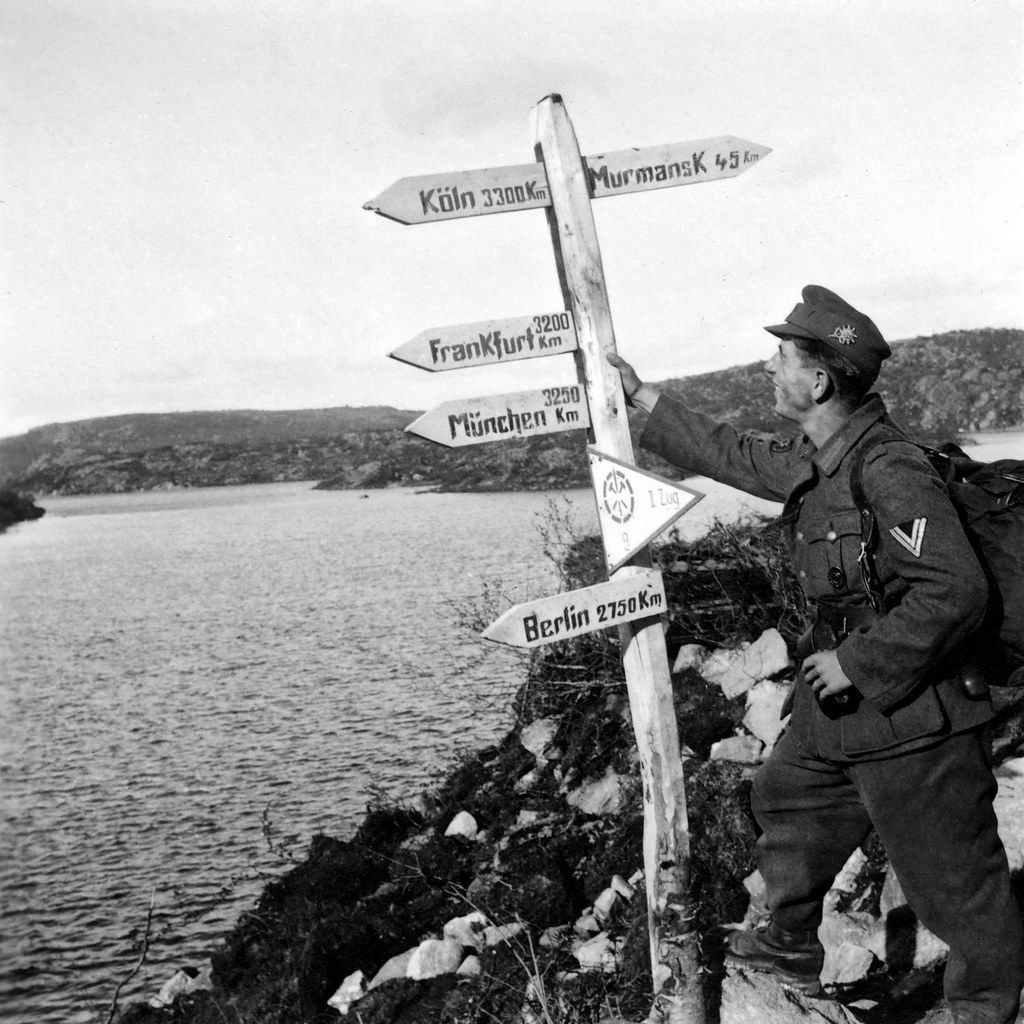
Running from 29 June to 17 November 1941, the operation was part of the campaign against the Soviet Union. The Germans called it Unternehmen Silberfuchs, while the Finnish name was Hopeakettu.

This campaign marked a pivotal moment in the history of arctic warfare.
The offensive split into three linked operations, each targeting a different point along the Arctic and Lapland front. Its failure left Murmansk open as a functioning Allied supply port for the rest of the war.

The campaign played out across some of the most hostile terrain in Europe. Trackless Arctic tundra, dense forest, deep rivers, and wild weather made any normal operational tempo impossible.
Every decision, from high command to the lone soldier trudging through the wilderness, had to account for these brutal conditions.
Strategic Aims In The Far North
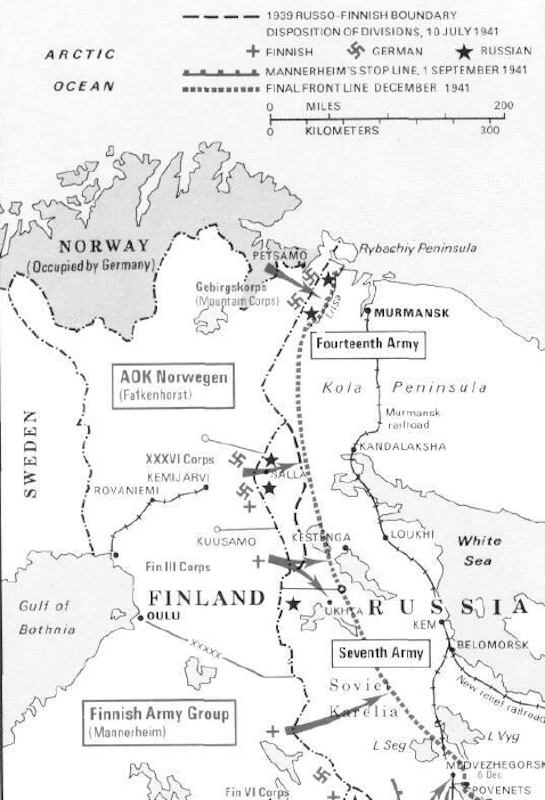
Murmansk, the Petsamo nickel district, and the single railway connecting them to central Russia formed a strategic triangle in the far north. Controlling or destroying any one of these would have hit the Soviet war effort hard.
This triangle put significant pressure on the Soviet troops defending those vital corridors.
Why Murmansk Mattered To Both Sides
Murmansk sits on Kola Bay in Murmansk Oblast. Its biggest military asset? The port never freezes.
Unlike Arkhangelsk, the Kola Bay stays open year-round for deep-water shipping. German planners and Allied strategists both saw Kola Bay as the natural terminus for convoys from Britain and North America to the Soviets.
If Germany took Murmansk or knocked it out, they’d close the most reliable Arctic entry for Lend-Lease goods. For the Soviets, holding Murmansk wasn’t really a choice—they needed it.
The port anchored the Northern Fleet and served as the gateway for tanks, aircraft, food, and raw materials. Eventually, all of that would flow in through Murmansk.
Petsamo And The Nickel Mines
Petsamo in Finnish Lapland had some of Europe’s richest nickel deposits. Germany depended on that nickel for armored steel production, and the mines had already been the subject of prewar economic deals.
After the Moscow Peace Treaty of 1940 put the Soviet border close to Petsamo, the mines became a forward vulnerability for Germany. Securing Petsamo quickly was both an economic and military priority.
Losing those mines to a Soviet counterattack early in the campaign would have hit German industry at a time when the Wehrmacht was already stretched thin.
The Murmansk Railway As The Central Objective
The Murmansk Railway, or Kirov Railway, ran about 1,000 kilometers south from Murmansk through Kandalaksha, Kem, and Loukhi. It connected with the Soviet rail network near Leningrad.
Cutting the railway anywhere between Murmansk and those supply nodes would isolate the port as surely as capturing it. Kandalaksha made the most sense as a target for this kind of interdiction.
A push through Salla to Kandalaksha would have split the railway, leaving Murmansk dependent on sea resupply. That was the core logic behind the southern arm of the Silver Fox pincer.
Lake Ladoga and the wider Leningrad situation gave the railway even more strategic weight, well beyond the Arctic theater alone.
From The Winter War To German-Finnish Planning
The political and military circumstances that made Operation Silver Fox possible came straight out of Finland’s tough spot after the Winter War. German-Finnish cooperation didn’t just appear in 1941—it grew out of slow negotiations shaped by Soviet pressure and Finland’s isolation.
The Legacy Of The Winter War And The Moscow Peace Treaty
The Winter War of 1939-1940 ended with the Moscow Peace Treaty in March 1940, handing over big chunks of Finnish territory to the Soviets. Finland lost the Karelian Isthmus, parts of Karelia, and the Hanko Peninsula as a naval base.
That settlement left Finland weakened, resentful, and strategically exposed. Gustaf Mannerheim led the Finnish Army, which had fought hard but lost ground during the Winter War.
The treaty gave the Soviets border positions that many Finns saw as a lingering threat. With other potential allies gone after Germany’s occupation of Norway and Denmark, Finland drifted toward Berlin.
German-Finnish Negotiations Before Barbarossa
Serious German-Finnish military talks kicked off in late 1940. Colonel Erich Buschenhagen, chief of staff of the Army of Norway, visited Helsinki in February 1941 and met with senior Finnish officers.
He also scouted the operational areas around Petsamo, Kuusamo, and eastern Rovaniemi. The planning document, finished in January 1941 by Nikolaus von Falkenhorst and his staff, laid the groundwork for Silver Fox.
Finnish cooperation focused on recovering lost territory, which would become the Continuation War. Germany needed Finnish forces and territory to launch credible attacks on Murmansk and the railway from the west.
Directive No. 21 And The Link To Operation Barbarossa
Hitler’s Directive No. 21, issued on 8 December 1940, set up Operation Barbarossa and explicitly included northern operations with Finnish involvement. Silver Fox sat inside the Barbarossa planning from the start.
The directive named Murmansk and the railway as targets for German-Finnish forces coming out of Lapland and Norway. This gave Silver Fox a specific mission within the broader campaign.
Transporting German formations into Finland under Blue Fox 1 and Blue Fox 2, using Swedish transit routes and Finnish rail lines from Oulu to Rovaniemi, followed directly from that directive.
Operational Design And Command Structure
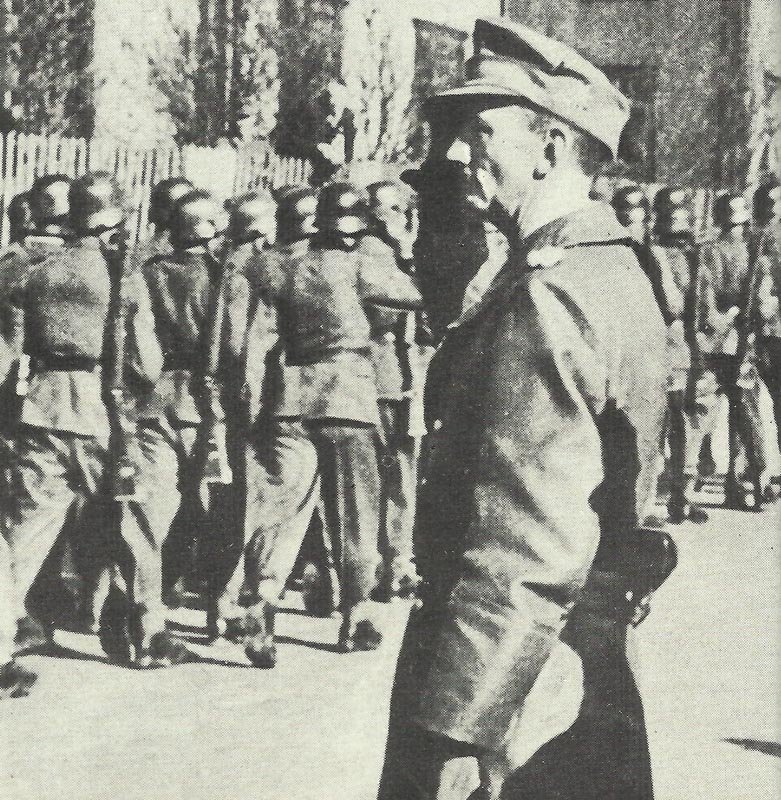
Silver Fox split its forces across three distinct axes. Each had its own sub-operation, commander, terrain, and objective.
The Army of Norway under Nikolaus von Falkenhorst held overall command. Eduard Dietl’s Mountain Corps Norway operated in the far north, while Hans Feige’s XXXVI Mountain Corps worked from the Salla area further south.
Operation Reindeer And The Opening Move At Petsamo
Operation Rentier, or Operation Reindeer, served as the opening phase. The 2nd and 3rd Mountain Divisions of Mountain Corps Norway moved into Petsamo and secured the nickel mines before the main offensive started.
This phase, called Unternehmen Rentier, wrapped up before Soviet resistance could really take shape. Eduard Dietl commanded this force.
His gebirgsjäger troops handled the terrain well, having proved themselves in Norway in 1940. These mountain soldiers trained for the vertical challenges and bitter cold of the Arctic.
Securing Petsamo without much of a fight gave Silver Fox a clean start for the push toward Murmansk.
Operation Platinum Fox From The North
Operation Platinum Fox—Unternehmen Platinfuchs or Platinakettu in Finnish—formed the northern prong. Mountain Corps Norway’s two divisions advanced east from Petsamo along the Arctic coast, aiming for Murmansk.
Finnish border units helped secure the Rybachy Peninsula on their flank. This was the boldest of the three operations.
The distance from Petsamo to Murmansk looked manageable on paper, but the tundra made it punishing. The terrain offered almost no cover, no real roads, and zero logistical infrastructure.
They had to move every kilogram of supply forward by pack animal, by hand, or by whatever means they could manage.
Operation Arctic Fox From Salla Toward Kandalaksha
Operation Arctic Fox—Unternehmen Polarfuchs or Napakettu—was the southern arm. XXXVI Mountain Corps under Hans Feige, with the German 169th Division and the 6th SS Mountain Division Nord, attacked from Salla toward the east.
Finnish III Corps under Hjalmar Siilasvuo operated further south, targeting Kestenga and the southern approaches to the railway. The main goal was Kandalaksha on the White Sea coast.
Cutting the Murmansk Railway there would isolate the port from central Russia. The Finnish Army sent the 6th Division across the border at midnight on 1 July.
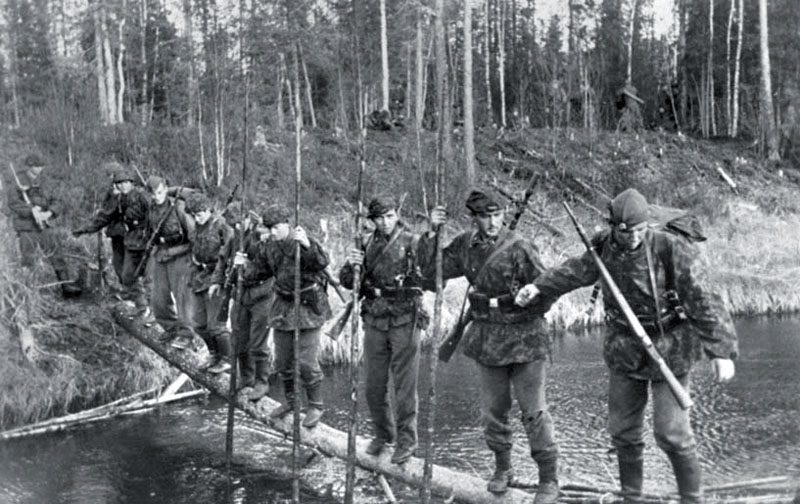
This sector ran through boreal forest, not open tundra. Various German divisions, including specialized gebirgsjäger, slogged through swamps in this region.
The Advance Toward Murmansk And Kandalaksha
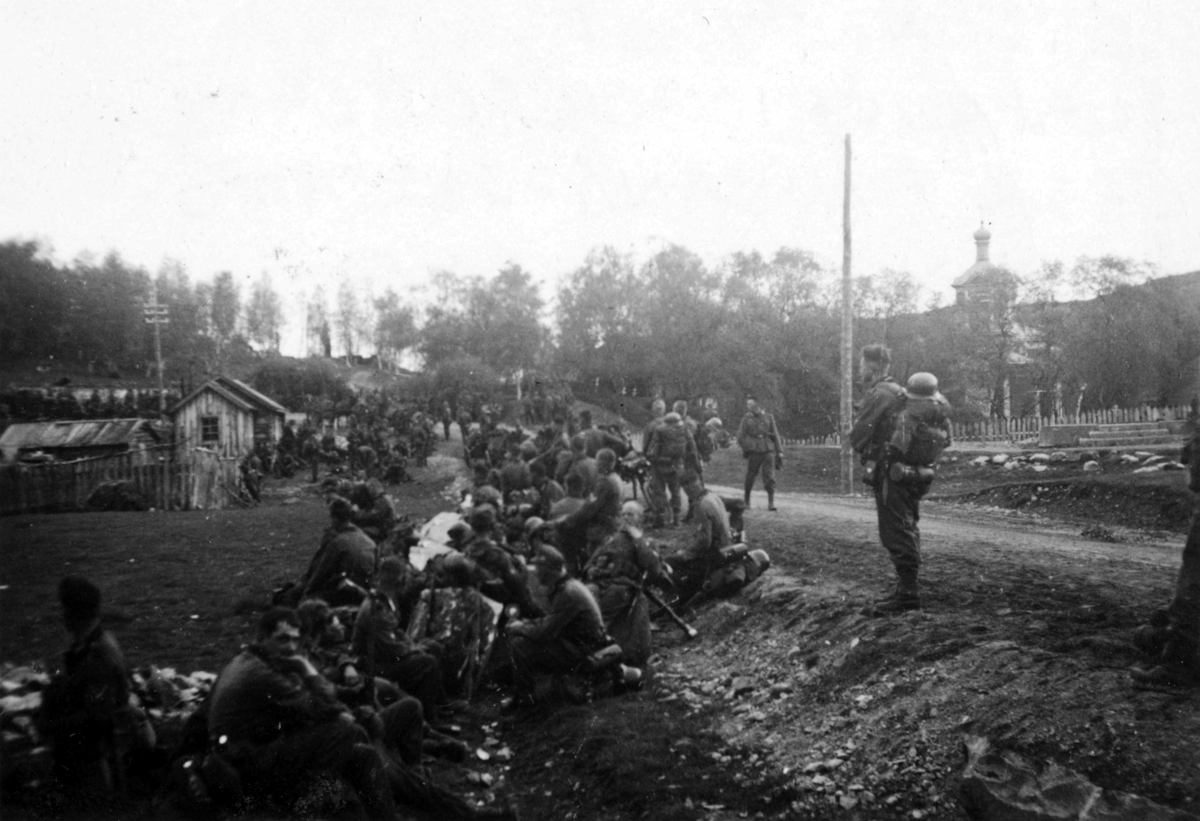
The fighting played out differently on each of the three axes. All three, though, followed a pattern: early gains, then slowing momentum, then Soviet recovery, and finally stalemate.
The terrain, the distances, and the quality of Soviet resistance each shaped the outcome in their own way across Lapland.
Fighting On The Litsa River Axis
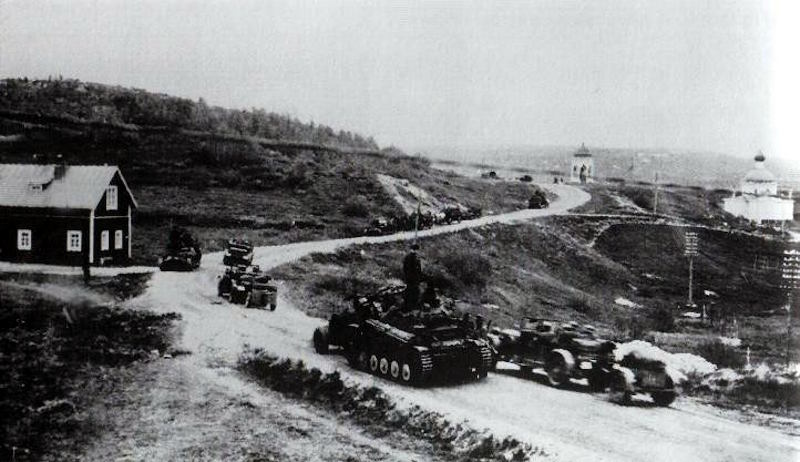
Mountain Corps Norway crossed from Petsamo toward Murmansk in late June 1941. The 2nd Mountain Division secured the neck of the Rybachy Peninsula, and the 3rd Mountain Division broke through Soviet positions in the Titovka Valley. They managed to take a bridge over the river early on.
These initial wins pushed the corps closer to the Zapadnaya Litsa River. But the Litsa—German troops just called it the Litsa—turned out to be a serious obstacle.
Soviet defenders dug in on the eastern bank and got reinforcements before the Germans could make a lasting crossing. The corps spent weeks trying to break through, but Soviet troops held the line. Murmansk stayed out of reach for the rest of the campaign.
The Salla Front And The Push East
On the Salla axis, XXXVI Corps attacked on 1 July 1941. The Finnish 6th Division crossed the border and made good progress against the Soviet 54th Rifle Division.
German formations followed, retook Salla, and pushed toward Alakurtti and the approaches to Kandalaksha. But progress slowed sharply as the corps moved further east.
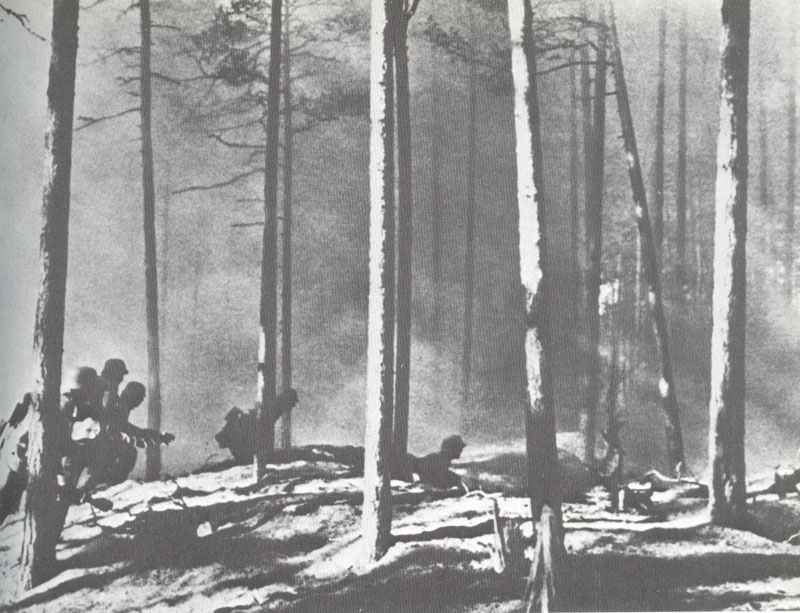
The forest terrain forced movement into narrow corridors. Soviet resistance stiffened as reinforcements arrived along the railway, including the 122nd Rifle Division.
By the time the corps got close to the Verman Line—the defensive positions the Soviets set up east of Alakurtti—the advance had lost momentum. They just couldn’t reach Kandalaksha.
Kestenga, Loukhi, And The Wider Southern Pincer
Finnish III Corps under Siilasvuo advanced through Kestenga toward Loukhi and the railway beyond. Loukhi was a key junction on the Murmansk Railway, and reaching it would have created another point of interdiction north of Kandalaksha.
The Finnish units took Kiestinki and pushed toward Loukhi but got stopped short of the railway at Ukhta and Kayraly. Soviet defensive positions, reinforced by the railway, held firm. The southern pincer, like the northern one, ended up stabilizing well short of its goal.
Soviet Defense And The Arctic Battlefield
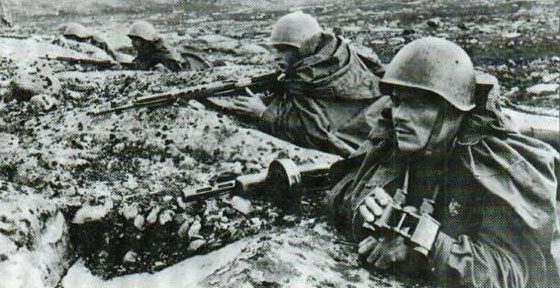
Soviet resistance in the Arctic grew out of the command structure of the Northern Front and the units stationed in Murmansk Oblast and Karelia. Soviet preparations weren’t complete at first, but local commanders adapted faster than Axis planners expected.
Northern Front Command And Local Soviet Forces
Lieutenant-General Markian Popov led the Soviet Northern Front at the start of the campaign. He was supposed to stop the multi-pronged Silberfuchs offensive from reaching the coast.
The front included the 7th and 14th Armies, covering the border from the Arctic coast down to Lake Ladoga. The 14th Army, responsible for the Murmansk sector, included the 42nd Rifle Corps, 14th and 52nd Rifle Divisions, 1st Polar Rifle Division, and 1st Tank Division.
On 23 August 1941, the Northern Front split. Valerian Frolov took over the new Karelian Front and led the final defensive efforts that stalled Silberfuchs. The Karelian Front covered the huge sector relevant to Operation Silver Fox 1941.
Roman Panin replaced Frolov in command of the 14th Army. Local units like the 104th and 88th Rifle Divisions fought in this area too.
Terrain, Weather, And Arctic Warfare
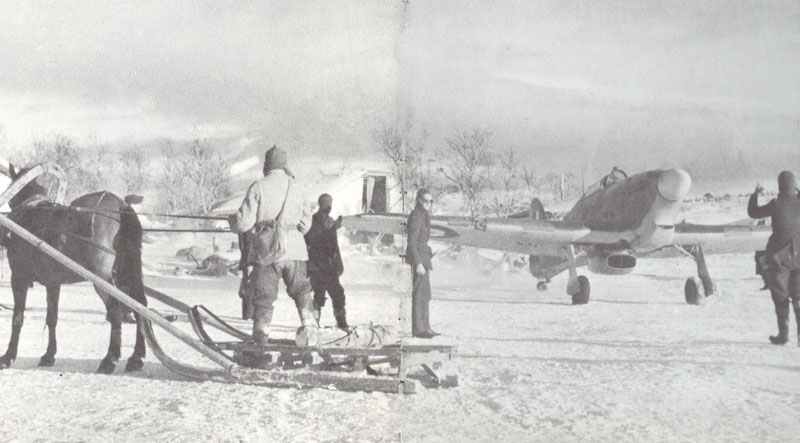
The terrain north of the Arctic Circle made life hard for both sides. The tundra offered no cover, so troops and vehicles stood out as easy targets. Artillery and air attacks battered exposed German columns.
Moving off the few tracks meant dragging equipment through bogs, rocks, and rivers. Arctic weather didn’t help either. Even in summer, it was wet and cold.
Supply lines from Petsamo and Salla stretched across mostly trackless ground and couldn’t deliver enough supplies for a mountain corps to keep up offensive operations. The terrain really capped how fast anyone could move up here. It was a brutal place to fight in 1941.
Air And Naval Support In The Murmansk Sector
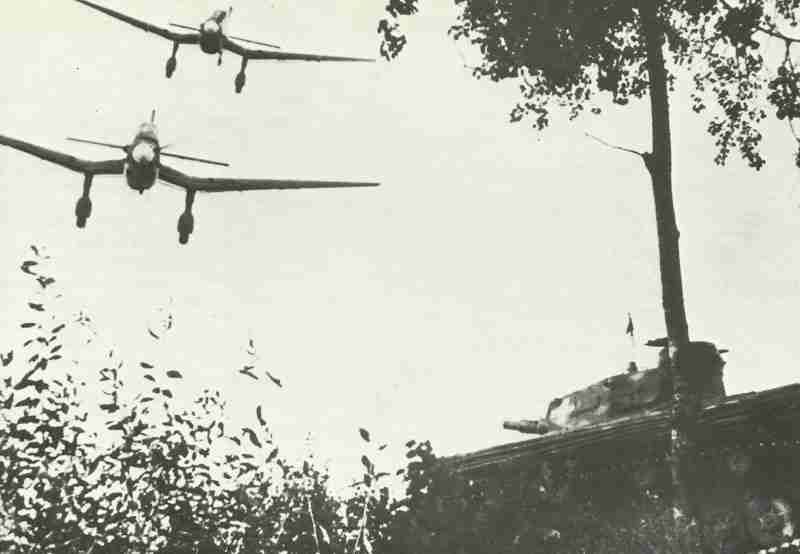
Luftflotte 5 provided air support for Operation Silver Fox 1941 from Norway. They had around 60 aircraft, including Junkers Ju 87s and Ju 88s. These bombers played a big role in interdiction and close air support.
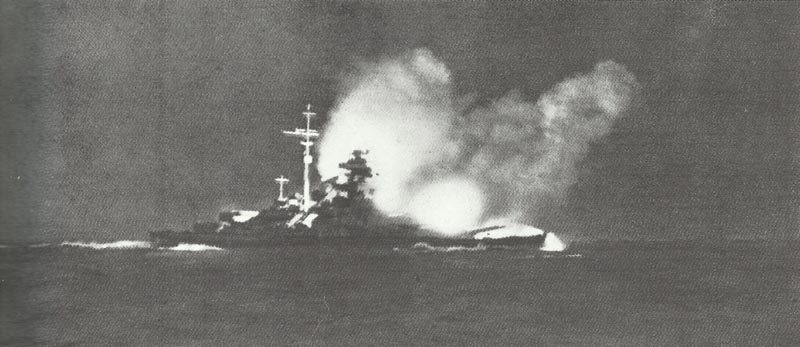
Soviet air defense over Murmansk was thin at first. The Soviet Northern Fleet gave some naval fire support and helped with logistics for the defense of the Kola Peninsula.
The Finnish Air Force also pitched in with reconnaissance and fighter support in the south. As the Northern Fleet brought in reinforcements, the balance of air power shifted a bit. The Luftwaffe couldn’t hit the Murmansk Railway from Norway that often—range and Soviet air defenses limited them.
Why The Offensive Failed
Silver Fox couldn’t capture Murmansk or cut the Murmansk Railway. Logistical strain, command friction, and Soviet resilience all played a part. No single reason explains it; it was a mix of tough geography, planning limits, and an enemy that bounced back faster than the Germans expected.
Logistics, Supply, And Mobility Problems
The biggest problem was supply. Mountain Corps Norway and XXXVI Corps operated at the end of long, thin supply lines running through Finnish Lapland and Arctic Norway.
No real roads existed for sustained military logistics in the Petsamo-Murmansk corridor. Pack animals, small boats, and manual labor carried most supplies forward.
As the corps advanced, the distance from base to front grew while the supply system couldn’t keep up. By the time German units reached the Litsa and the Verman Line, they got much less ammunition, food, and fuel than they needed. Offensive operations just weren’t possible under those conditions.
Command Friction And Political Limits
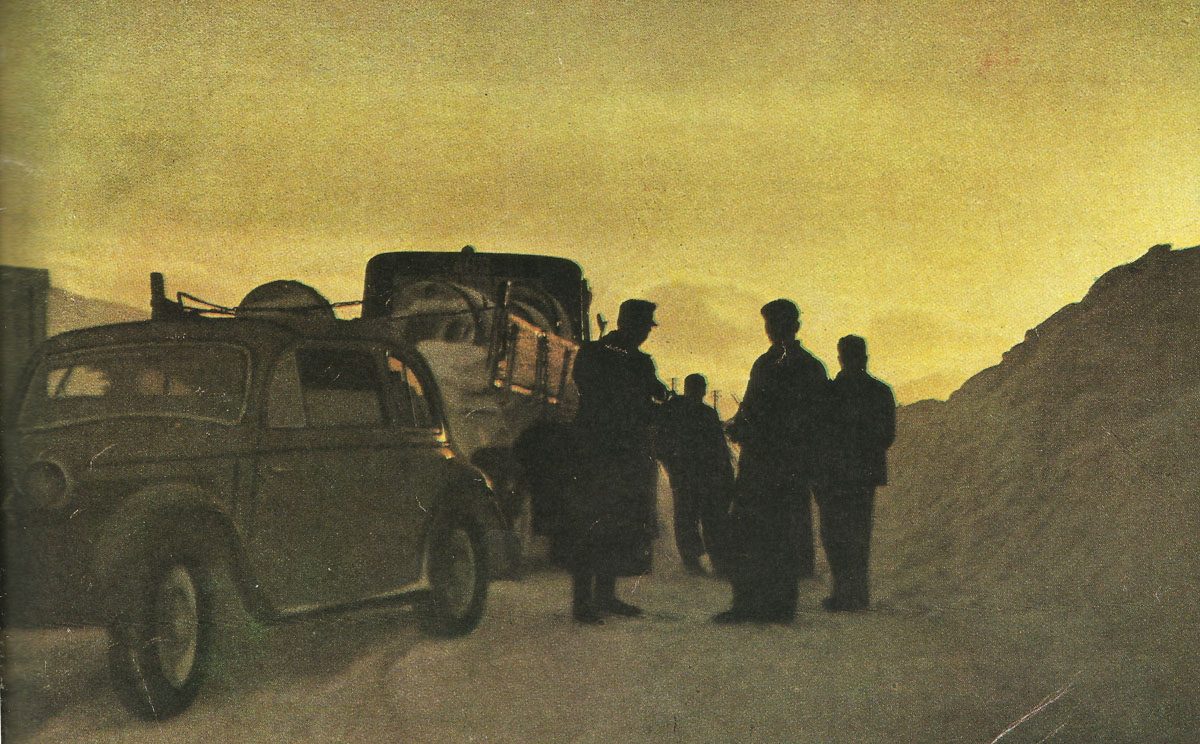
German and Finnish command relationships got complicated by different national goals. Finland’s leaders, including Mannerheim, wanted to take back territory lost in the Winter War but hesitated to go further into Soviet territory just to help Germany.
This caution shaped how far Finnish troops pushed on the southern axes. At the operational level, German and Finnish units had to negotiate constantly to coordinate. Mixed German-Finnish groups inside XXXVI Corps sometimes struggled with communication and doctrine.
The Finnish 6th Division’s role in Arctic Fox showed both the strengths and limits of the partnership. Politics always lurked in the background.
Soviet Reinforcement And Defensive Recovery
Soviet defenders along each axis got reinforcements faster than German planners guessed. The Murmansk Railway—the main target—was also the Soviet supply route. Troops and equipment could move north along the railway to reinforce the sectors under attack.
Soviet recovery at the Litsa was the clearest example. Fresh rifle divisions and support arrived before Mountain Corps Norway could exploit its early gains. On the Salla axis, the Verman Line was built and manned before XXXVI Corps could break through to Kandalaksha.
Basically, the railway the attackers wanted to cut was the same one helping the defenders stop them.
Consequences For The Northern War
The failure of Operation Silver Fox 1941 changed the strategic picture for World War II. These effects went way beyond the north. Murmansk’s survival as a port shifted the logistics for the Eastern Front, and the lines in Lapland froze into a static front that lasted until 1944.
Murmansk, Arctic Convoys, And Lend-Lease
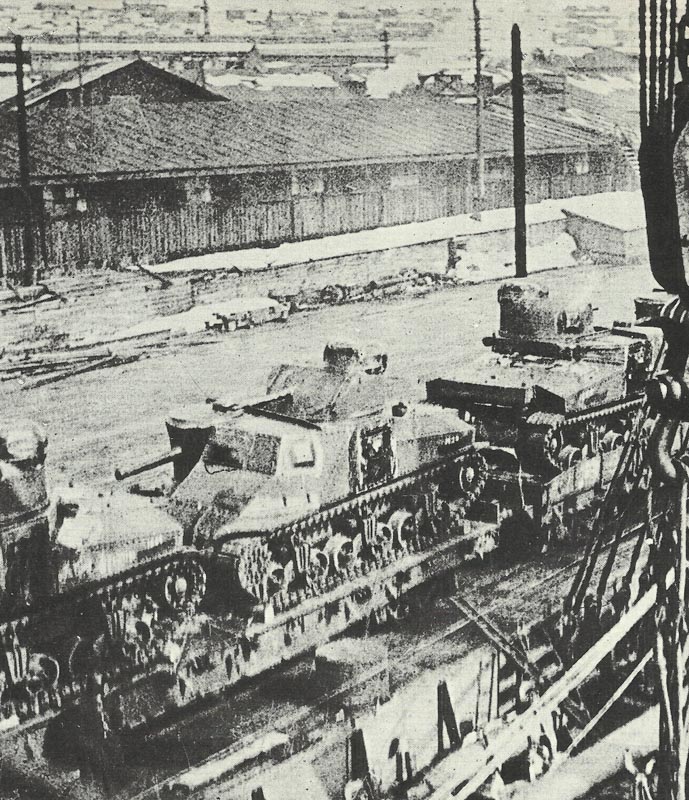
Murmansk stayed in Soviet hands for the entire war. From late 1941, Allied Arctic convoys began delivering supplies to the port in growing numbers. Lend-Lease goods—tanks, aircraft, food, raw materials—flowed through Murmansk and then down the railway.
The port’s survival wasn’t a sure thing in summer 1941, and Silver Fox’s failure kept it open. By 1942 and 1943, Arctic convoy deliveries had ramped up. If the Murmansk Railway had been cut at Kandalaksha in 1941, the whole Arctic supply route would’ve been lost at the worst possible moment.
The Campaign’s Place In The Continuation War
For Finland, Silver Fox was the opening phase of the Continuation War against the Soviet Union. Finnish forces took back much of the territory lost in the Moscow Peace Treaty, especially on the Karelian Isthmus, during separate operations further south.
The northern front stabilized pretty quickly and became a secondary theater for Finland. Finnish political restraint on the northern axes—especially the reluctance to push beyond former Finnish borders near Murmansk—showed the government knew Finnish and German aims weren’t the same. This difference limited Silver Fox without breaking the alliance.
From Stalemate To The Petsamo-Kirkenes Operation
The front in Lapland and on the Kola Peninsula stayed basically static from late 1941 until 1944. Neither side managed a big offensive during those years. German forces held Petsamo and Kirkenes; Soviets held Murmansk and the railway.
Things flipped in October 1944 with the Soviet Petsamo-Kirkenes Operation. Soviet forces, now much stronger and better equipped—thanks in part to Lend-Lease through Murmansk—attacked and drove the Germans out of Petsamo and northern Norway. The port Silver Fox failed to capture ended up supplying the army that kicked Germany out of the Arctic.
Frequently Asked Questions
What were the primary objectives and strategic context of the 1941 German-Finnish offensive in the Arctic aimed at Murmansk?
Operation Silver Fox aimed to capture or isolate Murmansk, secure the Petsamo nickel mines, and cut the Murmansk Railway at Kandalaksha. It ran from 29 June to 17 November 1941 as part of Operation Barbarossa, with the northern campaign meant to deny the Soviets their only year-round Arctic port before Allied convoys could set up a regular route.
Which forces and commanders took part in the Arctic campaign against the Murmansk region, and how were their roles divided?
Nikolaus von Falkenhorst of the Army of Norway held overall command. Eduard Dietl led Mountain Corps Norway on the northern Platinum Fox axis toward Murmansk, Hans Feige commanded XXXVI Mountain Corps on the Salla-Kandalaksha axis, and Hjalmar Siilasvuo led Finnish III Corps on the southern approach toward Kestenga and Loukhi.
How did terrain, climate, and logistics shape the planning and execution of the northern offensive in 1941?
The Arctic tundra north of Petsamo offered no cover and almost no roads, so German mountain troops relied on pack animals and manual supply over distances that quickly became unsustainable. The boreal forest on the Salla axis forced movement into narrow corridors, while summer bogs and rivers slowed every formation, no matter how well trained.
Why did the advance toward Murmansk and the Kirov Railway stall, and what were the key operational turning points?
The advance stalled because Soviet defenders got reinforcements along the Murmansk Railway faster than German forces could cross rough terrain without enough supplies. Failing to cross the Litsa River for good on the northern axis and the Soviets building the Verman Line east of Alakurtti on the central axis were the big turning points.
How did the fighting in the far north affect Arctic convoy supply routes and the broader Eastern Front war effort?
Silver Fox failed, so Murmansk stayed open as the main hub for Allied Arctic convoys all through the war. Lend-Lease supplies—tanks, aircraft, food, you name it—started showing up at the port from late 1941.
The Murmansk Railway, still intact, sent those goods south. By 1942 and 1943, this supply line grew massively, boosting the Soviets’ ability to fight on the Eastern Front.
What counterfactual outcomes are most plausible if the 1941 Arctic operation had reached Murmansk or severed the rail line?
If Germany had seized Murmansk or cut the railway at Kandalaksha, the Soviets would’ve lost their most accessible Arctic supply route right when they needed it most. Arkhangelsk, the only other Arctic port, freezes solid in winter.
Without Murmansk, year-round convoys just wouldn’t have worked. Allied planners would’ve scrambled to find other routes, maybe through Iran, putting even more pressure on those already stretched supply lines during the critical years of 1942 and 1943.
References and literature
Der Grosse Atlas zum II. Weltkrieg (Peter Young)
Operation Barbarossa: the Complete Organisational and Statistical Analysis, and Military Simulation, Volume I – IIIB (Nigel Askey)
Germany’s Eastern Front Allies 1941-45 (Peter Abbott, Nigel Thomas)
Das Deutsche Reich und der Zweite Weltkrieg (10 Bände, Zentrum für Militärgeschichte)
Der 2. Weltkrieg (C. Bertelsmann Verlag)
Zweiter Weltkrieg in Bildern (Mathias Färber)
A World at Arms – A Global History of World War II (Gerhard L. Weinberg)
Signal, Years of Triumph 1940-42 + 1943-44 – Hitler’s Wartime Picture Magazine (S.L.Mayer)
Kriegstagebuch des Oberkommandos der Wehrmacht, Band 1-8 (Percy E. Schramm)