
The Italian attack on Greece on October 28, 1940: Causes, Battles, and Impact.
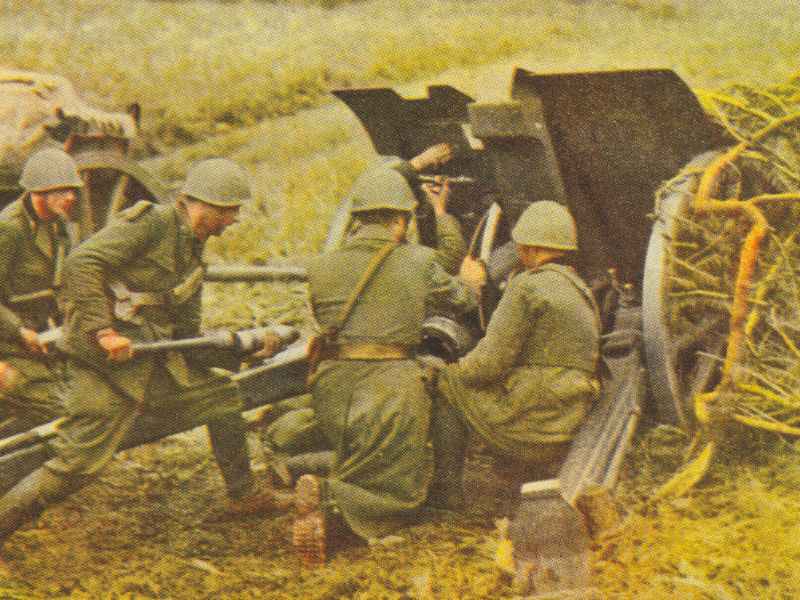
On October 28, 1940, Italy launched an invasion of Greece that quickly turned into one of World War II’s more embarrassing failures. The Italian attack started with an ultimatum demanding Greek territory but ended in defeat, forcing Germany to step in and delaying the Nazi invasion of the Soviet Union.
What began as Mussolini’s bid to keep up with Hitler’s conquests ended with Italian forces getting shoved back into Albania by surprisingly tough Greek defenders.
This invasion was kind of a turning point in the Mediterranean. Italian troops, who already held Albania, crossed into Greece expecting a quick and easy win over what they saw as a weak opponent.
Instead, they ran into fierce Greek resistance. Not only did the Greeks hold the line, they counterattacked and pushed the Italians back.
The fighting exposed serious problems in Italian military planning and equipment. At the same time, Greece surprised everyone with its military capabilities.
Background to the Italian Invasion
Italy’s attack on Greece in October 1940 grew out of Mussolini’s imperial ambitions, worsening relations between the two countries, and Italy’s strategic position in Albania. These factors set the stage for one of World War II‘s earliest and most dramatic confrontations.
Italy’s Expansionist Ambitions
Mussolini pictured Italy as a new Roman Empire dominating the Mediterranean region. In the late 1920s, he insisted that Fascist Italy needed spazio vitale—living space for its people.
His dream empire would stretch from Gibraltar to the Persian Gulf. That included control over the Mediterranean-Danubian-Balkan region.
Italy’s expansion got real in the 1930s. The Second Italo-Ethiopian War in 1935 kicked off a new era of aggression.
Italy then jumped into the Spanish Civil War, backing Franco’s side to victory. By 1940, Mussolini had already invaded France and Egypt.
His forces controlled Albania and threatened British positions in North Africa. Greece looked like the next logical target.
The fascist regime aimed for protectorates over several Balkan countries—Yugoslavia, Bulgaria, Romania, and Hungary—all in Italy’s imagined sphere of influence.
Greek-Italian Relations Before 1940
Relations between Greece and Italy had been rocky since World War I. Italy held the Greek-inhabited Dodecanese Islands after taking them from the Ottomans in 1912.
They’d promised in 1919 to hand the islands to Greece but never did. That broken promise left bad blood.
Key incidents made things worse:
- 1923: Mussolini bombarded and occupied Corfu after an Italian general was murdered
- 1920s: Italy meddled with Greek operations in Turkey
- 1940: Italy started attacking Greek ships and submarines
After losing territory to Turkey in 1923, Greece took a defensive stance in foreign policy. Bulgaria threatened from the north, and Greece had few friends nearby.
By the summer of 1940, Italy openly provoked Greece. Italian bombers attacked Greek warships in July.
On August 15, an Italian submarine sank the Greek cruiser Elli during a religious holiday. These attacks set the stage for Mussolini’s October ultimatum.
Impact of Albania’s Occupation
Italy’s takeover of Albania in April 1939 handed Mussolini a perfect launchpad for his next move. The three-day invasion put Italian troops right on Greece’s doorstep.
Albania served two purposes for Mussolini. It gave Italy living space and a military base for Balkan operations.
With six Italian divisions stationed in Albania, Italy could strike northern Greece without much trouble. No need for complicated naval invasions or long supply lines.
Albania’s strategic perks included:
- Direct land border with Greece
- Mountain passes into Greek territory
- Existing military infrastructure
- Some local population support
At first, Mussolini wanted to invade Yugoslavia from Albania. Hitler shot down that idea, and Italy didn’t have the transport for it anyway.
So, Albania became the staging ground when Mussolini switched his sights to Greece. It let Italy launch a land invasion without waiting on Germany or the other Axis powers.
The Build-Up to War
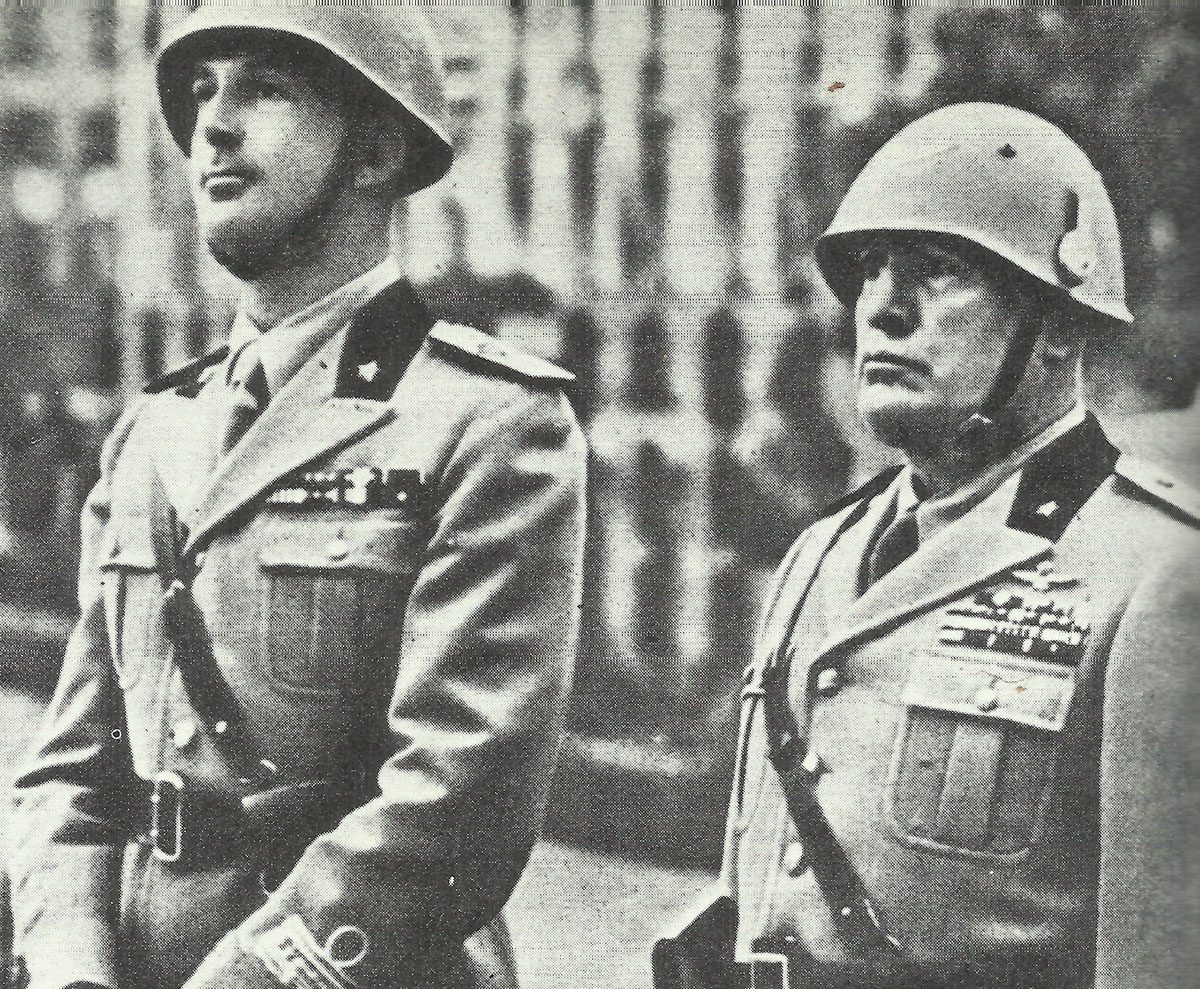
By October 1940, Italy had plenty pushing it toward war with Greece. Mussolini’s personal ambitions, tangled diplomacy with Germany, and Greece’s strategic location all played a part.
Mussolini’s Decision to Invade
Mussolini wasn’t happy with Italy’s meager gains in World War II by autumn 1940. After joining the war, they’d only grabbed 13 tiny villages in southern France.
He wanted to show Italy could win battles without Germany’s help. Mussolini thought Greece would be an easy win and a boost for his reputation.
He believed Italy deserved its own sphere of influence in the Mediterranean. The Balkans seemed like a natural fit for expansion.
Honestly, the decision came down to Mussolini’s personal ambition more than any strategic need. Italy and Greece hadn’t been fighting before this.
With Albanian ports already under Italian control, Mussolini figured he had the upper hand for an invasion.
Diplomatic Maneuvering
Greece tried to steer clear of the wider war. Prime Minister Ioannis Metaxas worked hard to keep both sides at arm’s length.
Italy started making impossible demands on Greece in 1940. These weren’t meant to solve anything—they were just meant to provoke.
Mussolini wanted to hand Hitler a victory, not ask for permission. He didn’t even tell Germany about his invasion plans.
Greece looked to Britain for help as tensions rose. But British forces were stretched thin everywhere.
Diplomacy really didn’t have a chance. Mussolini had already made up his mind—he just used negotiations to stall for time.
Tensions With Germany
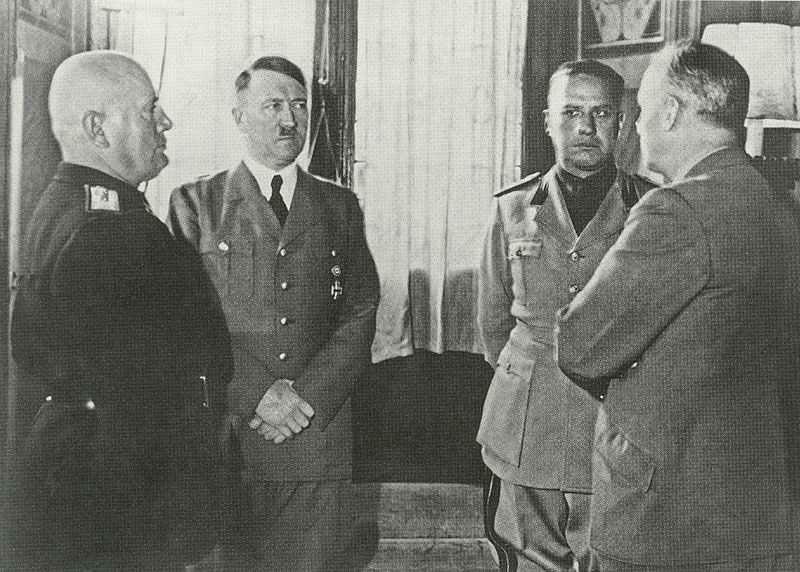
Hitler didn’t like Italy opening new fronts without talking it over. He wanted the Balkans stable while he focused elsewhere.
Germany worried that fighting in Greece would attract British forces to the region. That could threaten the Romanian oil Germany needed.
Mussolini felt upstaged by Germany’s military victories. He was desperate to prove Italy could win on its own.
This lack of coordination between the Axis partners backfired. Germany had to step in and help Italy once the invasion went south.
Hitler stayed focused on planning the invasion of the Soviet Union. The Greek campaign was just an unwanted headache for him.
Preparations by Greece
Greece had quietly been getting ready for trouble since the war in Europe started. The military put most of its effort into defending the Albanian border.
Ioannis Metaxas ordered the mobilization of Greek forces when Italian threats grew louder. That gave Greece a little time to get troops in place.
Greek forces were outnumbered, but they knew the local terrain. They’d fought in the mountains of northern Greece before.
Britain sent some modern equipment, but the Greeks still had fewer weapons overall. Even so, morale was high—people were determined to defend their country.
The Ultimatum and Greece’s Response
On October 28, 1940, Italy issued a harsh ultimatum demanding military occupation of key Greek sites. Prime Minister Ioannis Metaxas said “no,” and war broke out almost instantly.
Mussolini’s Ultimatum to Greece
At 3:00 AM on October 28, 1940, Italian Ambassador Emanuele Grazzi handed Mussolini’s ultimatum to Metaxas. The document accused Greece of letting Britain use military bases in Crete and other islands against Axis forces.
Italy also claimed Greece was mistreating Albanians in border areas. The ultimatum said these actions broke Greece’s neutrality and threatened Italy’s interests.
Key Demands:
- Let Italian troops occupy vague “strategic locations”
- Allow Italian forces to stay for the rest of the war against Britain
- Give new guarantees of neutrality toward Italy
The ultimatum gave Greece barely any time to reply. The demands were so vague and sweeping that Greece couldn’t possibly accept them.
Ioannis Metaxas and the Historic ‘Όχι’ (No)
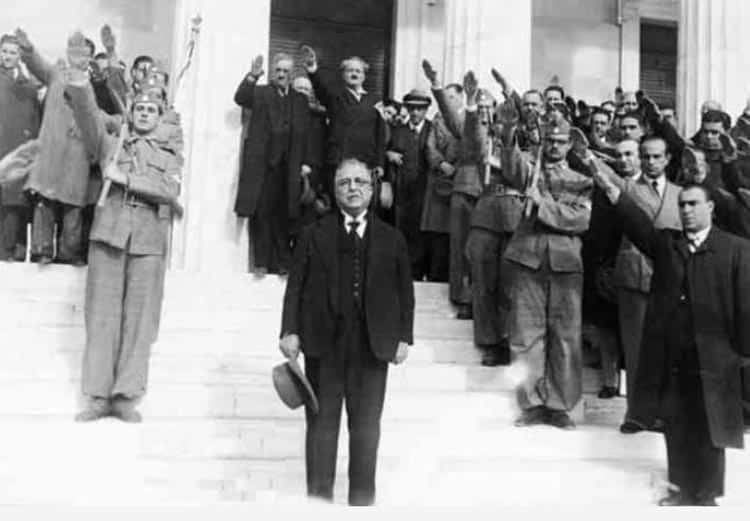
Metaxas got the ultimatum in the early morning. According to popular history, he replied with one word: “Όχι” (“ohi”), which means “no” in Greek.
His actual words were probably closer to “So this is war!” Still, the simple “no” became a symbol of Greek defiance. Metaxas knew giving in would mean surrendering Greek independence.
The rejection came fast. Within hours, Italian troops invaded from Albania, which they already controlled.
Ohi Day: National Significance
October 28 is now called Ohi Day in Greece, marking the country’s refusal to cave to fascist demands. It’s a day that stands for resistance and national pride.
Ohi Day is Greece’s second national holiday after Independence Day. Every year, Greeks celebrate the courage their country showed in 1940.
The “no” of October 28, 1940, kicked off Greece’s fight in World War II. It showed that even small nations could stand up to the Axis, and inspired others facing occupation.
The Course of the Invasion
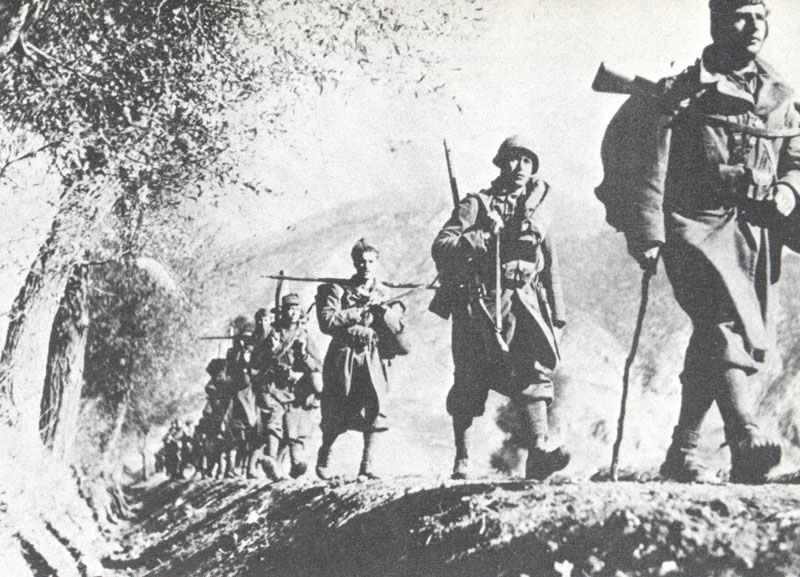
The Italian invasion of Greece kicked off on October 28, 1940. Poorly equipped Italian troops attacked from Albania, aiming for the mountainous Epirus region.
Greek forces didn’t just hold the line—they counterattacked and pushed the Italians right back across the border. The whole thing turned into a fiasco for Italy almost immediately.
Initial Italian Offensives From Albania
Italy threw 87,000 troops into the invasion, spread across six divisions. Their plan involved attacking from Albania along three main routes into northern Greece.
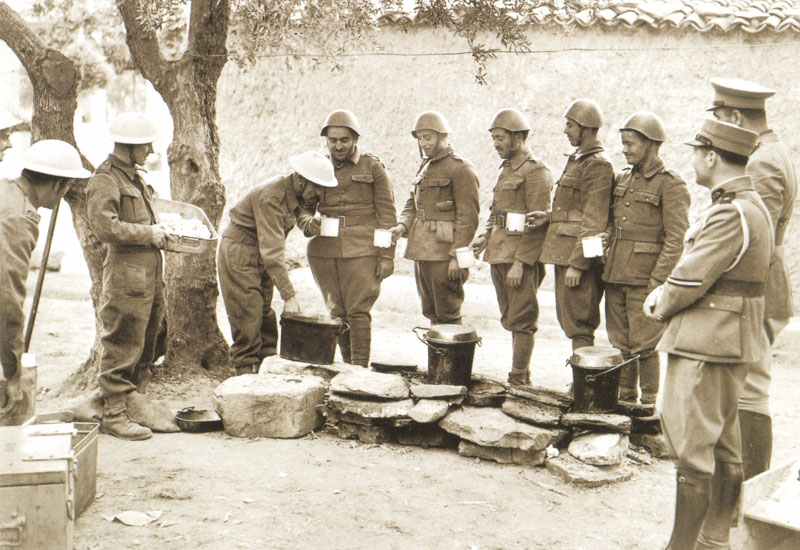
The Italian army just wasn’t up for the challenge. Many soldiers didn’t even have proper winter gear.
The command structure? Pretty shaky. They kept changing leaders during those first chaotic months.
Italian Forces (October 1940):
- 87,000 troops
- 6 divisions
- 463 aircraft
- 163 light tanks
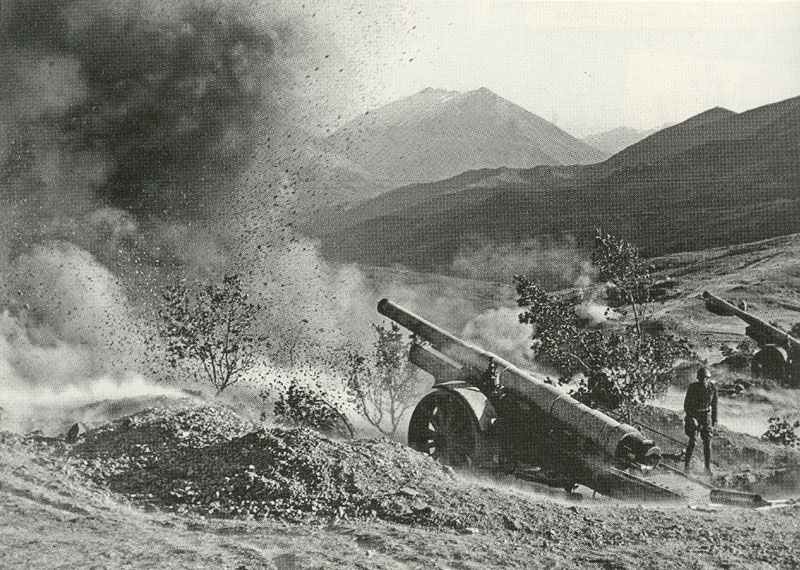
- 686 artillery pieces
Mussolini launched the attack without telling Germany. That move really strained the Axis alliance.
Italian troops barely made it a few kilometers into Greece. The mountains and rough terrain slowed them to a crawl.
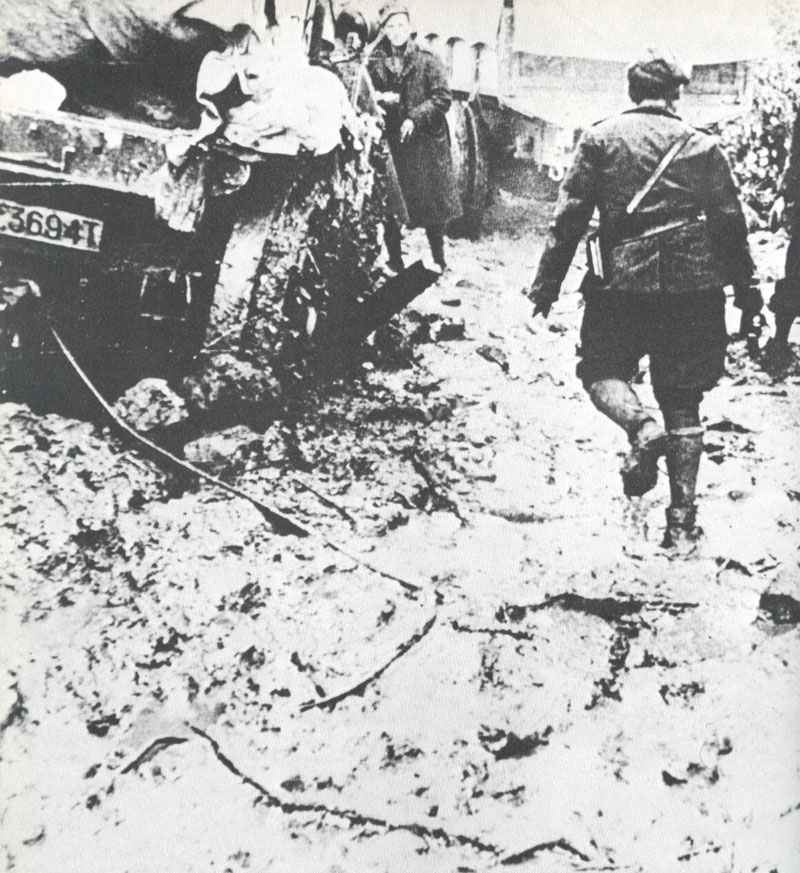
Bad weather—mud, rain, you name it—made things even worse for the attackers. By mid-November 1940, the Italian advance had completely stalled.
Greek resistance turned out way tougher than Italian commanders guessed. The Italians found themselves stuck and scrambling.
Battles in Epirus
Most of the fighting happened in Epirus, up in northwestern Greece. The mountains and valleys there gave the Greek army natural defensive positions.
General Alexandros Papagos led the Greeks. He organized a solid defense and used the terrain to the Greeks’ advantage.
Key Epirus Battles:
- Pindus Mountains – Italian Alpine division defeated
- Konitsa – Greek forces held defensive lines
- Metsovo Pass – Critical mountain route secured by Greeks
The Italian Julia Alpine Division took heavy losses in the Pindus Mountains. Greek mountain troops, who knew the land like the back of their hand, outfought the Italians every step.
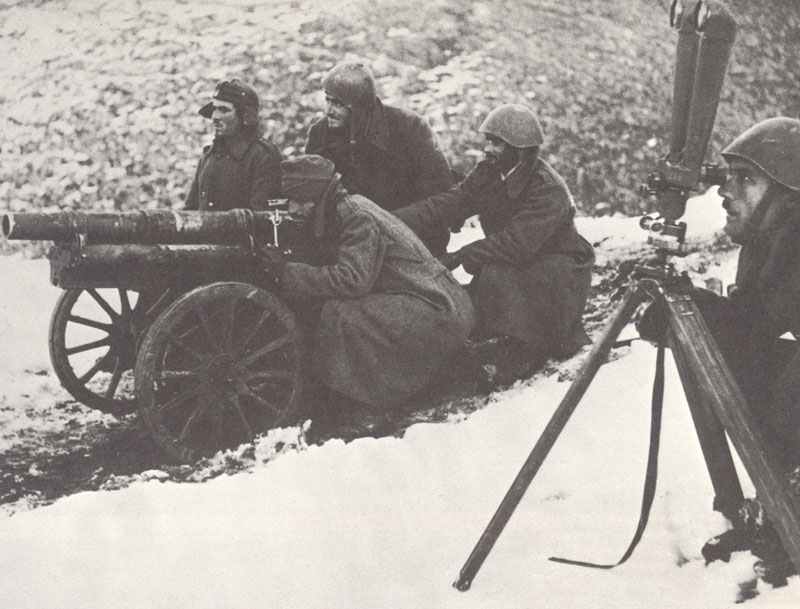
Winter weather hit both armies hard. But the Italians, lacking gear and training for mountain warfare, suffered the most.
By November, Italian morale had cratered. Frostbite and cold-weather injuries piled up.
Greek Counteroffensive and Advances
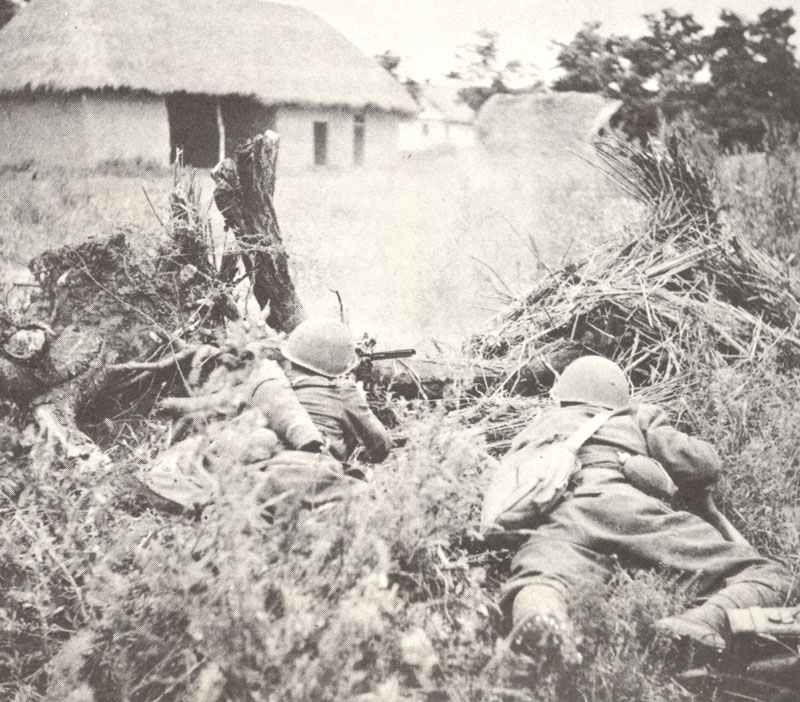
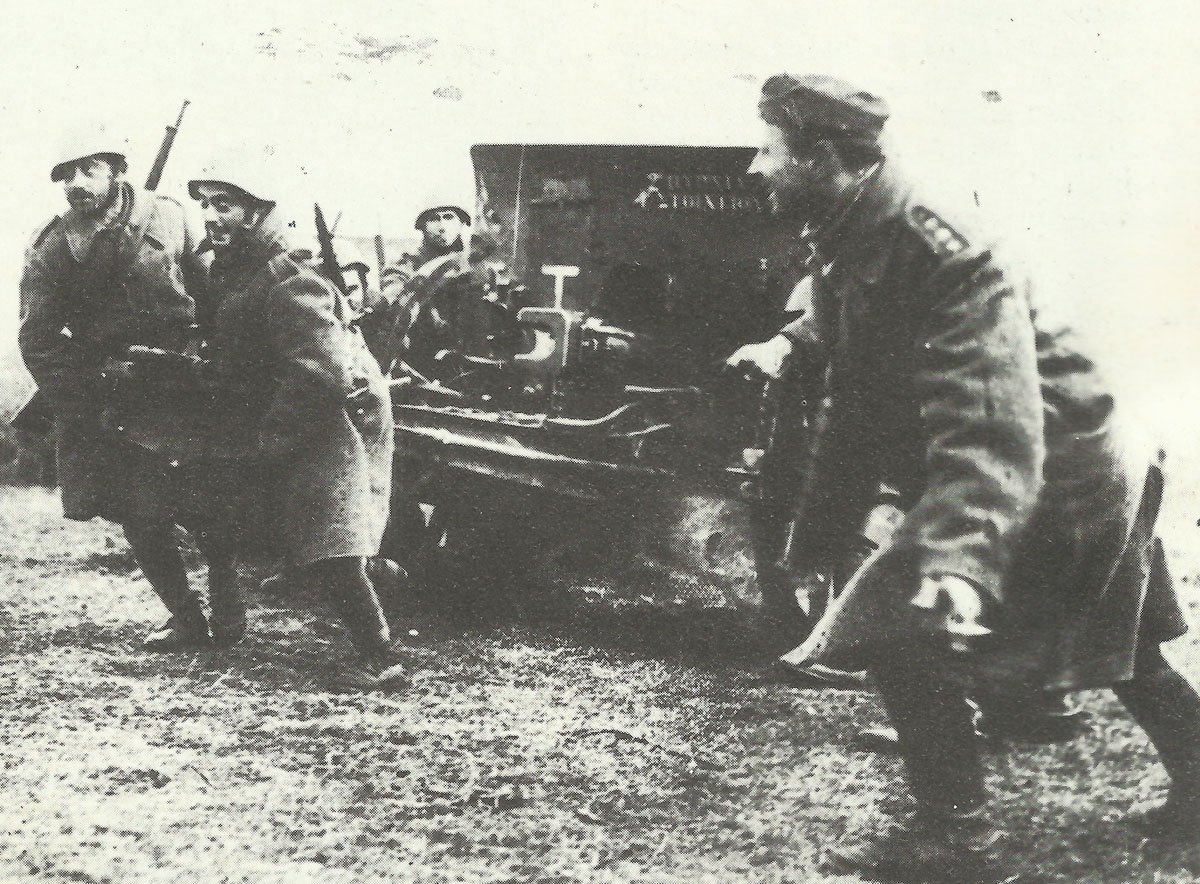
Mid-November 1940, the Greeks went on the offensive. They pushed the Italians back into Albania.
The Greek army mobilized fast—jumping from four divisions in October to thirteen by December. That’s a huge ramp-up.
Greek troops advanced deep into Albania, grabbing key towns and strong positions from the Italians. The push kept going through the tough winter of 1940-41.
Greek Territorial Gains:
- Captured Korçë in November 1940
- Took Gjirokastër in December 1940
- Seized Klisura Pass in January 1941
By January 1941, the Greeks had reached their furthest point. They controlled about a quarter of Albania.
Come February, things just ground to a halt. Both sides were worn out from months of fighting and brutal weather. Supplies ran low, and the Greeks couldn’t push any further.
Role of the British and Allies
Britain stepped in with crucial support. The Royal Air Force sent planes and pilots to help defend Greek skies.
British aid also meant weapons, ammo, and supplies. That help kept Greek forces in the fight against Italy.
British Support to Greece:
- Air squadrons with experienced pilots
- Military supplies and ammunition
- Financial assistance
- Naval support in the Mediterranean
British ground troops arrived in Greece by March 1941. Still, most Greek soldiers stayed busy fighting Italians in Albania.
Hitler started to worry about his southern flank with the British getting involved. That fear pushed Germany to invade Greece in April 1941.
Britain’s involvement turned what started as a regional fight into a much bigger piece of World War II. The campaign pulled in German forces and really expanded the war in southeastern Europe.
Consequences of the Failed Italian Campaign
The Italian invasion of Greece didn’t just flop on the battlefield—it set off a whole chain of military and political disasters. Hitler had to step in to save his ally, and Greece ended up suffering horribly under occupation.
Impact on Italian Morale and Military
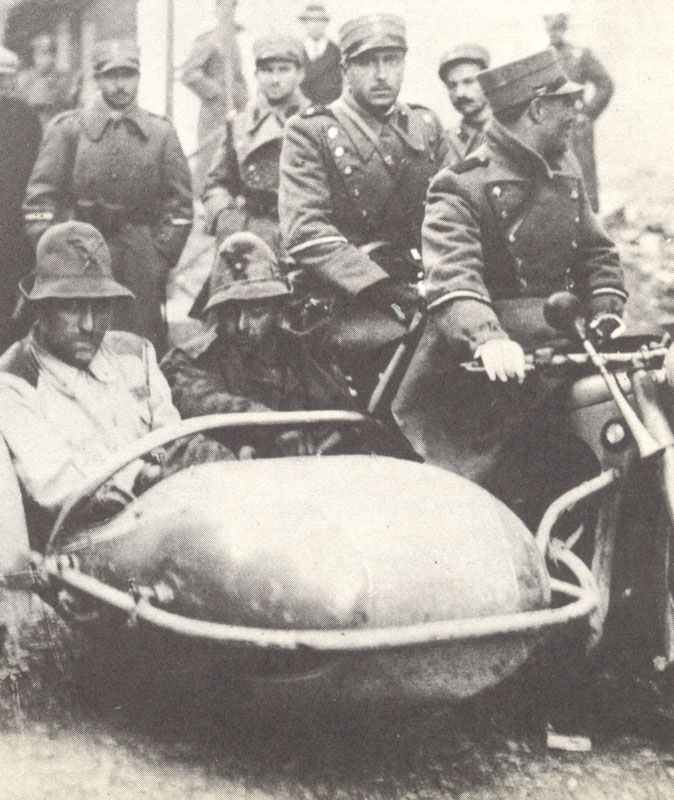
The Greek campaign shattered Italian confidence and exposed deep flaws in Mussolini’s military. Within weeks of the October 1940 invasion, Italian troops were fleeing Greek counterattacks in total disarray.
Military casualties mounted rapidly:
- 631 dead and 2,631 wounded in initial fighting
- Elite 3rd Julia Alpine Division suffered 2,500 casualties at Metsovon Pass
- Thousands more captured by advancing Greek forces
Supply problems became impossible to ignore. Ships carrying essentials to Albanian ports found the docks clogged with marble meant for Fascist buildings. So, equipment sat idle while troops froze and starved in the mountains.
Italian generals didn’t hold back their criticism. General Quirino Armellini described “disorder, lack of preparation, and muddle in every sphere.” Faith in Mussolini’s strategy just evaporated.
Morale among Italian troops collapsed. Many surrendered without much fight. Some Greek prisoners even had bite marks—evidence of desperate close combat as Italians tried to hang on.
German Intervention and the Balkan Campaign
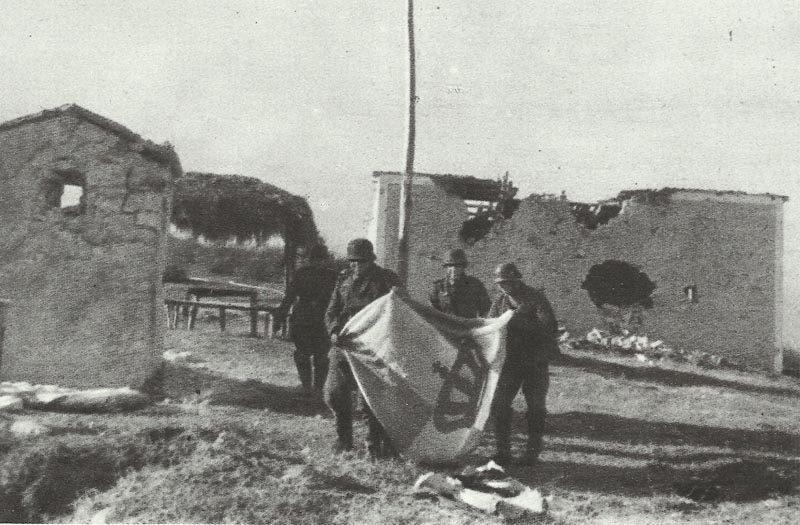
Hitler lost his temper when he found out about Mussolini’s invasion plans. He had to drop other priorities and send troops to bail out Italy and secure the Balkans.
The Greek mess forced Germany to delay Operation Barbarossa, the invasion of the Soviet Union. Troops meant for Russia got stuck fighting in Greece instead.
Key German interventions included:
- Direct military support to Italian forces
- Full German invasion of Greece in April 1941
- Occupation of Yugoslavia to secure supply lines
- Diversion of Wehrmacht resources from other fronts
Joachim von Ribbentrop, Hitler’s foreign minister, warned, “the Italians will never get anywhere against the Greeks in the autumn rain and winter snows.” In the end, German troops had to finish the job Italy started but couldn’t finish.
The Balkan campaign dragged Britain deeper into the Mediterranean. Churchill promised Greece support, opening up a new front and spreading German forces even thinner.
Long-Term Effects on Greece
Greece paid a terrible price for resisting the Italians. Three years of brutal occupation followed, leaving the country devastated.
Occupation casualties were severe:
- Estimated 300,000-600,000 Greek deaths from famine and violence
- Mass executions of civilians as reprisals
- Deportation of Jews to concentration camps
The resistance, which began against the Italians, kept going throughout the war. Greek partisans tied down a lot of German troops, but reprisals against civilians were brutal.
The economy didn’t stand a chance. Occupiers stripped Greece of food and resources, and destroyed infrastructure—roads, bridges, railways—leaving the country in ruins.
When the war finally ended, Greece plunged into civil war between communist and non-communist groups. Those divisions, sparked by the Italian invasion, led to years of conflict and delayed any real recovery until the late 1940s.
Legacy of the Italian Invasion of Greece
The Italian invasion left deep scars on Greek culture and national identity. It also changed the course of World War II. Even now, Greeks remember those years with pride and pain.
Cultural Memory and Ohi Day
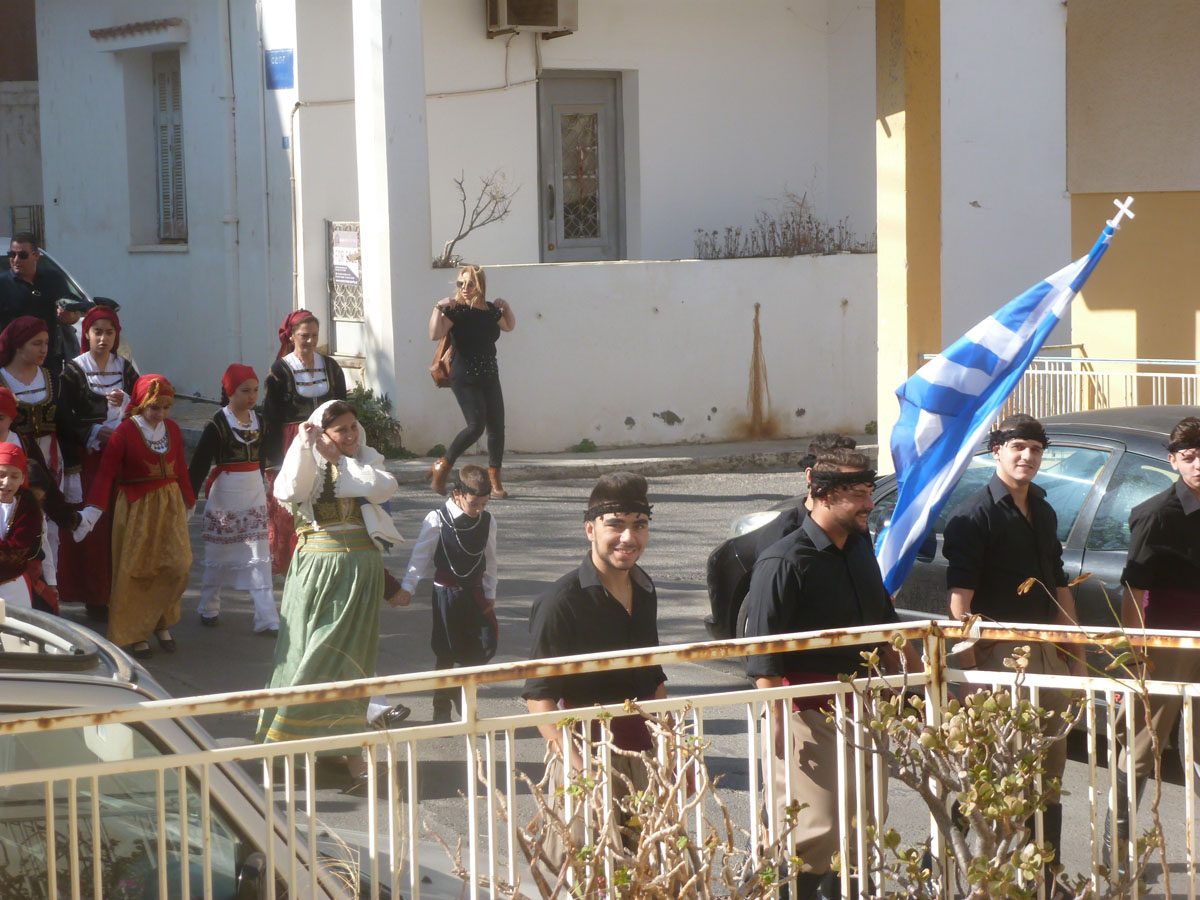
Όχι Day is Greece’s biggest national holiday now. Every October 28th, Greeks remember how Prime Minister Ioannis Metaxas said “no” to Mussolini’s demands.
The word “όχι” (pronounced “oh-hee”) means “no” in Greek. It’s become a symbol of Greek defiance. Schools everywhere hold parades, and students march with the flag.
Families pass down invasion stories to their kids. Many Greeks see the resistance as proof of their national strength. The holiday honors soldiers and regular folks who fought back.
Key cultural elements include:
- Annual military parades in major cities
- School commemorations with student performances
- Church services remembering the war dead
- Family gatherings to share wartime memories
Most people focus on Greek bravery, not the later German occupation. That selective memory keeps national pride alive, even if it glosses over some of the darker moments.
Significance in World War II History
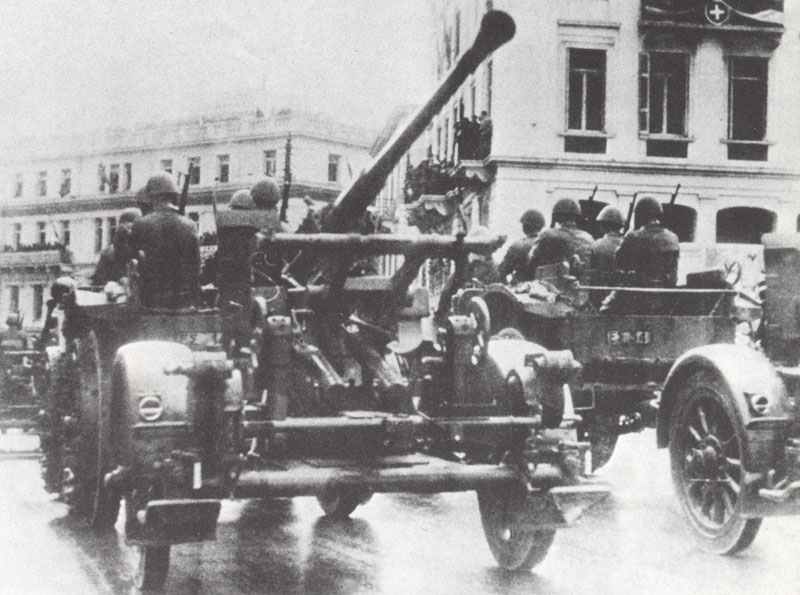
The Greek resistance really messed with the Axis timeline. Hitler delayed his invasion of Russia to help Italy out in the Balkans. Maybe that delay changed everything.
Operation Barbarossa started on June 22, 1941, not in May as planned. German troops reached Moscow just as winter hit. That extra time let Russia prepare defenses.
Greece became the first country to push back Axis forces. Their victory inspired resistance across Europe and showed that fascist armies weren’t invincible.
The invasion forced Germany to spread its troops thin. Soldiers needed in Russia had to stay in the Balkans to control Greek partisans. That weakened the German war effort.
Winston Churchill called Greece’s fight “decisive” for the Allies. The small country’s stand gave Britain hope during its darkest days.
Lasting Impacts on Greek Society
The invasion left deep divisions in Greek society. Communist and non-communist resistance groups ended up fighting each other, leading to a nasty civil war from 1946 to 1949.
Social changes included:
- Women took on new roles during the resistance
- Rural communities developed stronger bonds through shared hardship
- Traditional class structures broke down under occupation
- Educational systems incorporated resistance history
The occupation and resistance shaped Greek politics for decades. Resistance veterans became political leaders, and anti-fascist sentiment stayed strong.
Greece’s relationship with Italy slowly improved after the war. Diplomatic ties eventually resumed, but old wounds lingered. Tourism helped heal some of that bitterness over time.
The invasion also tightened Greece’s ties with the West. British support during the invasion led to closer post-war relationships with NATO and other Western allies.
Frequently Asked Questions
The Italian invasion of Greece in October 1940 left a lot of confusion—timelines, objectives, outcomes. People still wonder about Britain’s role, casualty numbers, and how this conflict shaped wartime diplomacy.
What were the main events that defined the timeline of the Greco-Italian War?
The war kicked off on October 28, 1940, when Italian troops crossed into Greece from Albania. Italy had already annexed Albania in 1939, which only made things more tense between the countries.
Just a week later, Greek forces under General Alexandros Papagos started pushing the Italians back. The Greek counteroffensive kept rolling through the winter.
By mid-January 1941, Greek troops had driven the Italians all the way back to Velona, a port city. The British Royal Air Force chipped in during this stage.
On April 6, 1941, Germany jumped in and invaded Greece from the north through Yugoslavia. By April 23, 1941, German forces had finished their conquest, ending the Greco-Italian War.
How did the Greco-Italian War begin and what were the initial objectives of both sides?
Mussolini demanded that Greece hand over territory to Italy on October 26, 1940. Before Greece could even respond, Italian troops invaded two days later.
Italy’s main goal was to grab more territory in the Balkans. Mussolini wanted Italy to look as powerful as Germany and expand its influence in southeastern Europe.
Greece just wanted to defend its land. Greek forces set out to stop the Italians and keep their independence intact.
They also aimed to drive the Italians back into Albania. That defensive mindset turned into a surprisingly strong counterattack that caught a lot of people off guard.
What role did the British forces play in Greece during World War II?
The British Royal Air Force helped Greek troops during their push against the Italians. With that support, Greeks managed to force the Italians back to Velona by January 1941.
Winston Churchill talked with Greek leaders, hoping to bring Greece closer to the Allies. He saw Greece’s resistance as a chance for Britain to gain influence in the Balkans.
British forces shifted some resources from North Africa to the Balkans. They sent troops and equipment to help the Greeks brace for a German invasion.
Britain also provided military advisors and more gear. Still, when Germany invaded in April 1941, British help just wasn’t enough.
What were the consequences and casualties resulting from the Italian invasion of Greece in 1940?
The invasion became the first major stumble for Axis forces in World War II. Greek resistance proved the Axis could be beaten on land.
Italian troops struggled with poor training, bad equipment, and low morale. Those issues sped up their defeat and retreat from Greece.
The conflict forced Germany to get involved in the Balkans sooner than they wanted. That move delayed their plans for Operation Barbarossa, the attack on the Soviet Union.
Greece held out against fascist forces for seven months, longer than almost every other European country except Britain and Russia.
How did Mussolini’s ambitions regarding Greece influence Italian foreign policy during World War II?
Mussolini decided to keep Germany in the dark about his invasion plans on October 22, 1940. That choice definitely strained relations between Italy and Germany.
The disaster in Greece hurt Italy’s reputation within the Axis. Compared to Germany’s military wins, Italy looked weak and unprepared.
Mussolini’s go-it-alone attitude forced Germany to step in and secure the Balkans. Hitler wanted to protect the oil fields at Ploesti and keep Operation Barbarossa safe from attacks.
The Greek campaign really exposed Italy’s military shortcomings. After that, Italy leaned even more on Germany for help with future battles.
What were the outcomes of the Greco-Italian War for both Italy and Greece?
Italy took a pretty hard hit here. Their army’s weaknesses became painfully obvious, and they couldn’t get the job done without German intervention to bail them out.
Greece actually managed some early victories. Still, in the end, German forces overwhelmed them.
The Greek resistance, though, caught the world’s attention. It showed everyone that the Axis powers weren’t invincible.
This war kicked off the Balkans campaign in World War II. Suddenly, southeastern Europe got dragged deeper into the chaos, and more countries got involved.
Germany did take control of Greece. But honestly, it came at a price—they had to delay Operation Barbarossa, which threw a wrench into their bigger plans and stretched their resources thinner than they’d like.
References and literature
Der 2. Weltkrieg (C. Bertelsmann Verlag)
Zweiter Weltkrieg in Bildern (Mathias Färber)
A World at Arms – A Global History of World War II (Gerhard L. Weinberg)
Der Grosse Atlas zum II. Weltkrieg (Peter Young)
Wendepunkte (Ian Kershaw)
Krieg der Panzer (Piekalkiewicz)
Luftkrieg (Piekalkiewicz)