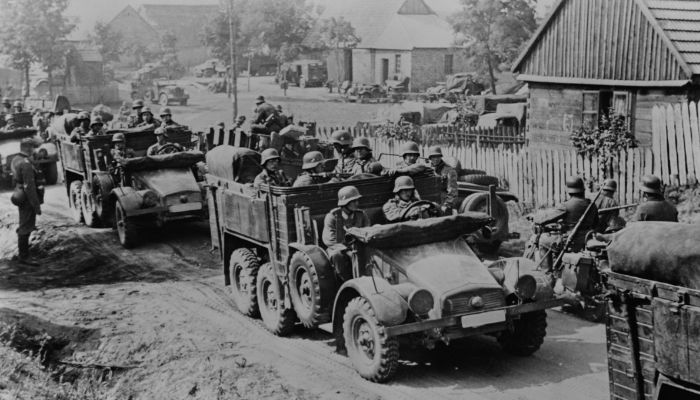

Hitler and the German high command really wanted a direct strike on the United States. New York City sat right at the center of that ambition.
Over the years, plenty of German schemes were put forward to make such an attack possible. But the same obstacle kept coming up—distance.

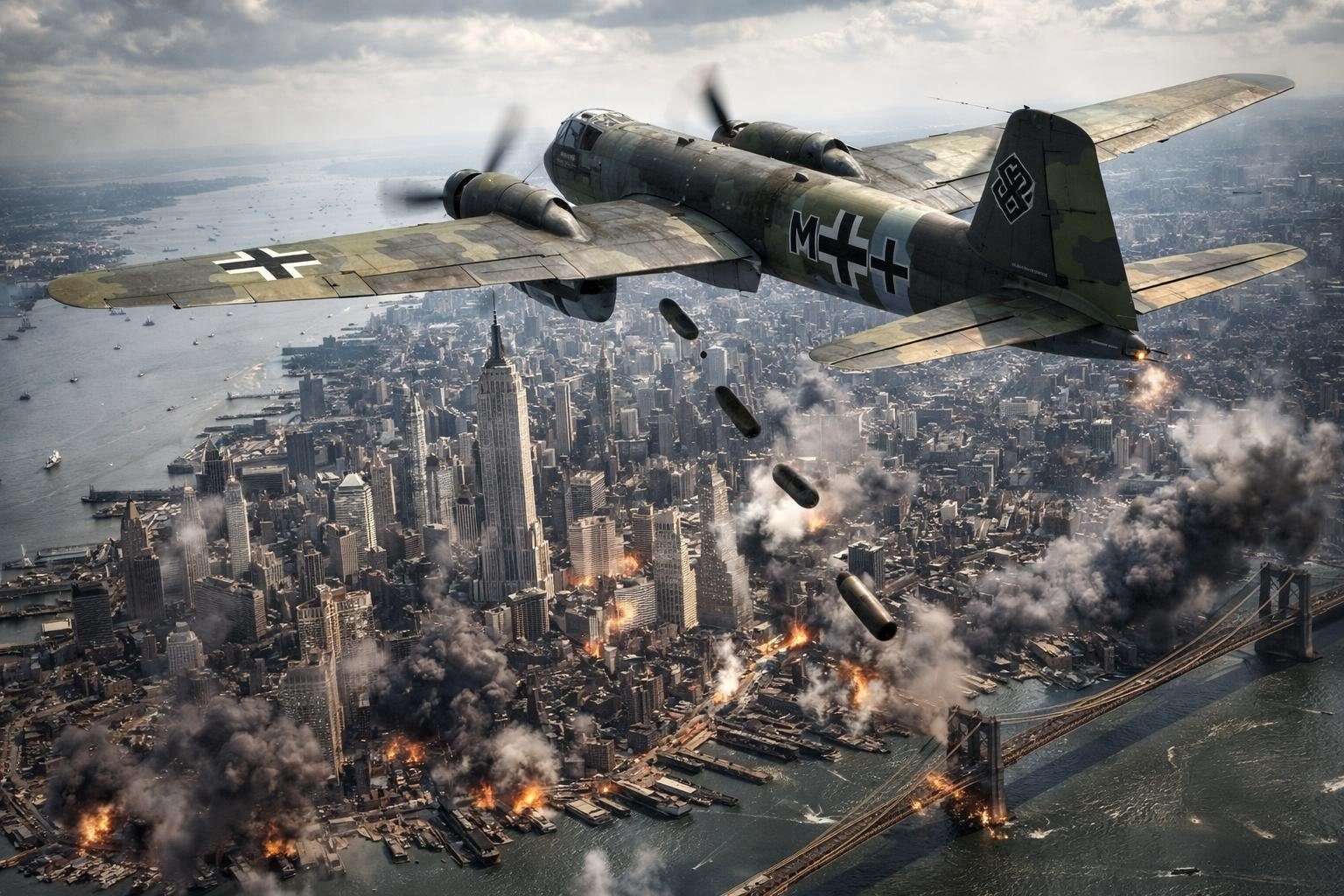
The most plausible version of a Heinkel He 177 attack on New York wasn’t a round trip from Europe. Instead, it was a one-way raid using Heinkel He 177 bombers, maybe relying on refueling in Greenland and then abandoning the aircraft afterward.
That idea deserves a closer look, though it’s easy to get carried away. The range figures, the history of German weather stations in Greenland, and a little-known Ju 290 operation in 1944 show that parts of the concept were possible.

The bigger question is whether the full mission made any military sense at all.
Strategic Aim Behind a Strike on New York
Why New York Held Symbolic Value
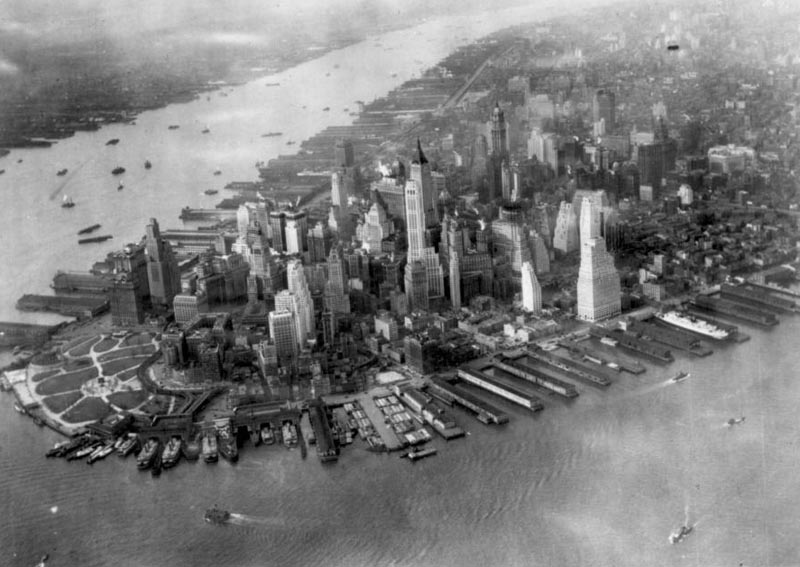
New York had obvious symbolic value. A German bomb hitting Manhattan would have been a political and psychological event, even if the physical damage was minor.
By late in the war, German planning wasn’t really about changing the outcome. It was more about proving that the United States was not untouchable.
Limits of German Long-Range Attack Capability
The main problem was technical. Germany just couldn’t match its ambitions with aircraft, missiles, or naval systems that could cross the Atlantic and deliver a real strike.
That gap between intent and capability explains why so many odd proposals appeared. German engineers kept trying to push existing weapons farther than they were ever meant to go.
Every concept ran into the same wall. Reaching New York was tough enough. Doing it with a proper bomb load, and then getting home, was a whole other level.
Earlier Schemes for Reaching the United States
V-Weapons and Maritime Launch Concepts
Several plans aimed to use the V1 and V2 as long-range strike weapons against the United States. One idea involved towing a V2 launch platform across the Atlantic with a U-boat and setting it up off the American East Coast.
They actually started building that platform near the end of the war. The war ended before they could try it.
Another proposal tried to turn the V2 into a multi-stage weapon that could be fired from Europe toward America. That never got past the drawing board.
Submarine and America Bomber Proposals
The Italian Navy came up with a plan using a big mother submarine to cross the Atlantic and release smaller submarines to mine merchant shipping in the Hudson River near Manhattan. The technology was there, but politics changed and the plan was shelved.
The best-known idea is still the America Bomber program. The goal was a very long-range bomber that could leave occupied France, bomb New York, and return.
Several large aircraft were built and flown. There’s a claim that one may have come within a dozen miles of Manhattan on a test flight, but that’s highly speculative.
No German aircraft ever bombed New York City or anywhere else in the United States. That’s just the reality.
The Heinkel He 177 as the Chosen Aircraft
Operational Weaknesses of the He 177
In 2005, former Luftwaffe pilot Peter Brill described a secret training program for a raid on New York. He said that, as a 19-year-old lieutenant, he and other pilots were pulled into intense flying and navigation training for the mission.
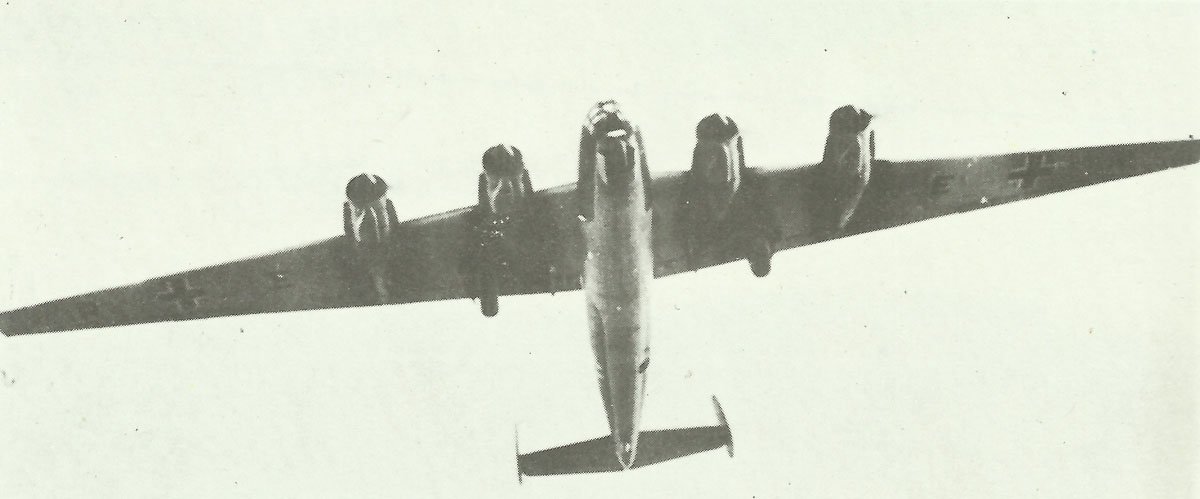
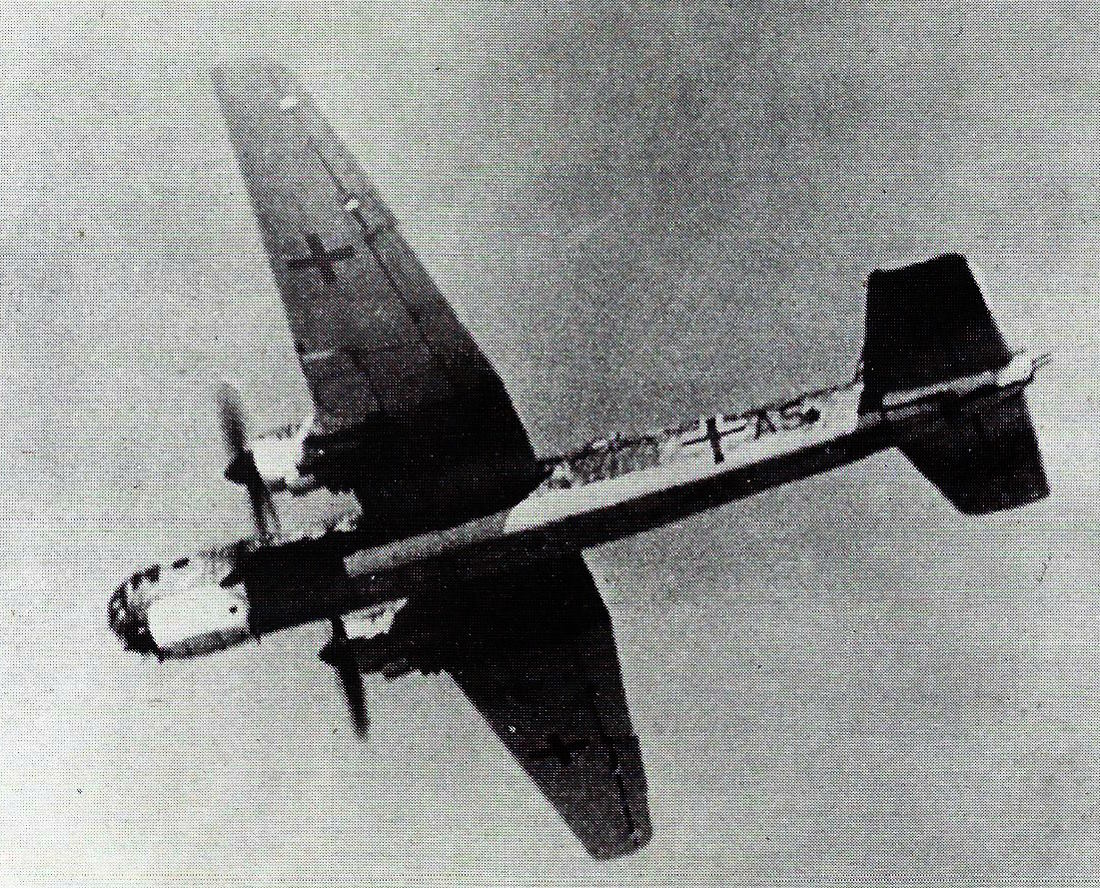
The aircraft was an upgraded version of Germany’s only real heavy bomber to see much wartime use—the Heinkel He 177 Greif. These bombers had already been used against England during Operation Steinbock in 1944, the Luftwaffe’s failed attempt to revive the Blitz.
The He 177 had a pretty bad reputation. Its engines were notorious for catching fire, and that flaw can’t be ignored when talking about a transatlantic mission.
A7 Improvements and the V38 Mystery
The improved He 177 A7 is the version most often linked to a New York attack. It had a 36-meter wingspan and four 3,748-horsepower Daimler-Benz 613 engines. Only five are believed to have flown.
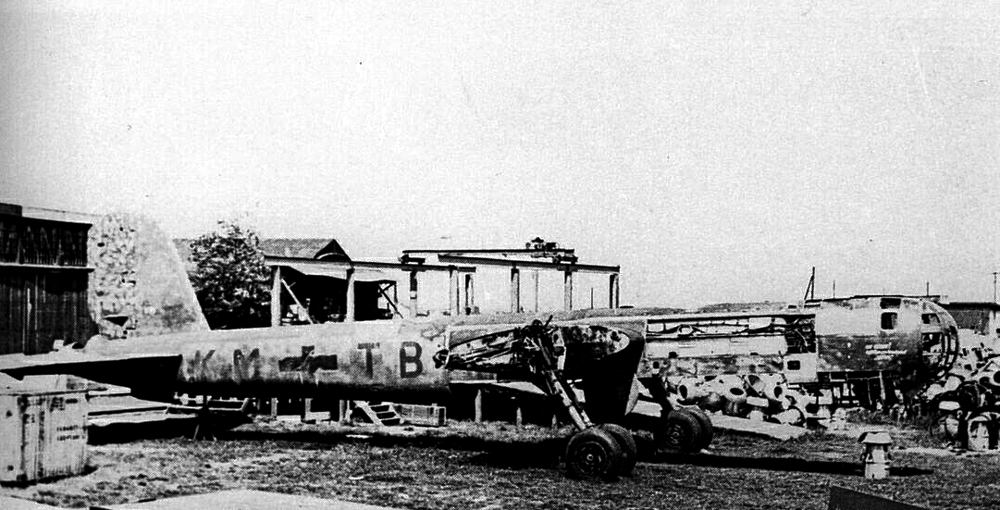
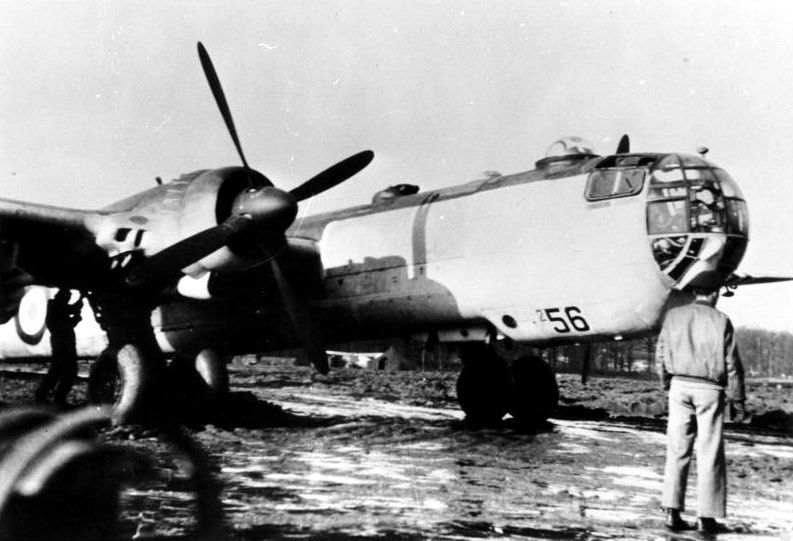
One heavily modified He 177 was found at a Luftwaffe air base in Czechoslovakia in 1945 and later photographed. This aircraft, usually called He 177 V38, had its bomb bays joined into one large space.
Some people claim this was for carrying a German atomic bomb, but the evidence just isn’t there. Postwar American and British investigations found no such weapon.
A more reasonable explanation is range. That enlarged bay was probably meant for extra fuel tanks, which fits the long-range strike idea much better.
How the Greenland Refueling Plan May Have Worked
Route From Trondheim to Cap Susi
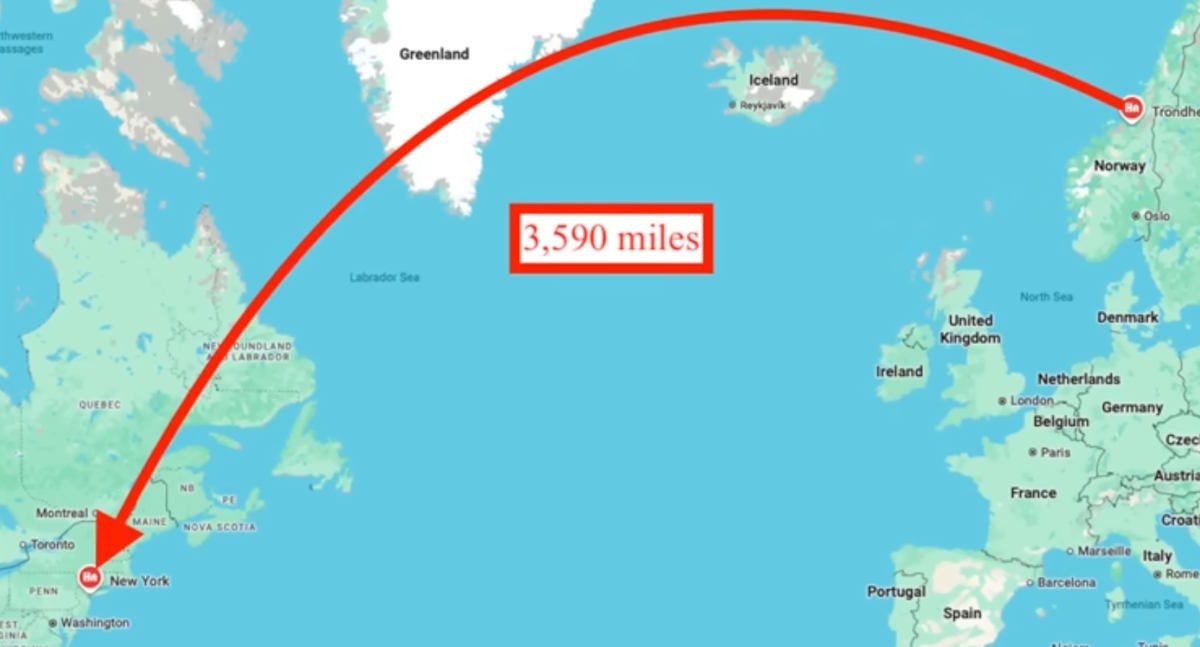
If a He 177 raid ever got serious consideration, the likely starting point was near Trondheim in northern Norway. Peter Brill said Værnes Air Base would launch the attack.
The official range for the He 177 A5—pretty close to the A7—was 3,700 miles unloaded. With a 1,000-kilogram bomb load, it dropped to 3,300 miles.
The direct distance from Trondheim to New York City was about 3,590 miles. So a modified A7, or maybe the odd V38, could probably have reached New York in a one-way flight—but not made it back.
The route to Cap Susi in Greenland was much shorter, about 1,370 miles from Trondheim. That’s why Greenland starts to matter here.
Fuel Logistics on Sea Ice
The theory is simple. A small German team could have landed by ship in northeastern Greenland and set up a camp on firm sea ice. They’d mark out a rough landing strip.
Fuel for the bombers could have come in separately by Junkers Ju 290, flown over in several trips and stockpiled on the ice. Once the Heinkel He 177s showed up, they’d refuel and continue west.
That idea isn’t just fantasy. A large German aircraft had already landed on sea ice in that region and left again without trouble. That point is more important than people might think.
Bomb Load and Range Tradeoffs
With the He 177 A5 numbers, a bomber flying from Trondheim to Cap Susi with a 1,000-kilogram bomb load would still have had plenty of fuel left on arrival. They wouldn’t need full tanks for that leg.
That suggests a better plan: less fuel from Norway, more bombs carried to Greenland, then full refueling on the ice before heading to New York. The distance from Cap Susi to New York was 2,454 miles.
By doing it that way, the bombers could have reached New York with a more useful bomb load—probably at least 2,000 kilograms per plane. They’d also have enough fuel left to leave the target area and head to the planned U-boat rendezvous at sea.
German Weather Stations and the Ju 290 Precedent
The Weather War in Greenland
Greenland was already part of a quiet military contest during the war. Germany needed weather data from the western Atlantic because weather systems usually moved from west to east, giving the Allies an edge.
The Germans tried using U-boats as weather-reporting platforms in the western Atlantic. That turned out risky, since radio transmissions could help Allied hunter-killer groups find and sink them.
Land stations worked better. Germany set up several secret weather stations in Greenland and even one automated station in Labrador, Canada. The Allies tried to find and destroy these bases, with some success, but Greenland’s size made total control impossible.
Operation Bassgeiger and the 1944 Evacuation
One story from June 1944 shows that a large German aircraft could land in Greenland and leave again. Weather Station Bassgeiger was set up at Cap Susi in northeastern Greenland in 1943.
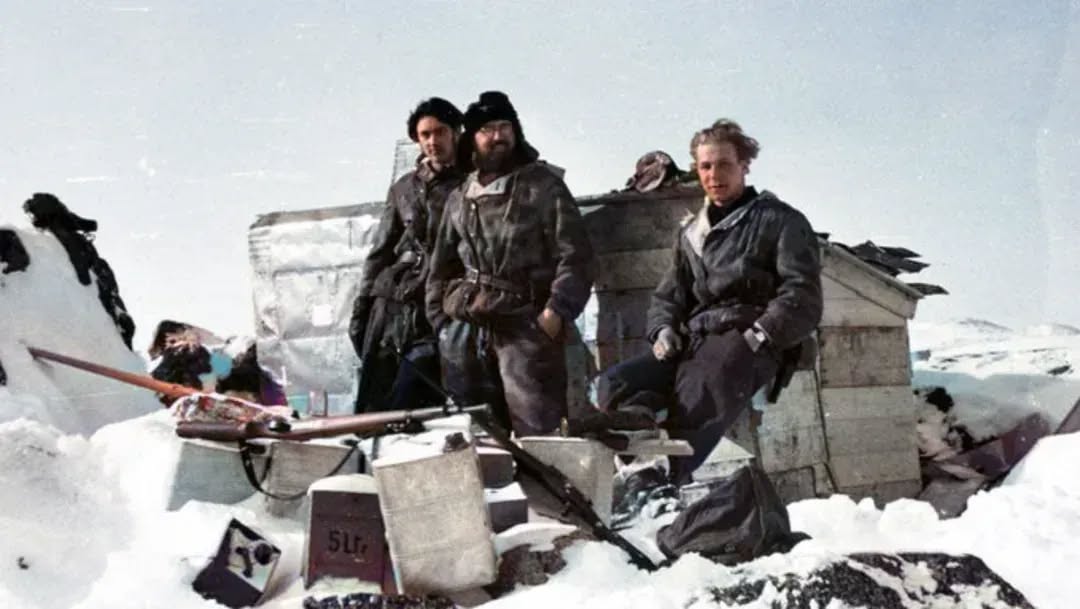
The expedition got there aboard the converted trawler Coburg. Conditions were rough. The ship got stuck in ice, equipment was lost, and the Germans had to dig out shelter in caves and tunnels in a snowdrift. Later, they built a small hut among rocks for their radio gear.
In April 1944, a six-man Danish sledge patrol attacked the station. The Germans fought back, and one of their officers was killed. The survivors then called for evacuation.
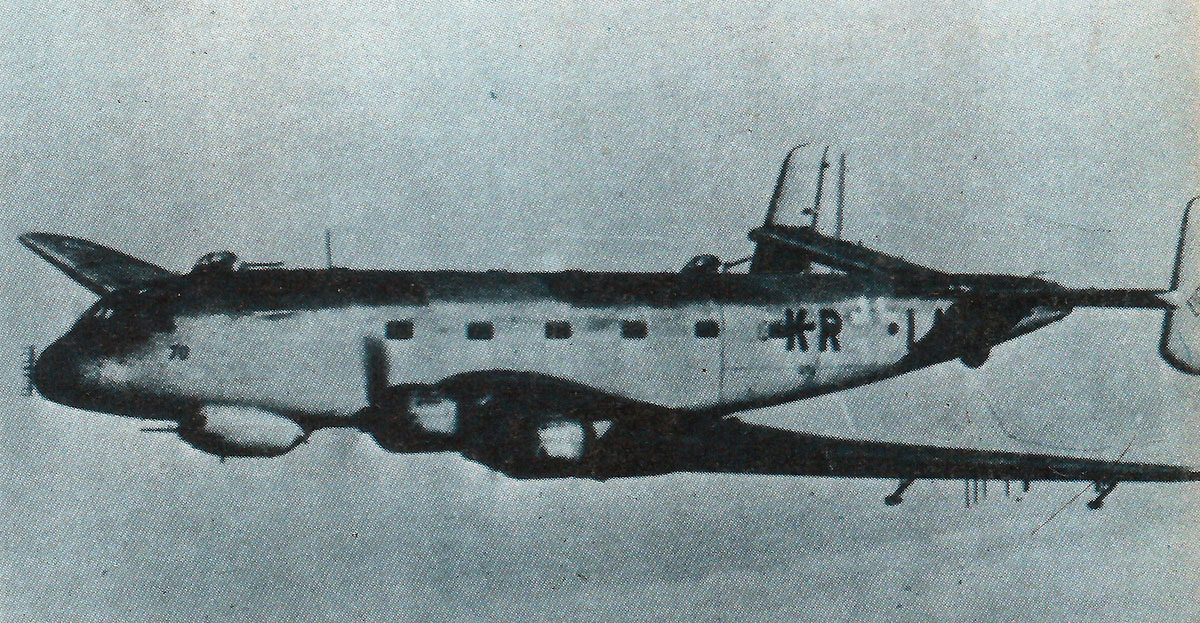
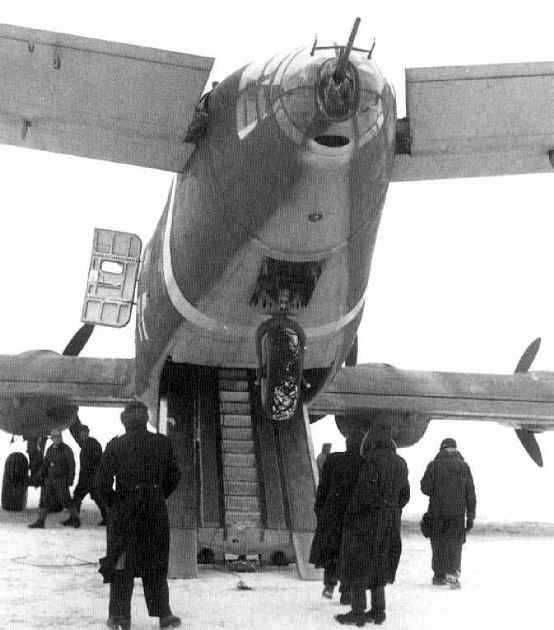
On June 3, 1944, a Junkers Ju 290 flown by Hauptmann Schlack-Lebahn left Mont-de-Marsan in southern France, landed on sea ice near the base, picked up all 26 Germans, and flew back to France. The round trip was about 5,000 miles.
That single operation matters a lot here. It proved that a big German aircraft could land on sea ice at Cap Susi and take off again without interference.
Why the Mission Was Impractical
One-Way Crew Survival Problems
Peter Brill made it clear that the New York attack was meant as a one-way mission. The bombers were supposed to leave the city area, fly out to sea, and then be abandoned after meeting U-boats.
Even if the aircraft reached New York, attacked the city, and got away from immediate interception, the crews had no real way home.
From a command perspective, the operation just wasted trained aircrew and scarce long-range aircraft for a single symbolic strike.
U-boat Rendezvous Risks
The recovery plan was the weakest part. By 1944 and 1945, U-boats were getting sunk at a terrible rate, and the American East Coast was heavily patrolled by US, British, and Canadian anti-submarine forces.
A U-boat waiting on the surface and transmitting by radio to aircraft overhead would have been in extreme danger. This part of the scheme just doesn’t add up.
Honestly, the U-boat element may have been pitched to the crews as reassurance, not as a workable rescue plan. At that late stage of the war, desperation shaped a lot of ideas.
Likely Impact Versus Strategic Cost
Even if Greenland refueling worked—and even if the bombers actually reached New York—the mission had a basic flaw. The aircraft just wouldn’t have enough fuel to get back to Greenland after the attack.
That left only a one-way strike with no real recovery plan. For all the boldness, the likely military effect would’ve been pretty small anyway.
A raid using Heinkel He 177 bombers on New York via Greenland might’ve been technically possible in some ways. Still, it offered little real value compared with the cost in aircraft, crews, and all the supporting naval stuff you’d need.
The war ended before any of Germany’s later schemes to bomb America could move past planning and speculation. Maybe that’s for the best, honestly.
References and literature
Mark Felton Productions
Warplanes of the Luftwaffe (David Donald)
The Luftwaffe Album, Bomber and Fighter Aircraft of the German Air Force 1933-1945 (Joachim Dressel, Manfred Griehl)