

Scientists recently analyzed DNA from a blood sample believed to belong to Adolf Hitler. These new discoveries connect to old questions about his health and personal life.

The testing involved matching DNA from a piece of fabric taken from the sofa where Hitler died in 1945 with DNA from a distant male relative.

The analysis revealed Hitler had a genetic marker for Kallmann syndrome, a rare condition that can affect sexual development and hormone production. It also showed unusually high genetic predisposition scores for certain neuropsychiatric traits.
These findings offer a biological perspective on aspects of Hitler’s life that historians could only guess about before. The results also disproved a long-standing rumor about Jewish ancestry in his family line.

The DNA testing combined forensic science with historical research to verify the sample’s authenticity. While the findings add new details, experts stress that genetics alone can’t explain his actions or the extreme violence he caused.
The research raises questions about how biology, environment, and personal history shaped one of the most infamous figures of the 20th century.
Background of Hitler’s DNA Testing

The DNA analysis of Adolf Hitler became possible through a bloodstained artifact recovered from his bunker in 1945. A US Army officer preserved this evidence for decades before it finally underwent scientific testing—an eight-year process, believe it or not.
Discovery of the Blood Sample
Colonel Roswell P. Rosengren, a US Army officer in General Eisenhower’s Public Information Office, cut a piece of bloodstained couch fabric from Hitler’s bunker right after Berlin fell. He used a pocket knife to cut the swatch from the furniture where Hitler died on April 30, 1945.
Rosengren kept the fabric as a war trophy, seeing it as a symbol of the end of Nazi Germany. His grandson later confirmed that Rosengren stored the fabric as a family memento for years.
Without his decision to keep it, genetic analysis of Hitler’s blood just wouldn’t have happened.
Provenance and Authentication Process
Archival photographs from 1945 showed the couch inside Hitler’s private study area in the bunker. The distinctive patterned upholstery in these photos matched the museum’s fabric swatch.
Initial testing confirmed the stain was human blood. A forensic team created a 100-page report, examining blood dispersion, transfer patterns, and microscopic particles.
The report concluded the stain came from a close-range gunshot wound and matched a person collapsing onto the couch. This pattern ruled out staged blood droplets or fake evidence—something that would’ve made this whole story a lot less interesting.
Role of the Gettysburg Museum of History
The Gettysburg Museum of History became the steward of the bloodstained fabric after acquiring it from the Rosengren family. Museum curator Erik Dorr agreed to work with UK production company Blink Films on a documentary, but only on the condition they tried to prove Hitler died in the bunker.
The museum provided the artifact for testing and let scientists take samples for DNA analysis. Dorr and his team participated in filming and granted full access to researchers.
The museum received no payment for its cooperation. Their main goal? To advance historical truth and finally put long-standing conspiracy theories about Hitler’s death to rest.

Scientific Methods and Forensic Analysis
The DNA analysis of Hitler’s blood sample required multiple forensic techniques. Scientists used Y-chromosome matching and whole genome sequencing to verify the sample and analyze Hitler’s genetic profile.
DNA Extraction and Sequencing Techniques
Scientists extracted DNA from blood stains on a fabric piece cut from the sofa where Hitler died in his Berlin bunker. The blood had been preserved on the fabric for 80 years, which made DNA extraction tough, but not impossible thanks to modern forensic methods.
The research team performed whole genome sequencing to analyze Hitler’s complete genetic profile. This technique reads all of the DNA in a sample, letting scientists look for specific genetic variants linked to medical conditions.
The process involved isolating DNA molecules from the degraded blood sample and prepping them for analysis. Modern sequencing tech can work with tiny amounts of DNA—good thing, considering how old the sample was.
Y-Chromosome Analysis
The Y-chromosome served as the main tool for verifying the blood sample belonged to Hitler. This segment of DNA passes directly from father to son with very little change.
A previous study had identified the Y-chromosome type from a living male-line relative of Hitler’s family. The team compared the Y-chromosome from the blood sample to this known family profile and got a match.
The Y-chromosome type was rare in the general population, which made the identification stronger. Combined with records showing Hitler’s male relatives weren’t present in the bunker, the analysis provided solid evidence the blood came from Hitler himself.
Forensic Verification and Peer Review
The forensic analysis combined DNA evidence with historical documentation to confirm authenticity. Lieutenant Colonel Roswell P. Rosengren took the fabric from Hitler’s bunker, and his son later provided a signed affidavit confirming its origin.
Photographs of the sofa matched the appearance of the fabric sample. The team also verified that hardly anyone had access to the bunker after Hitler’s death, which reduced the chance of contamination.
Multiple research institutions participated in the genetic analysis. The Pasteur Institute in Paris examined genes for medical conditions. Aarhus University in Denmark analyzed polygenic scores for neuropsychiatric traits.
This multi-institution approach added credibility to the findings through independent verification.
Key Findings from Hitler’s DNA Results
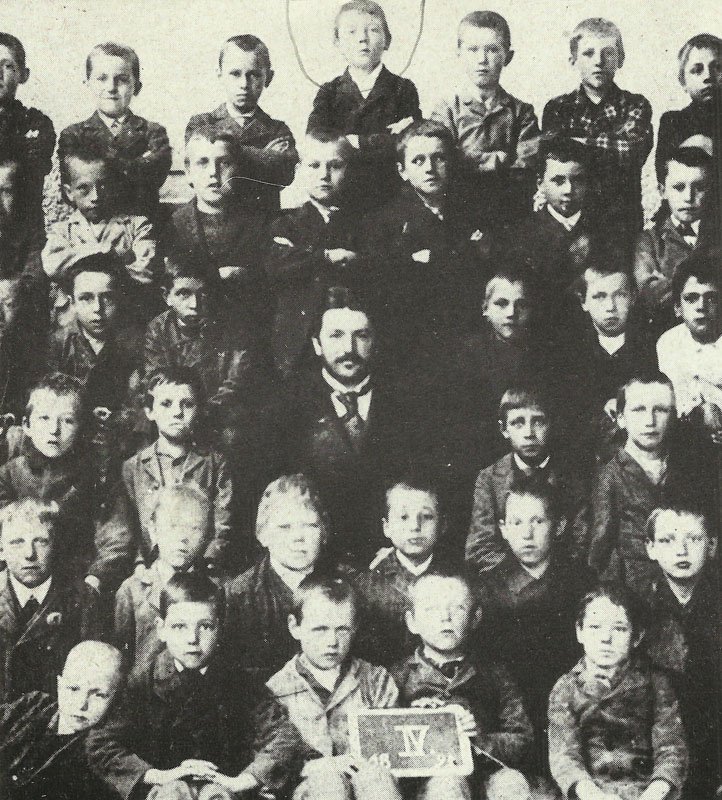
Scientists extracted DNA from blood on a sofa fabric from Hitler’s Berlin bunker and sequenced his entire genome. The genetic testing revealed information about his ancestry, physical health, and mental health predispositions.
Genetic Profile and Health Conditions
The analysis identified a deletion in a gene associated with Kallmann syndrome and congenital hypogonadotropic hypogonadism. This condition affects hormone production and sexual development.
The marker can cause undescended testicles, reduced testosterone production, and low libido. A 1923 medical exam documented that Hitler had right-sided cryptorchidism, meaning one undescended testicle.
The DNA findings offer a genetic explanation for this physical abnormality. Historical accounts described his lack of interest in intimate relationships and his odd devotion to politics over personal life.
The profile also showed no markers for syphilis infection, debunking rumors about his sexual health that had circulated since the 1920s.
Ruling Out Jewish Ancestry
The genetic testing definitively disproved claims about Jewish heritage through Hitler’s paternal grandfather. Researchers compared the Y-chromosome from the blood sample with DNA from a living male-line relative of Hitler.
The Y-chromosome types matched, confirming the sample belonged to Hitler and establishing his paternal lineage. The Y-chromosome analysis showed a rare type with no Jewish genetic markers, confirming what historians had long believed based on genealogical records.
The rumor about Jewish ancestry had persisted since the early 1920s, so this scientific verification is pretty significant for historical accuracy.
Analysis of Hitler’s Mental Health Predispositions
Scientists calculated polygenic risk scores for various psychiatric disorders using Hitler’s DNA. His scores put him in the top 1% for schizophrenia, autism, and bipolar disorder.
No other individual in the comparison population had high scores for all three conditions at once. The polygenic risk scores aren’t diagnostic, though. Even people with the highest genetic risk develop these mental health conditions less than 5% of the time.
Environmental factors like childhood trauma and social circumstances play major roles in whether someone develops psychiatric disorders. The genetic predisposition data can’t explain Hitler’s actions or reduce his responsibility for genocide.
People with autism, schizophrenia, or bipolar disorder rarely commit violent acts and are more likely to be victims of violence than perpetrators.
Genetic Disorders and Sexual Development
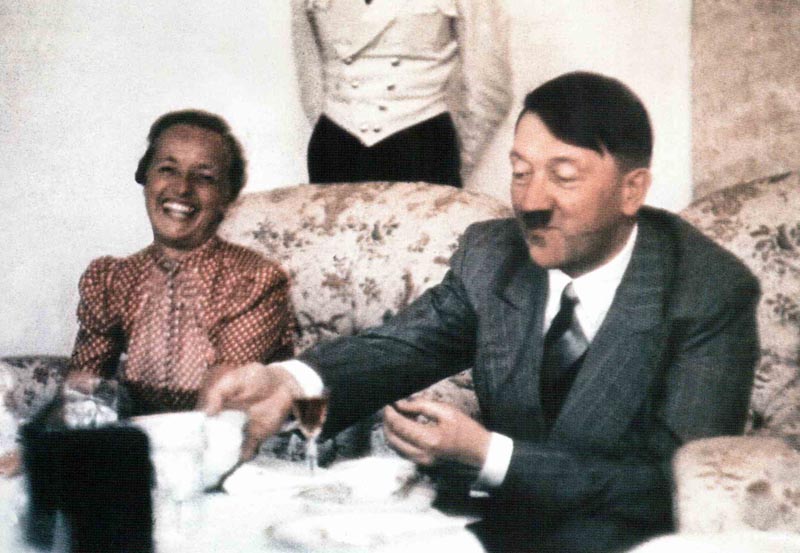
DNA analysis of Adolf Hitler’s blood revealed he likely had Kallmann syndrome, a genetic disorder that affects sexual development and can result in undescended testicles and a micropenis.
Kallmann Syndrome and Its Implications
Kallmann syndrome is a rare genetic condition that delays or prevents puberty. The disorder disrupts the normal production of hormones needed for sexual development.
People with this condition often have low testosterone levels, which affects multiple aspects of physical development. The syndrome can show up in a few different ways.
Physical symptoms include undescended testicles, reduced genital development, and delayed or absent puberty. It also affects the sense of smell, causing anosmia in many cases.
Researchers identified markers for Kallmann syndrome in Hitler’s DNA through genetic sequencing. This lines up with historical rumors about his physical development.
The condition would have significantly impacted his hormonal balance and sexual characteristics throughout his life.
Evidence for Cryptorchidism and Micropenis
Hitler’s genetic profile indicates a high likelihood of cryptorchidism, the medical term for undescended testicles. This condition happens when one or both testicles don’t descend into the scrotum during development.
Historical accounts suggest Hitler may have been bullied during World War I about the size of his genitalia. The DNA analysis supports the possibility of a micropenis, another manifestation of Kallmann syndrome.
Low testosterone production during critical developmental periods leads to reduced genital growth. These physical characteristics match the genetic markers found in his blood sample.
The documentary makers even noted that Hitler “would have almost certainly have sent himself to the gas chambers” if he’d seen his own genetic results, given Nazi ideology about genetic purity. That line sticks.
Hormonal and Sexual Development in Hitler
Testosterone production plays a crucial role in male sexual development. Hitler’s genetic disorder would have resulted in significantly reduced testosterone levels throughout his life.
This hormonal deficiency affects not just physical development but also sexual drive and behavior. The low testosterone levels may explain Hitler’s unusual personal life.
Historians have long noted his lack of intimate relationships and his extreme devotion to politics. His sexual development would have been incomplete or significantly delayed due to the genetic condition.
The condition affects the hypothalamus and pituitary gland, which control hormone production. This disruption prevents normal sexual maturation and keeps prepubescent characteristics into adulthood.
Historical and Social Context
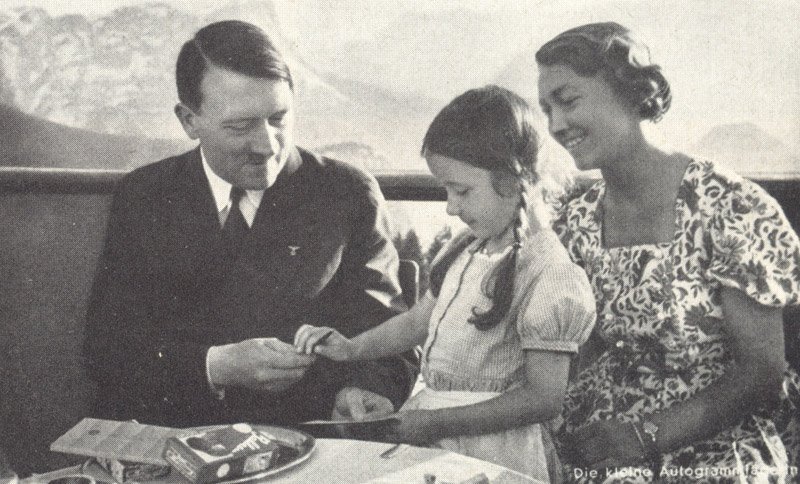
DNA findings give us biological data about Adolf Hitler, but to really get his actions, you have to look at how genetics mesh with history and his own twisted ideology. The results prompt questions: Did physical conditions shape his behavior? And how do these discoveries tie into the eugenics policies he pushed so hard?
Impact on Understanding Hitler’s Behavior
Hitler might’ve had Kallmann syndrome, which could explain some personal traits that influenced his life. This condition affects sexual development and testosterone, fitting with accounts of his lack of intimate relationships and his obsessive focus on politics.
He stood out from other Nazi leaders like Göring, Himmler, and Goebbels—no wife or kids until his last hours with Eva Braun. His polygenic scores put him at the top 1 percent for schizophrenia, autism, and bipolar disorder risk. Still, these scores aren’t diagnostic and can’t predict behavior.
Most people with these conditions never commit violence; they’re often victims themselves. Environmental factors mattered more. Hitler faced childhood trauma—abuse, losing both parents before 19, a failed art career, the trauma of World War I, and the chaos in post-war Germany.
Those experiences shaped his worldview far more than any genetic quirk. DNA results give context, but they can’t explain why he orchestrated the Holocaust or started World War II.
Relationship to Nazi Eugenics and Policies
The irony here is hard to miss. Hitler’s genetic profile clashes with Nazi ideology. The Nazis pushed eugenics, targeting people with disabilities and genetic conditions for sterilization and mass murder.
Policies outlined in Mein Kampf aimed to create a “master race” supposedly free from genetic defects. Yet Hitler’s own DNA shows markers for conditions his regime would’ve considered undesirable.
The Nazis killed thousands with developmental and genetic disorders during the T-4 euthanasia program before moving on to the genocide of six million Jews and millions more. This disconnect exposes the pseudoscience behind Nazi eugenics. These policies weren’t based on real science—they were just tools for mass murder and control.
Research Teams and Documentary Coverage
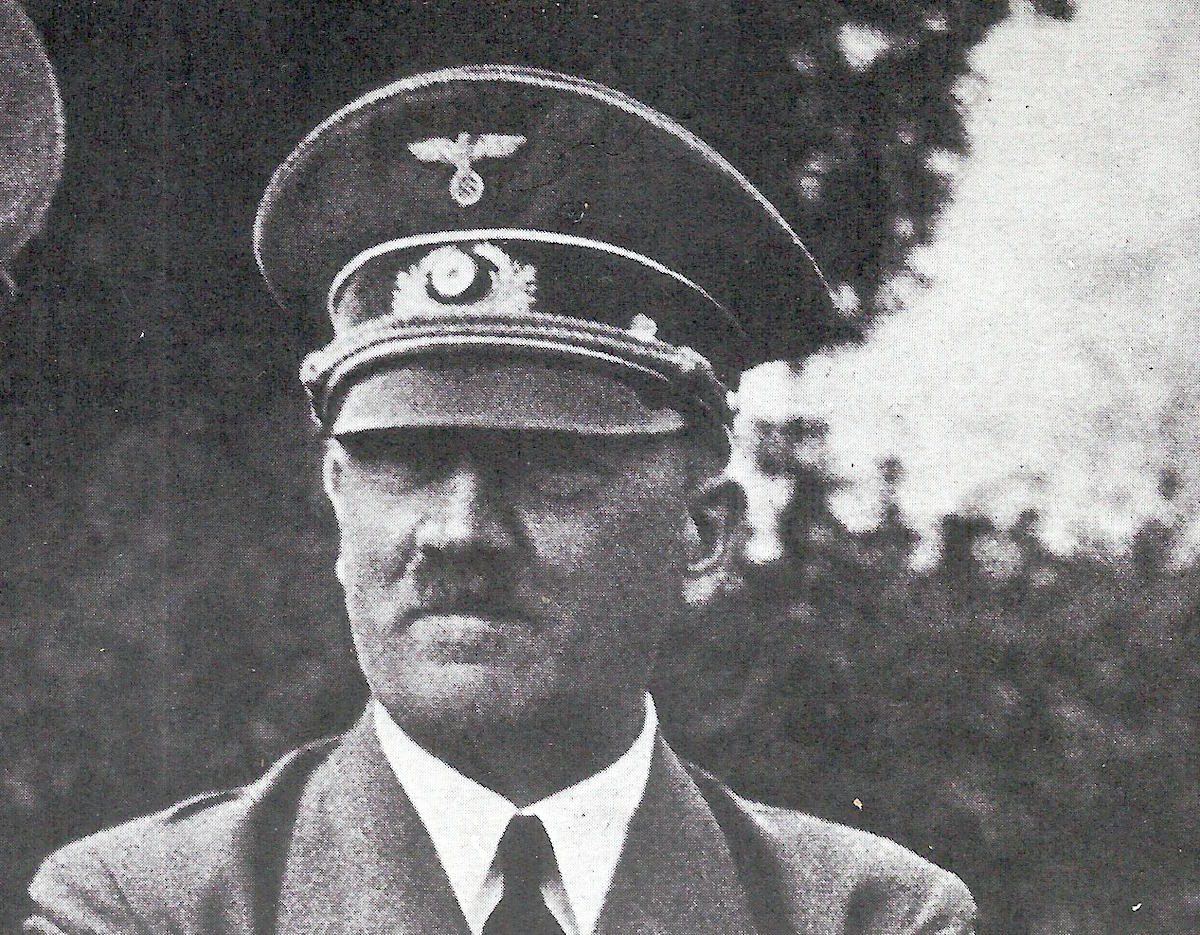
Multiple research teams from different universities tackled the DNA analysis of Hitler. Channel 4 presented the results in a documentary produced by Blink Films.
Professor Turi King led the genetic work, with historian Dr. Alex Kay as the main historical consultant.
Involvement of Professor Turi King and Colleagues
Professor Turi King, a geneticist at the University of Leicester, led the DNA analysis. She’d already made a name for herself by identifying Richard III’s remains in 2012.
Dr. Alex Kay joined as senior historical consultant, providing historical context and helping confirm the blood sample’s origins. The team also worked with Professor Sir Simon Baron-Cohen and Cambridge researchers, who brought expertise in neurodevelopmental and psychiatric disorders.
Journalist Jean-Paul Mulders had traced distant male-line relatives of Hitler over a decade ago, working with genealogist Marc Vermeeren. Their earlier DNA work let the team confirm the blood belonged to Hitler using Y-chromosome matching.
Contributions from Academic Institutions
Several universities pitched in with specialized skills. The Pasteur Institute in Paris analyzed genetic markers and found the gene deletion tied to Kallmann syndrome.
Aarhus University in Denmark focused on polygenic conditions, checking for patterns in Hitler’s DNA related to neurodevelopmental and psychiatric disorders. They calculated scores that put him in the top 1 percent for schizophrenia, autism, and bipolar disorder.
The University of Leicester handled the main genetic analysis. Other European institutions provided support in historical DNA and forensic genetics.
Role of Channel 4 and Blink Films
Channel 4 greenlit the documentary Hitler’s DNA: Blueprint of a Dictator knowing full well it would stir controversy. They aimed to make the findings accessible but scientifically sound.
Blink Films produced the documentary, juggling genetics with historical evidence. They coordinated among research teams, museums, and experts.
The film aired on Channel 4, sparking immediate debate. Critics questioned the ethics of analyzing Hitler’s DNA and worried about misinterpretation. The documentary showed the DNA results alongside historical context, trying not to oversimplify what drove Hitler’s actions.
Interpretation, Limitations, and Ethical Considerations
Hitler’s DNA analysis turned up important findings, but interpreting genetic test results isn’t simple. You have to be careful—genetics can’t explain everything about behavior, and there are big scientific and ethical questions at play.
Cautions in Interpreting Genetic Findings
The DNA shows markers for various conditions, but markers aren’t diagnoses. Scientists stressed that finding these predispositions doesn’t prove Hitler had autism, ADHD, schizophrenia, or bipolar disorder.
Having genetic markers just means there’s an increased risk, nothing more. There’s a huge gap between carrying certain genes and actually developing behaviors or conditions. So much depends on childhood experiences, education, culture, and life events.
- Genetic predisposition ≠ actual diagnosis
- DNA sequences ≠ behavioral outcomes
- Biological factors ≠ the whole story
Stigmatization is a real worry. People with autism and other conditions pushed back against linking their diagnoses to someone responsible for mass atrocities. The National Autistic Society called the research a “cheap stunt” and criticized its impact on people living with these conditions now.
Limitations of Polygenic Risk Scores
Polygenic risk scores estimate disease likelihood by comparing DNA to large population samples. For some conditions, like heart disease or certain cancers, these scores can be pretty useful.
But for neurological and psychiatric conditions, the limitations get bigger. A polygenic score shows probability, not certainty. Hitler’s top 1% scores for some conditions are just statistics—they can’t say if he actually had any of them.
Professor Denise Syndercombe Court, who tested the same blood sample before, said researchers “gone too far in their assumptions” about predicting behavior or character. Incomplete penetrance means genes might never express themselves at all.
The research is still under peer review. Until other scientists vet the methods, these findings don’t carry full scientific weight.
Ethical Debate over Studying Historical DNA
The research sparked debate: Should anyone analyze Hitler’s DNA without his or his descendants’ consent? He died 80 years ago and left no direct heirs. Some argue his crimes strip away normal privacy rights.
Several European labs refused to join the project. The actual testing happened in the United States. The filmmakers said they got standard ethical approval in two countries.
Arguments for the research:
- Hitler is a historical figure, not a private citizen
- Findings help historians build a fuller profile
- Analyzing DNA from long-dead people is common in science
Arguments against the research:
- Privacy rights should apply to everyone, no matter their crimes
- The study risks oversimplifying history with genetics
- Results might not add much to historical understanding
Historians don’t agree. Some think any tool that sheds light on past extremism is useful. Others say focusing on genetics misses the point: ordinary people can commit or accept horrific violence, given the right circumstances. The findings will be there for future generations, but how they’ll be used? That’s still up in the air.
Frequently Asked Questions

Scientists analyzed blood from fabric Hitler died on in 1945. They found he had a rare genetic condition called Kallmann syndrome. The DNA testing also showed he didn’t have Jewish ancestry.
Where can I watch the documentary about the analysis of a dictator’s genetic information?
The documentary “Hitler’s DNA: Blueprint of a Dictator” aired on Channel 4. Blink Films produced this program, which presents the first analysis of Hitler’s DNA.
The film shows how scientists examined blood samples to learn about Hitler’s genetics. It features genetic experts and historians who worked together to verify the results.
How was the genetic material of a historical tyrant obtained for study?
Lieutenant Colonel Roswell P. Rosengren took a piece of fabric from the sofa where Hitler shot himself on April 30, 1945. Rosengren was a public information officer for General Eisenhower and had access to Hitler’s bunker after the Soviets took over.
The blood-stained fabric stayed with Rosengren’s family for decades before the Gettysburg Museum of History in Pennsylvania got it. The museum offered the sample for DNA testing to researchers.
Scientists confirmed the blood was Hitler’s by matching the Y-chromosome to a male relative. A journalist and genealogist had traced this relative more than ten years earlier.
Is there a television series that focuses on the genetic blueprint of the infamous dictator?
No, it’s a single documentary, not a series. “Hitler’s DNA: Blueprint of a Dictator” presents all the findings in one feature-length program.
Channel 4 broadcast the documentary, which looks at what Hitler’s DNA reveals about his health and ancestry.
What were the genetic peculiarities identified in the research of a totalitarian leader’s DNA?
Hitler had a gene deletion linked to Kallmann syndrome and congenital hypogonadotropic hypogonadism. This condition can cause low testosterone, underdeveloped sexual organs, and messed-up reproductive function.
The analysis also showed high polygenic scores for schizophrenia, autism, and bipolar disorder. He landed in the top 1 percent for all three compared to others in the population analysis.
Researchers found Hitler had right-sided cryptorchidism—one undescended testicle. A 1923 medical exam had already documented this.
Can modern science conclusively determine any genetic conditions associated with the 20th-century dictator?
Scientists can confirm Hitler had the genetic marker for Kallmann syndrome. It’s a monogenic condition tied to a single gene variant, making it easier to spot in genetic testing.
The high polygenic scores for psychiatric conditions aren’t diagnostic. Even people with the highest scores don’t get a diagnosis 95 percent of the time.
Genetic testing can’t determine whether Hitler actually developed any of the psychiatric conditions he was predisposed to. Environmental factors and life events play a huge role in whether someone develops these conditions.
What are the key takeaways from the genetic analysis featured in recent televised documentaries about the dictator?
DNA testing showed that Hitler had no Jewish ancestry through his paternal grandfather. This genetic evidence backs up what historians believed for years and puts old rumors from the 1920s to rest.
Hitler’s genetic condition might shed some light on his private life, which historians mostly guessed at before. One of his closest friends as a teenager noticed Hitler’s indifference to relationships and his almost obsessive self-discipline.
Genetics can’t explain everything about Hitler or the atrocities he committed. Environmental and social factors—like his rough childhood and losing family—shaped him in ways that genes alone just don’t cover.
People with schizophrenia, autism, or bipolar disorder rarely become violent. The genetic findings don’t mean these conditions caused Hitler’s cruelty or his role in the Holocaust.