
The Union of South Africa entered World War II as a divided nation. The military it fielded mirrored that tension at every level.
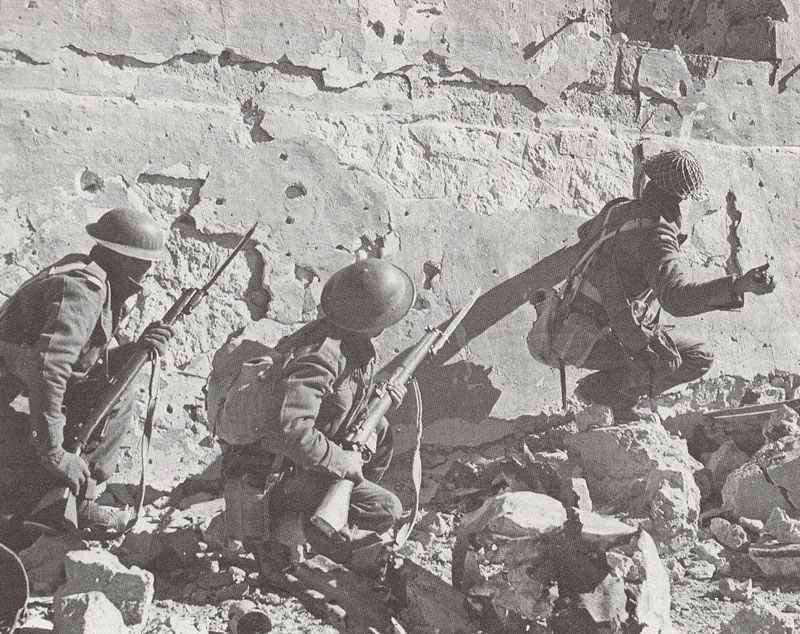
In September 1939, the South African Army had just about 5,353 regular soldiers and roughly 14,631 men in the Active Citizen Force. What followed was a remarkable military expansion for any British dominion, producing a force that fought in East Africa, the Western Desert, and the mountains of Italy.
South African military history in this period is tangled up with the politics that shaped it. The Union Defence Force (UDF) relied entirely on volunteers, since conscription was off the table politically.
The wartime UDF stayed a volunteer organization, even though it would later become the SADF in 1958. Racial policy limited combat roles to men of European descent, while other groups served in support, pioneer, and logistical roles.
Those constraints shaped every campaign the UDF fought. The force that emerged managed to defeat Italian forces in East Africa and played a vital role in the North African campaign.
They held the line at Sidi Rezegh and El Alamein, suffered a major loss at Tobruk, and then rebuilt as the 6th South African Armoured Division for the tough advance through Italy. The South African Air Force (SAAF) operated in the same theaters, flying close support, bombing, and reconnaissance missions from East Africa to the Romanian oilfields.
Together, the army and the SAAF made South Africa one of the more active dominion contributors to the Allied war effort.
South Africa’s Entry Into The War
The vote to enter the war on 4 September 1939 was close. It produced lasting political consequences that shaped how the Union Defence Force recruited, organized, and deployed throughout the conflict.
The debate split the ruling United Party and ended J.B.M. Hertzog’s career. It also unleashed a wave of pro-Nazi domestic opposition that needed active suppression for years.
The Neutrality Debate And The Fall Of J.B.M. Hertzog
When Germany invaded Poland on 1 September 1939 and Britain declared war two days later, South African Prime Minister J.B.M. Hertzog argued for neutrality. His position reflected deep Afrikaner skepticism toward Britain, rooted in the memory of the Anglo-Boer War and years of nationalist politics.
On 4 September 1939, the United Party caucus rejected Hertzog’s neutrality motion and removed him as prime minister. Hertzog and his supporters rejoined Daniel Malan’s National Party, cementing a split in Afrikaner politics that would define South African governance for decades.
Jan Smuts And The Decision To Join The Allies
Jan Smuts led the pro-war faction. When he replaced Hertzog, he declared South Africa at war with Germany on 6 September 1939.
Smuts understood South Africa’s strategic position. The Cape sea route was a vital artery for British shipping, so he moved quickly to fortify it.
Field Marshal Jan Smuts developed a close relationship with Winston Churchill during the war. On 28 May 1941, he became the first South African appointed as a Field Marshal of the British Army.
His proximity to the British establishment, while strategically valuable, cost him politically at home. That connection contributed to his electoral defeat in 1948.
Domestic Opposition, The Ossewabrandwag, And The Africa Oath
The Ossewabrandwag (OB), a pro-Nazi Afrikaner movement with a claimed membership of around 160,000, represented the most organized internal threat to South Africa’s war participation. The organization stated it had about 15,000 members who hadn’t taken the “Africa oath,” a pledge to fight against the Axis anywhere on the continent.
In August 1940, the OB proposed an armed uprising timed to German coordination. The so-called West Plan involved blowing up bridges, striking in mines and railways, and targeting English-language newspapers.
The plan never happened because the OB couldn’t get enough weapons. Individual Ossewabrandwag members, called Stormjaers, carried out sabotage against power lines, railroads, and communications infrastructure.
Smuts cracked down, jailing OB leaders like a young John Vorster for the duration of the war. The National Party formally broke with the OB in 1942 after the sabotage campaign alienated mainstream Afrikaner opinion.
How The Union Defence Force Was Organized
The Union Defence Force that went to war in 1939 was small and underequipped. It was trained mainly for bush warfare against African opponents.
Wartime expansion transformed it into a multi-division force, but only through a volunteer system shaped by political necessity and racial policy. At the outbreak of war, the Permanent Force had around 350 officers and about 5,000 enlisted men.
Regulars, The Active Citizen Force, And Wartime Expansion
The Active Citizen Force added roughly 14,631 part-time volunteers who received peacetime training. Pre-war planning hadn’t anticipated overseas deployment, so equipment and doctrine focused on regional counterinsurgency, not European-style warfare.
Wartime expansion relied entirely on volunteers. Since the parliamentary vote to enter the war passed by a narrow margin, conscription just wasn’t going to happen.
Every unit that deployed to East Africa, North Africa, and Italy was made up of men who chose to serve. The UDF organized its wartime force around two primary overseas divisions and a home defence structure.
The Union Defence Force, Home Defence, And Training Structure
The South African 3rd Infantry Division never saw combat but organized and trained home defence forces, ran garrison duties, and generated replacement personnel for the 1st and 2nd Divisions overseas. South African home defence forces managed coastal security, internal order, and the Cape sea route.
As the threat from German submarines in the South Atlantic and Indian Ocean grew after 1941, this role became more demanding. The 3rd Division’s 7th Motorised Brigade did deploy operationally, taking part in the invasion of Madagascar in May 1942.
Cape Corps, Native Military Corps, And Manpower Limits
The pool of European-descent men aged 20 to 40 was estimated at about 320,000—a tight limit for a country of South Africa’s size. To free up white soldiers for combat and technical roles, the UDF formed non-combat support corps from the Cape Coloured and Indian populations, eventually merging them into the Cape Corps.
A separate Native Military Corps, drawn from the Black African population, handled pioneer and labour tasks. Individuals within the Native Military Corps sometimes carried arms for self-protection and guard duties, but they were excluded from direct combat roles against European forces.
These racial restrictions reflected broader Union policy and stayed in force throughout the war.
Army Branches, Uniforms, And Equipment
South African ground forces operated across desert, mountain, and Italian terrain. Uniforms, equipment, and vehicles changed a lot between 1940 and 1945.
Units like the Cape Town Highlanders, Pretoria Regiment, and Imperial Light Horse brought their own regimental traditions into a force that was modernizing fast. The UDF deployed infantry brigades organized around both standard and motorised configurations.
Infantry, Motorised, And Armoured Elements
Motorised brigades used wheeled transport extensively, which worked well in the open desert terrain in North Africa. Infantry in the East African and Italian campaigns operated more conventionally, adapting to jungle and mountain conditions that rewarded dismounted tactics.
South African engineers made a real difference in North Africa, especially after El Alamein. They cleared minefields, repaired roads and rail lines, and restored harbor facilities as the Eighth Army chased Axis forces across Libya.
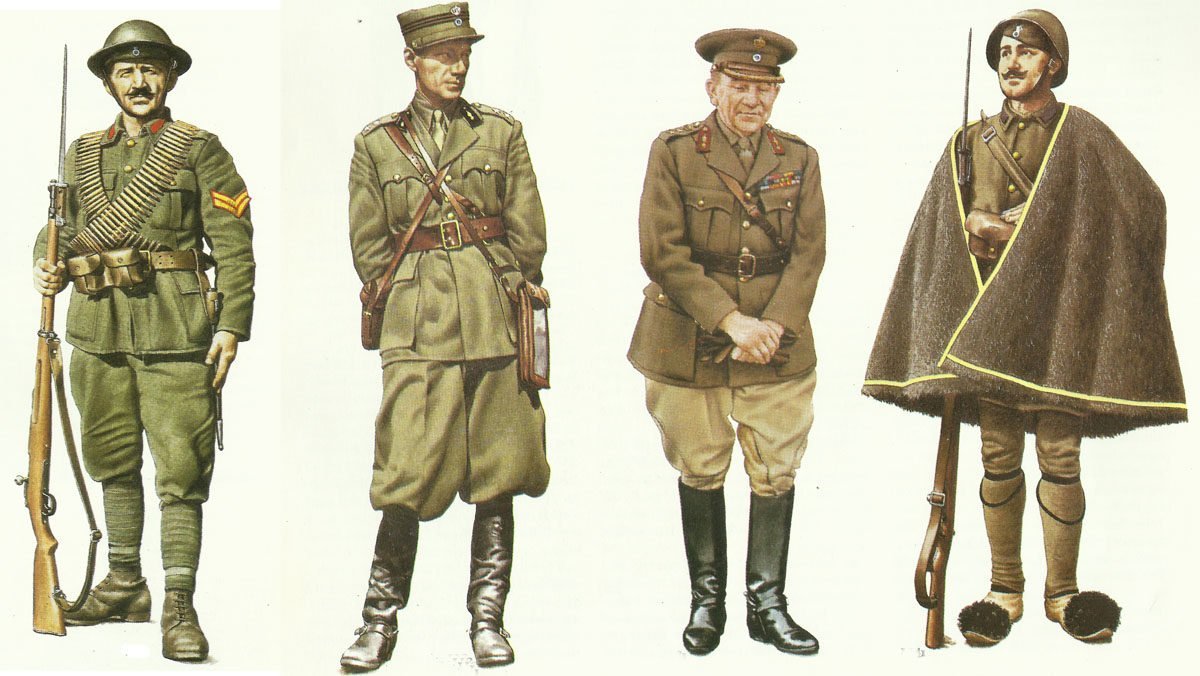
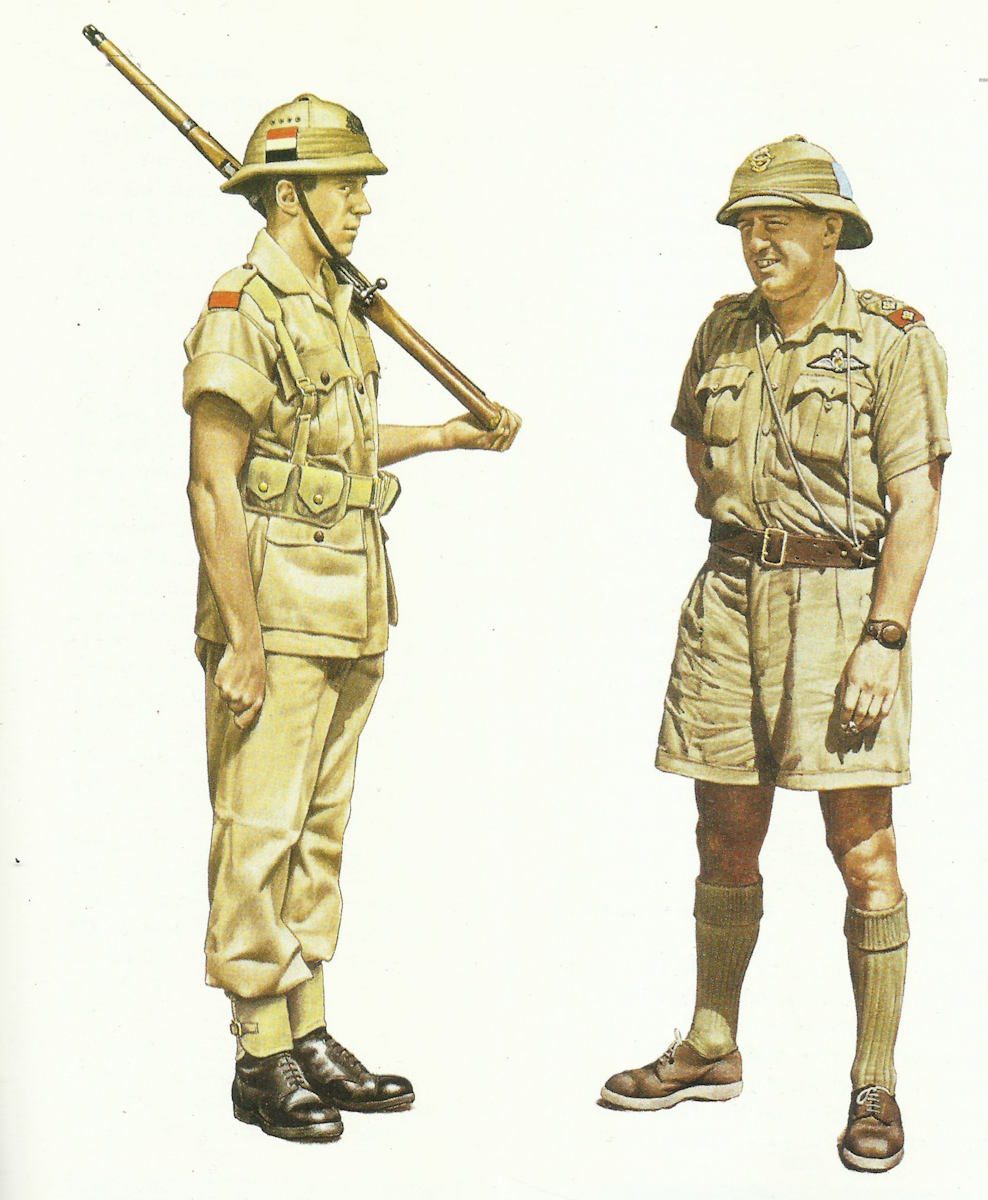
This logistical engineering work kept the momentum going after the battle. South African soldiers in the early war period wore khaki service dress broadly similar to British Commonwealth patterns, with distinct South African insignia including shoulder titles and regimental badges.
Uniforms, Insignia, And Service Dress In Different Theaters
The desert environment led to lighter clothing—shorts and open-collared shirts became the norm, just like for the rest of the Eighth Army. In Italy, colder and wetter conditions required heavier clothing.
Soldiers of the 6th South African Armoured Division wore battledress in the European pattern during winter. Regimental distinctions in headgear, like berets for armoured units, marked out different corps within the division.
South African Armoured Corps And Sherman Variants
The South African Armoured Corps equipped its 6th Division mostly with Sherman tanks supplied through Allied logistics. The M4 Sherman gave the division reliable, straightforward firepower for the infantry-support role it often played in Italy.
Some units also operated the Sherman Firefly, a British-modified variant with the 17-pounder gun that could take on heavier German armor at longer range. The Sherman’s availability through American production made it practical for a volunteer force drawing on British supply chains.
South African armoured crews trained on these vehicles in Egypt before deploying to Italy. They got to know both the tank’s strengths and its real limitations against the Panzer IV and Panther in the Apennines.
The South African Air Force And Joint Operations
The South African Air Force entered the war in 1939 with about 100 aircraft and maybe 1,600 men. By the end of the war, it had grown to over 31,000 service personnel.
Its operations spanned East Africa, the desert war in North Africa, and the long Italian campaign. That made it one of the busier dominion air forces in the Allied coalition.
Air Support In East Africa And The Desert War
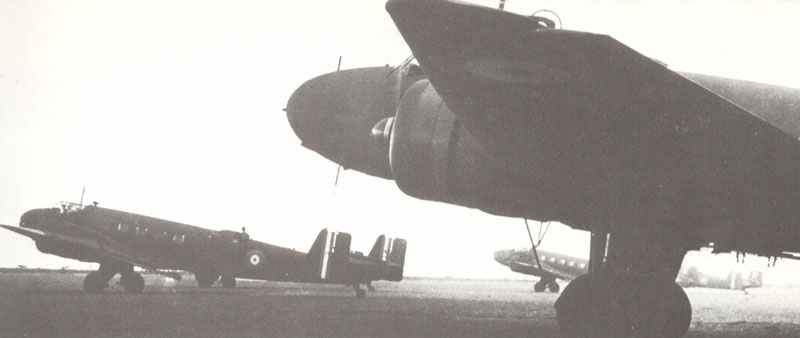
The SAAF fired the first shots of the East African campaign. Aircraft of 12 Squadron, flying converted Junkers Ju 86 bombers, bombed Italian armored concentrations at Moyale on 11 June 1940, just hours after Italy declared war.
This early initiative set the tone for aggressive SAAF involvement throughout the East African campaign. In the desert war, SAAF squadrons flew ground attack, close support, and interdiction missions alongside RAF units.
The SAAF worked closely with ground formations, learning quickly from the unpredictable conditions of desert warfare. It built up a substantial operational record across the Western Desert through 1941 and 1942.
Cooperation With Ground Forces In North Africa
As the North African campaign heated up, the SAAF stepped up its support for the 1st and 2nd South African Infantry Divisions. Air cover and ground-attack sorties gave South African ground troops a fighting chance against German formations with better anti-tank weapons.
The loss of the 2nd Division at Tobruk in June 1942 wasn’t really about air support; bigger problems in the Eighth Army’s defensive setup played a larger role. After El Alamein, SAAF crews joined the long chase across Libya and into Tunisia, flying missions alongside the RAF’s Desert Air Force.
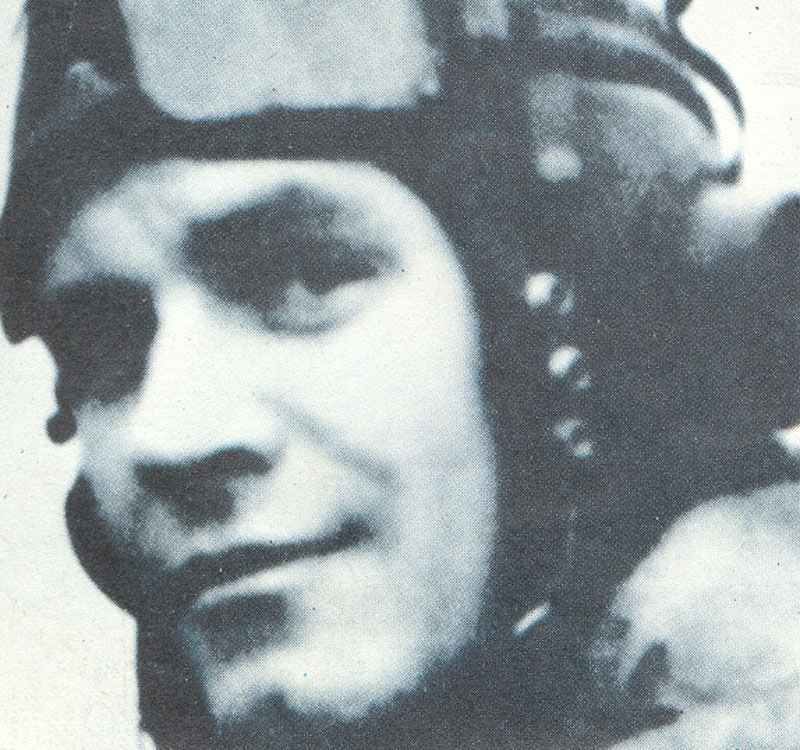
Air Power In Italy And The Mediterranean
SAAF units pitched in across Italy, Sicily, and the wider Mediterranean. They flew escort, bomber support, and ground-attack missions as the Allied advance pushed north up the Italian peninsula.
SAAF crews hit targets far from the main theater, too. They bombed the Romanian oilfields at Ploiesti, dropped supplies for the Warsaw Uprising in 1944, and scouted ahead of Soviet advances near Lvov and Cracow. It’s honestly impressive how far South Africa’s airmen reached by the end of the war.
Early Campaigns In East Africa And Home Defence
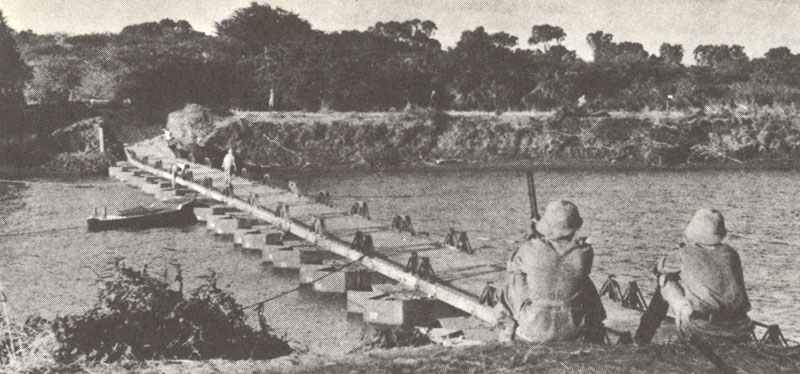
The Union Defence Force first saw action not in North Africa, but in East Africa. Italian colonial forces in Ethiopia, Eritrea, and Somalia threatened British East Africa and neighboring territories.
At the same time, South Africa needed to keep home defence forces sharp and protect the Cape sea route. That was no small task with the global situation shifting fast.
Operations Against Italian East Africa
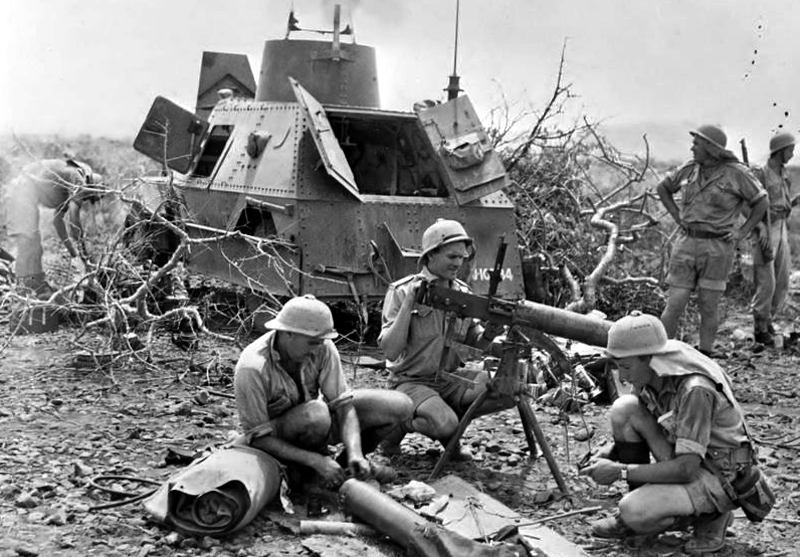
South African troops jumped into the East African campaign from mid-1940 until Italian resistance crumbled in November 1941. The 1st South African Division was created for this deployment and got its first taste of combat in the rough terrain of the Horn of Africa.
The campaign meant advancing through British Somaliland, Kenya, Ethiopia, and Eritrea. Italian East Africa had a big but poorly equipped colonial army that couldn’t keep up once the Allies got rolling. South African infantry and SAAF squadrons played a real part in wrapping up the campaign.
Defending The Cape Route And Internal Security
Italy’s entry into the war in June 1940 changed South Africa’s strategic outlook overnight. The Cape sea route became the main Allied shipping lane between Britain and the Middle East since the Mediterranean was basically off-limits.
South Africa ran the ports and facilities that kept this route alive. Home defence units took on coastal security, anti-submarine patrols, and keeping order at home.
As German U-boat activity picked up in the South Atlantic and Indian Ocean after late 1941, shipping near South African ports faced real danger. Big drills like Exercise Cape Town, Exercise Durban, and Exercise Tussle tested how ready local defenses were. These maneuvers helped the South African Army, air, and naval units work together.
From Regional Commitments To Overseas Service
The East African campaign turned the UDF from a small regional force into one that could handle big, conventional battles. Units and leaders who fought in East Africa brought that hard-earned experience to North Africa after.
Getting ready for overseas service took careful handling back home. Since service outside Africa was voluntary under the “Africa oath,” commanders had to juggle operational needs with the limits of a volunteer system and ongoing political pressure at home.
North Africa, Tobruk, And El Alamein
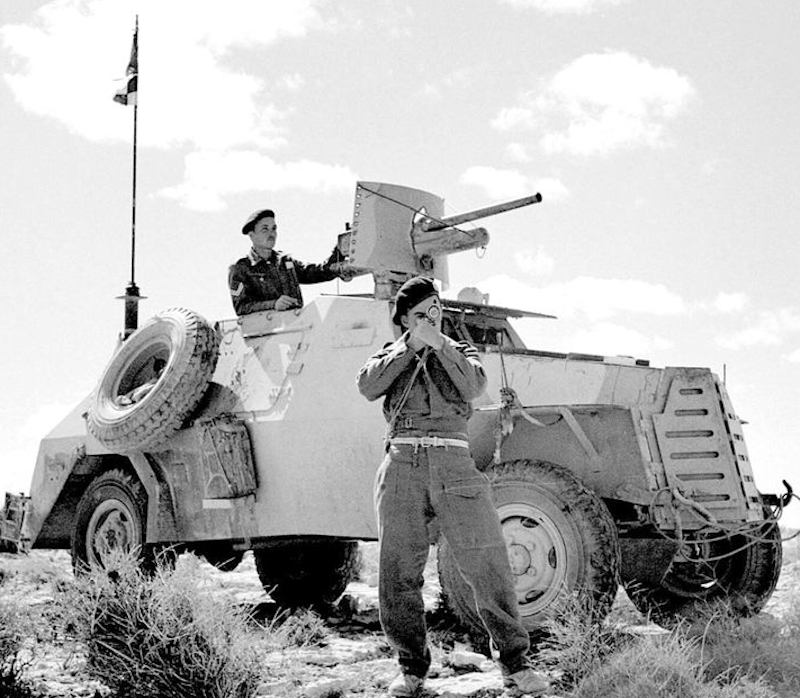
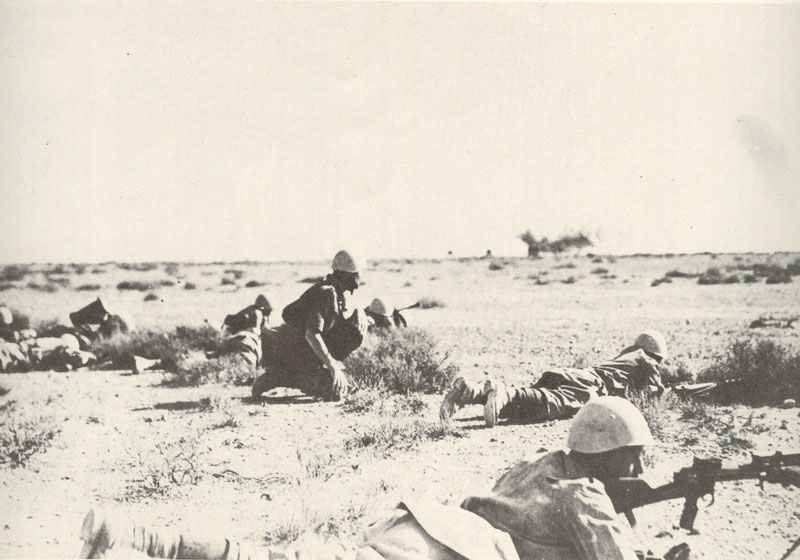
South African ground forces fought in North Africa from 1941 through late 1942, sending two full infantry divisions to the British Eighth Army. The campaign saw both major successes and the worst disaster in South African military history.
1st South African Infantry Division In The Desert
The 1st South African Infantry Division moved to North Africa after East Africa and fought in several key battles during 1941 and 1942. At Sidi Rezegh during Operation Crusader in November 1941, South African units faced brutal tank and infantry combat.
The 1st Division kept fighting through the Gazala battles in mid-1942 and helped hold the line at the First Battle of El Alamein in July 1942. After the Second Battle of El Alamein in late 1942, the 1st Division returned to South Africa and reorganized as the 6th South African Armoured Division.
2nd South African Infantry Division And The Fall Of Tobruk
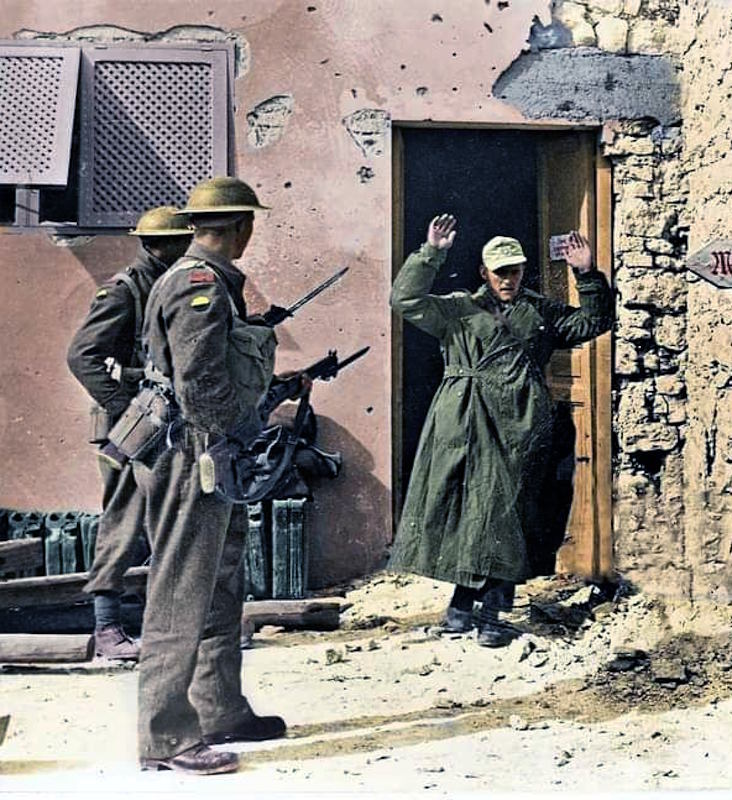
The 2nd South African Infantry Division suffered its worst defeat at Tobruk on 21 June 1942. Rommel’s Panzerarmee Afrika overran the fortress, capturing two full brigades and most supporting units.
The garrison at Tobruk included most of the 2nd Division, Indian, and British troops. Major General H.B. Klopper commanded the 2nd Division. Winston Churchill, who learned of Tobruk’s fall while meeting President Roosevelt, called it one of the most painful shocks of the war.
The Eighth Army, El Alamein, And The Turning Of The Campaign
South African forces served under the British Eighth Army when Bernard Montgomery launched the Second Battle of El Alamein on 23 October 1942. The 1st South African Division took part in the offensive that broke Rommel’s army and started the push across Libya and into Tunisia.
El Alamein signaled the end of major South African infantry operations in the desert war. The 2nd Division was gone after Tobruk and never rebuilt. The 1st Division, after El Alamein, went home to become the armoured division for the next phase in Italy.
The Italian Campaign And The 6th Armoured Division
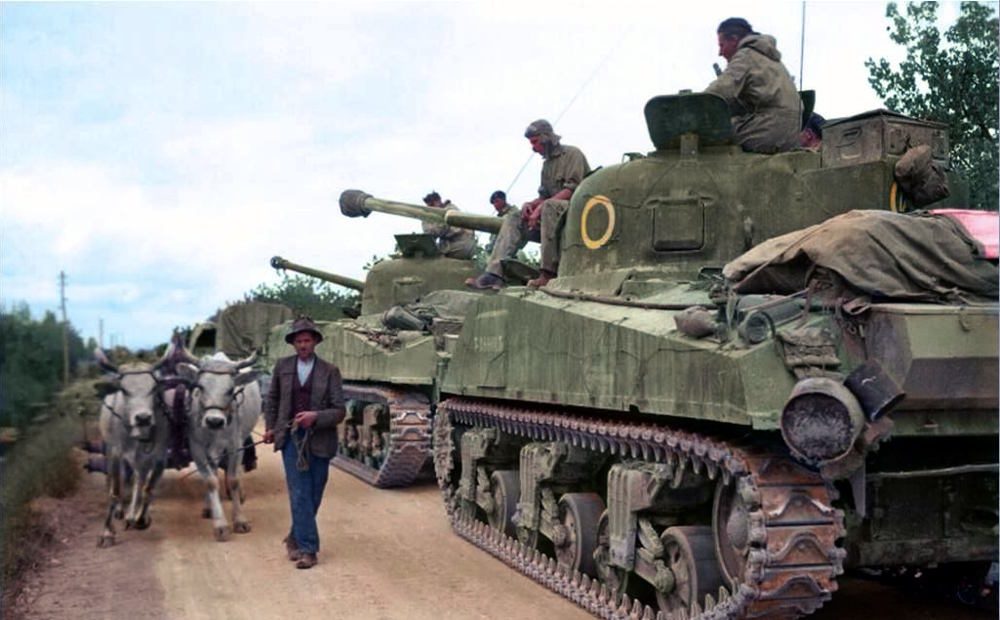
The 6th South African Armoured Division formed on 1 February 1943 in Pretoria, built around veterans from the 1st South African Infantry Division. It included the 11th Armoured Brigade and the 12th Motorised Brigade (later the 13th), and deployed to Italy in April 1944, staying in action until the war’s end.
From Reorganization To Deployment In Italy
The division arrived in Italy as part of a multinational Allied force moving north after breaking through at Anzio and the Gustav Line. Early on, it served under various corps commands as the front shifted, then joined the U.S. Fifth Army for the push north.
The 6th Division mixed armour and motorised infantry in a way that fit Italy’s tough terrain. Its armoured brigade with Shermans gave direct-fire support, while the motorised brigade handled the tough infantry work the tanks couldn’t do alone.
From The Trasimene Line To Florence
Crossing into Tuscany, the 6th South African Armoured Division hit German defenses along the Trasimene Line in June and July 1944. Fighting near Chiusi and Orvieto meant armoured thrusts and tough infantry assaults up to the high ground.
On 6 June 1944, the Division, operating as the left-hand formation of the Eighth Army in XIII Corps, entered Rome with the 11th Armoured Brigade in front and the Natal Mounted Rifles screening. The division pushed along the Via Casalina, took Orvieto, and advanced toward Florence through the summer. The 24th Guards Brigade joined the division for parts of this drive, adding more infantry muscle.
Gothic Line Fighting And The Advance To The Po Valley
The Gothic Line threw some of the toughest defenses of the Italian campaign at the 6th South African Armoured Division. Operation Olive, the Allied push to break the Gothic Line, kicked off in late August 1944.
South African units battled German defenders from the 16th SS Panzer Grenadier Division, the 356th, and the 365th Infantry Divisions. Fights at Monte Vigese and Monte Salvaro saw infantry and armour struggle for ridgelines. The Paula Line, another tough belt behind the Gothic Line, needed more fighting to crack. In the last spring offensive, the division saw heavy action at San Matteo della Decima. By April 1945, the division crossed the Po Valley as German resistance fell apart, ending the war as a seasoned force.
Legacy, Losses, And Historical Assessment
South Africa’s wartime effort was a big deal for a country with limited manpower and deep political divides. To really get it, you have to look at the numbers, the battles, and how people have tried to make sense of it all since then.
Casualties, Prisoners, And Material Contribution
South Africa took heavy losses in its main campaigns. Tobruk alone meant losing two full infantry brigades and most of their support, the biggest single loss in the country’s military history.
Casualties from East Africa, the desert war, and Italy all added up. The SAAF grew from about 100 aircraft and 1,600 people to over 31,000 by war’s end. South African ports like Cape Town and Durban handled huge amounts of Allied shipping along the Cape route, a logistical feat that doesn’t get talked about enough compared to the fighting.
How South Africa’s Wartime Role Has Been Remembered
The memory of the UDF’s wartime service is complicated. Political battles over entering the war, and the rise of apartheid after 1948, meant the war’s memory became a battleground itself. Veterans who fought with the British didn’t get much recognition from a government whose leaders had often opposed the war or even been jailed by Smuts.
The racial structure of the wartime force—especially keeping Black African soldiers out of combat and limiting them to the Native Military Corps—has drawn more attention from historians lately. That policy mirrored the Union’s broader approach and shapes how we look at the wartime experience now.
Why The Campaign Record Still Matters
If you’re into military history, war games, or just curious, the South African campaign record offers detailed case studies in division-level combined-arms operations across three very different theaters. The shift from infantry to armour between 1942 and 1944 really stands out as an example of a dominion force rebuilding after a major defeat.
The 6th South African Armoured Division’s campaign in Italy, in particular, still doesn’t get the attention it probably deserves. Sites like WW2-Weapons.com, which focus on precise, factual military history, show the value of detailed unit-level data for understanding how formations like the 6th Division fit into the bigger Allied picture in Italy.
Frequently Asked Questions
What roles did South African forces play in the major World War II campaigns in Africa and Europe?
South African forces fought in three main theaters: the East African campaign against Italian colonial forces in 1940 and 1941, the North African desert war as part of the British Eighth Army in 1941 and 1942, and the Italian campaign from 1944 to 1945 with the 6th South African Armoured Division. The South African Air Force operated across all three theaters and extended its reach to Romania, Poland, and the Eastern Front.
How many South Africans served in World War II, and what were the casualty figures?
About 340,000 South Africans volunteered for the Union Defence Force during World War II. Conscription just wasn’t an option—politics made sure of that.
Casualty numbers changed depending on the theater. The fall of Tobruk in June 1942, for example, led to the capture of two entire infantry brigades (nearly 10,000 men) and most of their support units.
The 6th South African Armored Division alone suffered approximately 3,543 casualties in Italy in 1944–45.
Which key battles involved South African units, and what were their outcomes?
South African troops fought at Sidi Rezegh, Tobruk, and El Alamein in North Africa. Tobruk was a disaster for them, while El Alamein ended up tipping the scales for the Allies.
In Italy, the 6th South African Armoured Division saw action on the Trasimene Line and took part in Operation Olive along the Gothic Line. They also joined the push through the Po Valley that finally wrapped up the campaign there.
How did wartime politics and public opinion within South Africa affect military participation?
Parliament barely approved entry into the war, so conscription never happened. The Ossewabrandwag movement didn’t just oppose the war—they actually planned an armed uprising with German help, though nothing came of it.
Prime Minister Smuts jailed OB leaders for the war’s duration, but opposition at home still made recruiting and planning tough. The government always had to work around that resistance.
What were the racial policies in the wartime forces, including the roles assigned to white and non-white servicemen?
The Union Defence Force only armed men of European descent for combat, so their fighting manpower topped out around 320,000. Cape Coloured and Indian troops joined the Cape Corps, mostly handling support and transport.
Black African soldiers served in the Native Military Corps, mainly doing pioneer and labour work. Sometimes they carried arms for self-defense, but the military kept them out of direct combat against European forces.
Was South Africa ever directly attacked during World War II, and what threats did it face?
South Africa wasn’t directly invaded during World War II, but the country definitely faced some genuine threats. German U-boats prowled the South Atlantic and Indian Ocean, going after Allied ships near South African ports—especially after late 1941.
Once Japan entered the war in December 1941, people in South Africa started worrying about possible attacks from the east. South African forces also joined in the seizure of Madagascar from Vichy French control in May 1942, hoping to stop the Japanese from using the island.
References and literature
Krieg der Panzer (Piekalkiewicz)
Luftkrieg (Piekalkiewicz)
Der Grosse Atlas zum II. Weltkrieg (Peter Young)
The Armed Forces of World War II (Andrew Mollo)
World War II – A Statistical Survey (John Ellis)
The Desert War (Andrew Kershaw, Ian Close)