


U-Boat Type 7 class (VII), most numerous German submarines of World War II with 705 boats.
History, development, service, specifications, statistics, pictures and 3D model.
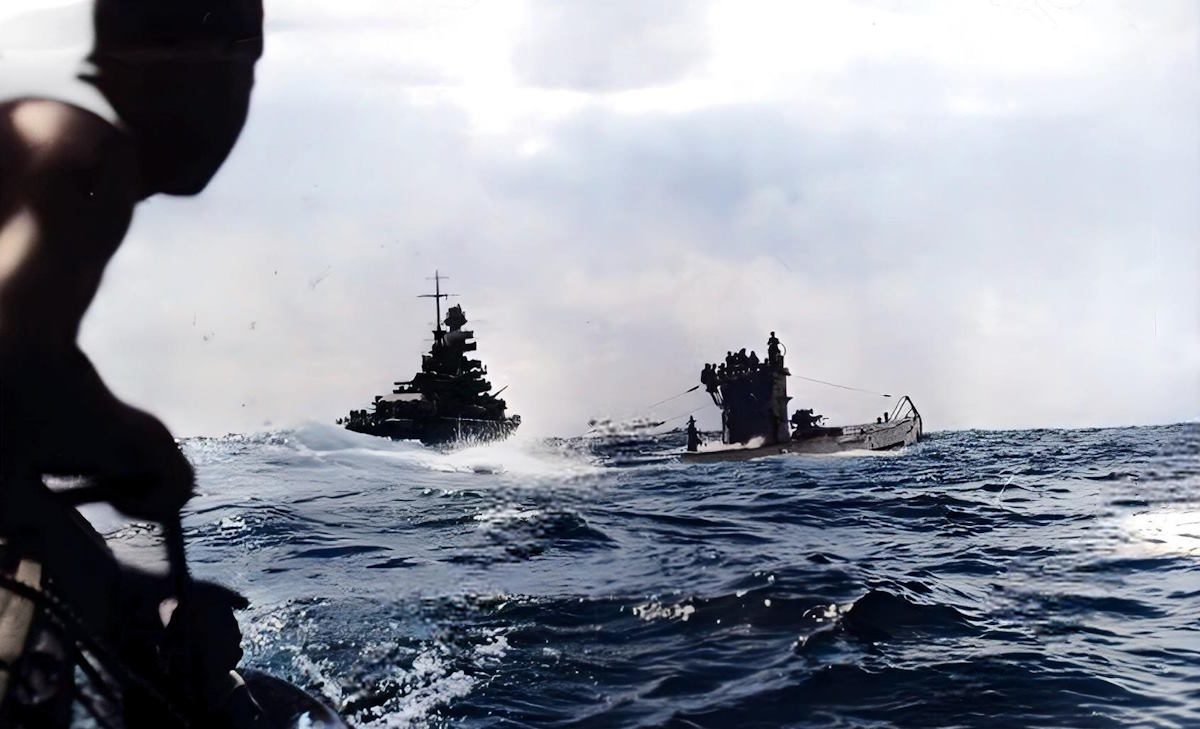
German Submarines of the Second World War
German submarines, known as U-boats (short for Unterseeboot), played a significant role in Nazi Germany’s naval strategy during World War II.
Overview
Types and Development:
– Type VII: The most common U-boat class with about 700 built. The Type VIIC was the workhorse of the fleet.
– Type IX: Larger, long-range submarines designed for operations far from home bases.
– Type XXI: Revolutionary design introduced late in the war featuring significantly improved underwater performance and battery capacity.
– Type XXIII: Smaller coastal version of the Type XXI with similar advanced features.

The Battle of the Atlantic:
The U-boats were instrumental in the Battle of the Atlantic (1939-1945), attempting to cut Britain’s supply lines by sinking merchant vessels. Key phases included:
– First Happy Time (1940): Initial success against poorly protected convoys
– Convoy System: Allied response with escorted merchant ship groups
– Second Happy Time/Operation Drumbeat (1942): Successful U-boat operations off the American coast
– Black May (1943): Turning point when improved Allied tactics and technology inflicted heavy U-boat losses
Wolf Pack Tactics:
Admiral Karl Dönitz developed “wolf pack” (Rudeltaktik) tactics, where multiple submarines would coordinate attacks on convoys, typically attacking at night on the surface.
Technology:
– Schnorchel (snorkel): Allowed submarines to run diesel engines while submerged at periscope depth
– Acoustic torpedoes: Homing torpedoes like the T5 “Zaunkönig” (Wren)
– Radar detectors: Equipment like Metox and Naxos to detect Allied radar
Legacy:
By war’s end, about 782 U-boats were sunk with roughly 28,000 crew members killed (75% casualty rate). While initially very effective, improved Allied anti-submarine warfare eventually neutralized the U-boat threat.
History
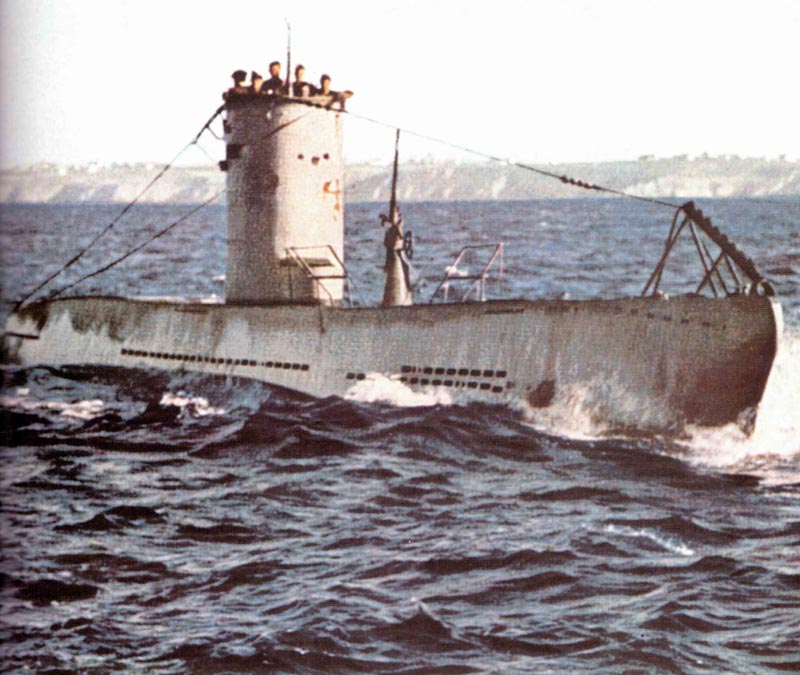
Under the terms of the Treaty of Versailles Germany was not allowed to retain or build any submarines so that at the outbreak of war in 1939 the German U-boat fleet was comparatively modern, all the vessels having been built since 1935. Between 1919 and 1934 German submarine technicians had not been idle, and among those submarines built in various European shipyards to German design and with German technical assistance were Gür built in 1932 for the Turkish navy, and Vesikko built in 1933 for Finland.
Gür was 72.4 m (237 ft 6 in) long and displaced 750 tons (surfaced) and 960 tons (submerged), and was armed with six torpedo tubes (four bow and two stern) and one 4-in (102-mm) gun. Vesikko was a smaller boat of only 250 tons (surfaced) and 300 tons (submerged); it was 40.8 m (134 ft) long, and armed with three bow 53-cm (21-in) torpedo tubes and a small gun.
Thus, Gür provided a prototype for an ocean-going submarine, while Vesikko was the forerunner of the coastal submarines.
Type II
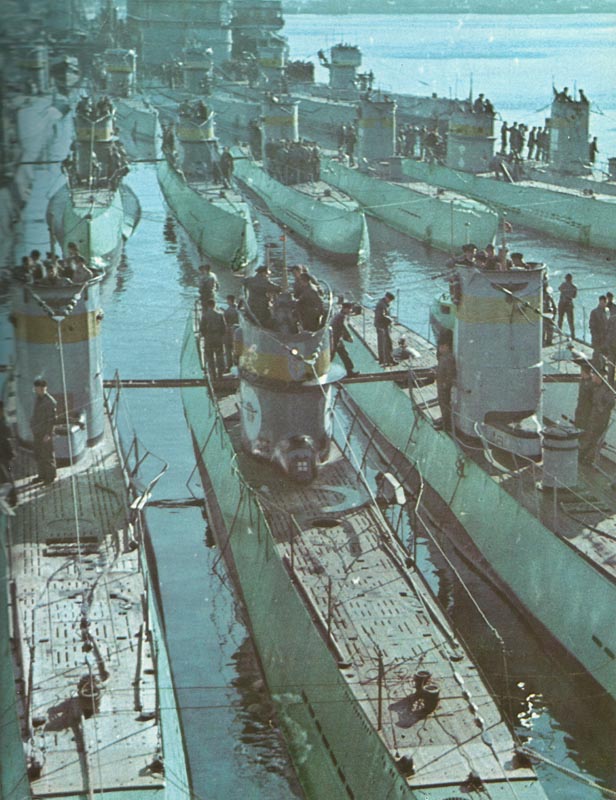
In order to get the building program under way as rapidly as possible to fulfil the need to have submarines at sea and to train future crews, it was the coastal submarines of Type II, as they were to be known, that were the first to be laid down. The first such boat for the German navy, called U-1, was launched in Kiel in June 1935, the remainder following shortly afterwards. The class II B and II C were similar, but were larger and carried additional fuel to increase their range. II D boats were introduced in 1940; they were still larger; and were fitted with saddle tanks to increase their range further. Although used for operations early in the war these boats were soon relegated to training duties, an essential part of the enormous expansion program that the U-Boat arm was to undertake.

Type I
Meanwhile, the Type I, of which only two boats were built, gave the German navy a capability of operations in the Atlantic. Basically the same design and performance as Gür, these two boats in turn were to become the prototype, with the UB48 Class of 1917, of a new series of ocean-going submarines, the Type VII U Boat. This type, with its several variants, was undoubtedly the mainstay of the German submarine fleet throughout the war. The variants retained many structural characteristics of the original Type VII but were designed either for better performance or for more specialized roles.
Type VII
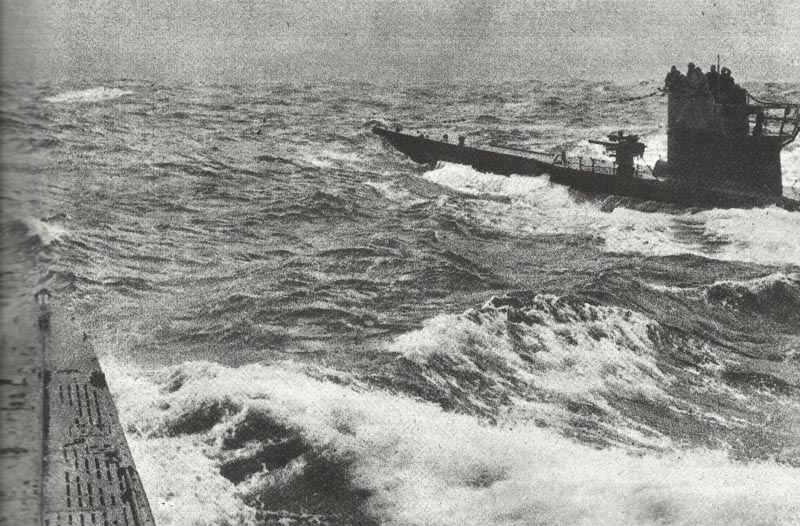
Type 7C, 7A, 7B, 7D (total of 705 U-boats Type VII)
Type: submarine.
Type VIIA
The first U-boat VII A was U-27, launched in 1936, designed for operations in the Atlantic. It had good sea keeping qualities and easy handling both on the surface and submerged, and carried the best possible torpedo armament that could be fitted into a submarine of less than 65 m (213 ft) in length and only 626 tons surfaced displacement. Inevitably this was achieved at the expense of other factors, and habitability was spartan, to say the least. The U boats VII As are distinguished by their single external torpedo tube aft. U 30, a boat of this type, was responsible for sinking the liner Athenia early in the war.
Type VIIB
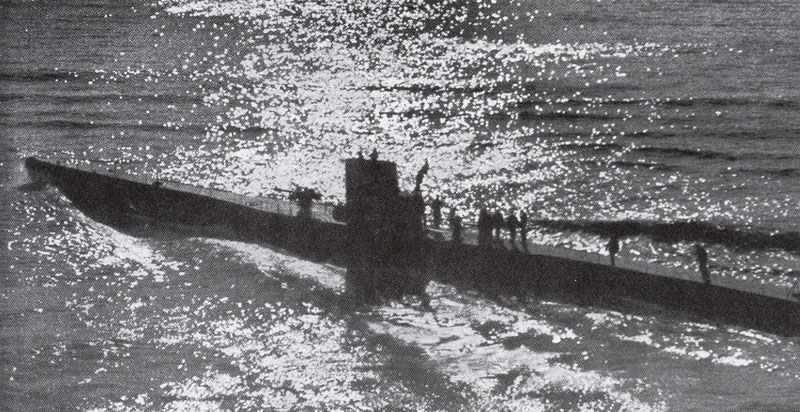
U-45, the first U-boat VII B, was launched in April 1938. The type had increased size and displacement to accommodate higher-performance engines and more fuel. The stern torpedo tube was made internal with the hull. The U-47 commanded by Korvetten-Kapitän Günther Prien entered Scapa Flow in 1939 and sank Royal Oak, and later was to sink many thousands of tons of Allied shipping in the Atlantic.
Type VIIC
The 7C U-boats (VII C), introduced in 1940, had a further increase in displacement and fuel capacity, more torpedo reloads, and a better AA armament. Contracts were placed for 688 submarines of this type, though later some of these were cancelled and others were destroyed by enemy action during construction.
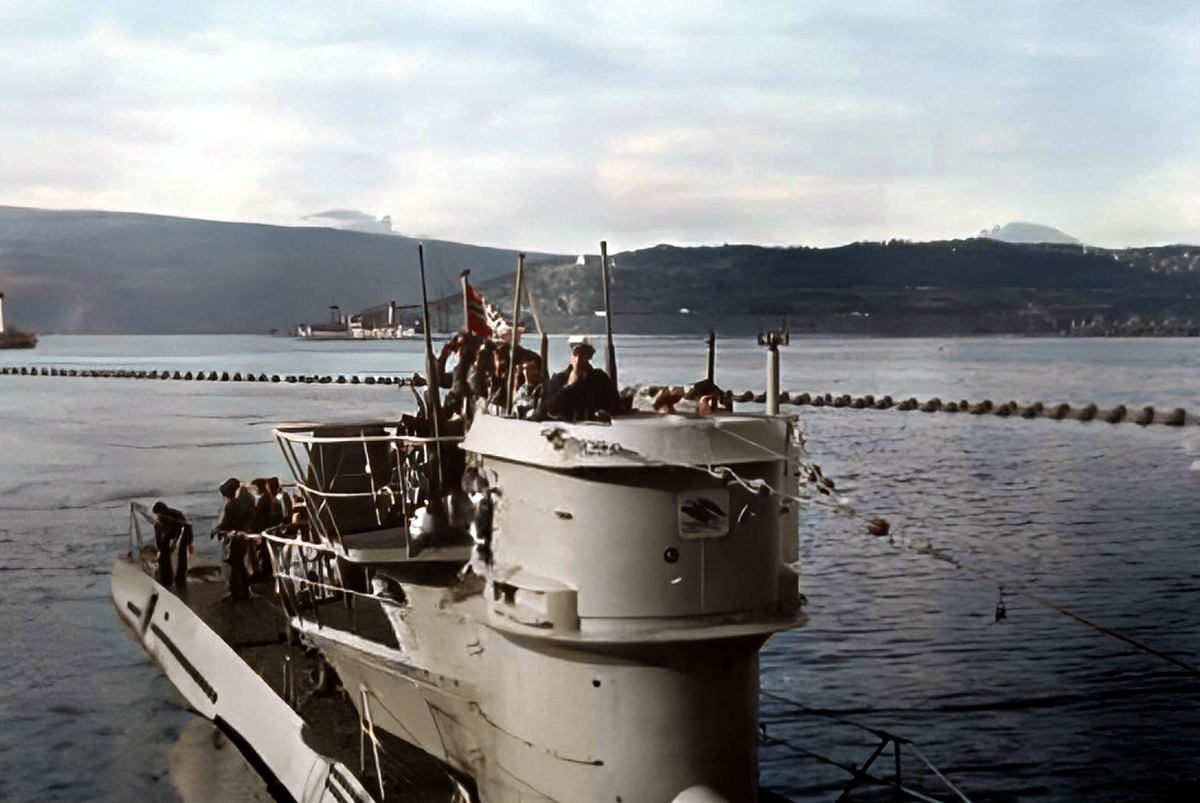
Type VIIC-41
The VII C-41 class differed only in that it had a stronger hull to give a greater diving depth. Eight submarines of this type were to have been completed for the Italian navy, but they were taken into commission by the Germans themselves following the Italian surrender. U 573 was interned in Spain at Cartagena after being badly damaged by depth charges dropped from an RAF aircraft in 1942. The following year she was sold to Spain and renumbered G7. U 570 surrendered after being damaged by an RAF aircraft south of Iceland, and later was commissioned as HMS Graph.
Type VIIC-42
Orders for a second variant, the U-boats 7 C-42, were cancelled to allow production to concentrate on newer types. Had it entered service it would have had increased range and an even greater diving depth.
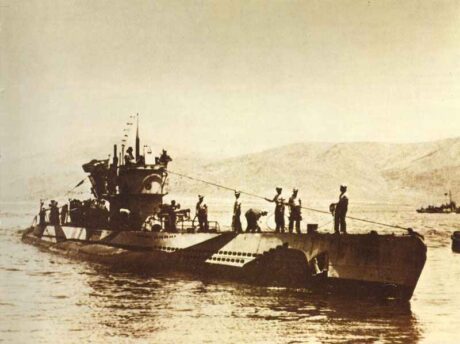
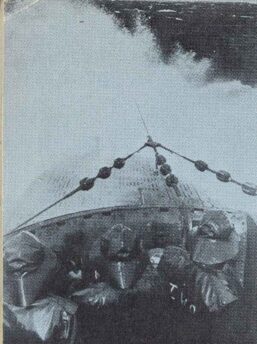
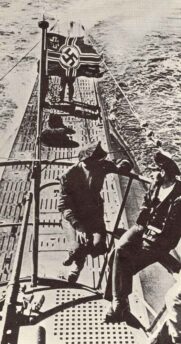
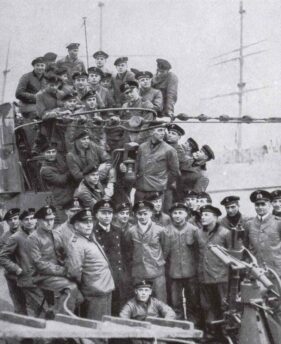
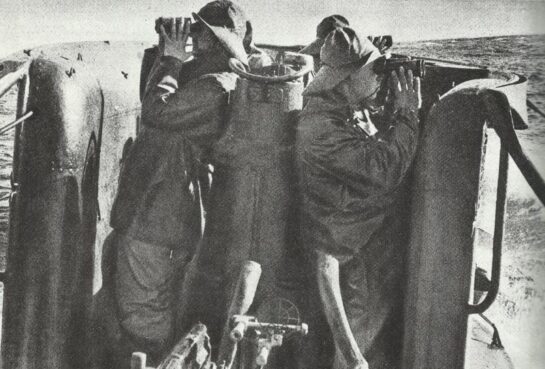
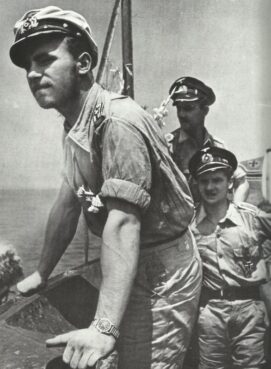
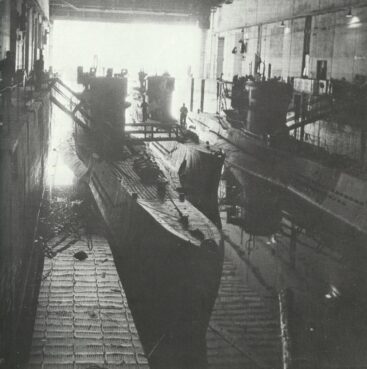
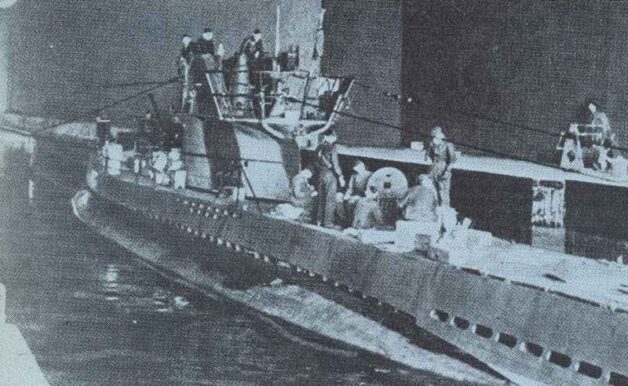
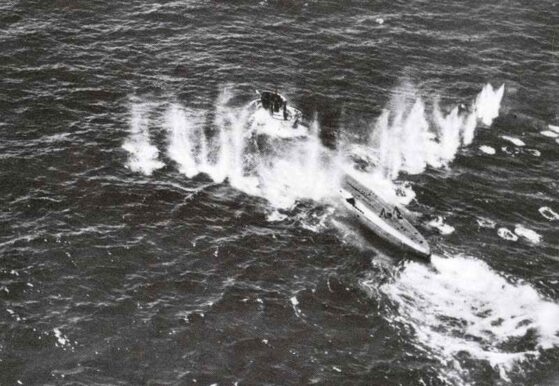
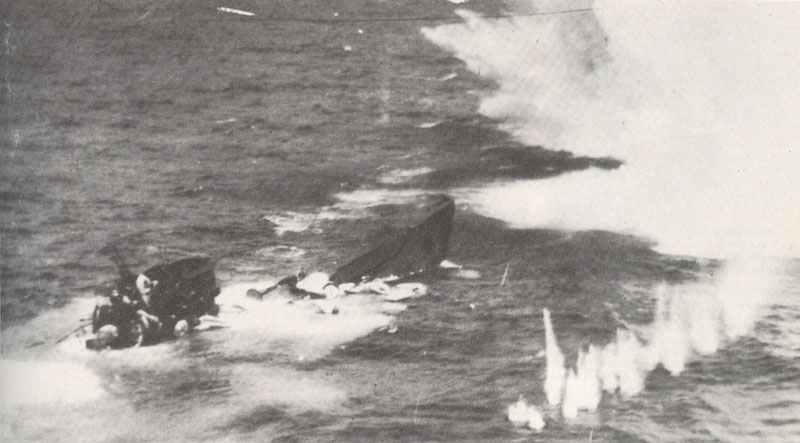
Type VIID
A mine laying variant, the U-boats VII D, was introduced in 1942. The six boats of this type had a 9.8-m (32 ft 2-in) section added into the hull aft of the conning tower to take five freeflooding mine chutes carrying a total of 15 moored mines similar to those carried by surface mine layers.
Type VIIF
In the VII F this extra section was adapted to carry 25 torpedoes to replenish other submarines already on patrol. Four boats of this type were built, and they carried additional fuel to increase their range. In addition to the replenishment torpedoes for other boats they had their own establishment of torpedoes to carry out their own operations.
A total of 705 boats of all variants had entered service by the time of the surrender in 1945, and of these, 437 were lost in action. The U977 (VIIC) left Norway rather than surrender, and after a continuous submerged passage of 66 days reached Argentina on August 17, 1945, where her crew were interned.
Type XIV
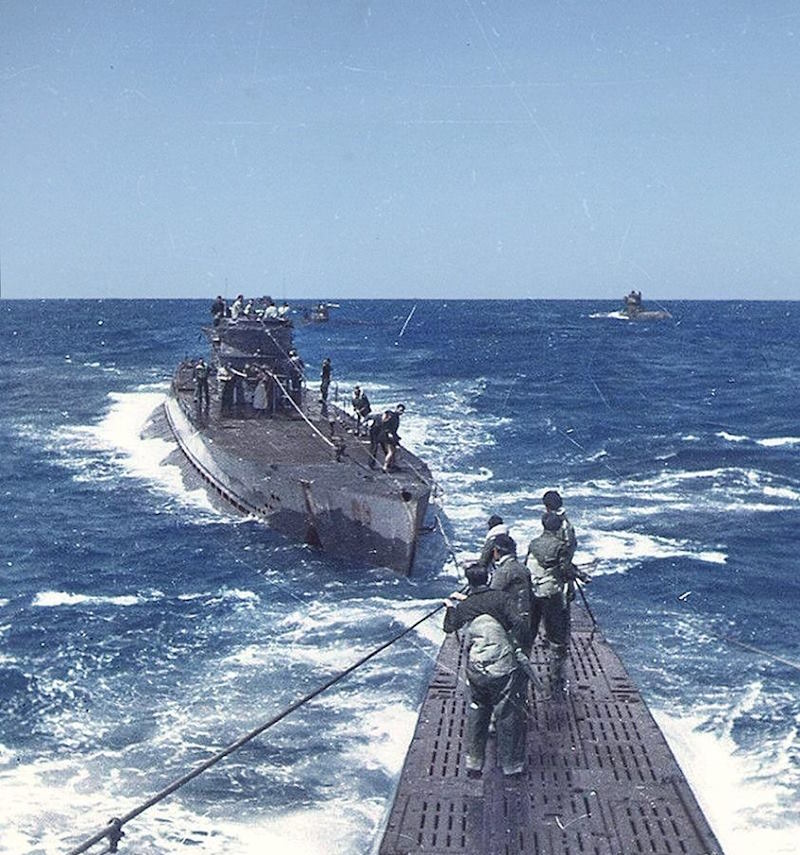
The U-boats XIV were tanker U-Boats derived from the VIIC class. They were used to supplying fuel to ether submarines to increase their time on patrol, and for this purpose they carried an additional 203 tons of fuel. They had no torpedo tubes of their own though they carried four torpedoes for transfer to other boats.
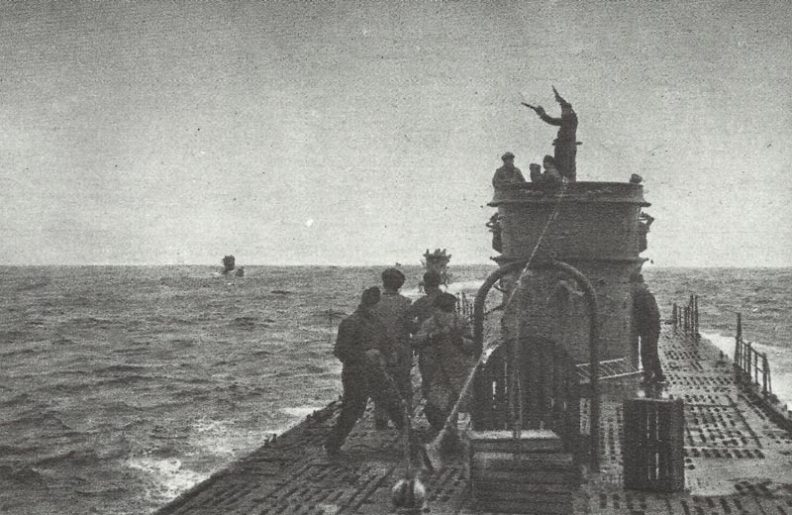
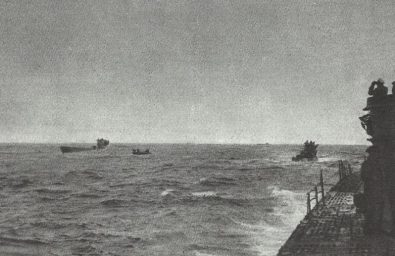
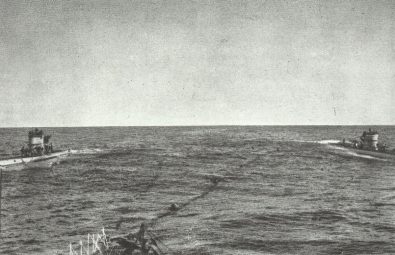
Users: Germany, Spain, Japan.
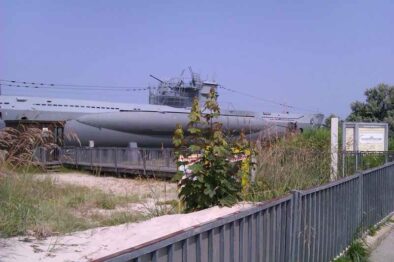
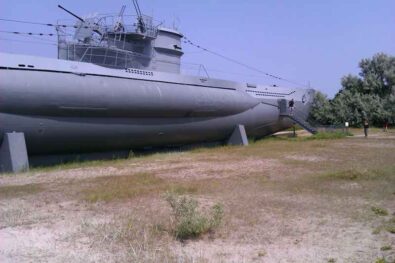
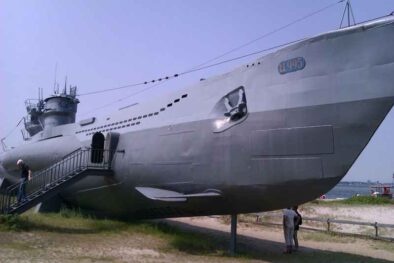
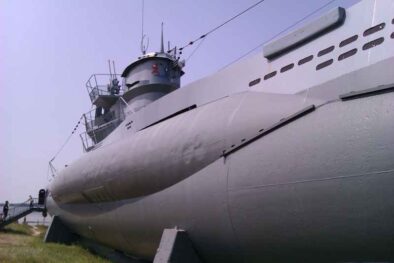
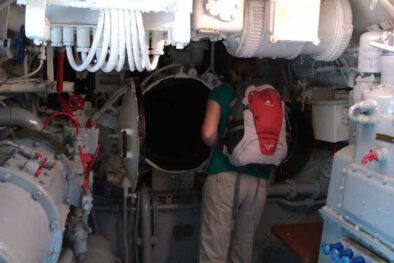
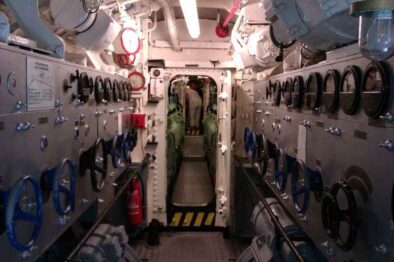
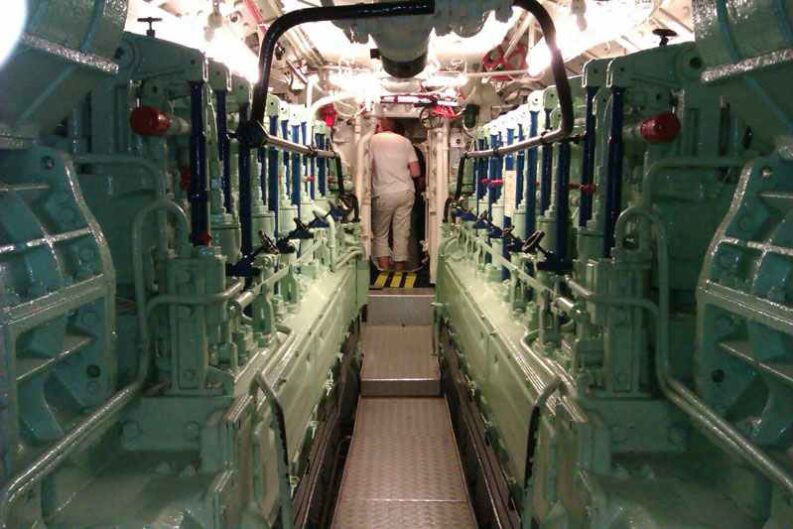
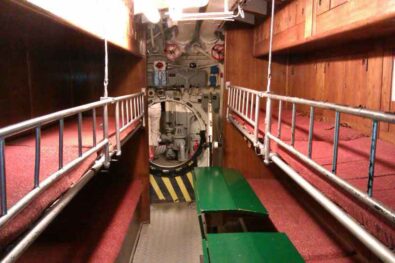
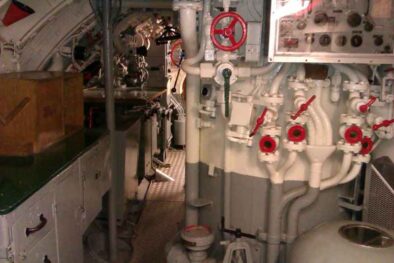
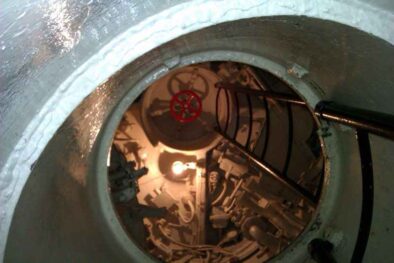
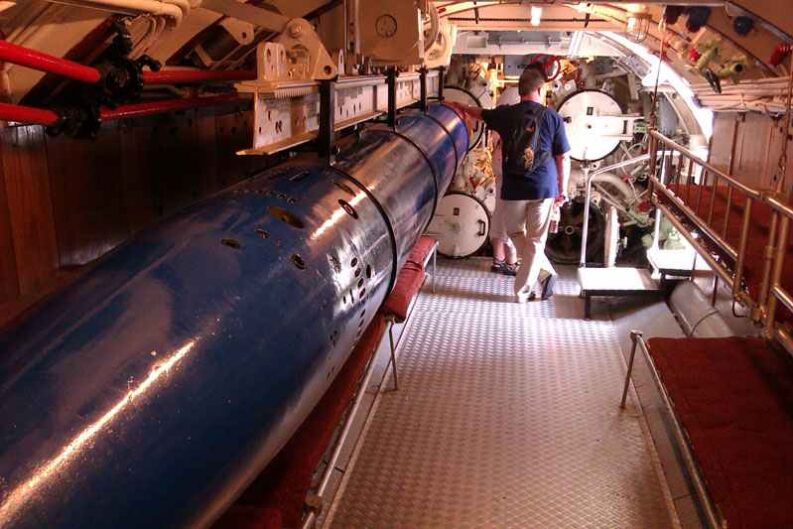
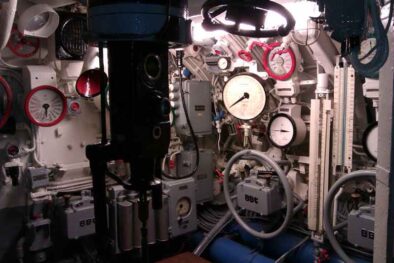
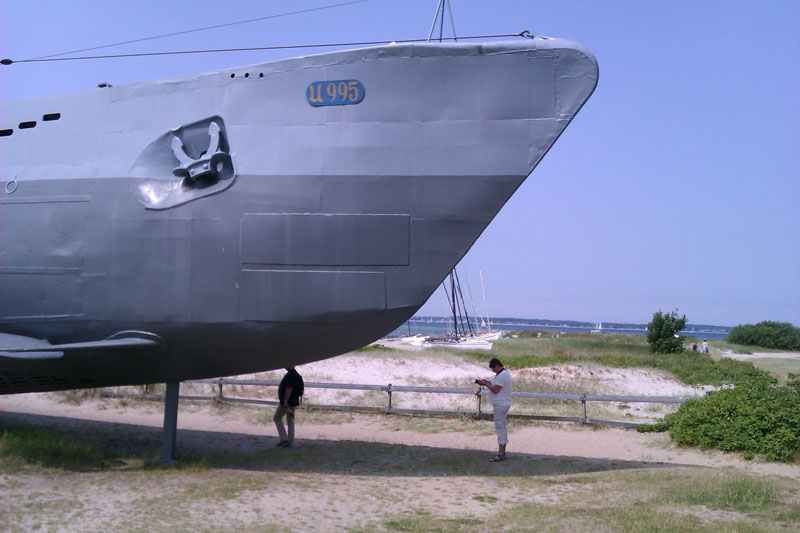
Museum U-boat U-995 (VIIC)
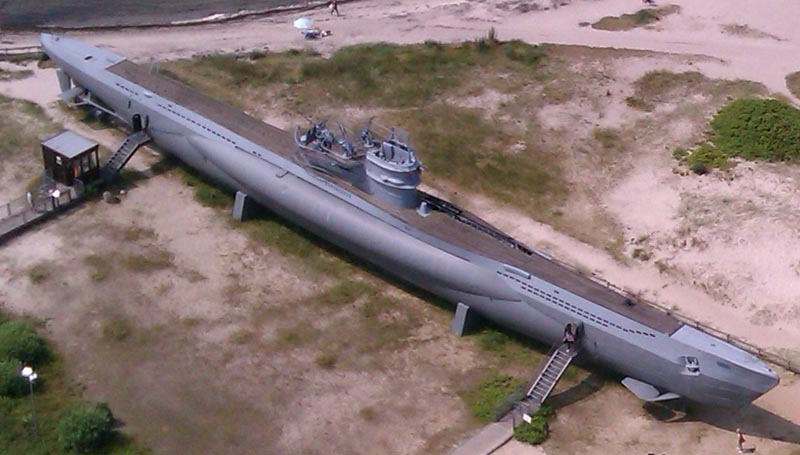
Launched: July 22, 1943 (Hamburg); commissioned September 16, 1943
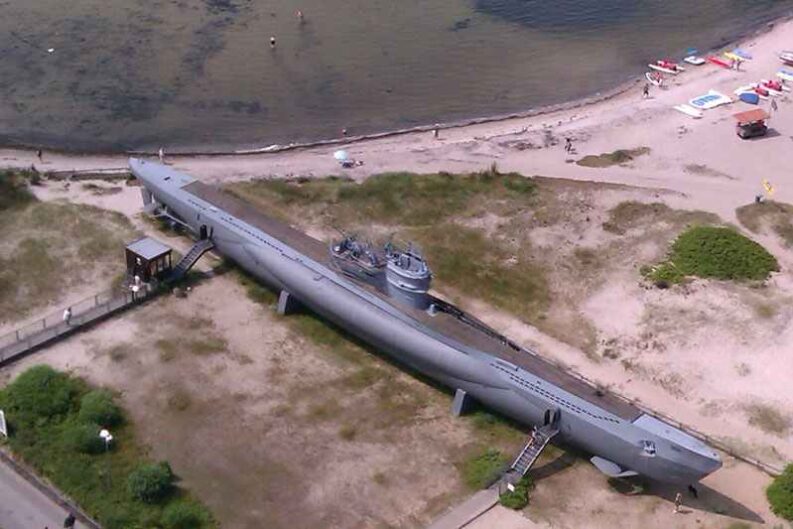
History: On VE-day (May 8, 1945) surrendered to Great Britain. In 1952 handed over to Norwegian navy. In use as training submarine until 1962. Given back to Germany in 1965 and rebuild to the condition of May 1945. Since 1977 as museum u-boat in exhibition at Laboe (Germany).
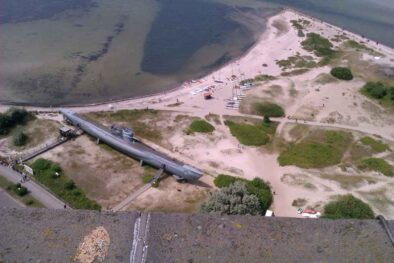
Pictures from interior and outer of U-995:
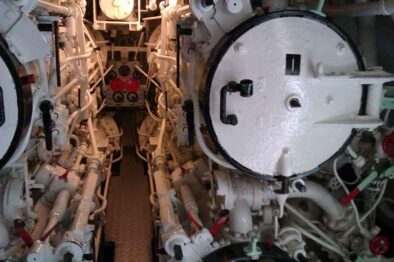
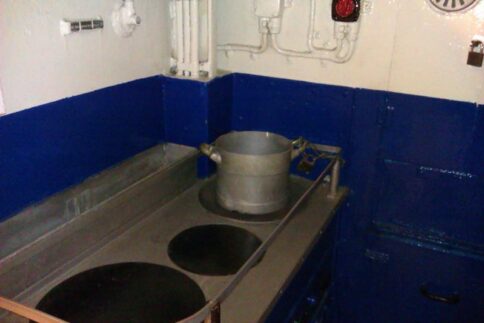
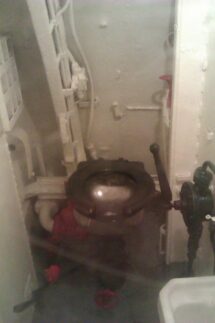
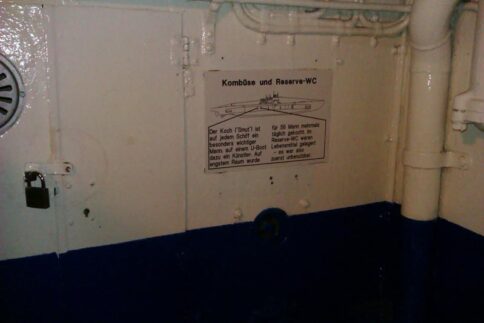
Marine-Ehrenmal Laboe: Germany’s Naval Memorial on the Baltic Sea
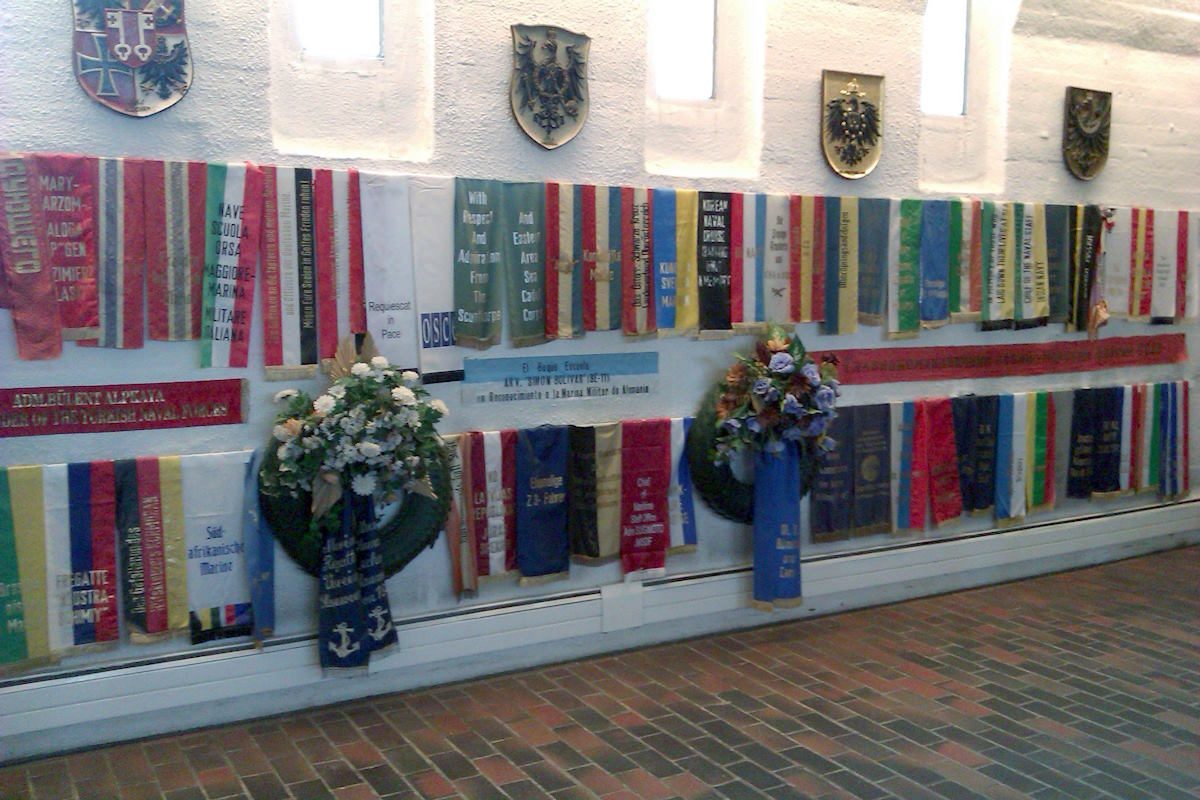
Rising high above the Baltic coast, the Marine-Ehrenmal in Laboe (Naval Memorial Laboe) is one of Germany’s most striking landmarks. Located in the seaside town of Laboe, near Kiel in Schleswig-Holstein, the memorial honors sailors of all nations who lost their lives at sea—while also serving as a place of reflection on the consequences of war.
A Landmark with a Powerful Presence
The memorial’s iconic tower stands at 72 meters (236 feet) tall and can be seen from miles away across the Kiel Fjord. Construction began in 1927, and the monument was officially inaugurated in 1936.
Originally dedicated to German naval personnel who died in World War I, the memorial’s meaning evolved after World War II. Today, it commemorates all seafarers of every nation who have perished at sea, promoting remembrance and peace.
What You Can Experience at the Memorial
A visit to the Marine-Ehrenmal offers more than just panoramic views.
The Observation Deck:
Take the elevator (and a short climb of steps) to the top of the tower for breathtaking views over:
– The Baltic Sea
– Kiel Fjord
– Passing naval and commercial ships
– On clear days, even the Danish coastline
It’s a must for photographers and maritime enthusiasts alike.
The Memorial Hall:
Inside the tower, visitors will find:
– A solemn remembrance hall
– Names and tributes to fallen sailors
– Informational exhibits about naval history
The atmosphere is quiet and reflective, encouraging visitors to pause and consider the human cost of maritime conflict.
The Submarine U-995:
Just steps away from the memorial stands the German submarine U-995, a World War II Type VII U-boat. Today, it operates as a technical museum and is one of the few surviving submarines of its kind open to the public.
Visitors can explore the narrow corridors and experience firsthand the confined conditions sailors endured during wartime missions.
Symbolism of the Monument
The tower’s design is often interpreted in multiple ways:
– The prow of a Viking ship
– The conning tower of a submarine
– A stylized maritime structure
Whatever the interpretation, its vertical form conveys strength, resilience, and remembrance.
Visitor Information
📍 Location: Strandstraße 92, 24235 Laboe, Germany
🕒 Opening Hours: Typically open daily, with seasonal variations
🎟️ Admission: Separate or combined tickets available for the tower and submarine
It’s easily reachable from Kiel by car, bicycle, or ferry—making it a popular day trip destination.
Why Visit Marine-Ehrenmal Laboe?
Whether you are interested in history, architecture, naval heritage, or simply breathtaking coastal views, the Marine-Ehrenmal offers a meaningful and memorable experience. It stands not only as a tribute to those lost at sea, but also as a reminder of the importance of peace in a world shaped by maritime connections.
Animated 3D model of U-boat VIIB
Specifications for German U-boats Type VII
Specifications:
Specification | VIIA | VIIB | VIIC | VIIC-41 |
|---|---|---|---|---|
Typ | Ocean-going submarines | |||
Displacement (surfaced / submerged) | 626/745 tons | 753/857 tons | 769/871 tons | 769/871 tons |
Length | 213 ft (64.9 m) | 219.5 ft (66.9 m) | 221.5 ft (67.5 m) | 221.5 ft (67.5 m) |
Beam | 19.4 ft( 5.9 m) | 20.3 ft (6.2 m) | 20.3 ft (6.2 m) | 20.3 ft (6.2 m) |
Draught | 14.4 ft (4.4 m) | 15.4 ft (4.7 m) | 15.4 ft (4.7 m) | 15.4 ft (4.7 m) |
Engines | two diesel, one electric motor with 2 shafts | |||
Power | 2800 hp surfaced, 750 hp submerged | |||
Fuel | 67 tons | 108 tons | 114 tons | 114 tons |
Speed (surfaced / submerged) | 17/8 kn | 18/8 kn | 17.75/7.5 kn | 17.5/7.5 kn |
Range | 4,300 nm at 12 kn | 6,500 nm at 12 kn | 6,500 nm at 12 kn (8,850 nm at 10 kn) | |
Diving depth (max) | ? | 490 ft | 590 ft | |
Quick diving | ? | 30 sec | 25-30 sec | |
Crew | ? | ? | 44 |
Armament:
Specification | VIIA | VIIB | VIIC | VIIC-41 |
|---|---|---|---|---|
Torpedo tubes | 4 bow 21-in (53.3 cm) torpedo tubes, 1 stern 21-in torpedo tube | |||
Torpedos | 11 | 14 | 14 | 14 |
Secondary Armament | 1 x 3.5-in (8.8 cm) gun | - | - | - |
Anti-aircraft | 1 x 2 cm (0.79-in) | 1 x 3.7 cm (1.46-in); 2 x 2 cm (0.79-in) | 1 x 3.7 cm (1.46-in); 2 x 2 cm (0.79-in) | 1 x 3.7 cm (1.46-in); up to 3 x 2 cm (0.79-in) |
Service statistics:
Class VII | figures |
|---|---|
sub VIIA | U27-36 |
sub VIIB | U45-55; 73-76; 83-87; 99-102 |
sub VIIC | U69-72; 77-82; 88-98; 132-136; 201-212; 221-232; 235-458; 465-486; 551-683; 701-779; 821-836; 901-08; 921-930; 951-1058; 1063-1065 |
sub VIIC-41 | U 1101-1220; 1271-1279; 1301-1308 |
total | 705 subs |
Launching (all) | June 1936 (U-27) - November 1944 (U-1308). VIIC from 1940. |
Operational | 1936-1945 |
Fate | 437 sunk for different reasons, 165 scuttled at VE day, 103 surrendered |
Development of the U-boat arm 1942-1945
German U-boat arm:
month | commission | in service | losses | losses total |
|---|---|---|---|---|
Jan 1942 | 10 | 244 | 3 | 64 |
Feb 1942 | 18 | 257 | 2 | 67 |
Mar 1942 | 18 | 267 | 6 | 69 |
Apr 1942 | 17 | 282 | 3 | 75 |
May 1942 | 26 | 295 | 3 | 78 |
Jun 1942 | 20 | 315 | 3 | 81 |
Jul 1942 | 22 | 323 | 12 | 84 |
Aug 1942 | 21 | 344 | 11 | 95 |
Sep 1942 | 19 | 353 | 12 | 107 |
Oct 1942 | 26 | 356 | 16 | 119 |
Nov 1942 | 26 | 368 | 14 | 135 |
Dec 1942 | 22 | 391 | 3 | 149 |
Jan 1943 | 22 | 407 | 6 | 152 |
Feb 1943 | 22 | 407 | 22 | 158 |
Mar 1943 | 26 | 412 | 17 | 180 |
Apr 1943 | 26 | 421 | 17 | 197 |
May 1943 | 27 | 407 | 40 | 214 |
Jun 1943 | 26 | 415 | 19 | 254 |
Jul 1943 | 26 | 421 | 20 | 273 |
Aug 1943 | 19 | 425 | 24 | 293 |
Sep 1943 | 22 | 434 | 8 | 317 |
Oct 1943 | 26 | 430 | 28 | 325 |
Nov 1943 | 25 | 437 | 19 | 351 |
Dec 1943 | 31 | 456 | 7 | 370 |
Jan 1944 | 23 | 471 | 16 | 377 |
Feb 1944 | 18 | 475 | 19 | 393 |
Mar 1944 | 23 | 470 | 23 | 412 |
Apr 1944 | 19 | 474 | 19 | 435 |
May 1944 | 18 | 479 | 24 | 454 |
Jun 1944 | 12 | 471 | 26 | 473 |
Jul 1944 | 15 | 461 | 22 | 504 |
Aug 1944 | 15 | 435 | 41 | 526 |
Sep 1944 | 19 | 426 | 24 | 567 |
Oct 1944 | 16 | 433 | 12 | 591 |
Nov 1944 | 24 | 442 | 7 | 603 |
Dec 1944 | 26 | 452 | 14 | 610 |
Jan 1945 | 36 | 467 | 11 | 624 |
Feb 1945 | 24 | 478 | 25 | 635 |
Mar 1945 | 29 | 456 | 36 | 660 |
Apr 1945 | 9 | 435 | 60 | 696 |
May 1945 | 0 | 399 | 245 | 756 |
References and literature
Fighting Ships of the World (Antony Preston)
Kriegsschiffe von 1900 bis heute – Technik und Einsatz (Buch und Zeit Verlagsgesellschaft)
The Illustrated Directory of Warships from 1860 to the present day (David Miller)
Kriegsschiffe 1939-45 (Heyne-Bildpaperback)
Flotten des 2. Weltkrieges (Antony Preston)
Die Schlacht im Atlantik (Andrew Kershaw)
U-Boote seit 1919 (Antony Preston, John Batchelor)
U-Boote im Duell (Harald Bendert)
Das Deutsche Reich und der Zweite Weltkrieg (10 Bände, Zentrum für Militärgeschichte)
World War II – A Statistical Survey (John Ellis)
Chronology of World War II (Christopher Argyle)
Seemacht – eine Seekriegsgeschichte von der Antike bis zur Gegenwart (Elmar B. Potter, Admiral Chester W.Nimitz)

I was reading about the u-boat VIIC class and stumbled across your excellent site. I was surprised that the crew was only 44 total.
Glad the war ended in 45. By 47 Germany would have the A bomb, had aircraft that could fly the Atlantic and back, had subs that superceded the XXI class and way more
BRAVO ZULU, ww2-weapons.com AWESOME WEBSITE, WITH SOME GREAT PHOTOS, GREAT WRITING, and ALL ETC.
KEEP UP THE GREAT WORK; AND LET US KEEP W.W.II HISTORY, ALIVE!!!
Yours Aye: Killick Vison…Brian CANUCK Murza, W.W.II Naval Researcher-Published Author, Niagara Falls, Ontario, Canada.